




Introduction
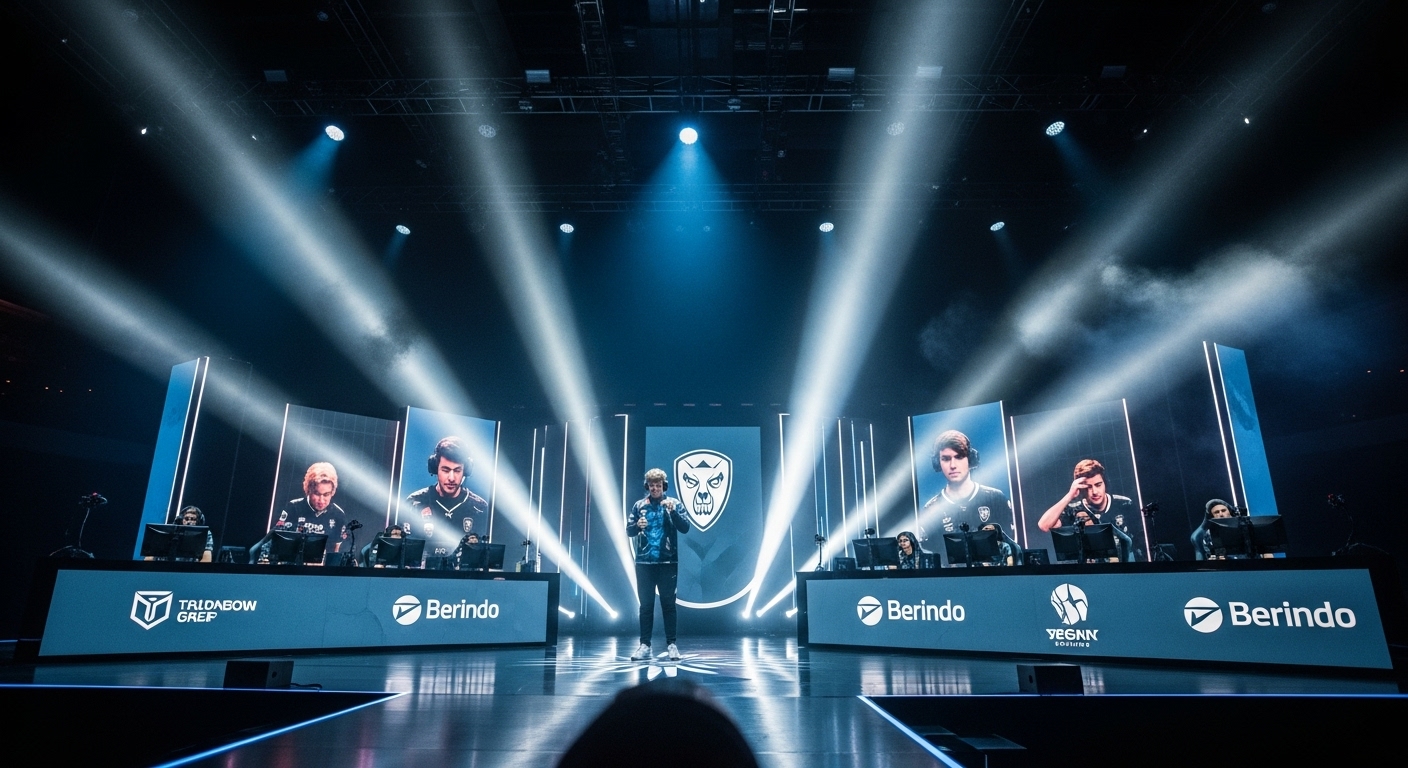
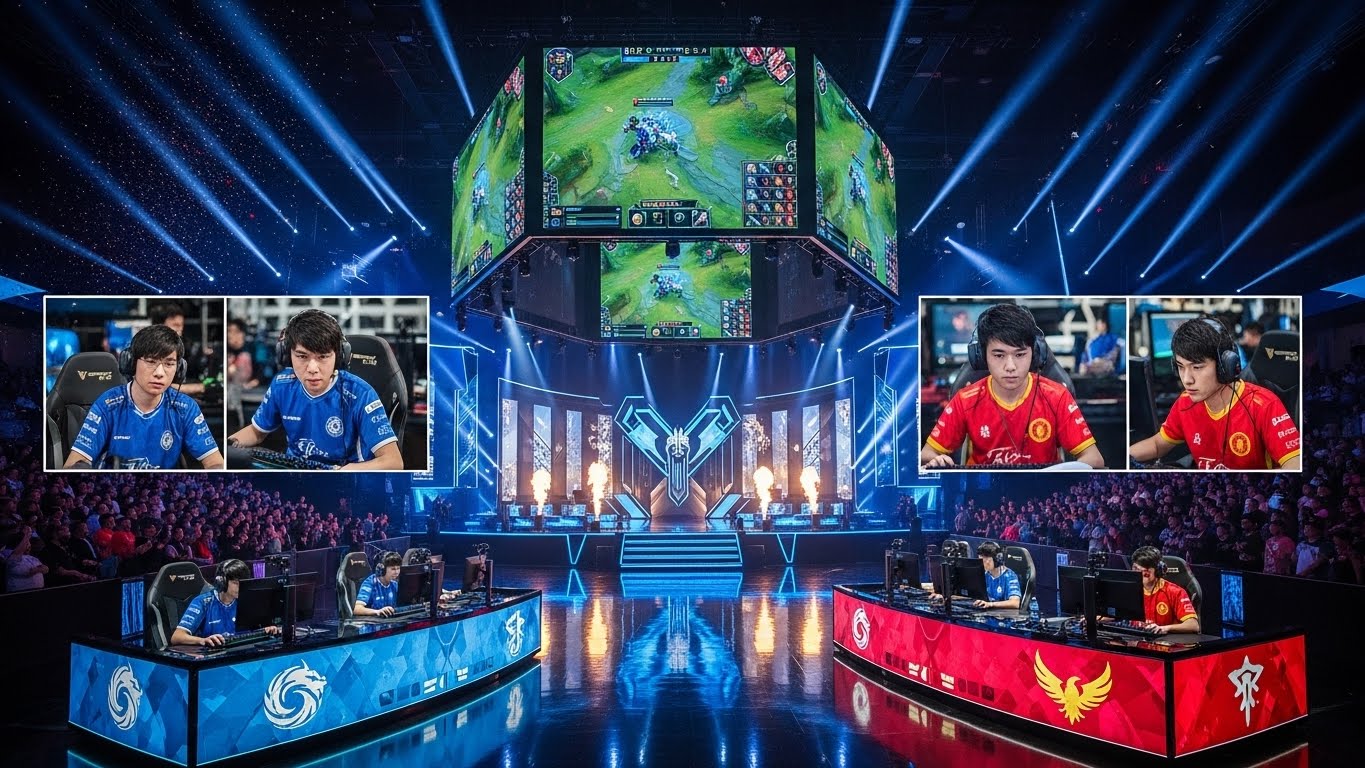
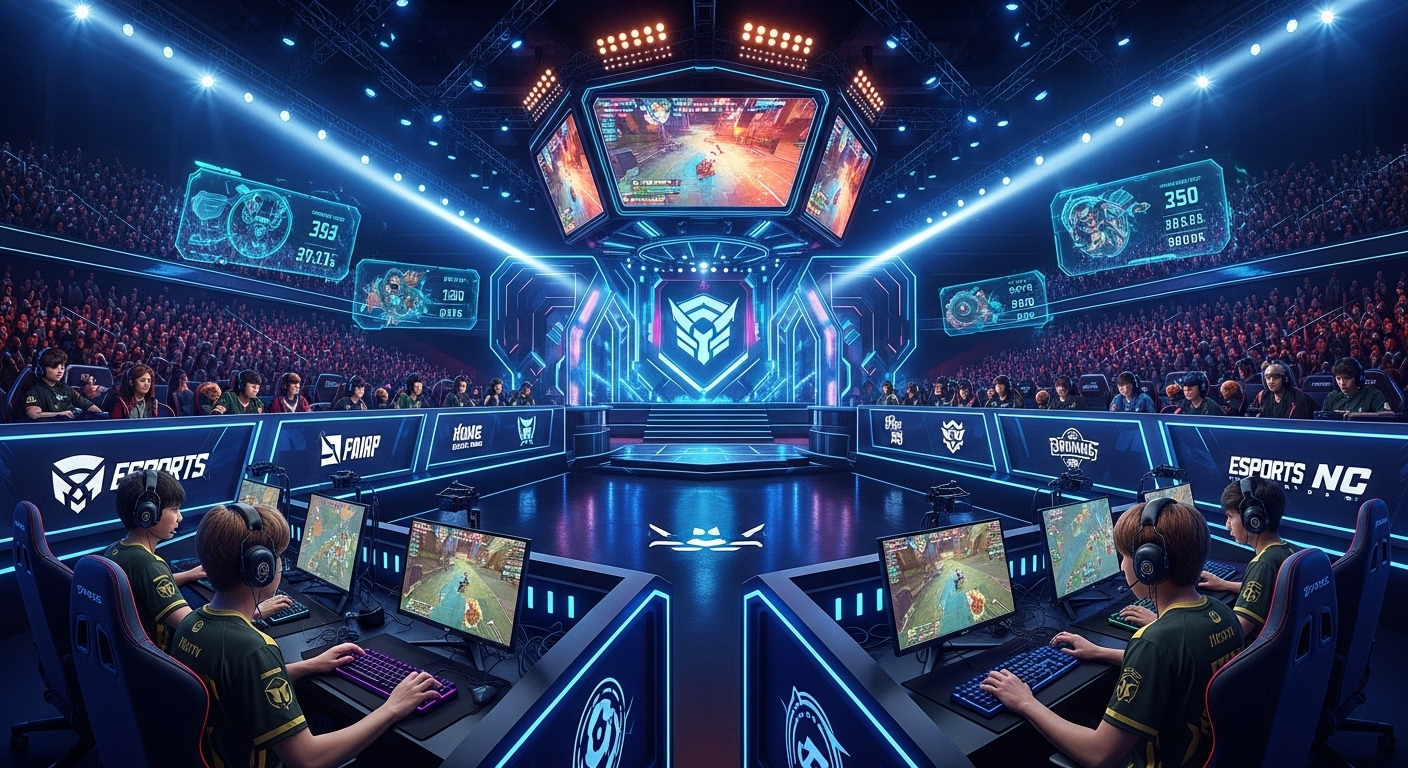
Esports, short for electronic sports, has grown from a niche hobby into one of the most powerful entertainment industries in the world. Once dismissed as casual gaming, it has transformed into a professional ecosystem that rivals traditional sports in viewership, sponsorship, and cultural influence. Over the past two decades, this digital revolution has not only changed how people play games but also how they connect, compete, and consume entertainment. The story of Esports is a story of passion, technology, and human ambition converging to create something much bigger than anyone expected.
The Early Days of Competitive Gaming
The idea of competing in video games isn’t new. In fact, it stretches back to the 1970s when computer labs hosted small tournaments. The first recognized video game competition was held at Stanford University in 1972 for the game Spacewar. Participants played for a modest prize, but the idea planted a seed. Throughout the 1980s, arcade games like Pac-Man and Donkey Kong became popular, inspiring local and national competitions. Players battled for high scores, fame, and sometimes a feature in gaming magazines.
The real push came in the 1990s when the internet began connecting players worldwide. Titles like Doom, Quake, and StarCraft allowed multiplayer experiences that transcended living rooms. LAN parties, where gamers would bring their computers to a single location to play together, became the breeding grounds of early Esports culture. These were the early signs of what would later explode into a billion-dollar industry.
The 2000s: Birth of Modern Esports
The 2000s were a defining decade for Esports. Broadband internet became accessible to more homes, and online multiplayer games became mainstream. Titles like Counter-Strike, Warcraft III, and Halo dominated competitive scenes across continents. Professional tournaments began emerging, offering cash prizes that drew attention from sponsors and media alike.
One major turning point was the establishment of global tournaments such as the World Cyber Games and the Electronic Sports World Cup. These events brought together players from different nations, giving Esports a sense of legitimacy and international recognition. The rise of South Korea as a powerhouse also played a pivotal role. With government support, dedicated TV channels, and professional leagues, South Korea became the first country where gaming was treated as a profession rather than a pastime.
The Streaming Revolution
If the 2000s built the foundation for Esports, the 2010s took it to the stratosphere. One major catalyst was streaming technology. Platforms that allowed people to broadcast and watch live games turned Esports into a spectator event accessible to anyone with an internet connection. Suddenly, fans could follow their favorite players, learn strategies, and feel part of a global community. Streaming made stars out of gamers, giving them massive followings and sponsorships once reserved for traditional athletes.
Games like League of Legends, Dota 2, and Overwatch became household names thanks to streaming. Their world championships attracted millions of viewers, sometimes surpassing major traditional sporting events in viewership. Streaming didn’t just change how fans watched; it also changed how games were designed. Developers started building spectator-friendly interfaces and tools, understanding that visibility was key to growing the Esports scene.
Esports as a Profession
The growth of Esports brought structure, organization, and professionalism to what was once seen as a hobby. Teams now operate like traditional sports franchises, complete with managers, coaches, analysts, and training facilities. Players sign contracts, have sponsorships, and follow strict training schedules. Major organizations like Cloud9, Team Liquid, and T1 have become brands recognized globally.
Esports athletes, often called “pro gamers,” dedicate countless hours to refining their skills. Their reflexes, coordination, and strategic thinking rival those of athletes in any physical sport. Many teams employ psychologists, nutritionists, and physical trainers to ensure players maintain both mental and physical health. This shift from casual play to disciplined professionalism has been crucial in sustaining the industry’s credibility.
The Economics of Esports
The Esports economy is massive and growing every year. It involves a network of stakeholders — players, teams, sponsors, publishers, event organizers, and streaming platforms. Revenue streams include advertising, sponsorship deals, ticket sales, merchandise, and media rights. Major brands that once focused solely on traditional sports now invest heavily in Esports, recognizing its influence on younger audiences.
Prize pools for major tournaments can reach astonishing numbers. Dota 2’s “The International” has offered tens of millions in prize money, funded largely by the community. This crowd-funded model highlights the dedication of fans and how deeply invested they are in the ecosystem. Beyond tournaments, Esports has created thousands of jobs, from production and broadcasting to event management and marketing.
The Role of Game Developers
Game developers play a critical role in shaping Esports. Titles like Riot Games’ League of Legends or Valve’s Counter-Strike aren’t just games; they’re entire ecosystems built for competition. Developers often maintain competitive balance, introduce regular updates, and manage leagues to keep the experience fresh and fair. The relationship between developers and players is symbiotic — players bring visibility and excitement, while developers provide the platform and resources for growth.
Some companies have even built entire leagues around their games. Blizzard’s Overwatch League, for instance, mirrored the structure of traditional sports leagues with city-based teams and regular seasons. Riot Games’ global tournaments operate like finely tuned productions, demonstrating how far the industry has come in terms of organization and professionalism.
The Global Stage: Esports Around the World
Esports is truly a global phenomenon. Different regions have their own dominant games, stars, and communities. In South Korea, StarCraft and League of Legends reign supreme, supported by government recognition and specialized training academies. China has built massive stadiums dedicated to Esports events and invests heavily in talent development. North America has embraced Esports as mainstream entertainment, with universities offering scholarships for gamers. Europe, particularly Scandinavia and Eastern Europe, has produced some of the most strategic and mechanically skilled players in history.
Southeast Asia, too, has become a rising force. Titles like Mobile Legends and PUBG Mobile have captured the region’s imagination, driven by widespread mobile gaming. Each region contributes something unique, creating a diverse and competitive international landscape.
The Culture of Esports Fans
Behind every successful Esports title is a passionate community. Fans form the backbone of the industry, supporting teams, buying merchandise, and attending live events. Online communities have become central to the Esports experience, where fans debate strategies, create memes, and follow their favorite players’ personal lives. Major tournaments often feel like cultural festivals, complete with music, cosplay, and celebrity appearances.
This fan culture has helped normalize gaming as a mainstream hobby. Once stigmatized as a time-wasting activity, gaming is now seen as a form of entertainment, creativity, and even career potential. The loyalty and energy of Esports fans are comparable to any traditional sports fanbase.
The Intersection of Esports and Education
One of the most fascinating developments in Esports is its entry into education. High schools and universities across the world have begun offering Esports programs, scholarships, and degrees. These institutions recognize that Esports is not just about playing games but involves a range of skills — teamwork, communication, leadership, and critical thinking. Beyond gameplay, students are learning about event organization, broadcasting, marketing, and game design.
This academic embrace signals a new level of legitimacy for the industry. It prepares the next generation for a future where Esports will continue to be a major part of entertainment and digital culture.
Technology’s Role in Esports Growth
Technology has always been at the heart of Esports, driving its evolution. Improvements in hardware, internet speeds, and streaming platforms have made competitive gaming accessible to millions. Virtual reality, augmented reality, and AI-driven analytics are now finding their way into the Esports ecosystem, enhancing both player performance and viewer experience.
High-speed internet has made global competition seamless, while powerful gaming rigs and consoles ensure fairness and precision. Cloud gaming and cross-platform play are breaking down barriers further, enabling more players to participate regardless of device or location.
Women in Esports
For a long time, Esports was seen as a male-dominated space, but that narrative is changing. Women are making their mark as players, casters, team owners, and content creators. Female-only tournaments, inclusive leagues, and advocacy groups have helped pave the way for gender diversity. The industry still has progress to make regarding inclusivity and representation, but more women are stepping into the spotlight every year.
Female Esports stars serve as role models, inspiring new generations of gamers to pursue their passion without fear or bias. Their presence is vital in shaping a more balanced and representative gaming culture.
Challenges Facing Esports
Despite its success, Esports faces several challenges. One major issue is player burnout. The intense schedule and pressure can take a toll on mental health, leading to short careers. Regulatory consistency is another concern; as Esports spans multiple countries and organizations, rules and standards often vary.
Cheating and match-fixing have occasionally tarnished reputations, pushing organizers to develop stricter anti-cheat systems and disciplinary measures. Additionally, the industry must address financial transparency and ensure fair treatment of players, especially in less-regulated regions. Balancing commercial interests with player welfare remains a key test for Esports’ long-term sustainability.
The Impact of Esports on Traditional Sports
Interestingly, traditional sports organizations have taken notice of Esports’ meteoric rise. Many football clubs, basketball teams, and racing leagues have invested in or launched their own Esports divisions. This crossover benefits both sides — Esports gains credibility, and traditional sports reach younger, tech-savvy audiences.
Simulated sports games like FIFA, NBA 2K, and Formula 1 Esports have become bridges between digital and physical sports worlds. They demonstrate how competition and storytelling transcend medium, uniting fans through shared passion.
The Business of Esports Media
Media coverage of Esports has matured alongside the industry itself. What started as fan-driven commentary on forums and YouTube has evolved into professional journalism, analysis, and live broadcasting. Major networks now air Esports events, and specialized production companies bring cinematic storytelling to competitive matches.
Commentators, often called “casters,” have become celebrities in their own right. Their ability to narrate fast-paced games and engage audiences adds excitement and emotion to every match. The production quality of modern Esports broadcasts rivals that of major sporting events, showcasing the professionalism behind the scenes.
The Pandemic and Its Impact on Esports
The global pandemic in 2020 was a turning point for many industries, but Esports adapted faster than most. With physical sports leagues shut down, Esports became one of the few competitive outlets still operating. Online tournaments thrived, and viewership soared as people sought digital entertainment. The crisis proved Esports’ resilience and flexibility, reinforcing its role as the future of entertainment.
Even after live events returned, the lessons learned during that period reshaped the landscape. Hybrid formats that combine online and offline elements have become the norm, making Esports more accessible and sustainable.
The Future of Esports
Looking ahead, the future of Esports is bright and full of possibilities. With advancements in technology, the line between player and viewer will continue to blur. Interactive viewing experiences, immersive VR events, and AI-driven coaching tools are just a few examples of what’s to come.
As Esports continues to grow, it will likely integrate more deeply with mainstream culture. It’s not hard to imagine a future where watching a championship match is as common as tuning into the World Cup or the Olympics. In fact, Esports has already been recognized as a medal event in some international competitions, signaling its acceptance on the world stage.
Conclusion
The journey of Esports from a basement hobby to a global industry is a testament to human creativity and passion. It’s about more than just video games — it’s about competition, community, and connection. It brings together people from every corner of the world, united by a shared love of play. Esports has proven that digital competition can inspire just as much excitement, emotion, and respect as traditional sports.
As technology continues to evolve and generations grow up in a world where gaming is culture, Esports will only continue to expand. The future belongs to those who understand that playing isn’t just fun — it’s the foundation of one of the most exciting movements of our time.