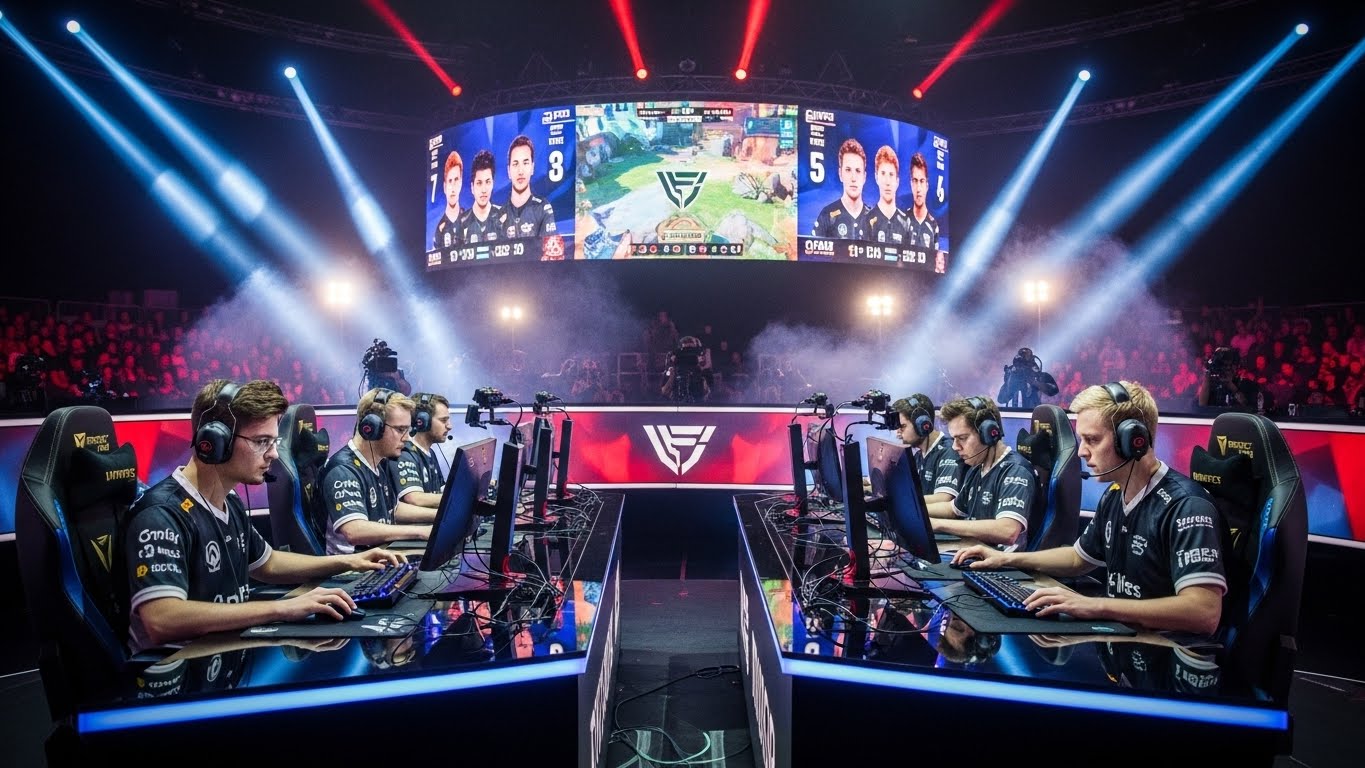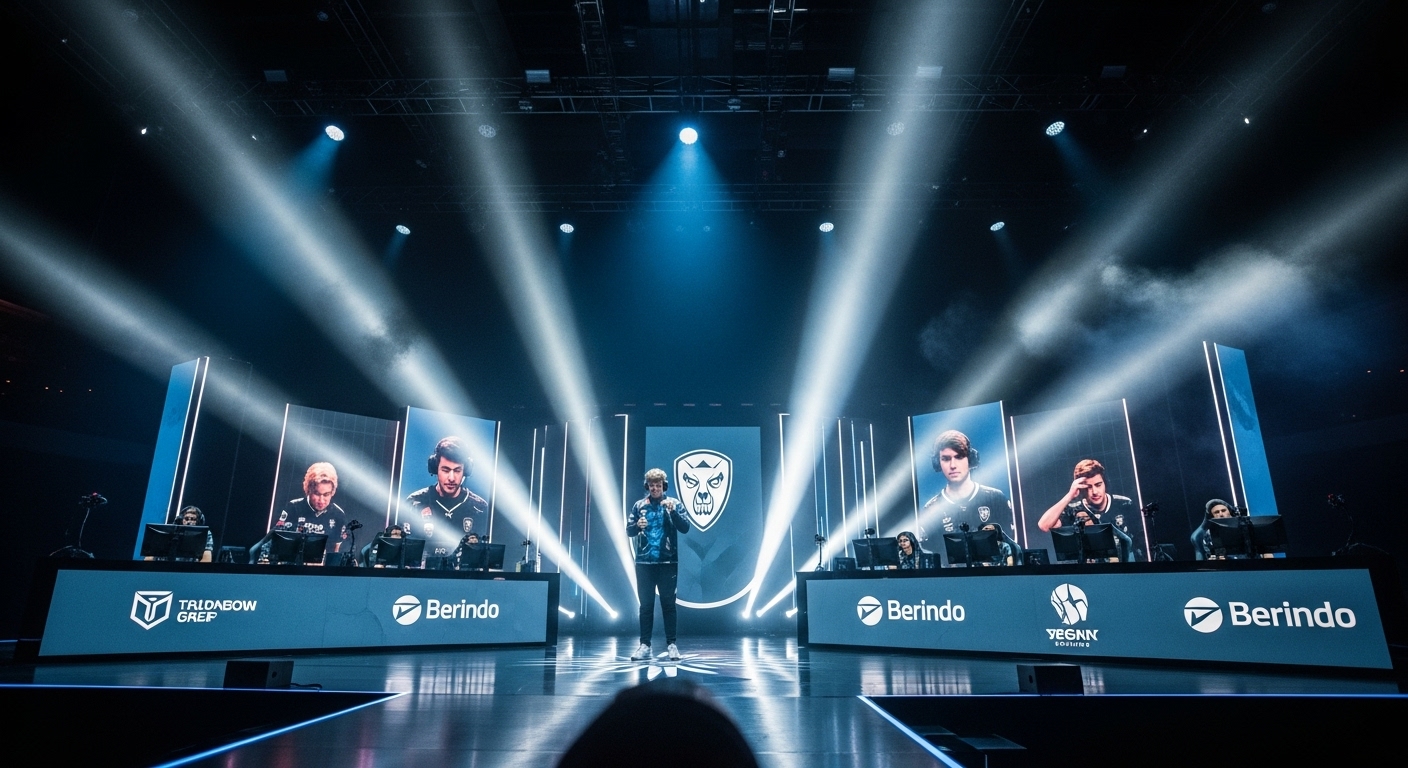



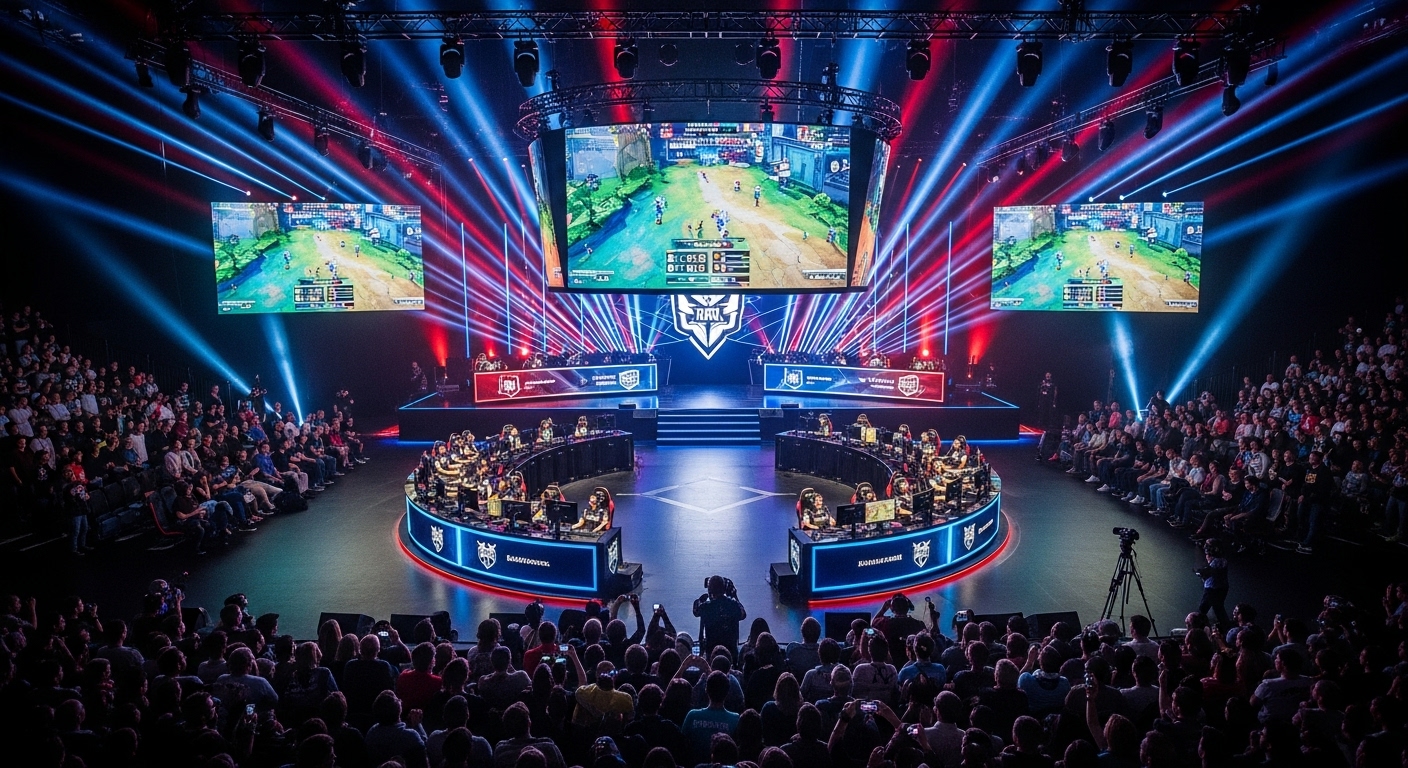
In the past two decades, the world of gaming has undergone one of the most fascinating transformations in entertainment history. What began as a hobby for tech enthusiasts has evolved into a billion-dollar global industry known as Esports. Today, stadiums fill with fans cheering for professional gamers, universities offer Esports scholarships, and millions tune in online to watch tournaments broadcasted like traditional sporting events. But how did we get here? And what does the future hold for this rapidly growing cultural force?
The Roots of Esports: From Arcade Cabinets to LAN Parties
To understand where Esports stands today, we have to go back to its earliest days. In the 1980s, gaming was still a niche pastime. Arcade competitions like the Space Invaders Championship in 1980 were among the first organized gaming events, drawing thousands of participants across the United States. Players weren’t competing for huge prize pools; they were there for bragging rights and recognition. Yet, those early competitions laid the groundwork for what would eventually become a structured, professionalized industry.
By the 1990s, with the rise of personal computers and home consoles, gaming became more accessible. Titles like Doom, Quake, and StarCraft helped foster the first real Esports communities. LAN (Local Area Network) parties became the birthplace of early gaming tournaments, where groups of friends connected their PCs with bulky cables and competed for small prizes or simply for fun. These grassroots events created the culture of camaraderie and competition that still defines Esports today.
The Internet Revolution: Esports Finds Its Audience
The late 1990s and early 2000s brought a technological shift that changed everything: the internet. Suddenly, gamers didn’t need to be in the same room—or even the same country—to compete. This was the turning point. Games like Counter-Strike, StarCraft: Brood War, and Warcraft III became the foundation of online competitive gaming.
South Korea, in particular, played a crucial role in legitimizing Esports as a real profession. Following the Asian financial crisis of the late 1990s, the country invested heavily in internet infrastructure. High-speed connections allowed for seamless online play, and television channels began broadcasting professional StarCraft matches. The players—once seen as mere hobbyists—became celebrities. Stadiums in Seoul filled with fans, commentators analyzed gameplay like football pundits, and Esports teams gained sponsorships. South Korea essentially became the birthplace of modern Esports.
The 2000s: Building the Professional Ecosystem
As technology improved, gaming companies began to see the potential of organized competition as both a marketing tool and a legitimate spectator sport. The early 2000s saw the rise of organizations like Major League Gaming (MLG) in the United States, the Cyberathlete Professional League (CPL), and the World Cyber Games (WCG). These leagues began to professionalize Esports by offering structured tournaments, standardized rules, and real cash prizes.
The player base grew rapidly. Titles like Halo, Counter-Strike, and Warcraft III dominated the Western scene, while games like StarCraft and League of Legends gained massive popularity in Asia. The community was still relatively underground compared to mainstream sports, but it was steadily building momentum.
At this point, the seeds of global recognition were firmly planted. The competitive gaming ecosystem was evolving beyond casual play. Teams had coaches, sponsors, and fans. Esports was no longer a pastime—it was a career path for skilled players who could dedicate themselves to mastering the game.
The Streaming Era: Twitch and YouTube Change the Game
One of the biggest catalysts for Esports’ explosion into the mainstream was the rise of live streaming. Before platforms like Twitch (founded in 2011), watching someone play a video game meant sitting beside them. But streaming changed that completely. Suddenly, anyone could broadcast their gameplay to an audience of thousands—or millions.
This democratized the world of Esports. Players no longer needed to attend massive tournaments to gain visibility; they could build a fanbase from their bedrooms. Esports stars like Faker from League of Legends or s1mple from Counter-Strike: Global Offensive became household names not just for their competitive success but also for their online personas.
Streaming also turned Esports into a form of entertainment beyond competition. Fans could interact with their favorite players in real time, creating a sense of intimacy that traditional sports rarely offer. It blurred the line between athlete and influencer, opening up new opportunities for sponsorships and brand collaborations.
The Games That Shaped Esports
While hundreds of games have contributed to Esports’ evolution, a few key titles stand out for defining the genre and attracting massive audiences.
League of Legends revolutionized multiplayer online battle arena (MOBA) gaming. Released in 2009 by Riot Games, it became one of the most-watched Esports in history. Its yearly World Championship draws millions of viewers worldwide, and its structure—complete with regional leagues—mirrors traditional sports organizations.
Counter-Strike remains the gold standard for first-person shooters. With its roots going back to the early 2000s, it has maintained a loyal competitive community for over two decades. Precision, teamwork, and strategy make it endlessly engaging for both players and viewers.
Dota 2 took the concept of high-stakes tournaments to new levels. The International, its annual championship, boasts some of the largest prize pools in Esports history, often surpassing tens of millions of dollars thanks to community crowdfunding.
Fortnite, though younger, redefined the concept of Esports by merging competitive play with mass entertainment. Its combination of skill, creativity, and casual accessibility introduced gaming competitions to a broader, younger demographic.
Each of these games helped cement Esports as a cultural movement that transcends platforms, genres, and generations.
The Players: New-Age Athletes
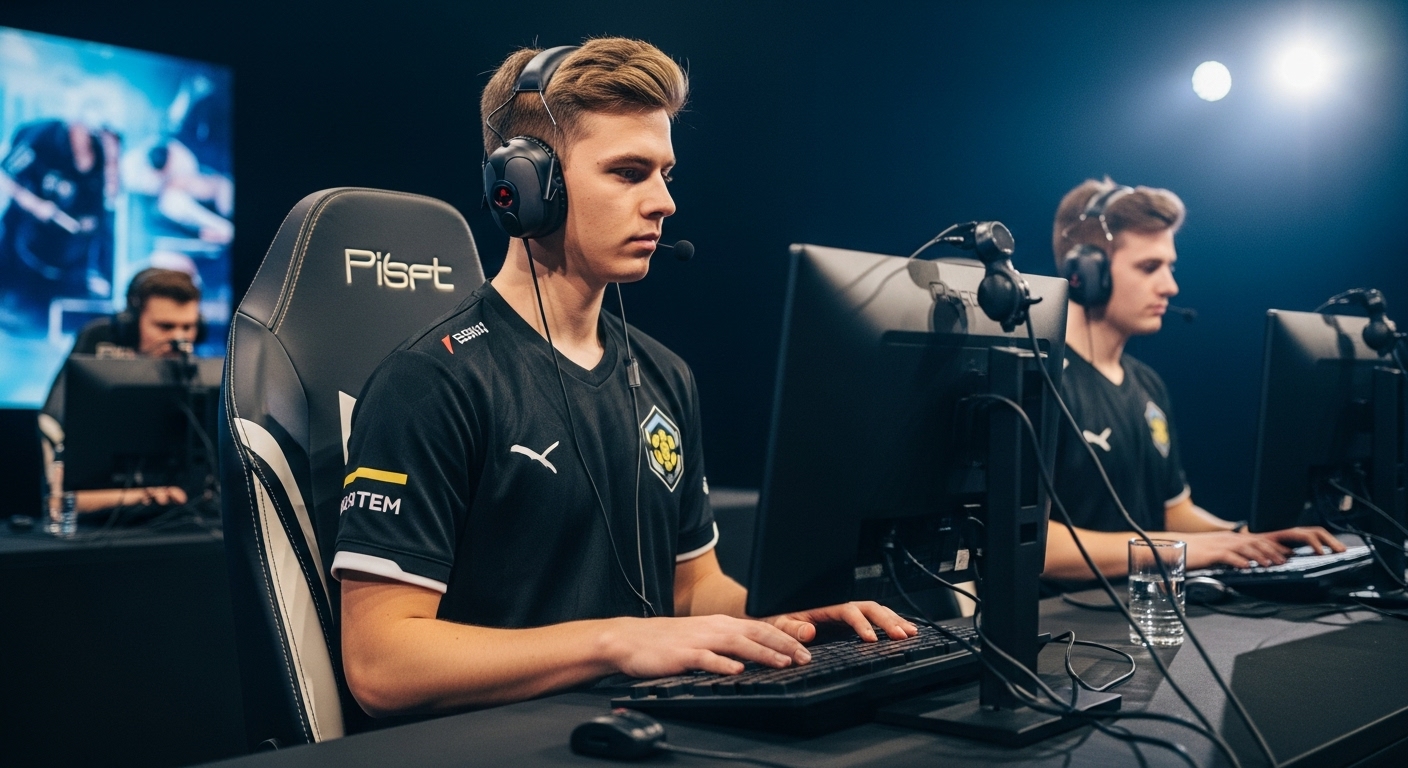
The perception of gamers has changed drastically over the years. Once stereotyped as reclusive or antisocial, professional Esports athletes today are viewed with the same respect as traditional sports players. They train rigorously—often practicing for eight to twelve hours a day—analyzing gameplay, refining mechanics, and working with coaches to develop strategies.
Physical fitness is becoming increasingly important too. Many professional teams now employ nutritionists, personal trainers, and sports psychologists to help players manage the mental and physical demands of competition. The pressure to perform on a global stage, with millions watching live, is immense.
The mental agility required in Esports is astounding. In high-level matches, players make split-second decisions that can determine the outcome of a game. Reaction times can be faster than a blink of an eye. Coordination, teamwork, and communication are just as vital as they are in any traditional team sport.
The Business of Esports: Big Money and Bigger Ambitions
Esports has grown into a multi-billion-dollar industry. The revenue streams are diverse: sponsorships, advertising, merchandise, media rights, and live events all contribute to the economy. Major brands—from tech giants to beverage companies—see Esports as a prime opportunity to reach younger audiences.
Franchised leagues, similar to those in the NBA or NFL, have become increasingly common. Games like Overwatch and Call of Duty established city-based teams that attract local fanbases. Esports organizations now operate as professional businesses, managing players, content creators, and marketing divisions.
Prize money has skyrocketed too. Top players earn millions through tournament winnings and sponsorships, and teams secure lucrative deals with global brands. For context, some Esports professionals now earn salaries comparable to those of established athletes in other sports.
Universities and educational institutions have taken notice as well. Many now offer Esports scholarships, degrees in game management, and even dedicated arenas. What was once considered a hobby is now a legitimate academic and professional pursuit.
The Culture: Community, Connection, and Creativity
At its heart, Esports is not just about competition—it’s about community. Whether it’s fans gathering in online forums, friends forming amateur teams, or global audiences watching tournaments together, Esports brings people together across boundaries of geography, culture, and language.
Cosplay, fan art, memes, and gaming events all contribute to the unique culture surrounding Esports. The fan engagement is participatory and deeply personal. Viewers don’t just watch; they create, contribute, and celebrate their shared passion.
Esports also reflects the creativity of the digital generation. Games serve as both sport and storytelling medium. Fans know the players, rivalries, and legendary moments. In this way, Esports functions as an ongoing narrative—one that fans help write with every match, meme, and message.
The Challenges: Balancing Growth with Responsibility
For all its success, the Esports industry faces real challenges. Issues like player burnout, mental health struggles, and inconsistent tournament structures are ongoing concerns. The intense schedule, constant travel, and pressure to perform can take a serious toll on players.
There are also questions about sustainability and fairness. Unlike traditional sports, where the game itself is a shared public good, Esports titles are owned by private companies. This gives publishers significant control over tournament rules, prize distribution, and even the existence of competitive scenes.
Toxicity and harassment within gaming communities are additional challenges that the industry continues to address. Organizations are now prioritizing inclusivity, fair play, and mental health awareness, recognizing that long-term success depends on building a positive environment for players and fans alike.
Esports and Traditional Sports: Convergence, Not Competition
The relationship between Esports and traditional sports has often been described as competitive, but in truth, they are increasingly complementary. Traditional sports leagues have begun investing heavily in Esports. Football clubs like Manchester City and Paris Saint-Germain have Esports divisions. The NBA’s 2K League and the FIFA eWorld Cup show how digital and physical sports can coexist and even enhance each other.
Esports also mirrors traditional sports in its fan culture—complete with commentary, analysis, rivalries, and hero narratives. But unlike most physical sports, Esports can evolve rapidly through updates and new titles, keeping the ecosystem dynamic and unpredictable.
The Future: Where Esports Is Headed Next
As technology continues to evolve, the next decade promises even greater transformation for Esports. Virtual reality (VR) and augmented reality (AR) are poised to redefine how games are played and experienced. Cloud gaming will make high-performance play more accessible, eliminating the need for expensive hardware.
Artificial intelligence and data analytics are already changing how teams strategize, offering insights into player performance and opponent tendencies. These tools will likely make Esports even more competitive and precise in the years to come.
Moreover, the line between gaming, entertainment, and social media is blurring. Platforms like TikTok, YouTube Shorts, and Twitch clips make Esports moments instantly shareable, turning highlights into cultural phenomena overnight. The growth of mobile gaming, particularly in regions like Southeast Asia, has also expanded the Esports audience beyond traditional PC and console players.
The future of Esports isn’t just in massive tournaments or prize pools—it’s in its ability to connect and inspire. It represents a new kind of sport for a new kind of world, one that values digital skill, creativity, and global community.
A New Era of Competition
Esports is not a passing trend or a digital fad; it’s a movement that reflects how deeply technology and human creativity have intertwined. The same drive that pushes an athlete to perfect their craft is alive in every professional gamer striving for mastery. The same emotions—anticipation, joy, heartbreak—are shared by fans worldwide, whether they’re watching a World Cup final or a League of Legends championship.
What began as a pastime has evolved into a shared cultural experience that bridges generations. Esports is not replacing traditional sports—it’s redefining what competition, entertainment, and community can look like in the digital age.
As the lights dim and the countdown begins, the roar of the crowd—whether in a packed arena or a virtual chat—tells the same story. This is more than a game. This is Esports.