




Introduction
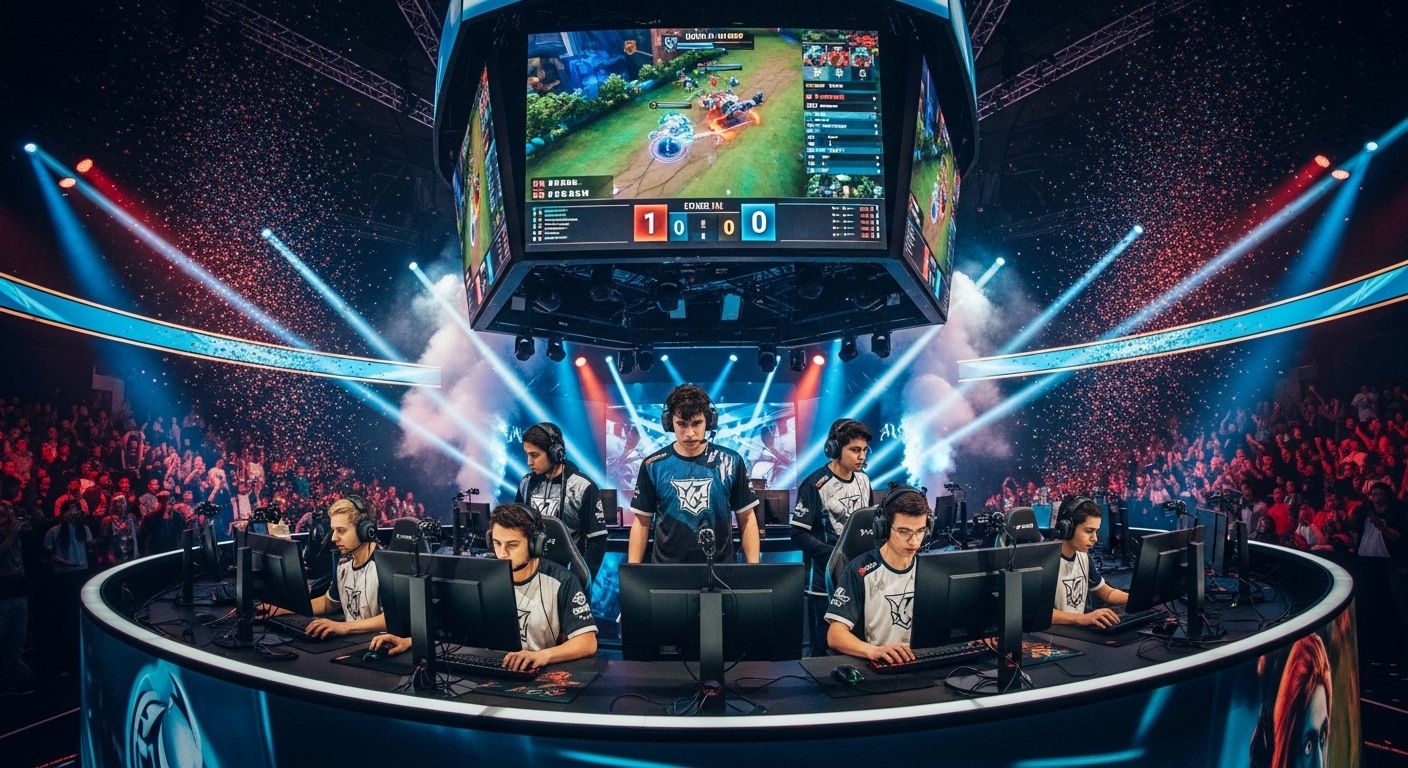
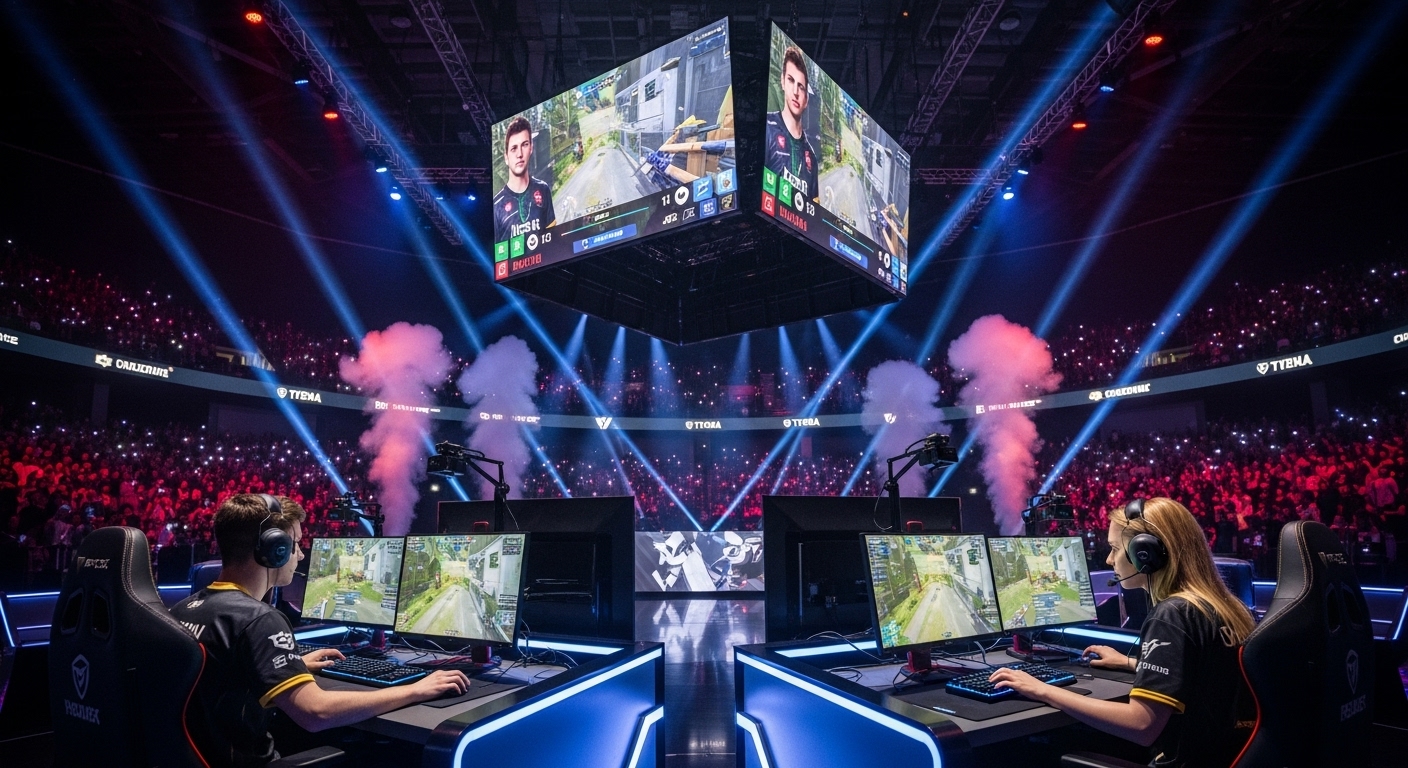
Esports, short for electronic sports, is one of the fastest-growing industries in the world, blending video gaming with professional competition. What began as small gatherings of gaming enthusiasts has evolved into a global phenomenon, captivating millions of players, fans, and investors. The transformation of gaming into a professional sport is reshaping entertainment, technology, and even education. Today, esports is not just a pastime; it’s a billion-dollar ecosystem powered by passion, skill, and digital innovation.
The Early Days of Competitive Gaming
The roots of esports trace back to the late 1970s and early 1980s, when arcade tournaments like Space Invaders and Pac-Man captivated a new generation of gamers. Back then, competitions were modest—players gathered in arcades or universities to set high scores. However, these humble beginnings marked the birth of competitive gaming culture. As home consoles like Atari, Nintendo, and Sega entered households, gaming shifted from a local hobby to a mainstream form of entertainment. By the 1990s, multiplayer games and LAN parties became common, allowing gamers to connect and compete in real-time. Games like Quake, Street Fighter II, and StarCraft ignited the first sparks of professional-level play. South Korea, in particular, became a pioneer, institutionalizing gaming competitions and laying the foundation for the esports empires we see today.
The Rise of Online Gaming and Global Connectivity
The late 1990s and early 2000s marked a technological revolution. With the rise of the internet, players could finally compete globally. This transition from local to online multiplayer redefined gaming’s potential. Titles such as Counter-Strike, Warcraft III, and Halo became cornerstones of online competition. Internet cafés and LAN centers became social hubs for aspiring players. Online matchmaking, leaderboards, and digital communities fostered the sense of belonging that transformed casual gamers into organized teams. Broadband internet and powerful PCs further accelerated this growth. What was once a niche subculture started to resemble organized sports—with leagues, tournaments, and sponsorships.
The Professionalization of Esports
As the audience expanded, so did the stakes. By the mid-2000s, esports began to attract real investment and media attention. Competitive gaming organizations started forming structured teams with coaches, analysts, and sponsors. Major tournaments like the Electronic Sports World Cup, Major League Gaming (MLG), and World Cyber Games (WCG) emerged, offering prize pools that motivated players to dedicate themselves full-time. South Korea remained the benchmark, where professional StarCraft players became national celebrities, earning fan followings comparable to pop idols. Television networks began airing esports matches, and professional players signed endorsement deals, marking a critical step toward legitimacy.
The Role of Streaming Platforms
The single most transformative force for esports came with the rise of streaming platforms such as Twitch and YouTube Gaming. For the first time, millions of fans could watch live matches, interact with players, and become part of the community. This accessibility was the key to esports’ explosion in popularity. Traditional sports required stadiums and physical space; esports needed only a stable internet connection and a passion for the game. Streamers and esports personalities became global influencers, blurring the line between entertainment and competition. Esports was no longer confined to niche audiences—it was mainstream digital culture.
Esports Titles That Defined Generations
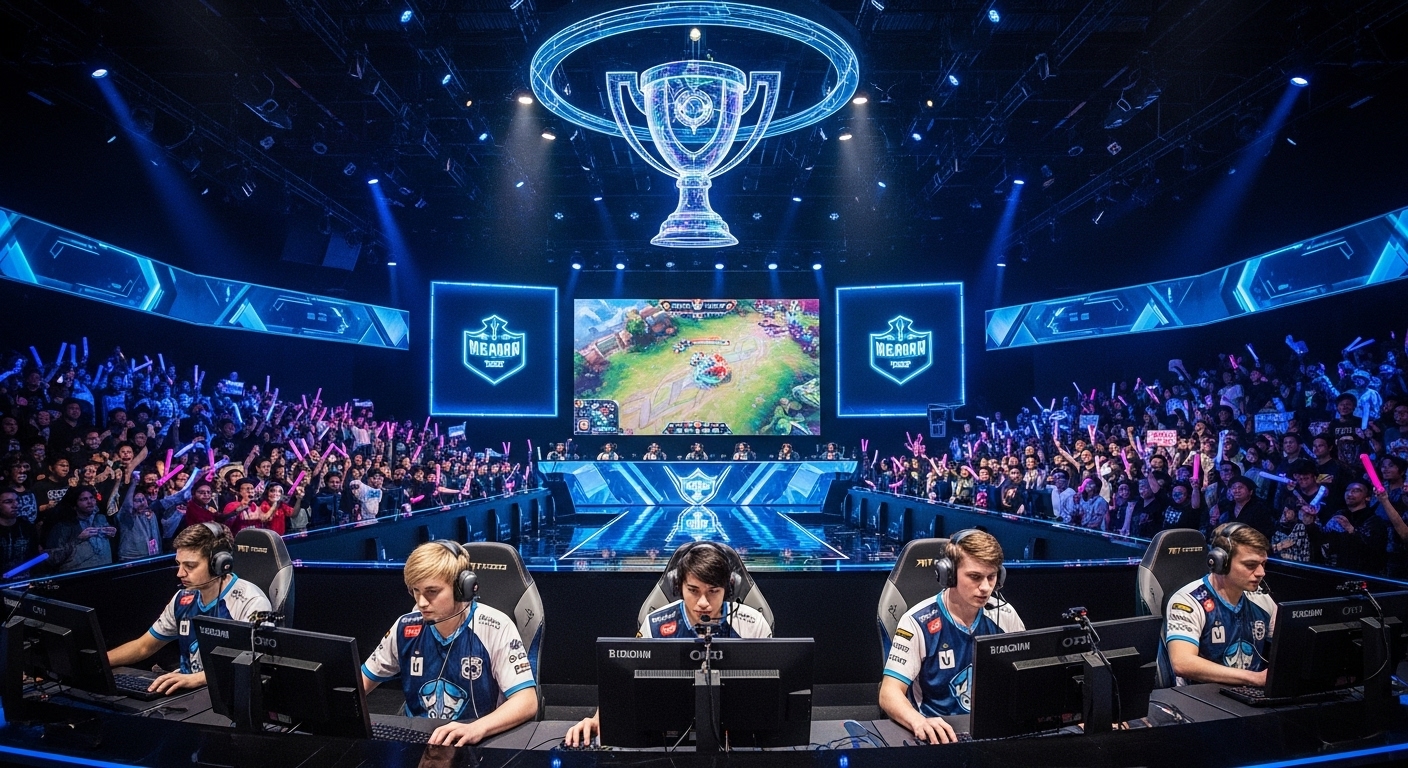
Certain games have defined the trajectory of esports. Titles like League of Legends, Dota 2, Counter-Strike: Global Offensive, and Overwatch set new standards for competitive depth and viewership. League of Legends, developed by Riot Games, built one of the most sophisticated global tournament systems, with regional leagues feeding into a World Championship that draws tens of millions of viewers annually. Dota 2, with its The International tournament, shattered records with prize pools exceeding $40 million. Meanwhile, Fortnite and PUBG brought battle royale games into the competitive spotlight, appealing to younger audiences. Each title carved its own ecosystem of teams, sponsors, and dedicated fan bases.
The Business of Esports
Esports has grown into a billion-dollar industry encompassing sponsorships, media rights, merchandise, ticket sales, and digital advertising. Major corporations—from tech giants to soft drink brands—invest heavily in tournaments and teams. Esports organizations operate like professional sports franchises, with players on salaries, transfer markets, and training facilities. Events like the League of Legends World Championship and The International rival traditional sporting events in production quality and global reach. Entire arenas are sold out within hours, and millions tune in online. The synergy between gaming companies, event organizers, sponsors, and broadcasters has turned esports into a self-sustaining ecosystem.
The Global Esports Infrastructure
One of the most remarkable aspects of esports is its international nature. Unlike traditional sports limited by geography, esports thrives across borders. Regions like North America, Europe, China, and Southeast Asia have developed their own leagues and competitive circuits. Countries invest in gaming infrastructure and training programs, seeing esports as a legitimate career path for youth. Universities now offer scholarships for esports athletes, and some governments officially recognize esports players as professional athletes. Training houses, analyst teams, and performance coaches are now as common as in any professional sport.
The Player Experience and Lifestyle
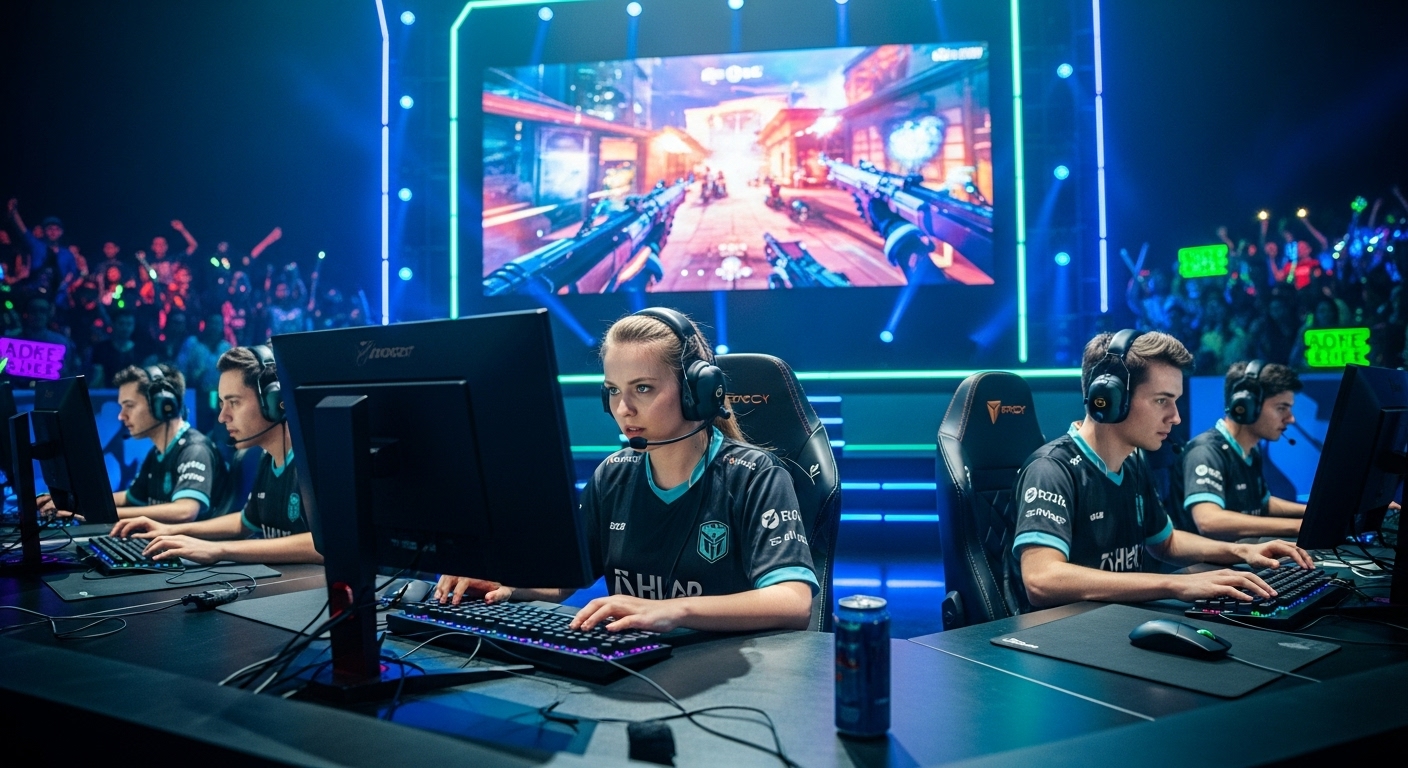
Professional esports players live intense, disciplined lives. The perception of “just playing games” is far from reality. Players often train 8–12 hours daily, analyzing strategies, scrimming with other teams, and maintaining physical and mental health. Reaction time, communication, teamwork, and decision-making are crucial skills. Unlike traditional sports where physical endurance dominates, esports demands cognitive sharpness and precision. However, burnout and mental fatigue are growing concerns in the industry. Many players retire young, often in their early 20s, due to the immense pressure and constant performance expectations.
The Role of Technology and Innovation
Esports wouldn’t exist without constant technological evolution. High-performance hardware, low-latency servers, and sophisticated game engines enable seamless competition. Advances in artificial intelligence, data analytics, and virtual reality are further reshaping the landscape. AI-driven coaching tools help analyze player behavior, predict outcomes, and optimize strategies. Cloud gaming and 5G networks promise even broader accessibility, allowing players to compete from anywhere. Meanwhile, AR and VR are creating immersive spectator experiences, potentially redefining how fans engage with esports.
Esports and Traditional Sports Convergence
The boundary between esports and traditional sports is rapidly dissolving. Major sports franchises like the NBA, NFL, and Formula 1 have established their own esports divisions. Players from traditional sports often invest in or collaborate with esports teams, recognizing the cultural and financial potential. Events like the FIFA eWorld Cup or NBA 2K League blend real-world sports with digital skill. Traditional broadcasters such as ESPN and BBC have also integrated esports into their programming, further legitimizing the field. This convergence symbolizes a broader cultural shift where digital and physical sports coexist harmoniously.
The Fan Community and Culture
The heartbeat of esports lies in its passionate community. Fans are not just spectators—they are participants, analysts, and creators. Online forums, social media, and live chat communities drive discussion, speculation, and hype. Cosplay, fan art, and memes have become integral to esports culture. Events such as BlizzCon and DreamHack celebrate this fusion of competition and creativity. Unlike many traditional sports, esports audiences are digitally native, accustomed to real-time interaction and global communication. This community-driven energy fuels constant innovation and engagement.
The Educational and Career Impact
Esports is also influencing education and career development. Universities across the world now offer degrees in esports management, game design, and broadcasting. Students learn not only about gaming mechanics but also marketing, production, and business strategy. Beyond players, the industry demands casters, event organizers, video editors, analysts, and software developers. Educational programs that integrate esports help teach teamwork, leadership, and problem-solving. Governments and schools increasingly view esports as a tool for digital literacy and youth engagement.
The Challenges and Controversies
Despite its success, esports faces significant challenges. Player burnout, performance-enhancing substances, and unethical betting have raised concerns. Regulation remains inconsistent across regions, making governance complex. Match-fixing scandals and cheating incidents damage credibility. Additionally, the inclusion of women and marginalized communities remains an ongoing struggle. Toxicity and harassment within online spaces continue to hinder diversity. Ensuring fair play, mental health support, and inclusivity are vital for the long-term sustainability of esports.
The Economic Ripple Effect
Beyond tournaments and sponsorships, esports stimulates multiple sectors of the economy. Gaming hardware companies, peripheral brands, streaming platforms, and energy drink manufacturers all benefit from the ecosystem. Local economies profit when major events are hosted, as fans travel to attend live tournaments. Job opportunities extend from event logistics to marketing and production. The digital merchandise economy—skins, emotes, and collectibles—also generates substantial revenue. Esports has proven its ability to create economic value both online and offline.
Esports in the Age of the Metaverse
As the world embraces virtual environments, esports stands at the forefront of the metaverse revolution. Competitive gaming provides a ready-made foundation for immersive, interactive worlds. Metaverse platforms envision esports arenas where fans can attend matches in virtual reality, cheer from digital stands, and interact with players in real-time. Blockchain-based economies and NFTs are beginning to merge with esports ecosystems, offering new monetization models for players and teams. The line between spectator and participant continues to blur as technology evolves.
Esports During Global Crises
The COVID-19 pandemic highlighted esports’ resilience. While traditional sports faced cancellations, esports thrived. Players could compete remotely, and tournaments adapted with online formats. Viewership surged as homebound audiences turned to digital entertainment. Esports demonstrated its adaptability and reinforced its status as the sport of the digital age. Even after the return of physical events, hybrid models combining in-person and online competition continue to define the future.
The Role of Women in Esports
Women are increasingly claiming space in esports as players, casters, and executives. Female-focused tournaments and organizations aim to create inclusive environments. However, gender disparity and online harassment remain challenges. The rise of players like Sasha “Scarlett” Hostyn and organizations promoting women’s participation symbolize progress. Esports must continue fostering diversity to reach its full potential, both in competition and leadership.
Esports and Media Representation
The portrayal of esports in mainstream media has evolved. Once mocked or dismissed, gaming is now recognized as a legitimate cultural force. Documentaries, movies, and series explore the emotional and psychological dimensions of competition. The narrative of the “gamer” has shifted from isolated individualism to community-driven success. Media coverage now treats esports events with the same reverence as traditional sporting championships, celebrating skill, strategy, and human drama.
The Future of Esports
The trajectory of esports shows no signs of slowing down. The next decade will see deeper integration with emerging technologies like artificial intelligence, augmented reality, and blockchain. Educational institutions, governments, and corporations are aligning to support this digital movement. The audience is expanding beyond Gen Z to include families and older generations. Mobile esports, particularly in Asia, continues to drive accessibility. As broadband and cloud gaming spread globally, the barriers to participation diminish further. Esports will not only redefine entertainment but also reshape how society perceives skill, teamwork, and digital culture.
Conclusion
Esports represents more than competition; it embodies the evolution of human creativity, technology, and community. From basement tournaments to sold-out arenas, it has proven that digital spaces can foster the same emotion, rivalry, and unity as physical sports. What was once a subculture is now a global movement—one that celebrates innovation, inclusivity, and connection. As the digital and physical worlds merge, esports stands as the ultimate symbol of modern entertainment’s future—a stage where the next generation of athletes plays not on fields, but on screens, inspiring millions worldwide.