




Introduction
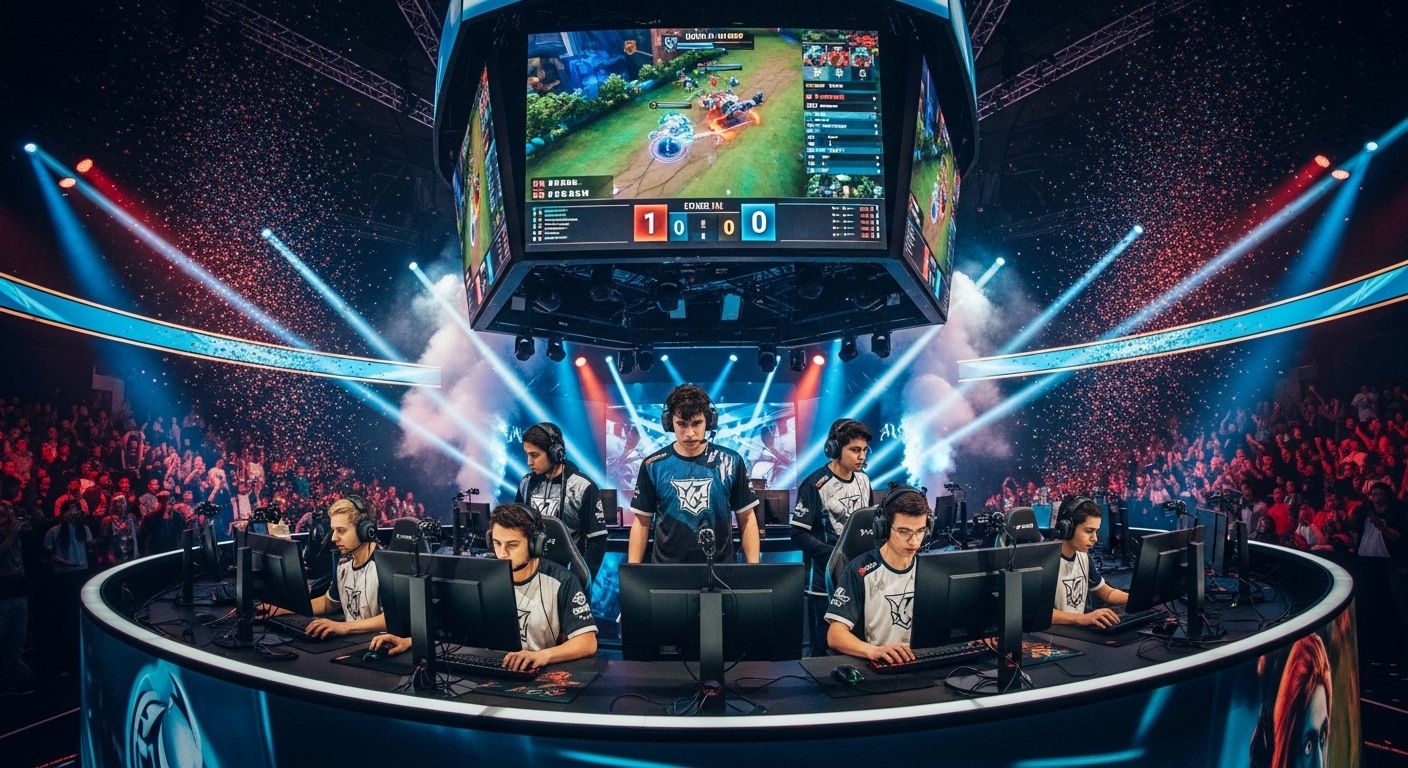
Esports, or electronic sports, has grown from a niche hobby into a global entertainment powerhouse. What began as casual multiplayer gaming has evolved into highly competitive professional tournaments with massive audiences, multimillion-dollar prizes, and a culture that rivals traditional sports. Esports combines skill, strategy, and technology to create an immersive experience for both players and fans. Its rise is not just about games; it reflects how digital culture, connectivity, and technology have transformed the way we play, compete, and engage with entertainment.
The Origins of Competitive Gaming
Competitive gaming is not a recent phenomenon. In the 1970s and 1980s, early video game tournaments were held in arcades where players competed for high scores. Games like Pong, Space Invaders, and Pac-Man attracted local competitors, and the thrill of challenge became the foundation for modern esports. The 1990s brought the advent of multiplayer PC games, with titles such as StarCraft, Quake, and Counter-Strike fostering a competitive culture online. Players began forming teams, joining leagues, and participating in structured tournaments, laying the groundwork for professional esports leagues that exist today.
The Growth of Esports as an Industry
The 2000s marked a turning point for esports as it transitioned from grassroots competitions to a formalized industry. Online streaming platforms allowed millions to watch live matches, creating global communities around games. Esports organizations formed professional teams, sponsored players, and hosted international events. Games such as League of Legends, Dota 2, and Fortnite became household names, drawing audiences in the millions.
The economic impact of esports is staggering. Sponsorships, merchandise, advertising, and media rights have transformed esports into a billion-dollar industry. Major tournaments now rival traditional sports in prize pools and viewership. This growth reflects both the increasing popularity of gaming and society’s acceptance of competitive gaming as a legitimate sport.
Popular Esports Games and Genres
Esports spans a variety of genres, each requiring unique skills and strategies. Multiplayer online battle arena (MOBA) games, such as League of Legends and Dota 2, focus on teamwork, coordination, and strategic planning. First-person shooters (FPS) like Counter-Strike: Global Offensive and Call of Duty emphasize reflexes, precision, and tactical thinking. Battle royale games such as Fortnite and PUBG combine survival instincts with strategy and adaptability.
Sports simulation games, including FIFA and NBA 2K, have also become popular in esports, allowing fans of traditional sports to compete virtually. Fighting games, real-time strategy titles, and racing simulators contribute to the diversity of the esports landscape. Each genre attracts different audiences, yet all share the common traits of skill, competition, and entertainment.
The Role of Streaming in Esports
Streaming platforms have been a crucial driver of esports’ popularity. Platforms like Twitch and YouTube Gaming allow fans to watch matches live, interact with players, and participate in community discussions. Streaming has made esports more accessible, enabling viewers from anywhere in the world to follow professional players and tournaments in real time.
Content creators and influencers further enhance engagement by providing commentary, tutorials, and entertaining gameplay. The combination of live streaming, social interaction, and digital content has created a new form of spectator experience that traditional sports are only beginning to replicate. Streaming has not only fueled esports’ growth but also transformed how audiences consume digital entertainment.
Esports Tournaments and Events
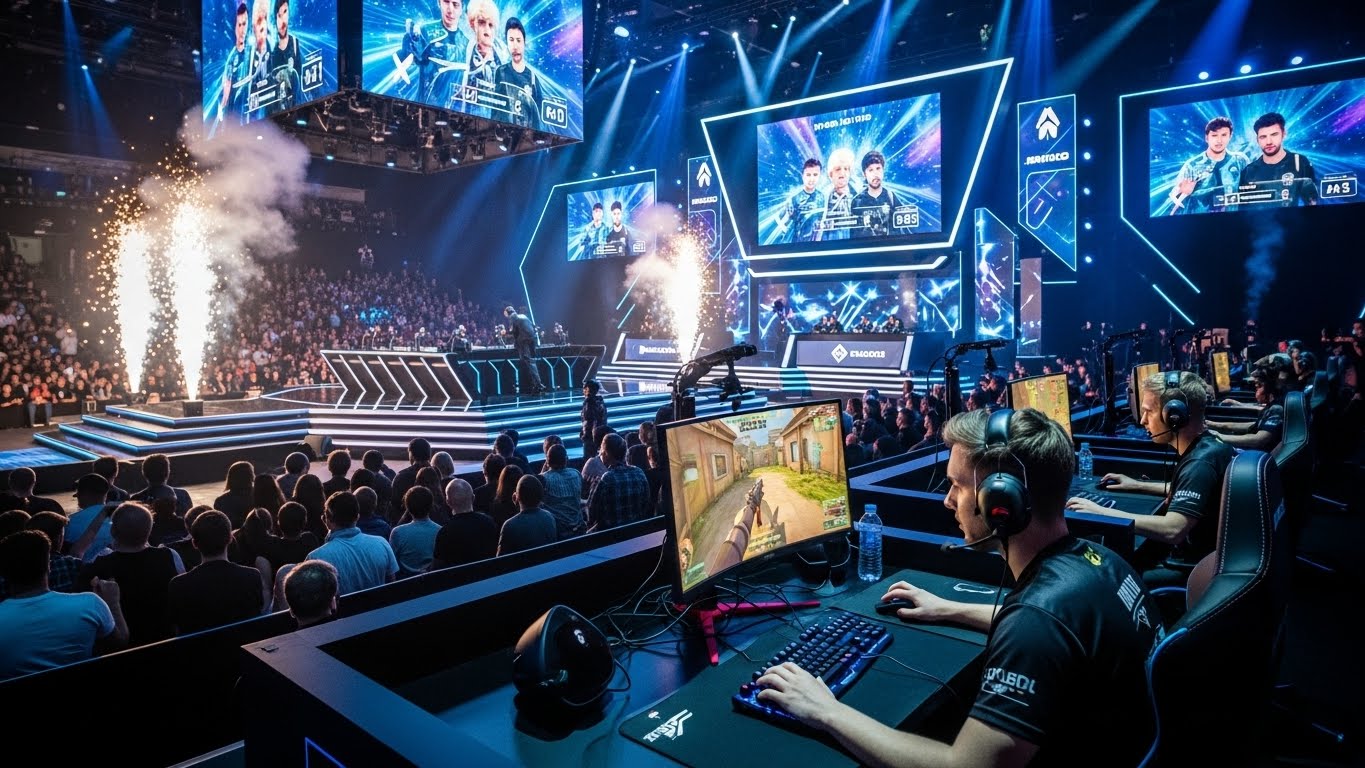
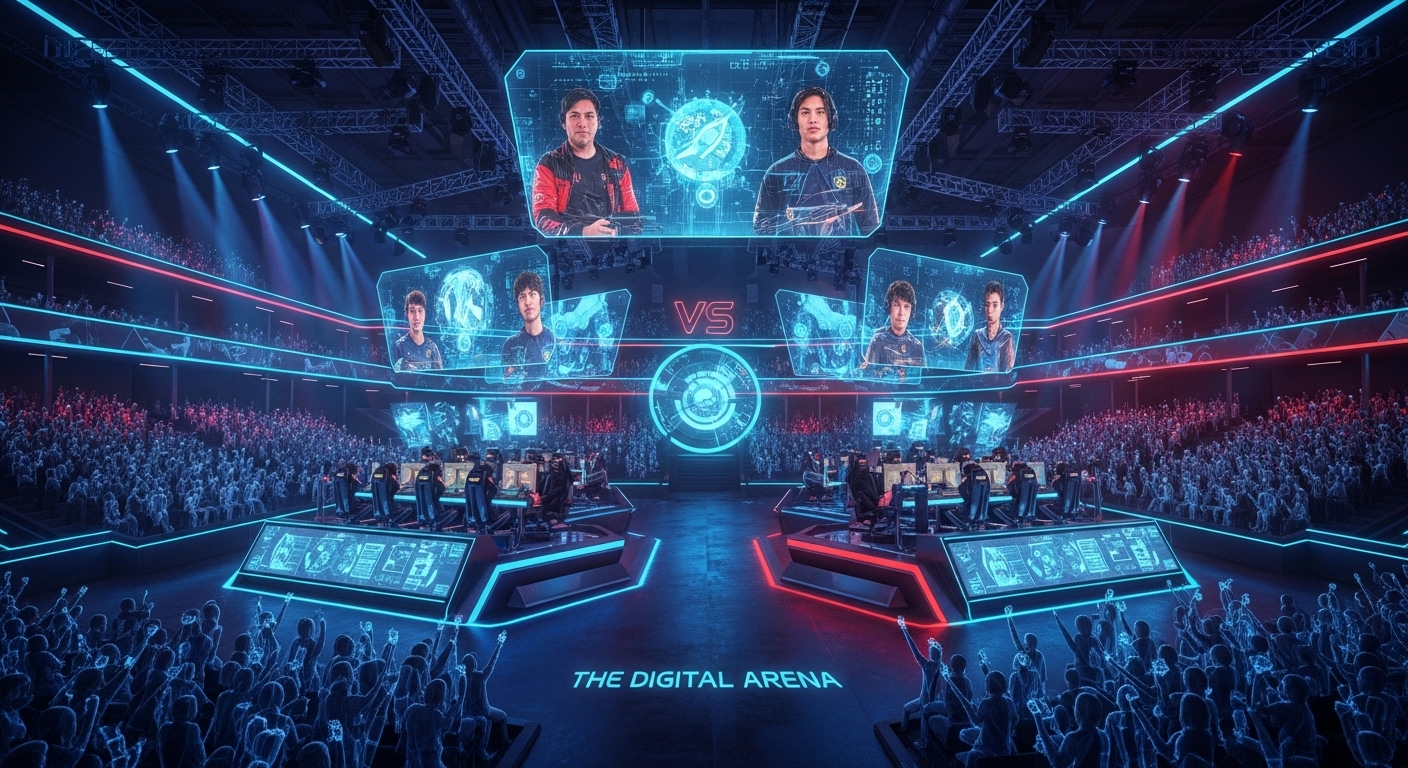
Esports tournaments are the centerpiece of competitive gaming. These events range from local competitions to massive international championships that fill stadiums and draw online audiences in the millions. Prestigious tournaments, such as The International for Dota 2 and the League of Legends World Championship, offer prize pools exceeding millions of dollars. Players train rigorously, often spending hours daily honing their skills, studying strategies, and coordinating with teammates.
These events showcase the skill, precision, and mental fortitude required to succeed in esports. Professional players are revered much like traditional athletes, with fan followings, sponsorship deals, and celebrity status. Tournaments have also become a celebration of gaming culture, featuring cosplay, fan meetups, and entertainment shows, further bridging the gap between gaming and mainstream entertainment.
The Professionalization of Esports
Esports has grown into a legitimate career path. Professional players sign contracts with organizations, receive salaries, and compete at the highest level. Teams employ coaches, analysts, psychologists, and fitness trainers to ensure peak performance. Just like in traditional sports, success in esports requires dedication, discipline, and continuous improvement.
Esports leagues around the world, including the Overwatch League, Call of Duty League, and Valorant Champions Tour, have introduced structured competition systems with regular seasons, playoffs, and championships. Universities have even started offering esports scholarships, recognizing gaming as a field that combines talent, strategy, and teamwork. This professionalization has helped legitimize esports as a serious competitive endeavor.
Esports and Technology
Technology is the backbone of esports. High-speed internet, powerful computers, and advanced gaming peripherals enable players to perform at their best. Innovations in streaming, virtual reality, and augmented reality are further enhancing the esports experience for both players and viewers. AI and data analytics are being used to analyze gameplay, improve strategies, and provide insights into player performance.
The symbiotic relationship between gaming technology and esports ensures that the industry continues to evolve. As technology advances, esports becomes more immersive, competitive, and engaging. The growth of cloud gaming and mobile esports is expanding accessibility, allowing more people to participate and watch without needing expensive equipment.
The Global Impact of Esports
Esports has become a truly global phenomenon. Professional tournaments are hosted across continents, and players often travel internationally to compete. Countries like South Korea, China, and the United States have become esports hubs, producing top-tier players and hosting major leagues. Esports transcends language and culture, uniting millions of fans worldwide through shared passion for gaming.
The cultural impact of esports extends beyond competition. It has inspired music, fashion, and entertainment collaborations. Gaming conventions and expos celebrate esports alongside other aspects of pop culture. The influence of esports on youth culture, digital communities, and even education highlights its significance in shaping modern society.
The Challenges of Esports
Despite its growth, esports faces several challenges. Professional players often endure intense pressure, long hours, and high expectations, leading to mental and physical strain. Burnout is a common issue, and player health must be prioritized. Cheating, doping, and online toxicity are also concerns that the industry continues to address.
Regulation and standardization remain evolving areas. Unlike traditional sports, esports spans multiple games and platforms, making governance complex. Organizations, developers, and governments must collaborate to ensure fair competition, player safety, and sustainable growth. Addressing these challenges is crucial for esports to maintain credibility and long-term success.
The Future of Esports
The future of esports is bright, with opportunities for expansion and innovation. Mobile esports is gaining traction, making competitive gaming accessible to millions of smartphone users. Virtual reality tournaments may redefine immersive competition, while AI-driven training tools will enhance player performance. Sponsorship, broadcasting, and media partnerships are likely to continue growing, attracting mainstream attention and investment.
Esports may also integrate further with traditional sports, entertainment, and education. Schools and universities are establishing esports programs, recognizing its potential to teach teamwork, strategy, and digital literacy. The industry is moving toward sustainability, inclusivity, and professional growth, solidifying its place as a legitimate and influential part of global culture.
Conclusion
Esports has transformed from casual gaming into a global phenomenon that rivals traditional sports in skill, passion, and audience engagement. It is a blend of technology, strategy, and entertainment that reflects the evolution of modern digital culture. With professional players, international tournaments, and millions of fans worldwide, esports is more than a pastime—it is a lifestyle, a career, and a cultural movement.
As technology continues to advance and accessibility improves, esports will only grow in influence and reach. It demonstrates how digital innovation can redefine competition, community, and entertainment. The rise of esports shows that the world of gaming is not just about playing; it is about connecting, inspiring, and shaping the future of global entertainment.