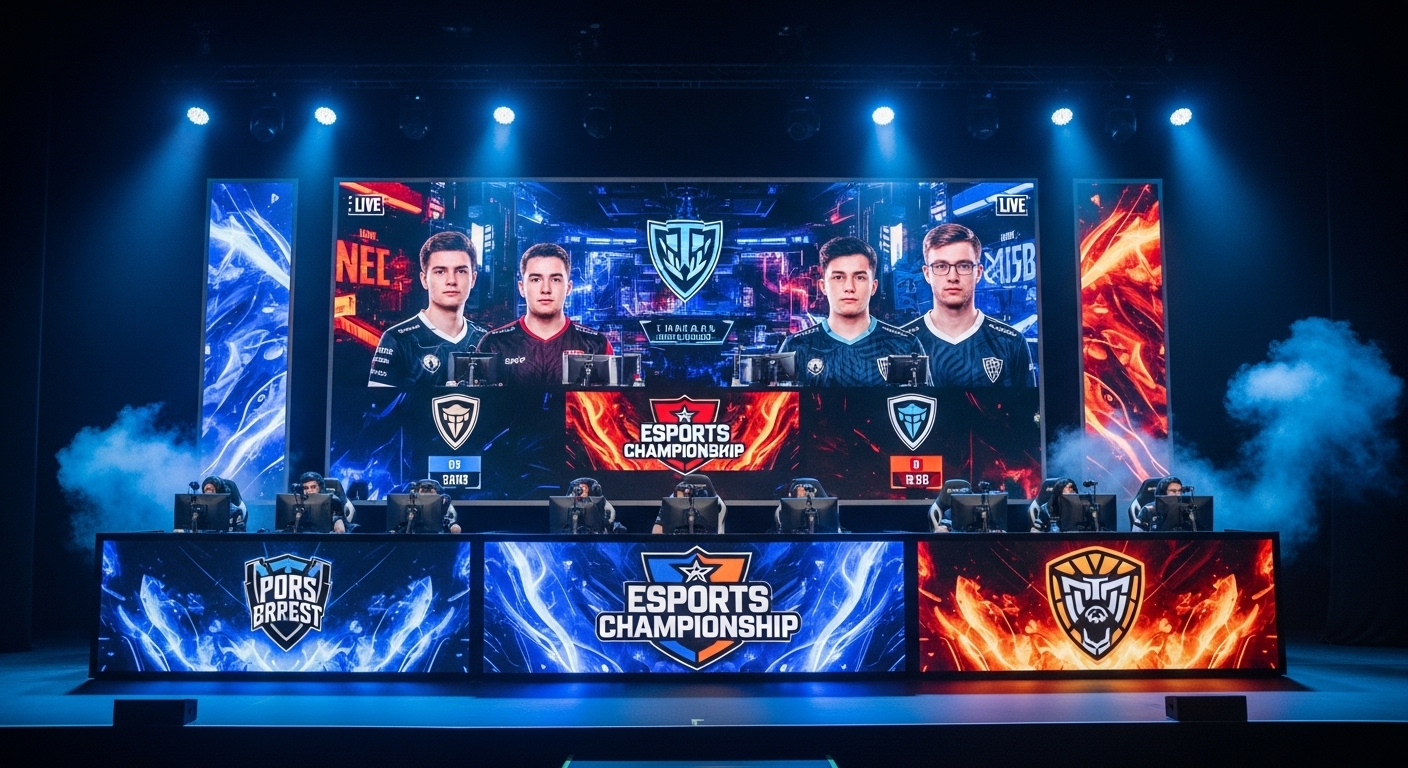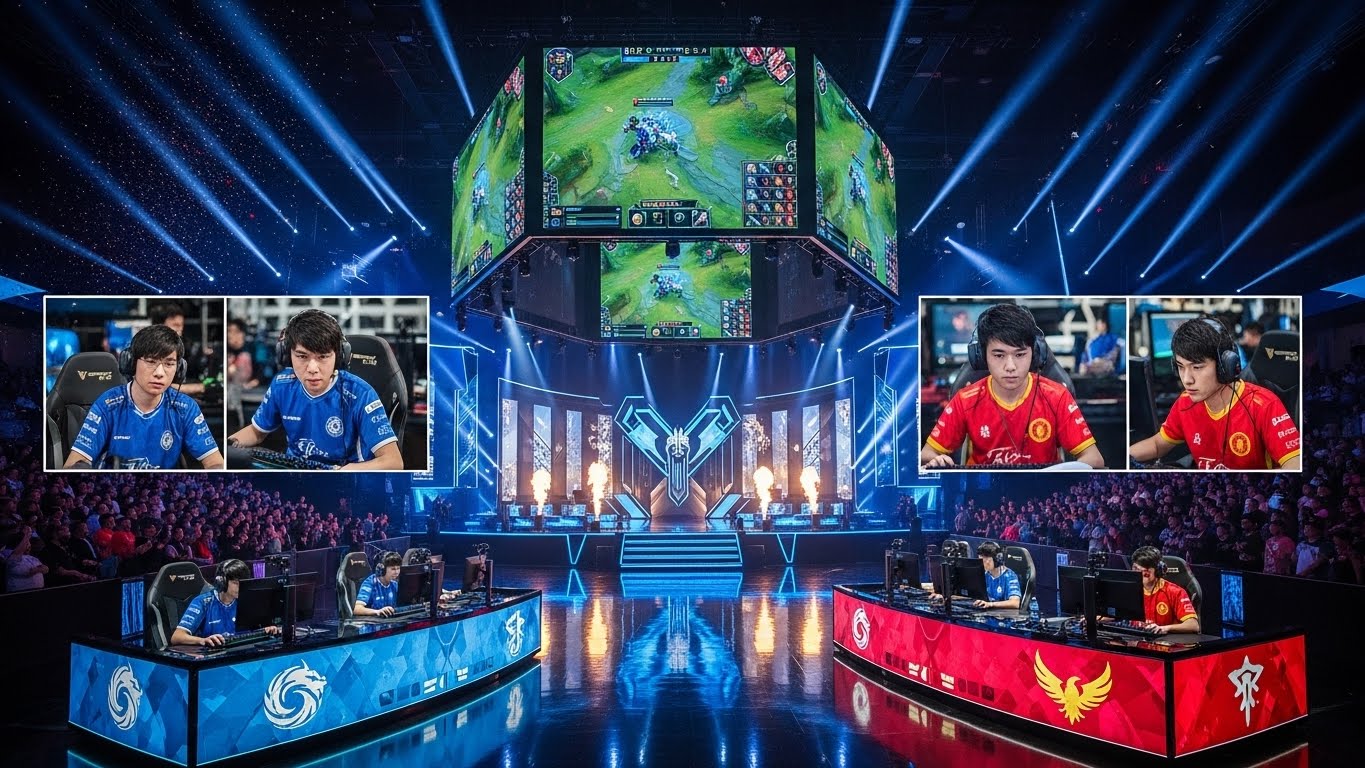






In the last decade, a cultural shift has taken place in the world of entertainment, with esports rising from a niche hobby to a global phenomenon. What was once considered a fringe activity, primarily enjoyed by dedicated gamers, is now a mainstream form of entertainment with a massive following. Esports, or competitive video gaming, is now a billion-dollar industry, attracting millions of fans, sponsors, and professional players. From packed arenas and televised tournaments to sponsorship deals and career opportunities, esports is reshaping the way we think about sports, entertainment, and digital culture. In this blog post, we will explore the growth of esports, its impact on the gaming world, and what the future holds for this rapidly expanding industry.
The Origins of Esports: From LAN Parties to Global Phenomenon
The history of esports dates back to the early days of competitive gaming, long before it became the massive industry it is today. In the 1990s, video games began to evolve from simple arcade games into more complex, multiplayer experiences. Early titles such as Doom, Quake, and StarCraft provided the foundation for what would later become a thriving esports scene.
In those early days, competitive gaming took place in local-area network (LAN) parties, where players gathered in person to compete against one another. These events were often small and informal, but they laid the groundwork for the larger competitive gaming landscape that would follow. By the early 2000s, esports tournaments started to gain traction, particularly in South Korea, where StarCraft became a national obsession. It was here that esports first began to resemble the structure of traditional sports, with professional players, commentators, and even television broadcasts.
The real turning point came in the mid-2000s when platforms like Twitch and YouTube emerged, allowing gamers to broadcast their gameplay to a global audience. This brought a new level of visibility to competitive gaming, and esports began to develop into a legitimate industry with sponsors, prize money, and global fanbases.
The Growth of Esports: A Billion-Dollar Industry
Fast forward to today, and esports is no longer just a hobby for gamers—it’s a full-fledged industry that rivals traditional sports in terms of viewership, revenue, and cultural impact. The global esports industry is estimated to be worth over a billion dollars, with millions of fans tuning in to watch live-streamed tournaments and events. Major games like League of Legends, Dota 2, Counter-Strike: Global Offensive, and Fortnite have become household names, with each boasting dedicated competitive scenes, professional leagues, and multi-million dollar prize pools.
The 2010s saw explosive growth in esports, with major tournaments being held in massive arenas and broadcast on national television. The League of Legends World Championship, for example, regularly attracts tens of millions of viewers, with the 2019 finals drawing over 100 million viewers worldwide. The rise of streaming platforms like Twitch, which specializes in live streaming video game content, has also played a key role in boosting esports’ popularity.
As esports became more mainstream, corporate sponsors, including big-name brands like Coca-Cola, Intel, and Red Bull, began to invest in the industry, bringing in significant revenue and increasing the legitimacy of esports as a global entertainment platform. Esports organizations and teams started attracting professional players, coaches, analysts, and broadcasters, turning esports into a viable career path for talented gamers.
Esports as a Career: The Professionalization of Gaming
One of the most significant changes in the esports landscape is the increasing professionalization of the industry. What was once a community of casual players has now become a full-fledged, career-driven ecosystem. Players are no longer just hobbyists; they are professional athletes who train, compete, and earn a living from their skills in competitive gaming.
The career opportunities in esports are vast and varied. While professional players are the most visible aspect of the industry, there are also jobs for coaches, analysts, broadcasters, event organizers, marketers, and content creators. Esports organizations, such as Team Liquid, Cloud9, and FaZe Clan, have become major players in the entertainment and sports sectors, signing players to multi-million dollar contracts and managing their careers as they would professional athletes in traditional sports.
In addition to team-based competitions, esports players can also earn money through streaming, sponsorships, and merchandise sales. Platforms like Twitch and YouTube Gaming have given gamers the opportunity to build personal brands and earn income by streaming their gameplay to fans. Popular streamers can make millions of dollars annually through a combination of subscriptions, donations, ad revenue, and sponsorship deals.
The rise of esports as a career path has also led to the development of esports scholarships and collegiate leagues, allowing aspiring players to continue their education while pursuing professional gaming. Universities around the world now offer esports programs, where students can compete in collegiate tournaments and gain the skills necessary to succeed in the esports industry.
The Esports Ecosystem: Games, Teams, and Tournaments
Esports is not a one-size-fits-all industry. It encompasses a diverse range of games, each with its own competitive scene, rules, and fanbase. From first-person shooters (FPS) like Call of Duty and Overwatch to multiplayer online battle arena (MOBA) games like Dota 2 and League of Legends, esports offers a wide variety of genres and gameplay experiences for both players and spectators.
The structure of esports competitions is also diverse, with tournaments ranging from local LAN events to massive global championships. These events are often organized by game developers, esports organizations, or independent event organizers, and they can be held online or in physical arenas. The International Dota 2 Championship, for example, is one of the most prestigious esports tournaments in the world, with prize pools reaching tens of millions of dollars. In contrast, games like Fortnite and Apex Legends have also introduced unique, one-off events and celebrity charity matches that attract massive viewership.
Esports leagues have become another central aspect of the industry. Much like traditional sports leagues such as the NFL or NBA, esports leagues feature professional teams that compete in a series of matches to determine the champion. League of Legends boasts one of the most established esports leagues, with regional leagues in North America, Europe, Korea, and China feeding into a global championship each year. The Overwatch League is another example of a major esports league, with teams from cities around the world competing in a season-long format.
The success of these leagues has further cemented esports’ place in the mainstream entertainment world. Major television networks, such as ESPN, have even begun to broadcast esports events, and traditional sports media outlets now cover esports as part of their regular programming.
The Esports Audience: Global Fans and Community
The esports fanbase is one of the most engaged and passionate in the world. Unlike traditional sports fans who often support teams based on geographic location, esports fans tend to follow specific games or players, creating a global and diverse community. Esports events draw millions of viewers, with online streaming platforms like Twitch, YouTube Gaming, and Facebook Gaming allowing fans to watch live matches, interact with players, and even participate in the events themselves.
One of the unique aspects of esports is the sense of community that surrounds it. Fans can engage with their favorite players, watch behind-the-scenes content, and interact with other fans through social media and online forums. The ability to communicate directly with players and teams, coupled with the accessibility of live streaming, has helped create a global fan culture that spans all continents.
Esports fans are also highly active in supporting the industry through merchandise purchases, team sponsorships, and event attendance. The rise of fan-driven initiatives like crowdfunding and fan voting has allowed fans to play a more active role in shaping the direction of esports tournaments and team dynamics.
Esports and Traditional Sports: A New Frontier of Competition
As esports continues to grow, there is increasing crossover between the world of competitive gaming and traditional sports. Some traditional sports organizations are beginning to invest in esports, recognizing the growing popularity of the industry and its potential to attract younger audiences.
For example, the NBA has partnered with NBA 2K, a basketball simulation game, to create an official esports league known as the NBA 2K League. This partnership has allowed professional basketball teams to field esports teams that compete in NBA 2K tournaments, creating a unique crossover between virtual and real-world sports. Similarly, soccer organizations like FIFA and the English Premier League have developed their own esports leagues and tournaments, bringing a digital dimension to the traditional sport.
Esports has also started to attract former traditional athletes, who see the potential for crossover opportunities. Many professional athletes, such as soccer star David Beckham and basketball legend Shaquille O’Neal, have invested in esports organizations and teams, recognizing the value in tapping into the growing esports market.
The Future of Esports: Innovation, Expansion, and Globalization
The future of esports is bright, with continued growth and innovation on the horizon. As technology continues to advance, we can expect new developments in virtual reality, augmented reality, and cloud gaming, all of which will further enhance the esports experience. The integration of AI-driven tools and analytics will also revolutionize the way teams train, strategize, and compete, pushing the boundaries of what’s possible in competitive gaming.
Esports will also continue to expand globally, with more regions and countries developing their own competitive scenes. The increasing involvement of traditional sports organizations and media outlets will help to raise the profile of esports and attract even more mainstream attention. As the audience for esports grows, so too will the opportunities for professional players, teams, and sponsors to capitalize on the booming industry.