




Introduction
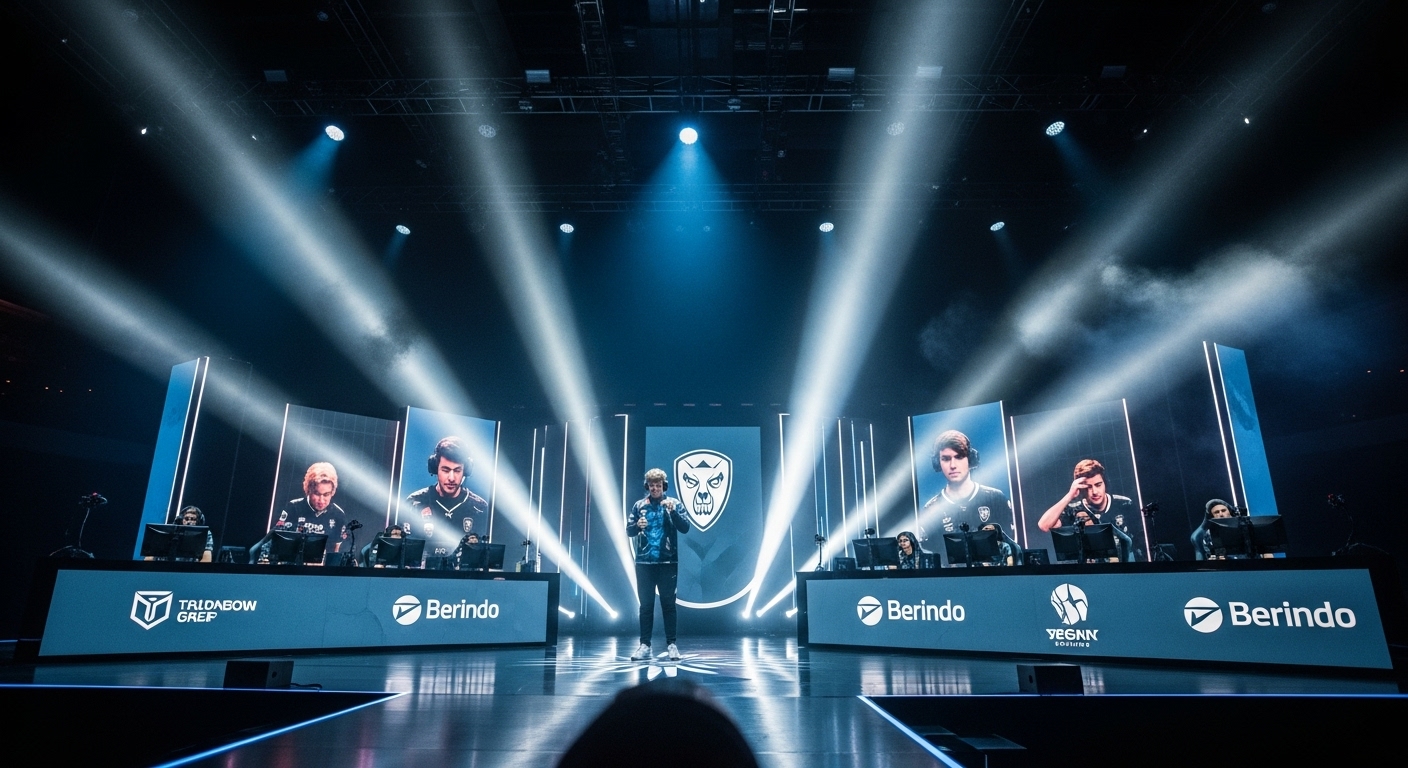
Esports, or electronic sports, has transformed the way we perceive gaming and entertainment. Once considered a niche hobby for a small group of dedicated players, esports has evolved into a global industry that rivals traditional sports in viewership, revenue, and cultural impact. With professional leagues, international tournaments, and millions of passionate fans, competitive gaming has become a serious and influential form of entertainment. This blog delves into the evolution of esports, its professional ecosystem, cultural significance, and the future of this rapidly growing phenomenon.
The Origins of Esports
Esports did not appear overnight. Its roots trace back to the early days of video gaming, when arcade tournaments and local competitions were the norm. In the late 1970s and 1980s, games like Space Invaders and Pac-Man became popular platforms for competitive play. These early competitions focused on high scores and local bragging rights, but they laid the foundation for organized gaming communities.
The 1990s marked a turning point with the emergence of competitive multiplayer games like Street Fighter, Quake, and StarCraft. Players formed dedicated teams, practiced extensively, and traveled to tournaments to prove their skills. The rise of the internet further accelerated esports, allowing players to connect and compete globally. Online competitions expanded the reach of gaming and transformed it from a local hobby into a worldwide community-driven activity.
The Professionalization of Esports
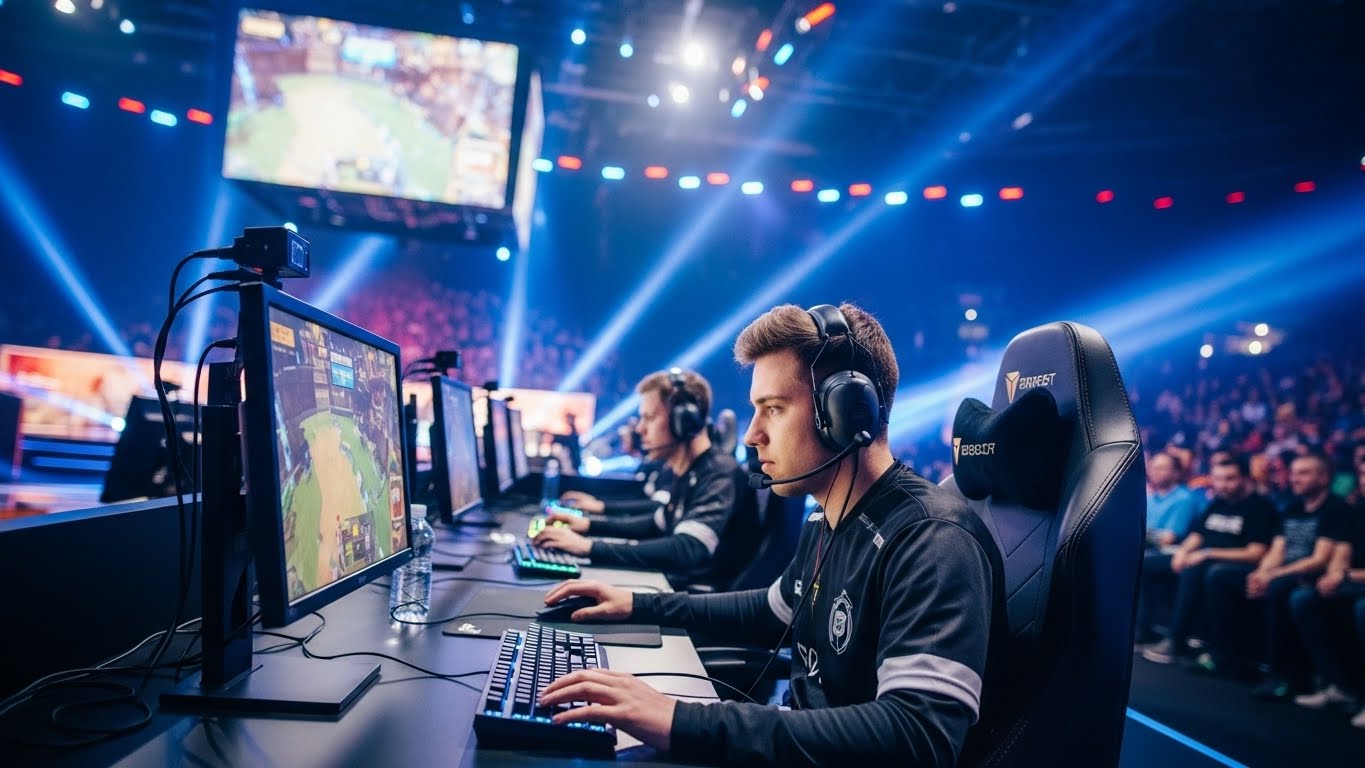
Modern esports is highly structured and professionalized. Professional teams operate much like traditional sports organizations, complete with coaches, analysts, managers, and support staff. Players dedicate countless hours to training, strategy development, and team coordination. Professional esports is not just about individual skill but also about teamwork, communication, and mental endurance.
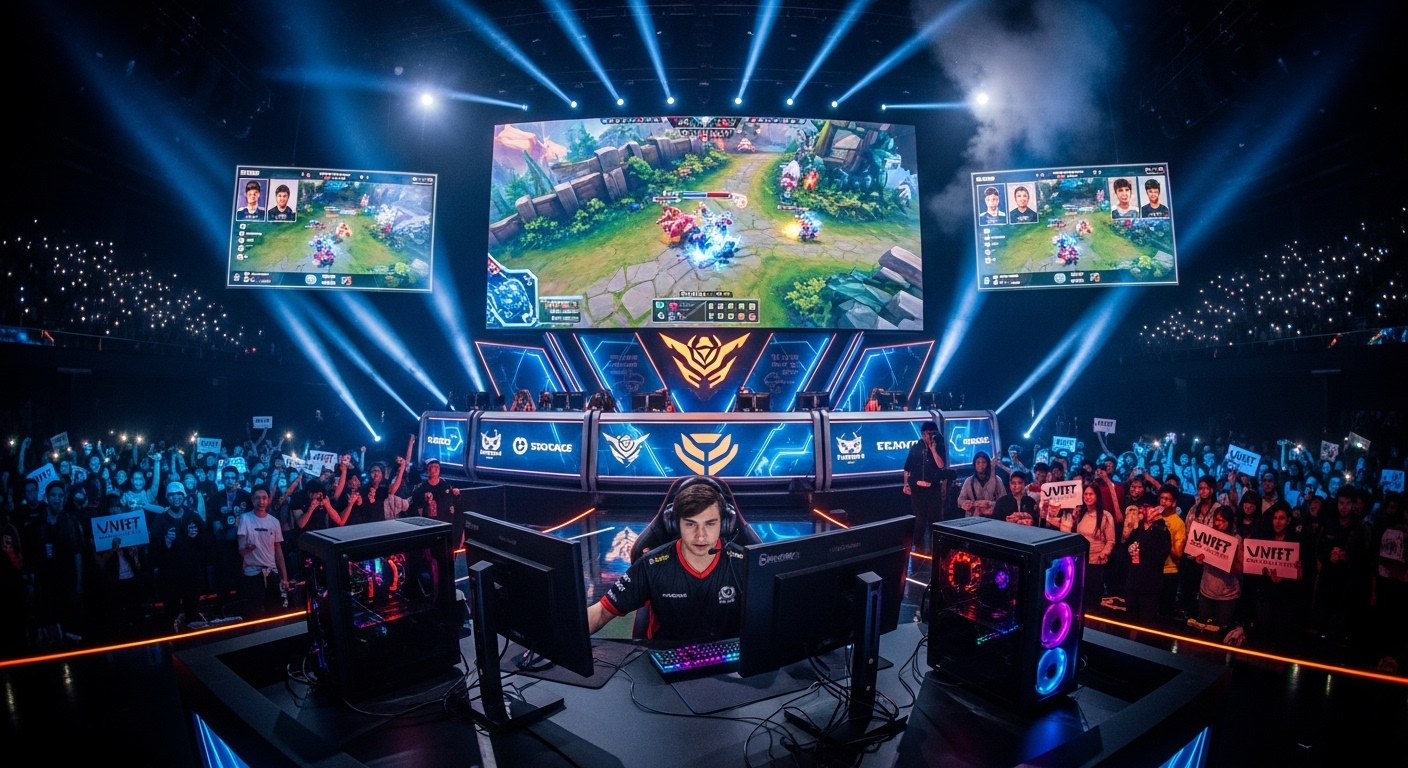
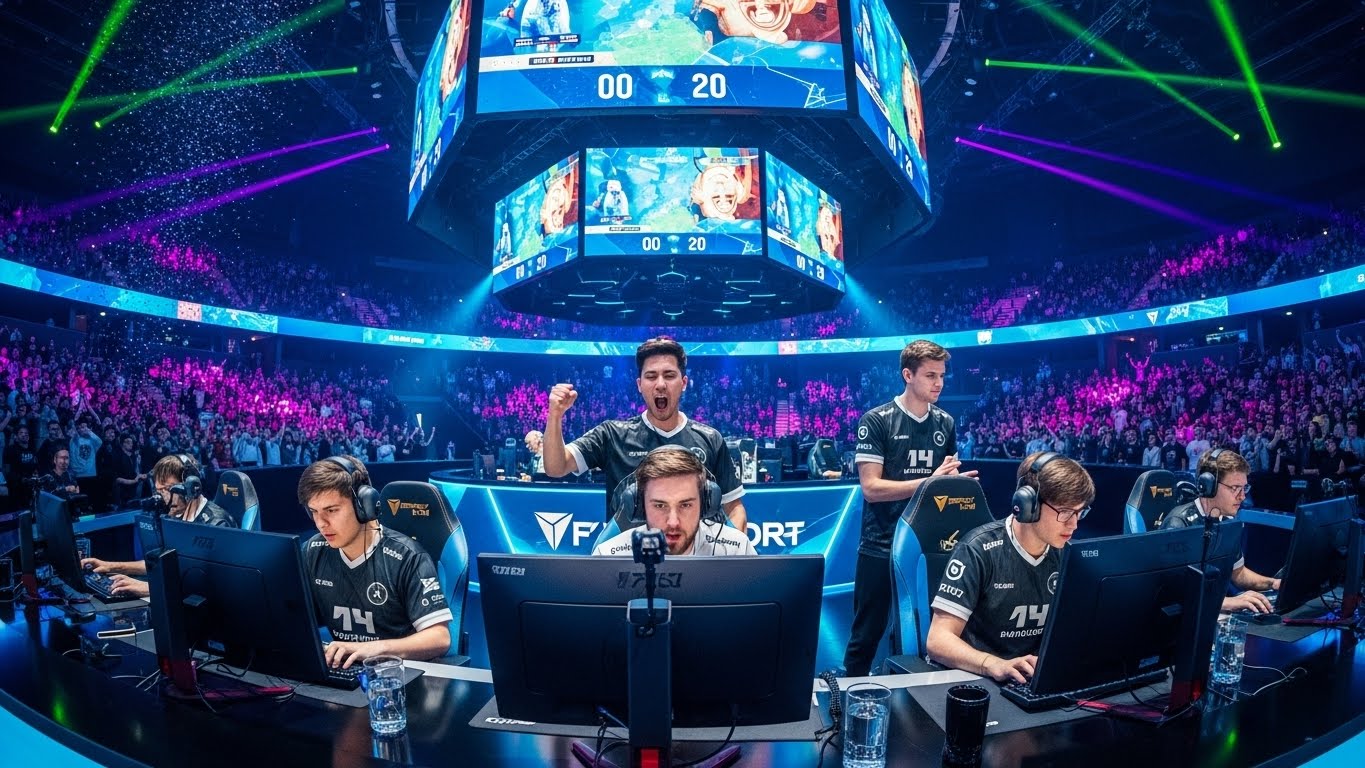
Esports tournaments now attract thousands of live spectators and millions of online viewers. Major competitions such as League of Legends World Championship, Dota 2’s The International, and Counter-Strike Global Offensive Majors offer multi-million-dollar prize pools. Sponsorships, media rights, and merchandise sales have created a lucrative ecosystem where professional players can earn substantial incomes, making competitive gaming a legitimate career path.
Popular Esports Titles and Genres
Esports encompasses a wide variety of game genres, each offering unique challenges and appeal. Multiplayer Online Battle Arena games, such as League of Legends and Dota 2, are known for strategic depth and team coordination. First-Person Shooters like Counter-Strike: Global Offensive and Valorant emphasize reflexes, accuracy, and tactical planning. Sports simulations, including FIFA and NBA 2K, cater to fans of traditional sports seeking virtual competition.
Each genre attracts different audiences and fosters unique competitive strategies. This diversity allows esports to reach a wide range of players and fans while continuously innovating gameplay mechanics and tournament formats.
The Role of Streaming in Esports Growth
Streaming platforms have been instrumental in the rise of esports. They allow fans to watch live matches, interact with content, and engage with their favorite players in real-time. This accessibility has democratized viewership, enabling millions worldwide to follow competitive gaming without relying on traditional television broadcasts.
Professional esports broadcasts have evolved into fully produced entertainment experiences. Commentators provide play-by-play analysis, analysts explain strategies, and live graphics enhance understanding. The combination of competition and production value makes esports exciting, informative, and engaging for both dedicated fans and casual viewers.
Esports Communities and Fandom
Community engagement is central to esports culture. Online forums, social media platforms, and fan-created content foster collaboration and connection among enthusiasts. Fans share strategies, artwork, highlights, and commentary, amplifying the impact and reach of competitive gaming.
Communities also influence the development of esports. Game developers monitor feedback, adjust gameplay, and organize events that resonate with fans. This feedback loop strengthens the bond between players, creators, and audiences, ensuring esports remains dynamic, responsive, and inclusive.
The Business of Esports
Esports has become a major economic force. Revenue streams include sponsorships, advertising, ticket sales, merchandise, and media rights. Major brands across technology, fashion, and consumer goods invest in esports to reach engaged and digitally active audiences.
Esports organizations have diversified business models, creating gaming academies, producing digital content, and selling branded merchandise. This commercial ecosystem ensures sustainability while supporting professional players and promoting the growth of competitive gaming worldwide.
Esports and Education
Esports has also entered the educational sphere. Universities and colleges now offer esports programs, scholarships, and competitive teams. These programs teach teamwork, leadership, strategic thinking, and digital literacy while providing students with opportunities to develop careers in gaming-related industries.
Collegiate esports leagues mirror professional structures, creating a pathway from amateur play to professional competition. This integration of esports into education highlights its recognition as a legitimate and valuable activity for skill development and career preparation.
Health, Wellness, and Professional Training
Professional esports players face intense schedules, requiring focus, discipline, and mental resilience. Organizations now emphasize health and wellness, providing support in areas such as physical fitness, nutrition, and mental health. Sports psychologists and physical trainers help players maintain peak performance while preventing burnout and injuries.
This focus on holistic wellness demonstrates that esports is not only about gaming skill but also about maintaining a balanced and sustainable professional lifestyle. The demands of competitive gaming require discipline, strategy, and endurance comparable to traditional sports.
Cultural Impact of Esports
Esports has a significant cultural influence. It shapes fashion, music, and digital trends while inspiring new forms of creative expression. Players and teams often become cultural icons, influencing social media, content creation, and entertainment beyond gaming.
The industry is also promoting inclusivity. Women, LGBTQ+ individuals, and players from diverse backgrounds are increasingly visible in competitive gaming. This diversity challenges stereotypes and ensures esports is a space where talent and passion matter more than identity.
The Future of Esports
The future of esports is full of opportunities and innovation. Virtual reality, augmented reality, and artificial intelligence are likely to transform gameplay and spectator experiences. Persistent digital worlds may allow fans to interact in real-time with competitions, players, and other fans, creating fully immersive experiences.
Esports may also intersect with other entertainment sectors, including music, cinema, and social media. This cross-industry collaboration could result in hybrid experiences that combine gaming, live events, and interactive storytelling, further expanding the cultural relevance of esports.
Conclusion
Esports has evolved from casual video game competitions into a global industry that combines skill, strategy, technology, and community. It is a professional arena, a cultural phenomenon, and a source of entertainment for millions worldwide. From major tournaments and professional leagues to collegiate programs and fan communities, esports continues to grow in scope and influence.
As the industry evolves, esports will continue to shape the way we play, watch, and engage with digital entertainment. Its impact is far-reaching, redefining competition, creativity, and connection in the modern era. Esports is no longer just a game; it is a testament to human innovation, passion, and the power of digital culture.