




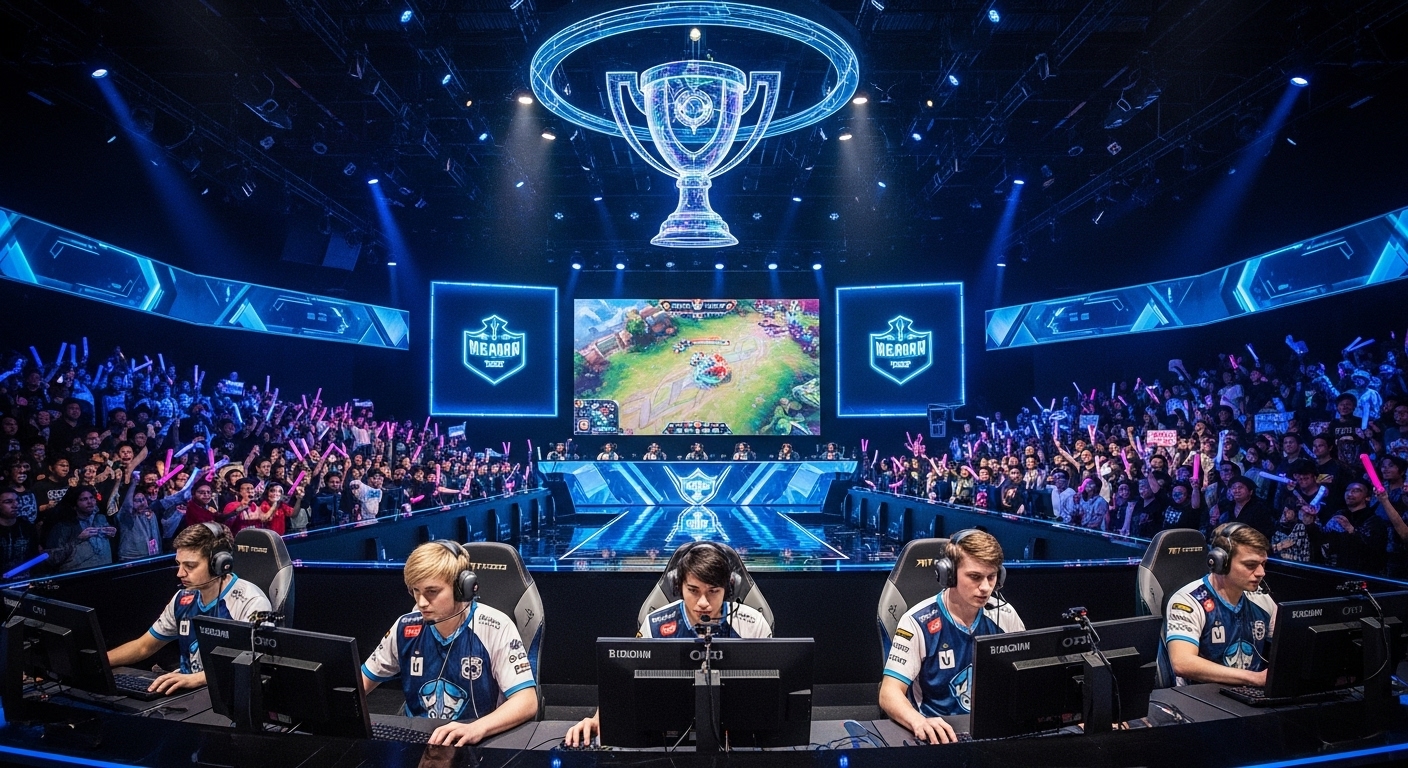
Esports, or electronic sports, has emerged as one of the most exciting and rapidly growing industries in the world today. What began as a niche activity for gamers has blossomed into a global phenomenon, with millions of viewers, professional players, and lucrative sponsorship deals. From high-stakes tournaments with prize pools worth millions to the rise of streaming platforms and online communities, esports is now a legitimate form of entertainment that rivals traditional sports in terms of audience size, engagement, and cultural significance. In this blog post, we will explore the rise of esports, its impact on the gaming industry, and what the future holds for this thrilling and dynamic field.
The Origins of Esports: From Arcade Games to Professional Tournaments
The history of esports dates back to the early days of video gaming when players would compete against each other in arcades or at local LAN parties. In the 1980s and 1990s, video games like Space Invaders, Street Fighter, and Quake began to garner a competitive following. The first major tournament in esports history took place in 1980 when Atari hosted the Space Invaders Championship, where players competed for a grand prize. While this event was modest in scale, it set the foundation for what would eventually become a global competitive scene.
As video games became more sophisticated in the 1990s, the concept of online multiplayer gaming took off. Games like StarCraft, Quake, and Counter-Strike allowed players to compete with others from around the world in real-time. In Korea, StarCraft became a cultural phenomenon, with professional leagues and tournaments emerging as early as the late 1990s. These early competitions were broadcast on television, marking the first time that esports events were given mainstream media attention.
The Evolution of Esports: The Growth of Professional Leagues
As the 2000s progressed, esports continued to grow in both popularity and sophistication. The rise of online gaming platforms such as Battle.net and Steam enabled players to connect and compete against each other from virtually anywhere. This shift helped esports grow from local LAN parties into large-scale international competitions.
One of the pivotal moments in esports history came in 2011 when the League of Legends World Championship was held for the first time. League of Legends, developed by Riot Games, would go on to become one of the most popular and widely played games in the world. The first LoL World Championship had a relatively modest prize pool of $100,000, but the event’s success demonstrated the potential for esports to attract a large audience. In 2013, the tournament’s prize pool increased to $2 million, and in the years since, League of Legends has consistently attracted millions of viewers to its annual World Championship, with prize pools regularly surpassing $10 million.
At the same time, other games such as Dota 2, Counter-Strike: Global Offensive, Overwatch, and Fortnite were also gaining traction in the esports scene. In particular, Dota 2‘s The International tournament, organized by Valve, set a new benchmark for esports prize pools. The 2018 edition of The International had a prize pool of over $25 million, making it one of the largest in sports history.
Esports and Streaming: The Role of Platforms like Twitch
As esports events gained popularity, so did the rise of streaming platforms, which provided a way for players to broadcast their gameplay to a global audience. The most notable platform in this space is Twitch, which was founded in 2011 and quickly became the go-to destination for live streaming video game content. Twitch allowed professional gamers to build personal brands, interact with fans, and create a new form of entertainment that combined gaming and social interaction.
Twitch has played a pivotal role in making esports more accessible to a global audience. The platform allowed fans to watch live tournaments, follow their favorite players, and even participate in the chat, making it possible to build a sense of community around esports events. With millions of viewers tuning in to watch tournaments, Twitch and similar platforms have helped to elevate esports from a niche subculture to a mainstream form of entertainment.
The rise of streaming also created a new wave of influencers and content creators. Popular streamers such as Ninja, Shroud, and Pokimane built massive followings on Twitch, attracting sponsorships and endorsement deals from major brands. This trend has not only boosted the visibility of esports but has also created opportunities for gamers to turn their passion into full-time careers.
The Business of Esports: Sponsorships, Merchandise, and Media Rights
Esports is no longer just about the players—it’s also a thriving business with multi-million dollar sponsorships, merchandise sales, and media rights deals. Major brands like Intel, Coca-Cola, Nike, and Red Bull have recognized the potential of esports to reach young, tech-savvy audiences and have partnered with teams and tournaments to promote their products and services. Sponsorships in esports have become a key revenue stream, with companies paying top dollar to have their brands associated with the most popular teams and events.
In addition to sponsorships, esports teams and organizations have become increasingly professionalized. Organizations like Cloud9, Team Liquid, T1, and FaZe Clan have become household names, attracting top-tier talent and building dedicated fan bases. These organizations often field multiple teams across different games, creating a diverse and dynamic ecosystem. The business of esports is also supported by merchandise sales, with fans purchasing team jerseys, apparel, and accessories to show their support for their favorite players.
Media rights are another important revenue stream in the esports industry. As esports events draw large, engaged audiences, broadcasters and streaming platforms have started to pay for the rights to air tournaments and competitions. For example, the League of Legends World Championship is broadcasted on major platforms such as YouTube, Twitch, and even traditional television networks in some regions. This has helped to bring esports to mainstream audiences, elevating the industry to the level of traditional sports in terms of visibility and revenue generation.
The Cultural Impact of Esports: From Gaming to Global Phenomenon
Esports has become more than just a form of entertainment; it has evolved into a global cultural phenomenon. It has united people from different parts of the world, transcending geographical and language barriers. Major esports tournaments such as the League of Legends World Championship, The International, and CS:GO Major Championships attract fans from all over the globe who come together to celebrate their shared passion for gaming.
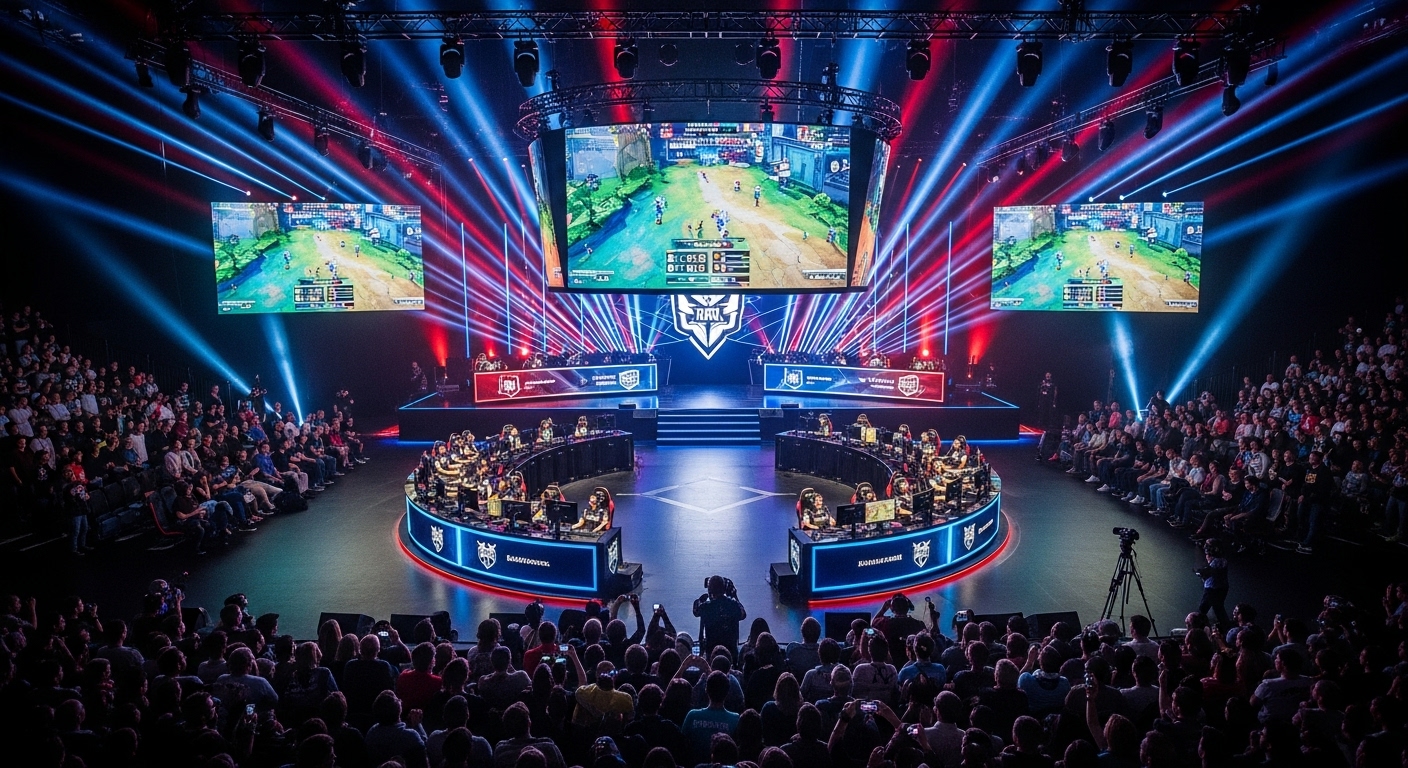
Esports has also sparked the creation of esports-specific arenas, with venues like the Esports Arena in Las Vegas and the Blizzard Arena in Los Angeles providing dedicated spaces for tournaments, training, and fan engagement. These arenas offer fans a chance to watch live competitions in person, adding a layer of excitement and engagement to the esports experience.
In addition to its global reach, esports has also made its way into mainstream media, with coverage of major tournaments appearing on sports networks and even being featured in the Olympics as a demonstration sport. The recognition of esports as a legitimate form of entertainment has given it a level of cultural acceptance that was previously reserved for traditional sports.
The Future of Esports: Growing Audiences and Technological Innovations
The future of esports looks incredibly bright, with continued growth in terms of both viewership and revenue. As esports becomes more integrated into mainstream culture, we can expect to see even larger tournaments, bigger prize pools, and more professionalized leagues. The global reach of esports ensures that it will remain a central part of the entertainment landscape for years to come.
One of the key factors driving the growth of esports is technological innovation. Advances in virtual reality (VR) and augmented reality (AR) are expected to transform the way fans experience esports, creating new forms of interaction and immersion. In addition, improvements in streaming technology, such as 5G, will allow for smoother, higher-quality broadcasts, bringing esports to an even larger audience.
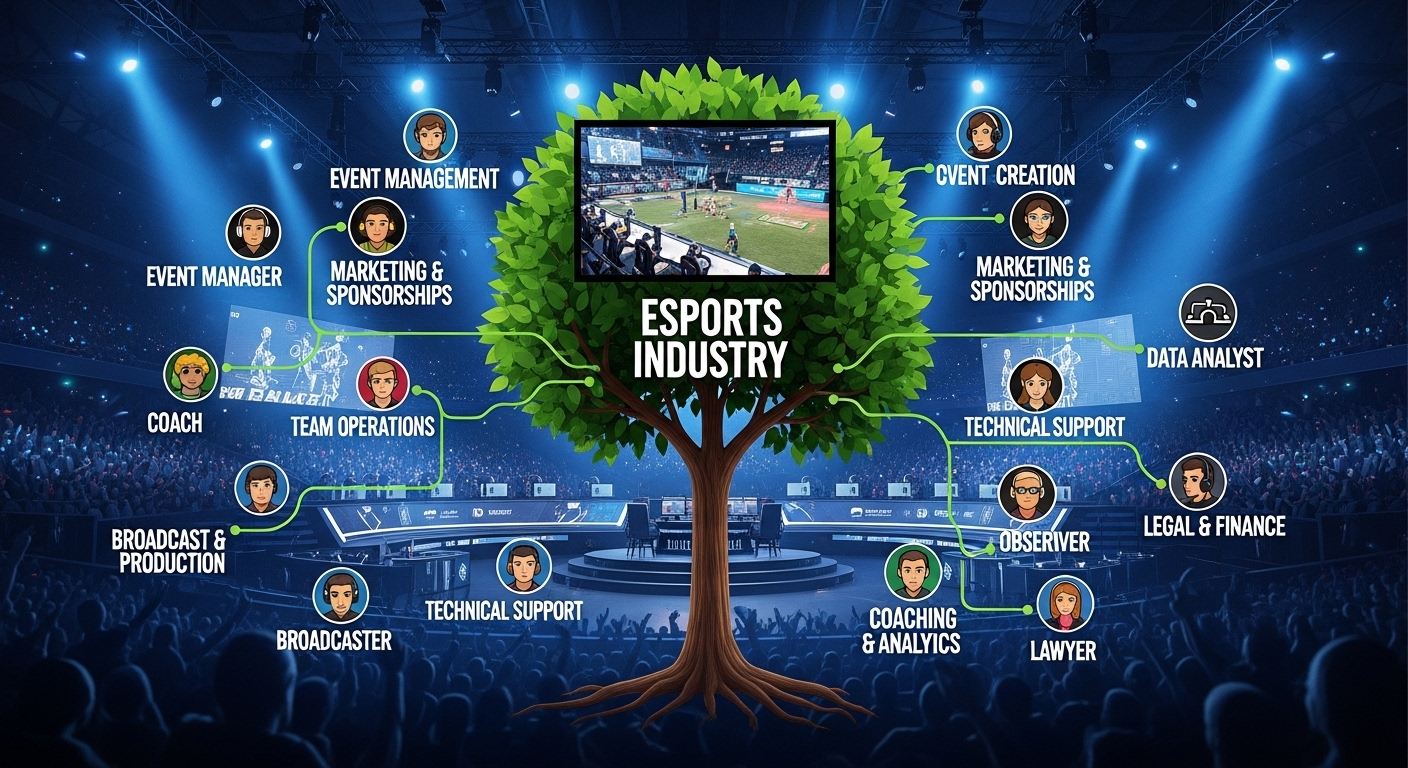
The growing integration of esports into education is another promising development. Many universities and colleges are offering esports scholarships and even establishing esports programs, allowing students to pursue a career in gaming. This trend further legitimizes esports as a viable career path, and as the industry continues to grow, more opportunities for professional gamers, content creators, analysts, and event organizers will emerge.
Conclusion: Esports as the Future of Entertainment
Esports has come a long way since its humble beginnings in the arcades of the 1980s. Today, it is a global industry with millions of fans, professional players, and a booming business model. What was once seen as a niche hobby is now a mainstream form of entertainment, with esports tournaments and events rivaling traditional sports in terms of viewership and excitement.
As technology continues to evolve and the industry becomes more professionalized, the future of esports looks brighter than ever. With larger audiences, more media coverage, and continued innovation, esports is set to remain at the forefront of entertainment for years to come. Whether you’re a casual gamer, a die-hard fan, or a professional player, the world of esports offers something for everyone, and its influence on the global entertainment landscape will only continue to grow.