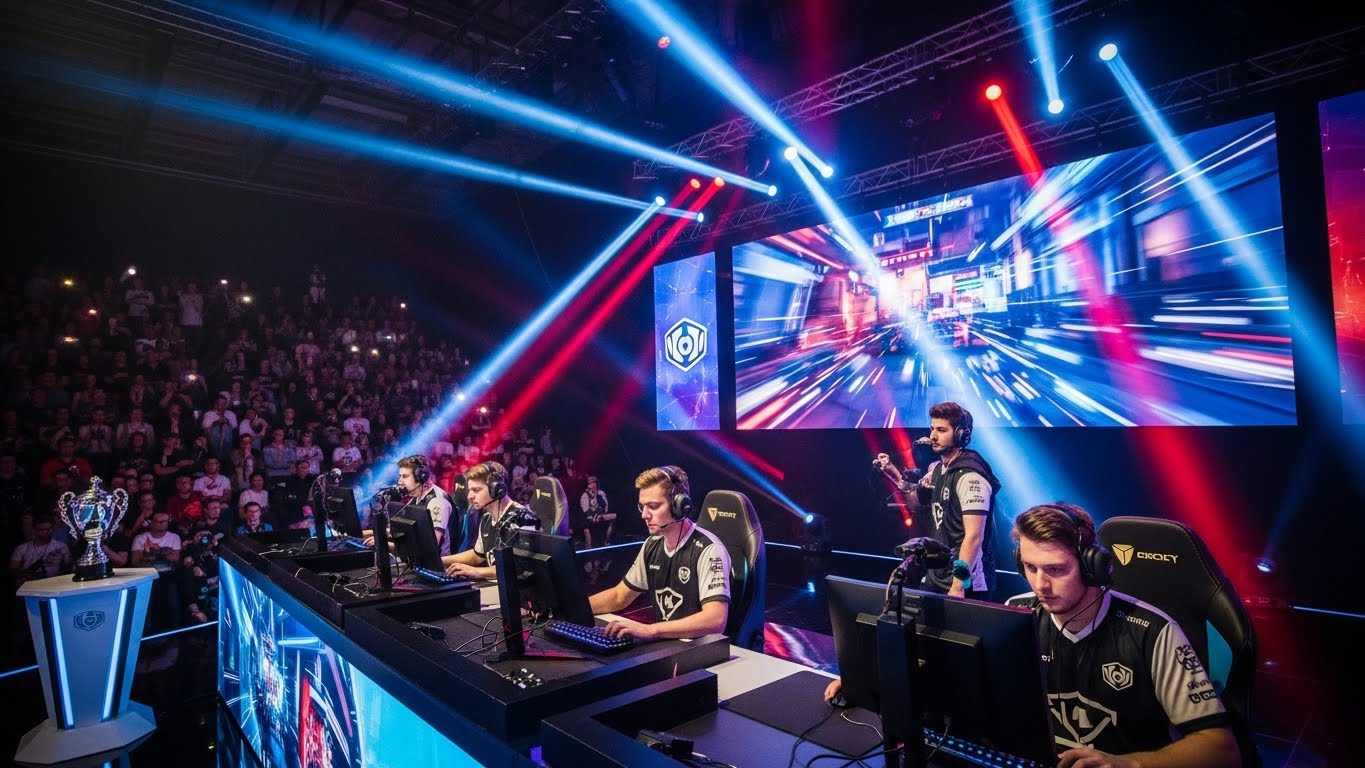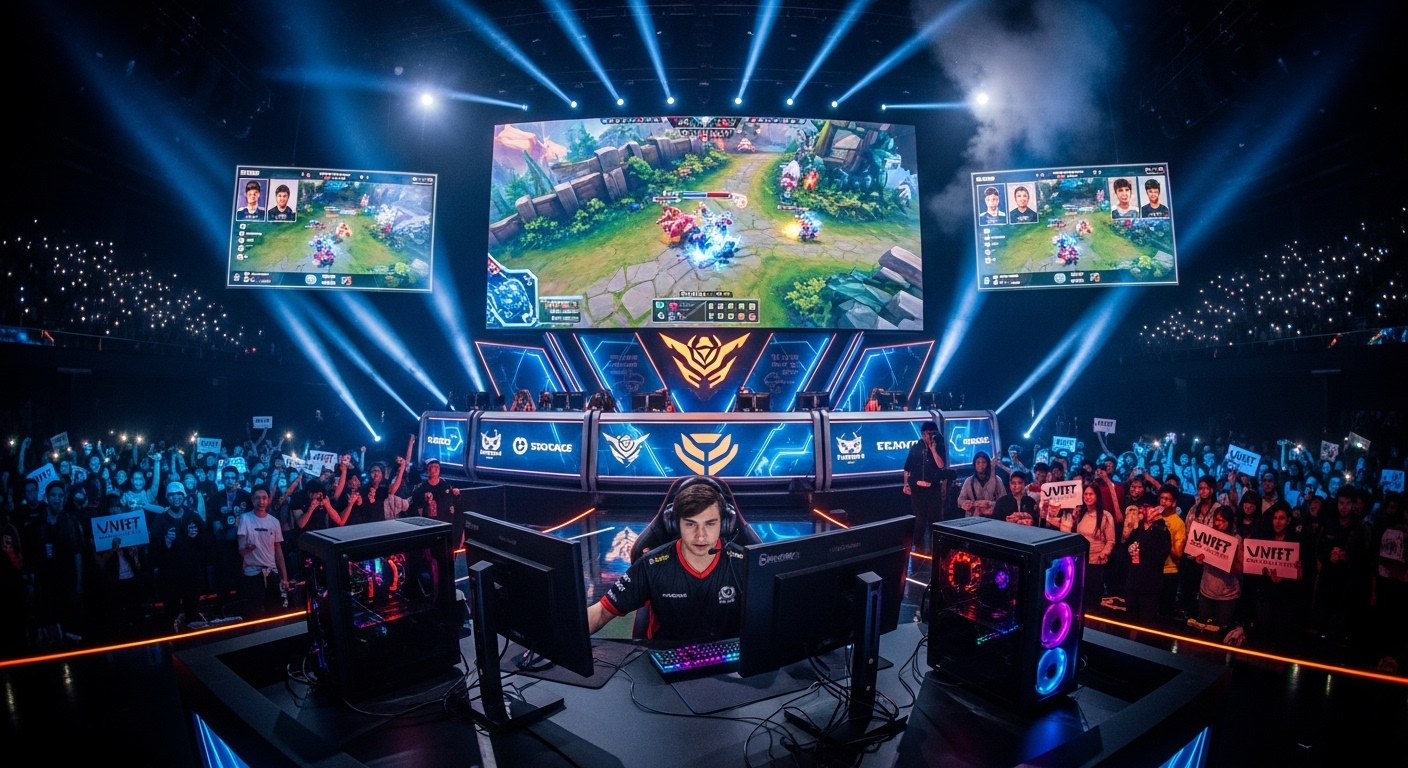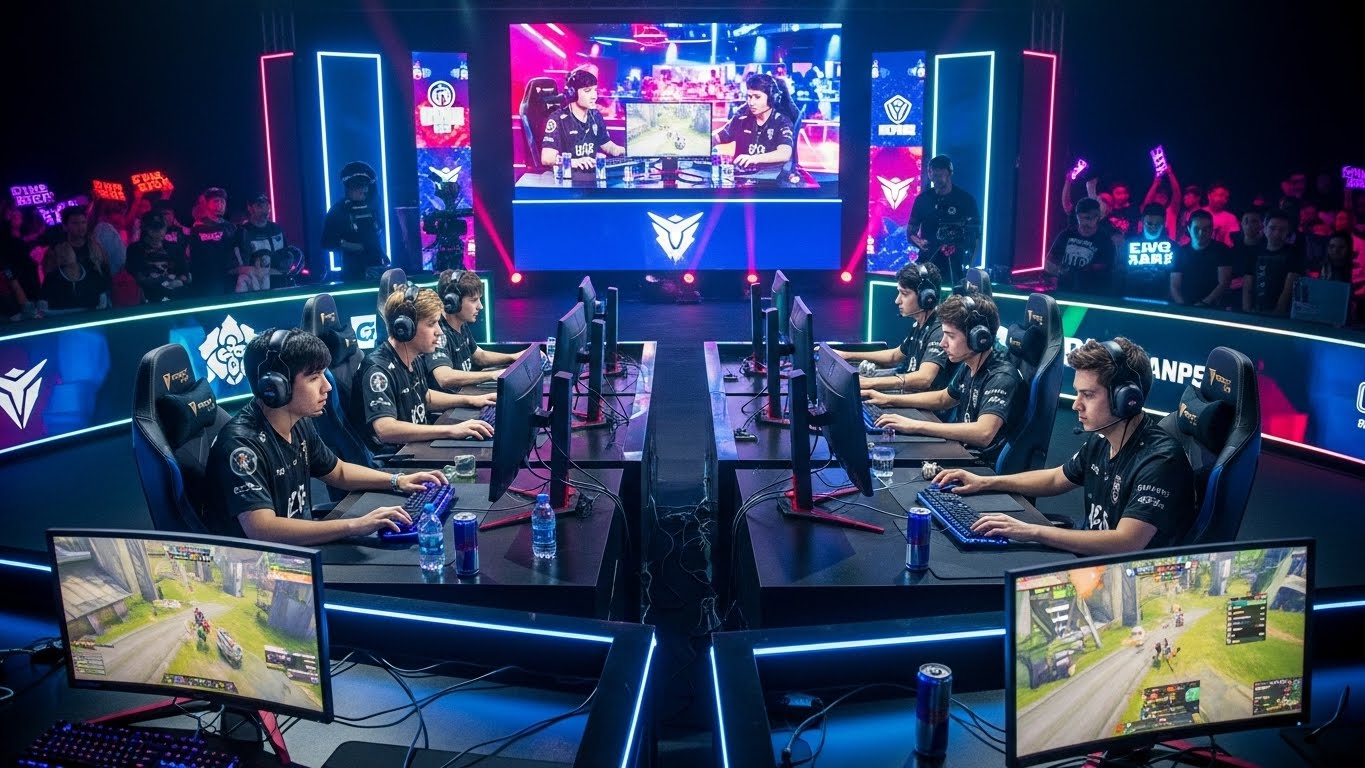





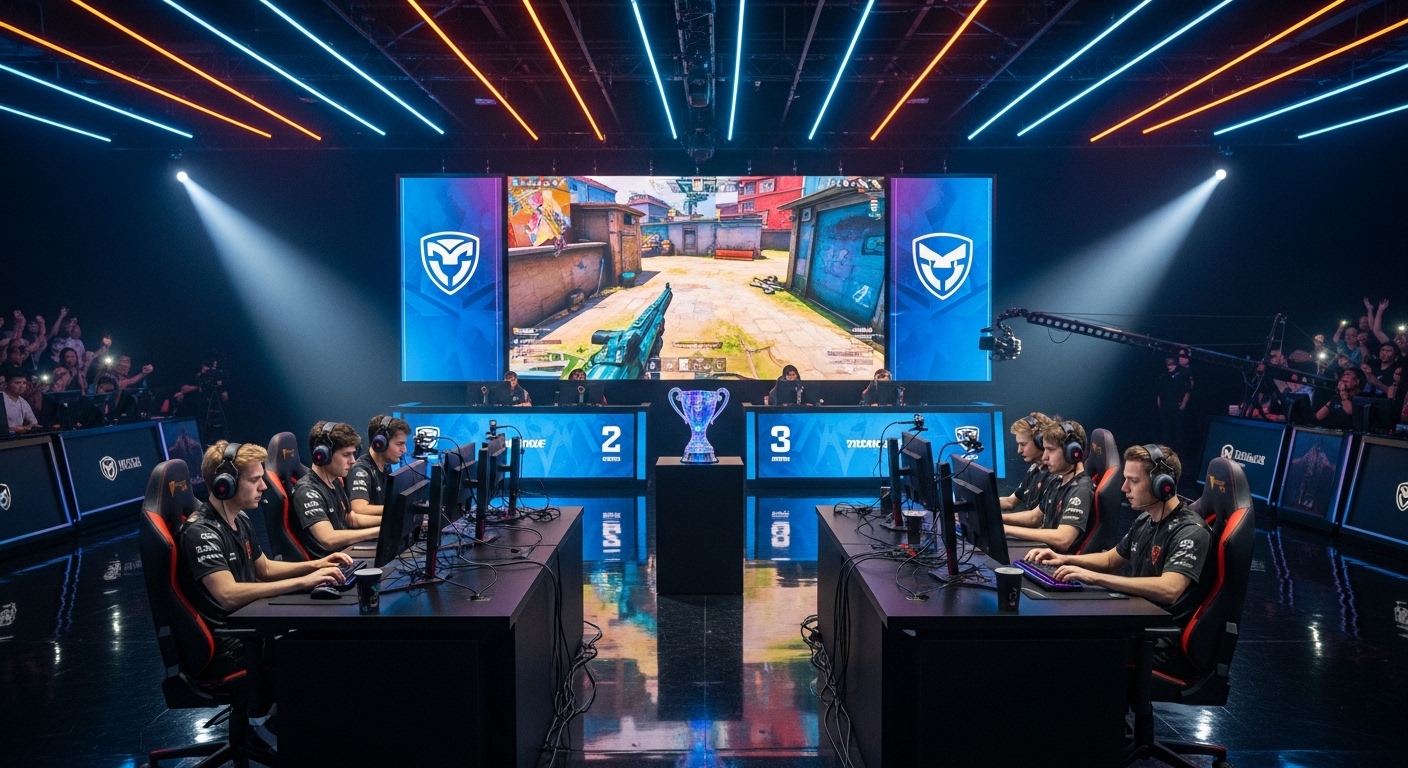
Esports, a term once reserved for a niche group of hardcore gamers, has grown into a global phenomenon, shaping the landscape of competitive entertainment in ways that few could have imagined a few decades ago. Today, esports is a multi-billion-dollar industry, with professional teams, international tournaments, dedicated fanbases, and sponsorships from global brands. What was once considered a pastime is now a legitimate form of entertainment, with a growing community of fans, players, and investors. From humble beginnings in living rooms and arcades to massive stadium events and high-stakes competitions streamed online, esports is now on par with traditional sports in terms of popularity, viewership, and cultural significance. In this blog post, we will explore the origins, evolution, and future of esports, and how this digital revolution has not only impacted gaming culture but also the broader entertainment industry.
The Origins of Esports: From Arcade Games to Online Competitions
The roots of esports can be traced back to the early days of video games, when people first started competing for high scores in arcade games such as Space Invaders, Pac-Man, and Donkey Kong. These early video games were simple, with no multiplayer functionality, but they set the stage for competitive gaming. As technology advanced and personal computers became more accessible in the 1990s, multiplayer games started to emerge, and the foundation for modern esports was laid.
One of the earliest milestones in esports history was the 1997 Red Annihilation tournament for the first-person shooter game Quake. It was one of the first events where professional gamers competed for a cash prize. The tournament was pivotal in proving that competitive gaming could be more than just a hobby; it could be an organized, high-stakes event. It also helped launch the careers of professional gamers, including Johnathan “Fatal1ty” Wendel, who went on to become one of the most well-known figures in esports.
The early 2000s saw the rise of online multiplayer games like StarCraft, Warcraft III, and Counter-Strike, which allowed players from all over the world to compete against each other in real-time. This marked the beginning of global competitions, with major tournaments like The World Cyber Games (WCG) and The Electronic Sports World Cup (ESWC) offering competitive platforms for players and drawing crowds of passionate fans.
The Rise of Esports: From Hobby to Industry
The rapid growth of internet infrastructure in the early 2000s set the stage for esports to explode into a global industry. As broadband internet became more widespread, the ability to play games online with players from around the world became a reality. This interconnected world of gaming opened up new possibilities for professional competition.
One of the most influential moments in esports history occurred in South Korea, where StarCraft became a national obsession. By the late 1990s and early 2000s, StarCraft tournaments were broadcast on television, and professional players were treated like celebrities. The Korean Pro-Gaming scene helped establish the blueprint for what esports could become, with highly organized leagues, sponsorships, and national tournaments.
In the West, games like League of Legends, Counter-Strike, and Dota 2 began to gain traction in competitive circles, and the growth of streaming platforms like Twitch in 2011 accelerated this trend. Twitch, a live-streaming platform primarily focused on video games, allowed players to stream their gameplay to a global audience. Gamers could interact with viewers in real-time, creating a sense of community that was previously absent in traditional sports broadcasting. By 2013, Twitch had become the go-to platform for esports, with tournaments and events being streamed to millions of viewers around the world.
As the years went on, esports evolved into a fully-fledged industry, with professional teams and leagues forming across multiple games. Big titles like League of Legends, Fortnite, Overwatch, and Counter-Strike: Global Offensive (CS:GO) became staples of competitive gaming, with large prize pools, sponsorships, and a professional infrastructure that mirrored traditional sports leagues. The annual League of Legends World Championship and The International for Dota 2 now offer multi-million-dollar prize pools and draw millions of viewers, solidifying esports as a mainstream entertainment option.
The Esports Ecosystem: Teams, Players, Sponsors, and Fans
Esports today operates within a complex ecosystem, made up of professional players, teams, sponsors, broadcasters, and fans. This ecosystem is similar in structure to that of traditional sports, with many of the same elements—competition, entertainment, sponsorship, and fan engagement.
Professional Players
The heart of the esports ecosystem is the players. Just like athletes in traditional sports, esports players are highly skilled competitors who spend hours each day practicing and honing their craft. Many professional gamers start their careers at a young age, often in their teenage years, dedicating themselves to mastering specific games. Players like Faker (Lee Sang-hyeok) in League of Legends and Dendi (Danil Ishutin) in Dota 2 have achieved iconic status in the esports community, building legacies as some of the most successful and beloved players in competitive gaming history.
Professional esports players earn money through tournament prize pools, sponsorship deals, and streaming contracts. Some of the highest-earning players can make millions of dollars a year. However, being a professional gamer comes with its own challenges, including intense competition, long hours of practice, and the pressure to perform at the highest level. Just like athletes in traditional sports, esports players face the pressures of maintaining their physical and mental health while competing at the highest level.
Esports Teams and Organizations
In addition to individual players, esports organizations and teams play a crucial role in the ecosystem. These teams, often backed by investors, sponsors, and media companies, manage the careers of professional players, organize training camps, and enter their players into competitions. Esports organizations like Team Liquid, Cloud9, Fnatic, and G2 Esports have established themselves as major brands within the industry, with international followings and sponsorship deals with companies like Nike, Intel, and Red Bull.
These teams compete in various games, from League of Legends to Counter-Strike, and their success is often measured by the number of titles they win, the size of their fanbases, and the sponsorships they attract. Esports teams have become more than just groups of players; they are global brands, with their own merchandise, content creators, and media presence.
Sponsors and Investors
Like traditional sports, esports relies heavily on sponsorships and investments to fuel its growth. Global brands such as Coca-Cola, Audi, and Mastercard have all partnered with esports organizations and tournaments to promote their products and engage with the gaming community. Sponsorship deals help cover the costs of organizing tournaments, supporting teams, and running gaming leagues. For players and teams, sponsorships provide a significant source of income.
In addition to brand sponsorships, esports has attracted major investments from venture capital firms and traditional sports organizations. The NBA and NFL have invested in esports leagues, while tech giants like Intel, Nvidia, and Microsoft have long been supporters of the esports ecosystem. These investments have helped esports reach new heights, attracting even more viewers and fans around the world.
Fans and Community Engagement
Perhaps one of the most defining aspects of esports is the deep connection between players and fans. Esports fans are incredibly passionate about the games, teams, and players they support, often going to great lengths to show their enthusiasm. The rise of social media platforms like Twitter, Discord, and Reddit has made it easier than ever for fans to interact with their favorite players and share their thoughts on games, tournaments, and esports culture.
Live streaming platforms like Twitch and YouTube have allowed fans to watch their favorite teams and players in real-time, while also offering a platform for fans to communicate and build communities. Esports events, both live and online, often draw hundreds of thousands of viewers, with some of the biggest events attracting millions. The sense of community within esports is powerful, with fans coming together to support their teams, celebrate victories, and discuss strategies and performances.
Esports and Traditional Sports: Parallels and Synergies
Esports has increasingly been compared to traditional sports, with many similarities emerging between the two. Both require high levels of skill, teamwork, strategy, and preparation. Just like in football, basketball, or soccer, esports players work together as teams, developing strategies, communicating effectively, and practicing rigorously to outperform their opponents.
Esports has also drawn the attention of traditional sports organizations, which have begun investing in esports teams and events. For example, traditional sports teams like Paris Saint-Germain and Manchester City have created their own esports divisions. These collaborations help bridge the gap between traditional sports and esports, drawing fans from both sectors and creating new opportunities for both industries.
Furthermore, many of the business practices in esports mirror those of traditional sports. Esports teams operate similarly to sports franchises, with sponsorships, media rights deals, and merchandise sales serving as major revenue streams. Esports events are also broadcast on television and online, with commentators, analysts, and post-game analysis that resemble traditional sports broadcasts.
The Future of Esports: Expanding Reach and Technological Innovation
As the esports industry continues to grow, it shows no signs of slowing down. New technologies, such as virtual reality (VR) and augmented reality (AR), are set to revolutionize the way esports is played and consumed. VR esports, in particular, promises to deliver an even more immersive experience for both players and fans, allowing for new forms of interaction within the digital arena.