




Introduction to the Rise of Esports
Esports, once a niche hobby enjoyed by small groups of passionate gamers, has transformed into a global entertainment giant. Over the past decade, competitive gaming has evolved from casual tournaments held in small gaming cafés to massive spectacles filling stadiums and drawing millions of online viewers. What was previously perceived as a pastime has now become a respected industry with professional players, coaches, analysts, and thriving fan communities. This new age of digital competition has redefined what sports can be and has captured the attention of younger generations, investors, and major brands around the world.
In this blog post, we will explore how esports achieved its explosive popularity, what makes it unique compared to traditional sports, and how it continues to shape the future of entertainment and competition in the digital age.
The Evolution of Gaming into Global Competition
Esports didn’t blossom overnight. It began with small tournaments in the 1990s, where gamers faced off in classic titles. These early events planted the seeds of community-driven competition. As technology advanced, gaming quality improved dramatically. High-speed internet, advanced consoles, powerful PCs, and online multiplayer systems made it possible for players to compete across continents without physically meeting.
By the 2010s, competitive gaming leagues and structured tournaments gained traction, offering prize pools that rivaled traditional sports. Online platforms allowed fans to watch matches live, interact with teams, and become part of the growing esports ecosystem. Today, esports is a thriving industry with global championships, professional organizations, and millions of dedicated spectators.
Why Esports Became So Popular
One of the primary reasons esports took off is accessibility. Unlike many traditional sports that require physical ability, equipment, or specific environments, esports only needs a device and an internet connection to begin. This low barrier to entry made competitive gaming attractive to people of all backgrounds.
In addition, video games appeal emotionally and mentally. They offer a blend of strategy, skill, creativity, and fast-paced action. Whether it is high-pressure tournaments or casual matches, gaming provides excitement and a sense of community. Esports also benefits from digital platforms that allow instant communication between players and fans. This connectivity created an environment where competitions feel personal and interactive.
The Structure of Professional Esports
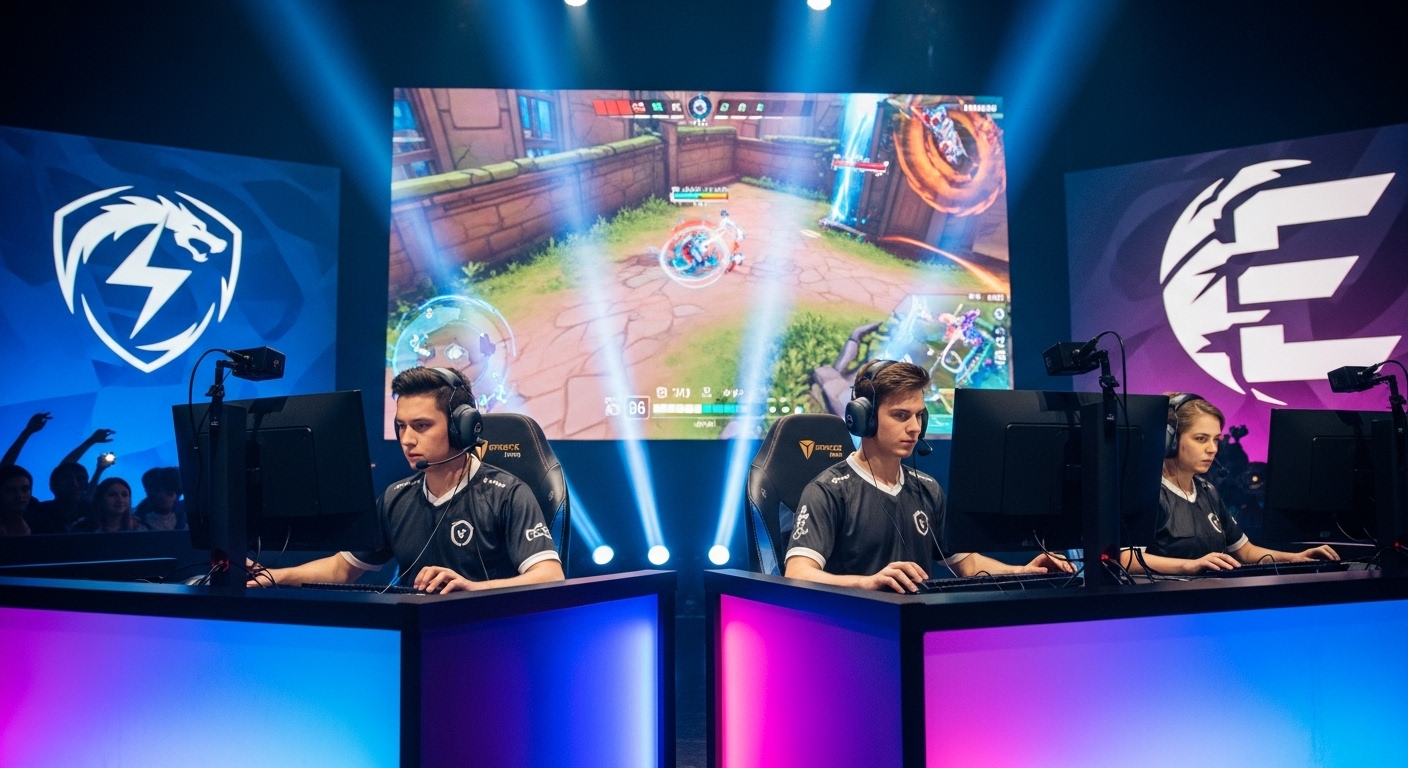
Esports today resembles the framework of traditional sports. There are professional teams, dedicated leagues, seasonal tournaments, coaches, analysts, health specialists, and massive training schedules. Players undergo rigorous daily practice to improve mechanics, communication, strategy, and teamwork.
Teams participate in global competitions, earning revenue through sponsorships, prize winnings, merchandise, and media rights. The best players often become celebrities within the gaming world, gaining large fan followings and strong social media presence. This high level of professionalism elevates esports to a respected competitive sport, showcasing the discipline and dedication required to perform at the highest levels.
The Esports Fan Experience
Fans are the heart of esports. Their passion has driven the industry’s growth. Unlike traditional sports, where fans watch from the stands or television, esports fans experience competition across digital platforms, giving them a unique kind of involvement. They can watch live streams, interact with teams, communicate with other fans globally, and even support their favorite players directly.
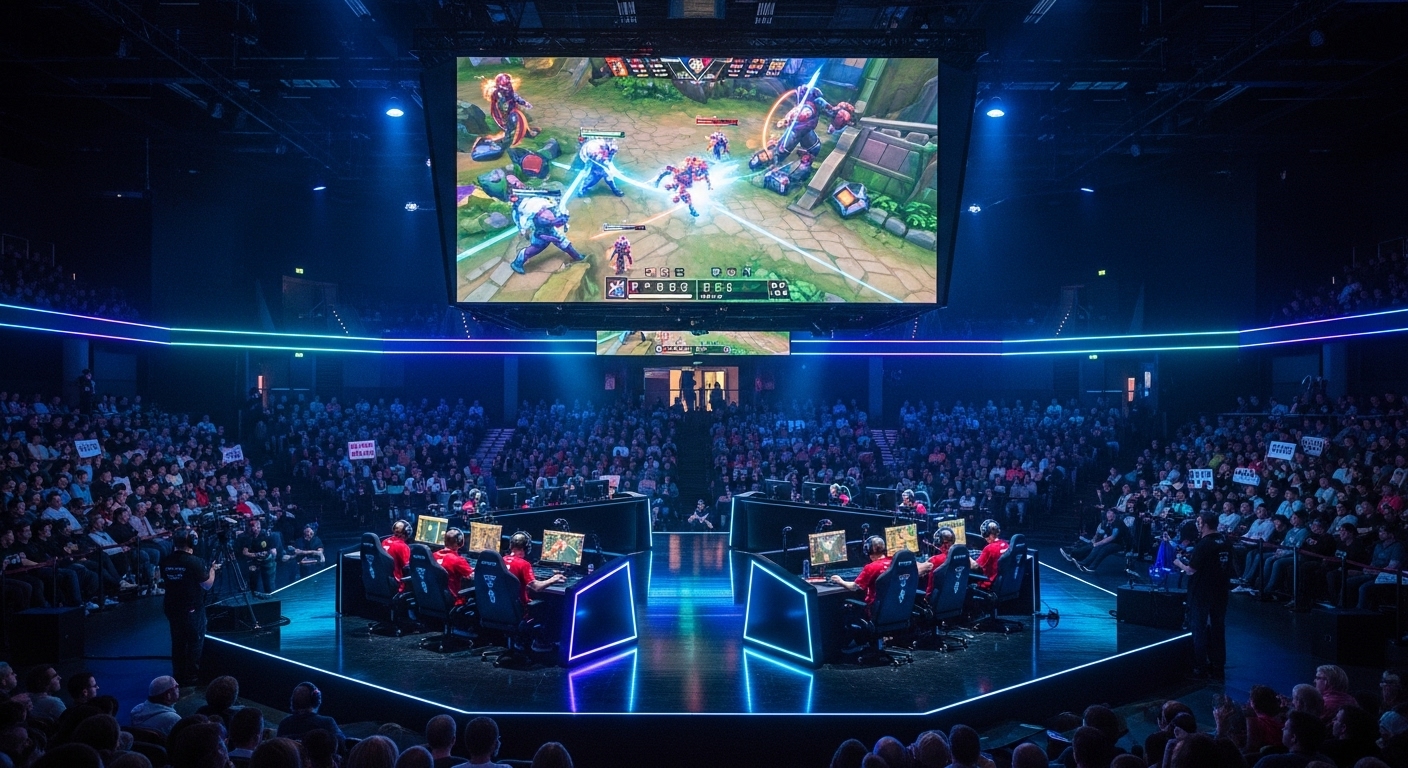
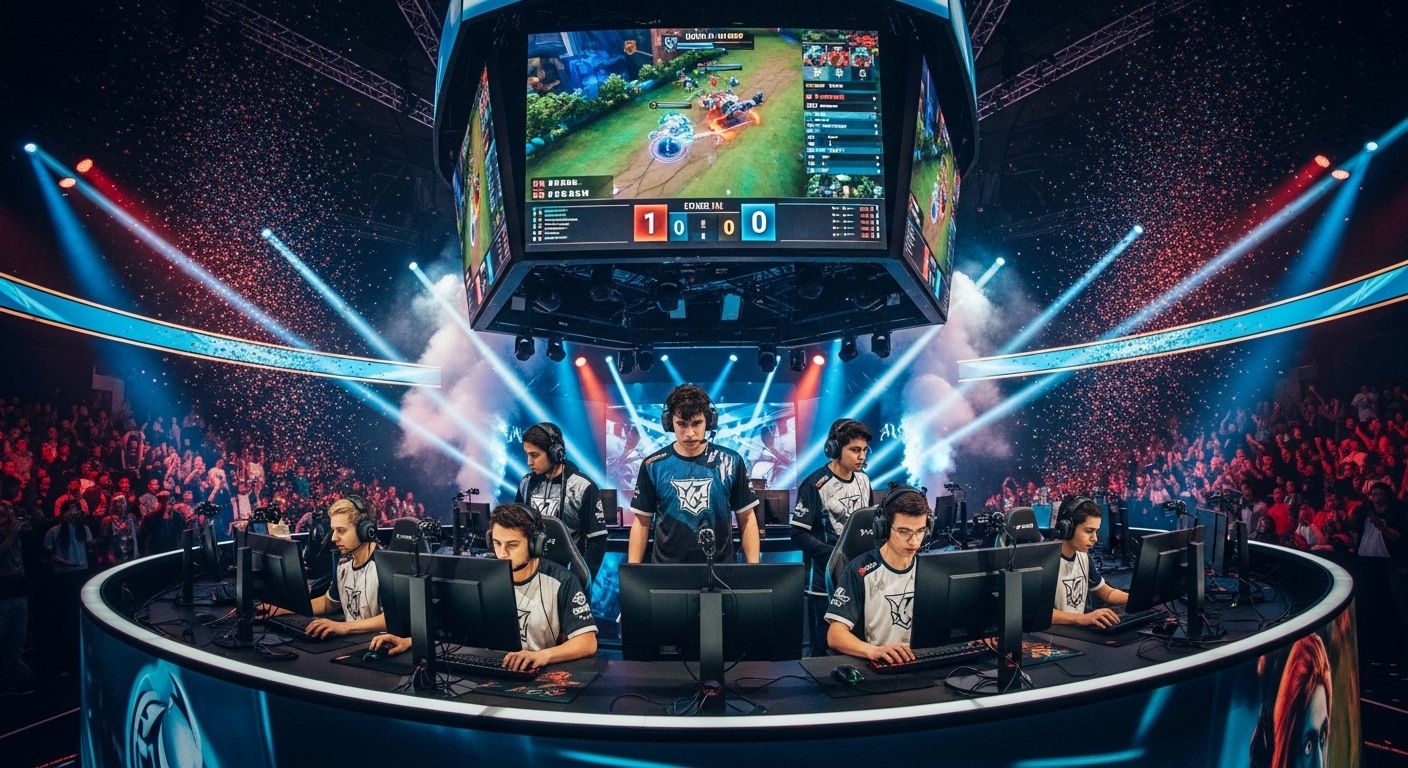
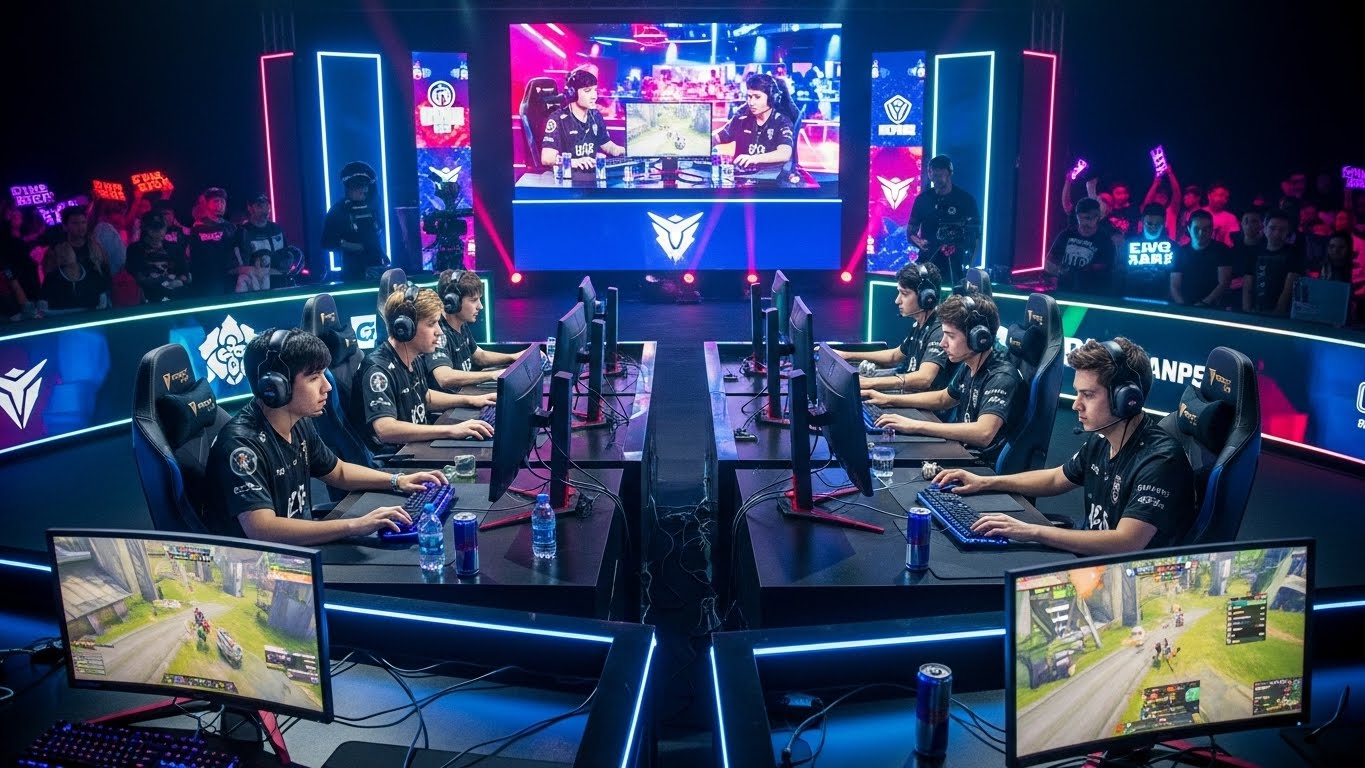
Live esports events amplify this energy. Stadiums fill with roaring crowds excited to witness intense digital battles. Spectators watch players compete in real time, with giant screens showing every move. The atmosphere reflects that of major sporting events, proving that esports can evoke the same emotions and excitement as traditional competitions.
Major Esports Genres and Why They Thrive
Esports spans a wide variety of gaming genres, each with its own fan base and style of competition. First-person shooters are popular for their fast-paced action and high-stakes gameplay. Multiplayer online battle arenas dominate the scene due to their strategic depth and team-based coordination. Sports simulation games attract fans who enjoy realistic virtual versions of traditional sports. Battle royales bring unpredictable excitement and large-scale survival challenges.
Each genre succeeds for different reasons, but they all share one trait: they demand skill, practice, and strategy. This competitive nature makes them perfect for esports, where mastery and high-level performance captivate audiences.
Technology Powering the World of Esports
Advances in technology have played an essential role in the rise of esports. Powerful gaming systems deliver smooth, realistic graphics. High-speed internet supports online play without delays. Streaming platforms allow millions to watch tournaments live, making esports accessible worldwide.
Virtual reality and augmented reality are beginning to influence the next generation of competitive gaming. As these technologies grow, esports may expand into even more immersive experiences that blend digital and physical elements. Artificial intelligence is also helping train players, analyze performance, and enhance competitive fairness. Technology continues to shape esports, making future possibilities nearly limitless.
The Business Behind Esports
The esports industry has become a significant player in the global market. Revenues come from sponsorships, advertising, merchandise, media rights, and ticket sales. Major corporations invest heavily in esports, recognizing the potential of its youthful and digital-savvy audience. Universities have even begun offering esports scholarships and degrees in game management, marketing, and digital entertainment.
Esports organizations operate like traditional sports franchises, employing staff for team management, marketing, event coordination, and player development. This professional structure has legitimized esports further and attracted new investors, creators, and entrepreneurs.
The Role of Content Creators in Esports
Content creators play a crucial role in expanding the reach of esports. Many professional players stream their practice sessions and interact with fans. Gaming influencers produce educational videos, entertainment content, and commentary that help build community and deepen fan engagement.
Creators serve as digital ambassadors for the esports world. Their influence attracts new players and viewers, enhances brand partnerships, and promotes upcoming tournaments. This creator ecosystem is unique to the digital age and contributes significantly to the industry’s expansion.
The Global Impact of Esports
Esports is not confined to one region. The industry has established a presence across continents. Countries host world-class tournaments, develop training facilities, and invest in national esports programs. These global efforts have turned esports into a cross-cultural phenomenon that unites players and fans from diverse backgrounds.
This worldwide influence has also sparked positive social changes. Esports communities promote teamwork, communication, problem-solving, and digital literacy. They offer opportunities for young people to build careers not only as players but also in broadcasting, development, marketing, event management, and many other fields.
Challenges Facing the Esports Industry
Despite its success, esports faces several challenges. Player burnout is a rising concern due to intense training schedules and high-pressure environments. The industry also requires improved regulations to ensure fair play, protect players, and maintain competitive integrity.
Sustainability is another challenge. As esports grows, there is a need for clearer structures, stable leagues, better long-term investments, and comprehensive support systems for players. Ensuring a safe, inclusive, and equitable future for esports is essential for continued growth.
The Future of Esports: What Comes Next
The future of esports is bright and full of potential. With continued technological advancements, competitions may become even more immersive and interactive. More traditional sports organizations may collaborate with esports, creating hybrid entertainment experiences. Educational institutions will likely expand esports programs, recognizing its value in developing critical digital skills.
Additionally, esports may soon be included in more international sporting events. As younger generations continue to embrace digital entertainment, the boundaries between gaming and mainstream sports will become increasingly blurred. Esports is not just a trend; it is shaping the future of global competition.
Conclusion: The New Era of Digital Competition
Esports has changed the definition of what competitive sports can be. What started as casual gaming gatherings has grown into a global powerhouse powered by technology, talent, and passion. The industry continues to evolve, attracting millions of fans, inspiring new careers, and transforming entertainment worldwide.
The digital arena has opened new doors for players, creators, and audiences alike. Esports stands at the forefront of the modern entertainment revolution, and its journey is far from over.