




Introduction: The Dawn of a New Era in Entertainment
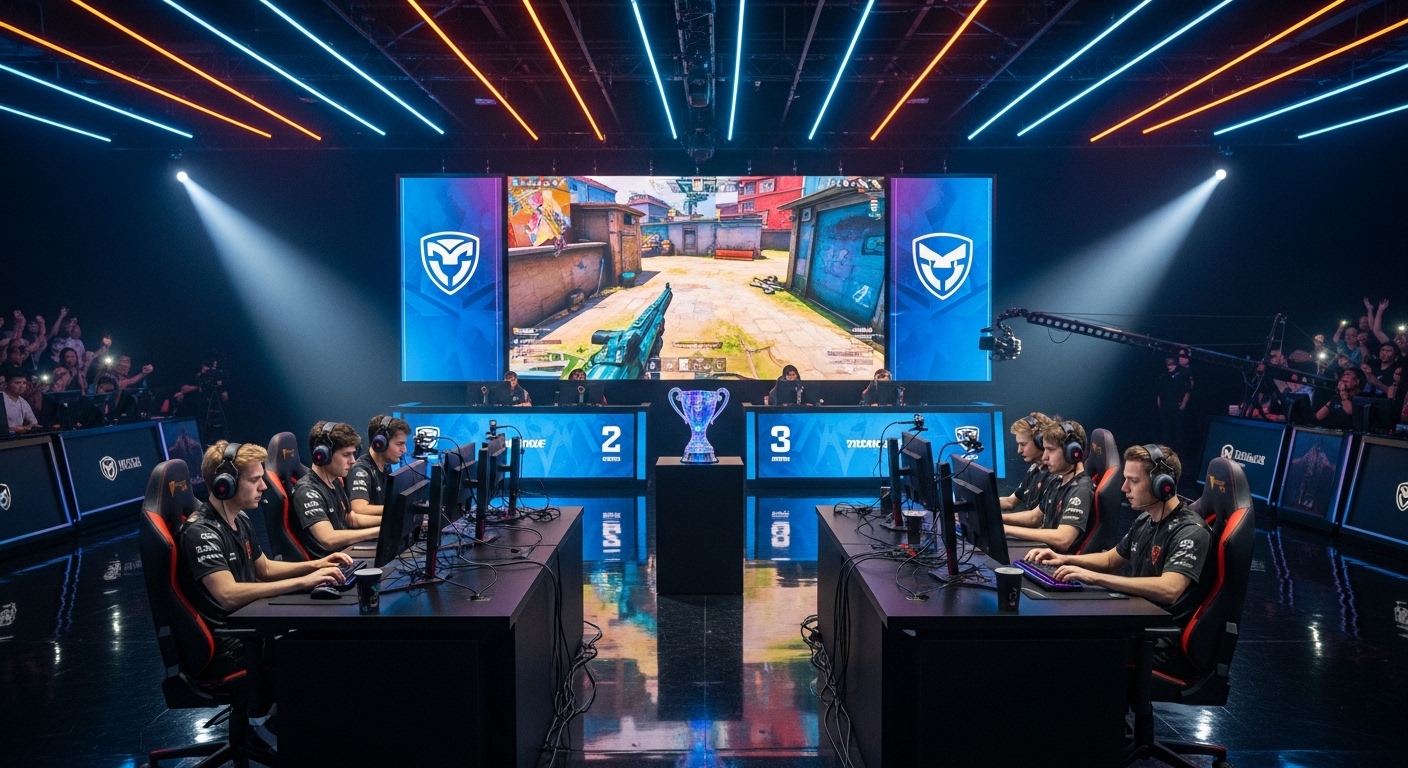
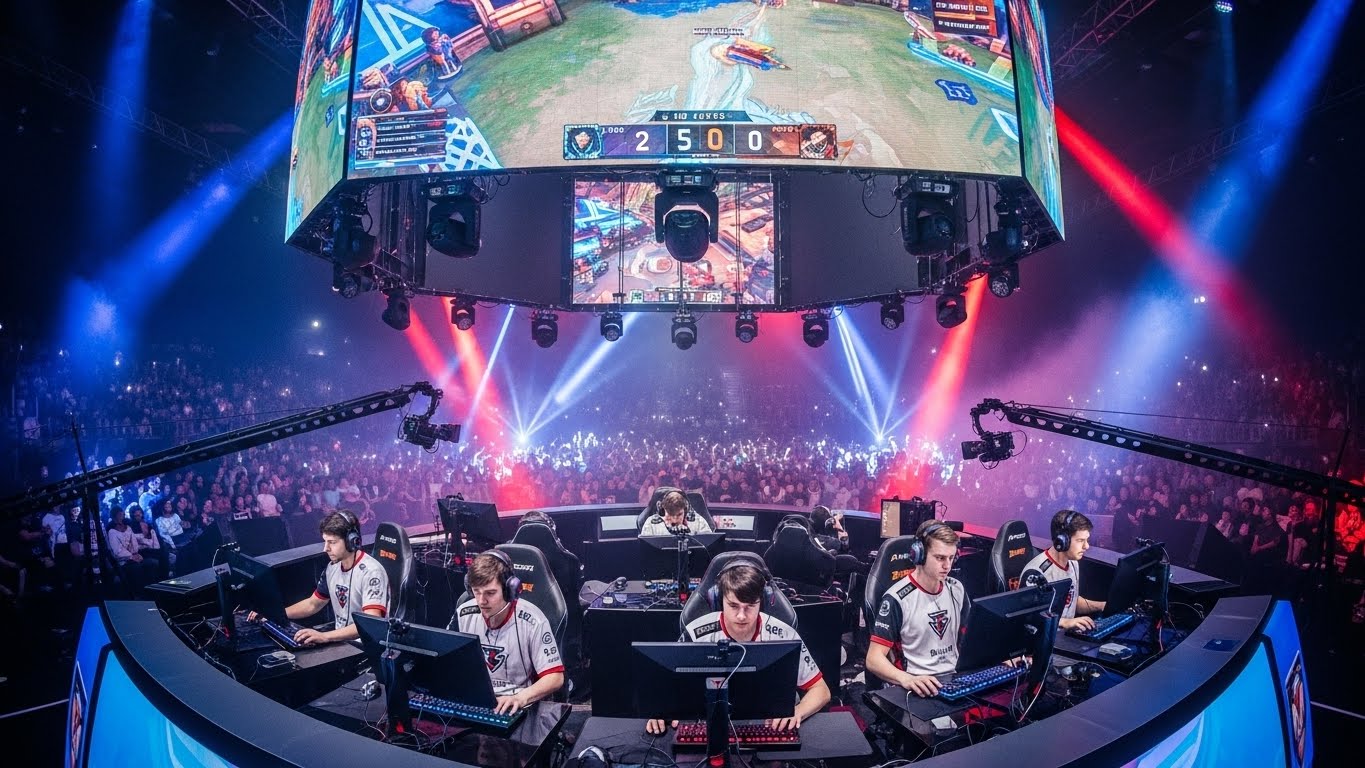
Esports, short for electronic sports, has emerged as a groundbreaking phenomenon in the world of competitive entertainment. Once dismissed as casual gaming, esports has grown into a professional industry with millions of players, fans, and spectators worldwide. What sets esports apart from traditional gaming is its combination of skill, strategy, teamwork, and audience engagement. Today, esports is recognized as a legitimate form of competition, rivaling traditional sports in viewership, sponsorship, and cultural influence.
This blog delves into the history of esports, its growth, technological influence, economic impact, cultural significance, and the challenges and opportunities that define its future.
The Origins of Esports: From Arcades to Global Tournaments
The roots of esports trace back to the late 1970s and 1980s, when arcade games and early home consoles sparked competitive play. Titles like Space Invaders, Pac-Man, and Street Fighter created opportunities for informal competitions. Players gathered at arcades and small networks to compete, often for bragging rights or small prizes.
By the 1990s, online multiplayer games began to redefine competitive gaming. Games such as Quake, StarCraft, and Counter-Strike offered platforms for skill-based competition on a larger scale. Communities formed around these games, and early tournaments provided a foundation for organized esports.
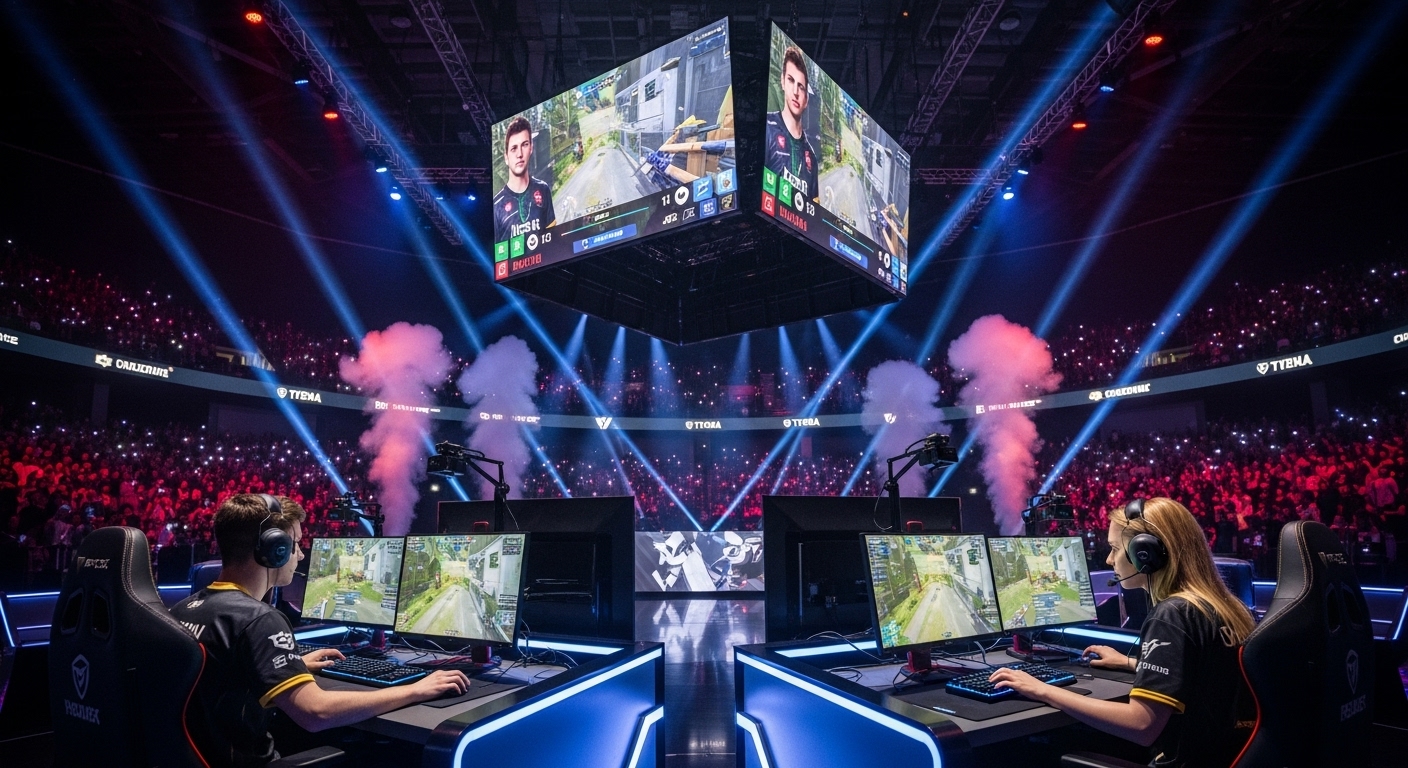
The 2000s marked the professionalization of esports. With the rise of streaming platforms and online connectivity, players could showcase their skills to global audiences. Leagues and tournaments became more structured, and prize pools increased, attracting serious competitors. Today, esports has evolved into an international industry with professional teams, sponsors, leagues, and multi-million-dollar events that draw viewers from around the globe.
Esports as a Professional Career
Esports is no longer just a hobby; it is a professional career path for players, coaches, analysts, and content creators. Professional esports athletes train rigorously, dedicating hours each day to improve reflexes, strategy, and teamwork. Like traditional athletes, they rely on physical fitness, nutrition, and mental conditioning to maintain peak performance.
Beyond players, the esports ecosystem includes coaches who develop strategies, analysts who evaluate performance, managers who oversee teams, and broadcasters who engage audiences. Content creators and influencers amplify the reach of esports through streaming, social media, and video content. The industry provides diverse career opportunities, making esports a multi-dimensional professional field.
The Popularity and Global Reach of Esports
Esports has grown into a global phenomenon with millions of players and viewers worldwide. Asia, North America, and Europe are leading markets, while South America, Africa, and the Middle East are rapidly emerging as competitive hubs. The international appeal of esports lies in its accessibility. Anyone with an internet connection and gaming device can participate, watch, and engage with content.
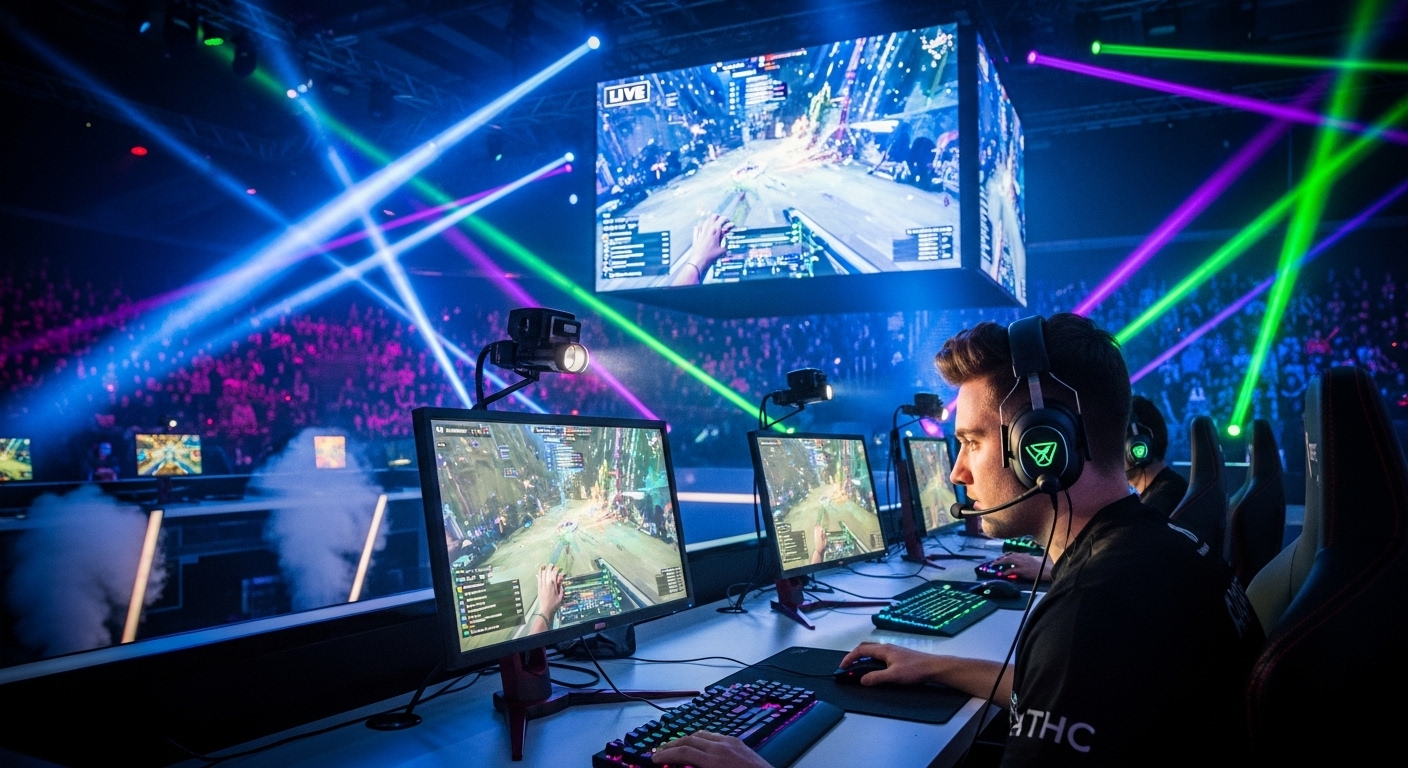
Streaming platforms have revolutionized viewership. Fans can watch live tournaments, interact with players, and access behind-the-scenes content. Online communities provide spaces for discussion, fan art, and collaboration, creating an immersive social experience. Major esports events, such as the League of Legends World Championship or Dota 2’s The International, attract millions of viewers, rivaling traditional sporting events in scale and excitement.
The Cultural Impact of Esports
Esports has reshaped modern culture in significant ways. It has shifted perceptions of gaming, elevating it from casual entertainment to a legitimate form of professional competition. Esports influences fashion, music, digital media, and lifestyle trends. Teams and players often inspire fan communities, merchandise, and social media engagement, creating a cultural ecosystem that extends far beyond gameplay.
Esports also promotes inclusivity and diversity. Players of different genders, nationalities, and backgrounds can compete at the highest levels. Global competitions foster cross-cultural exchange and understanding, while online communities offer spaces for collaboration and support. Esports is not just a game; it is a cultural movement that celebrates creativity, skill, and connection.
The Technology Behind Esports
Technology is the backbone of esports. High-performance computers, gaming consoles, and peripherals enable players to compete at peak levels. Internet connectivity allows for real-time online competitions, while streaming platforms provide instant access to global audiences.
Advanced analytics, artificial intelligence, and performance-tracking software have transformed training and strategy development. Teams use data to analyze opponents, optimize gameplay, and scout new talent. Virtual reality and augmented reality are emerging technologies with the potential to revolutionize esports by creating immersive competitive experiences for both players and spectators.
Cognitive and Psychological Benefits of Esports
Esports offers more than entertainment; it enhances cognitive and psychological skills. Competitive gaming requires strategic thinking, multitasking, problem-solving, and quick decision-making. Players must anticipate opponents’ actions, adapt strategies in real time, and work collaboratively in team-based games.
Mental resilience is another key benefit. Esports teaches focus, patience, and perseverance. Handling victories and defeats constructively helps players develop emotional intelligence and discipline. The cognitive and psychological skills gained through esports often translate into real-life abilities, such as teamwork, leadership, and critical thinking.
Esports in Education and Youth Development
Esports is increasingly recognized as a valuable educational tool. Many schools and universities now offer esports programs, giving students opportunities to develop teamwork, strategy, and digital literacy skills. Competitive gaming encourages time management, goal-setting, and leadership development.
Scholarships for esports athletes are becoming more common, legitimizing the pursuit of competitive gaming alongside traditional academic and athletic programs. Educational initiatives also integrate esports with technology, media production, and event management, providing students with practical skills for the digital economy.
Economic Impact of Esports
The esports industry has become a significant economic driver. Revenue streams include tournament prize pools, sponsorships, media rights, advertising, merchandise, and streaming subscriptions. Major tournaments generate substantial revenue, benefiting players, teams, event organizers, and associated industries.
Esports also stimulates job creation beyond gameplay. Event production, media, marketing, content creation, and technology development all contribute to the economic ecosystem. Emerging markets continue to provide opportunities for growth, expanding the global footprint of esports as both an entertainment and business enterprise.
Challenges Facing Esports
Despite its rapid growth, esports faces several challenges. Player health and well-being are critical concerns, with physical strain, eye fatigue, and burnout being common issues. Maintaining balance between rigorous practice schedules and personal life is essential for long-term sustainability.
Regulation and governance remain areas for development. Standardizing rules, ensuring fair play, and preventing cheating are essential for credibility. Additionally, gender inclusivity, online harassment, and toxicity within communities are ongoing challenges that require attention and action.
The Future of Esports
The future of esports is full of promise. Technological advancements, such as virtual reality, augmented reality, and AI-assisted training, will enhance competitive experiences. Streaming platforms and digital engagement tools will continue to expand audiences, making esports more interactive and immersive.
Esports is likely to further integrate with traditional sports and entertainment, creating hybrid experiences that appeal to broader audiences. Educational programs and youth initiatives will cultivate new talent, ensuring the industry’s sustainability and growth. With continued inclusivity, innovation, and global engagement, esports is poised to shape the future of competitive entertainment.
Conclusion: Esports as a New Frontier of Competition
Esports represents a transformative shift in the world of competitive entertainment. It combines skill, strategy, teamwork, and technology to create an experience unlike any other. From its early days in arcades and LAN parties to today’s global tournaments with millions of viewers, esports has evolved into a professional, culturally significant, and economically impactful industry.
Beyond gameplay, esports fosters cognitive development, social connection, cultural exchange, and career opportunities. It challenges traditional perceptions of sport, expands the definition of athleticism, and provides a platform for global collaboration and innovation.
As technology advances and audiences continue to grow, esports will remain a dynamic force in entertainment, competition, and culture. It is more than a game; it is a global phenomenon that celebrates human skill, creativity, and the universal appeal of competition.
Whether as players, fans, or professionals, engaging with esports offers a unique experience that combines excitement, strategy, and community. Esports has firmly established itself as the future of competitive entertainment, representing a new era where gaming, technology, and culture converge.