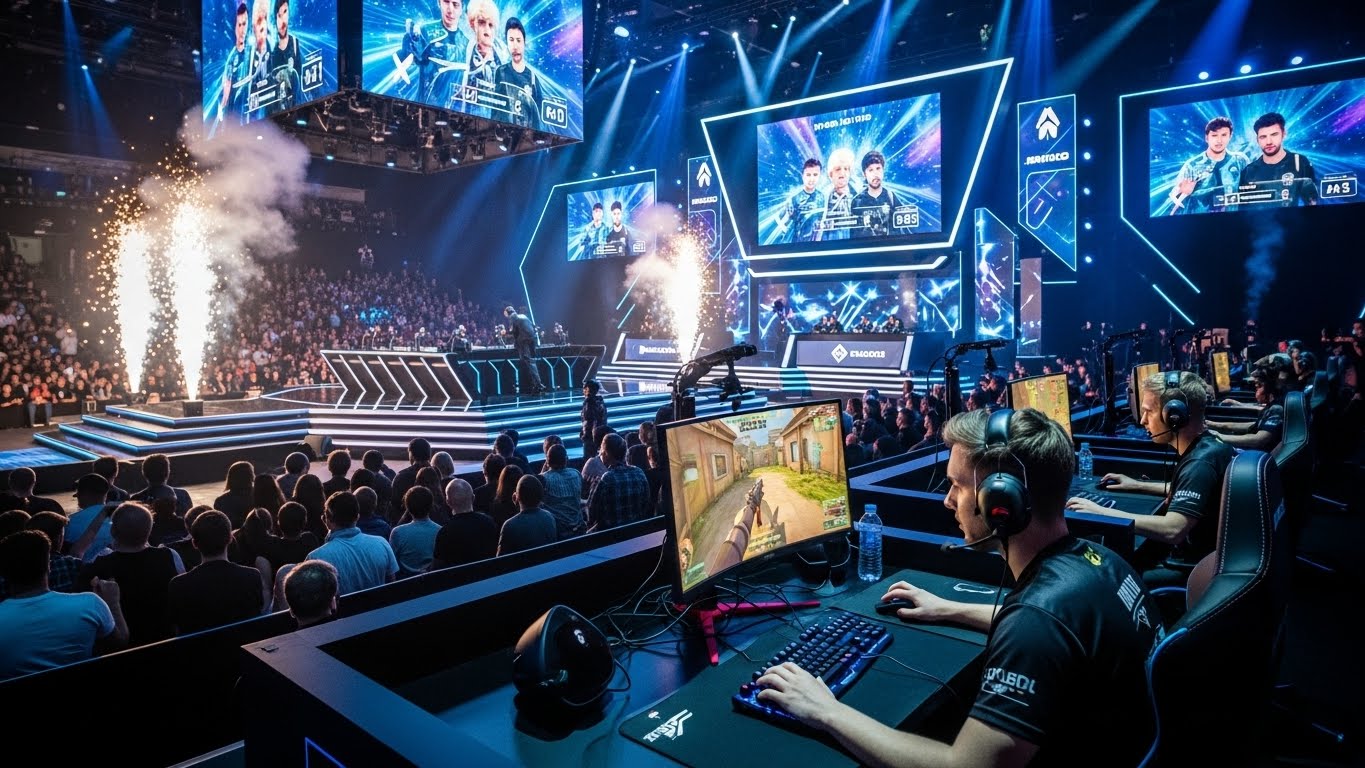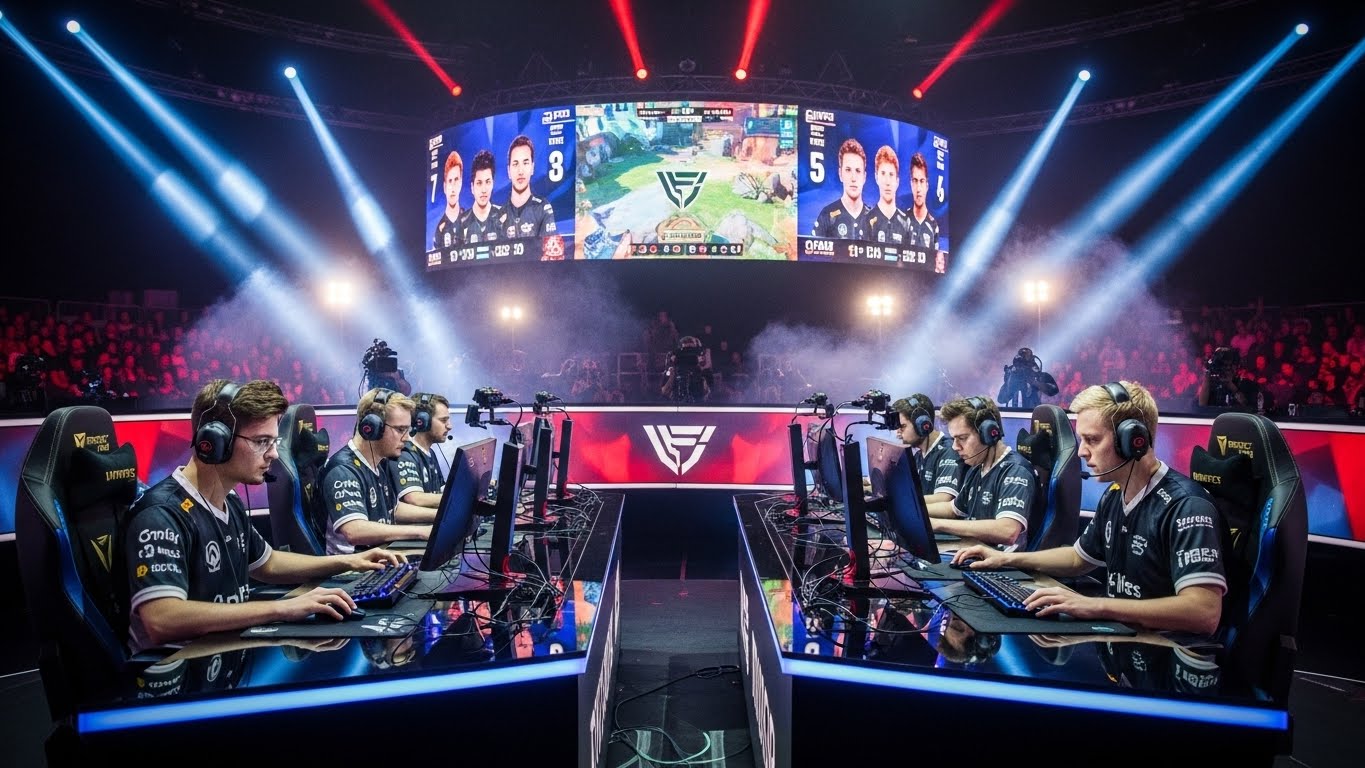





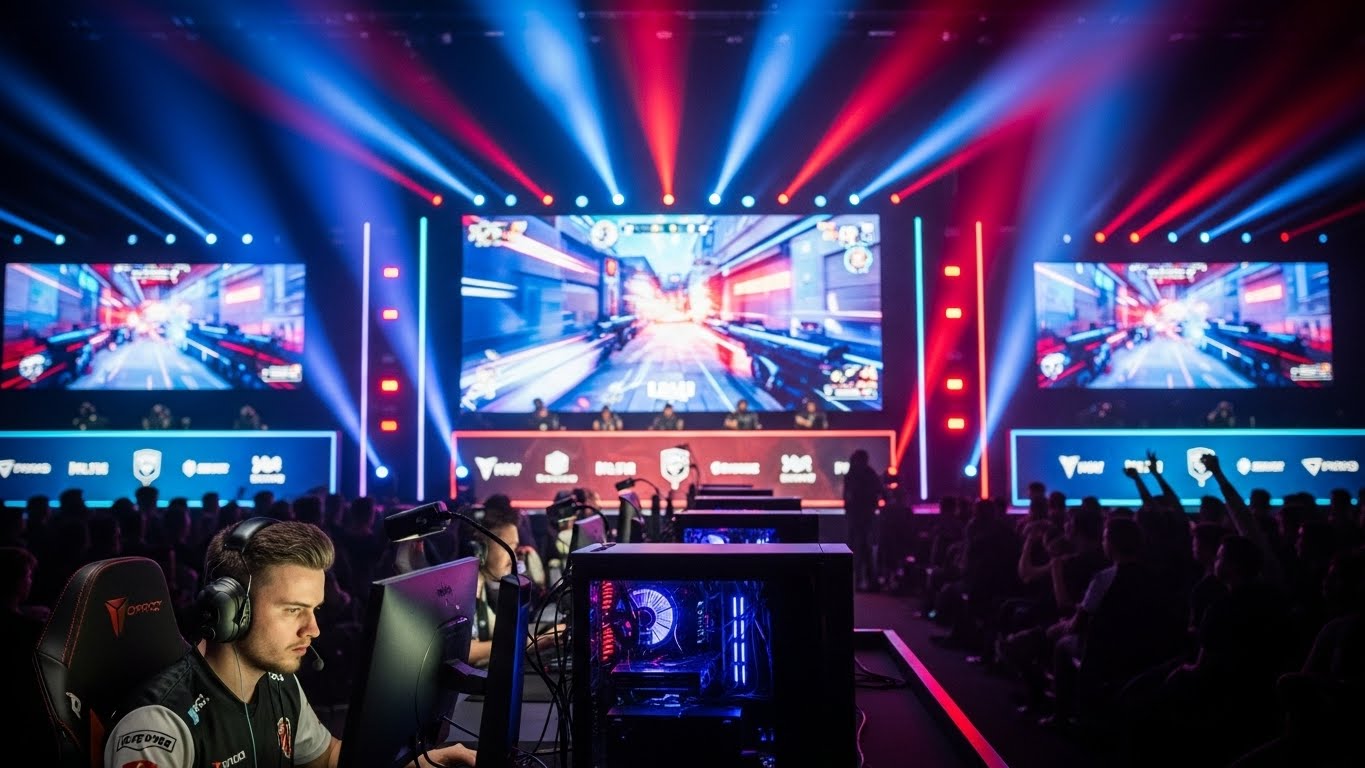
In recent years, esports has evolved from a niche interest into a global phenomenon. From humble beginnings as a casual pastime to massive tournaments with millions of dollars in prize money, esports has become a serious business, captivating millions of fans worldwide. What was once seen as a subculture is now an industry that rivals traditional sports in viewership, sponsorship, and player earnings. In this blog post, we will delve into the rise of esports, exploring its origins, rapid growth, and the factors that contribute to its success today.
The Origins of Esports: A Digital Playground
The roots of esports can be traced back to the early 1970s, when competitive video gaming first began to take shape. The first recognized video game competition took place in 1972 at Stanford University, where players competed in a game called Spacewar. Although the competition was small and local, it marked the beginning of competitive gaming culture. However, it wasn’t until the late 1990s and early 2000s that esports began to develop in a more formalized manner.
The rise of the internet and advancements in computer graphics played a pivotal role in the growth of esports. Games such as StarCraft and Quake became popular among competitive players, and tournaments started to be organized on a larger scale. The creation of LAN (Local Area Network) parties and online multiplayer platforms, like Battle.net and Xbox Live, allowed players to compete against one another in real-time. These technological advancements created a fertile environment for the esports scene to thrive.
The Golden Age of Esports: The 2000s
The 2000s witnessed the rapid expansion of esports. Competitive gaming entered the mainstream as a result of several key factors, including the increasing popularity of online gaming, the rise of streaming platforms, and the growing influence of large corporations in the gaming industry. Games like Warcraft III, Counter-Strike, and League of Legends were at the forefront of this new era.
During this period, large-scale tournaments began to emerge, attracting both professional players and dedicated fans. The first World Cyber Games (WCG) tournament was held in 2000, bringing together players from around the world to compete in games like StarCraft and Unreal Tournament. Similarly, the Electronic Sports World Cup (ESWC), founded in 2003, helped to establish esports as a legitimate competitive sport on a global scale.
The 2000s also saw the rise of online streaming platforms like Twitch, which allowed players to broadcast their gameplay live to audiences across the world. This innovation changed the way fans interacted with esports, turning what was once a niche activity into a spectator sport. Esports began to gain serious attention from major sponsors, media companies, and even traditional sports organizations.
The Explosion of Esports: The 2010s and Beyond
By the 2010s, esports had transformed into a multi-billion-dollar industry. Games like League of Legends, Dota 2, Counter-Strike: Global Offensive, Overwatch, and Fortnite were at the heart of this revolution. These games offered deep strategic gameplay, frequent updates, and vibrant competitive communities, which fueled their popularity and sustained long-term engagement.
One of the most significant developments of this era was the establishment of professional esports leagues and tournaments. The League of Legends World Championship, for example, became one of the most-watched sporting events in the world, attracting millions of viewers every year. Prize pools for major tournaments skyrocketed, with The International (Dota 2’s premier tournament) offering a prize pool of over $40 million in 2021.
As the industry grew, so did its global reach. Esports became a truly international phenomenon, with tournaments held in every corner of the globe, from Seoul to Los Angeles to Berlin. Notably, Asia became a hotbed for esports, with countries like South Korea and China playing a dominant role in shaping the competitive landscape. South Korea, in particular, is often cited as the birthplace of professional esports, with the country pioneering the establishment of esports organizations and dedicated broadcasting networks.
The rise of streaming platforms like Twitch and YouTube Gaming further propelled esports into the mainstream. In 2014, Amazon acquired Twitch for nearly $1 billion, signaling the platform’s importance in the gaming and esports ecosystem. These platforms provided a way for fans to watch live tournaments, engage with content creators, and build communities around their favorite games. Esports personalities, streamers, and influencers became celebrities in their own right, attracting sponsorships and brand deals.
Esports as a Career: The Professionalization of Gaming
In parallel with its rise in popularity, esports began to be seen as a legitimate career path. Professional players started to earn significant salaries through tournament winnings, sponsorships, and streaming. Many players now make more money in a single year than traditional athletes in some sports leagues. This shift was made possible by the increasing commercialization of esports.
The professionalization of esports has led to the creation of organized teams and leagues, much like traditional sports. Major esports organizations, such as Team Liquid, Cloud9, and FaZe Clan, signed top-tier players and competed in global tournaments. These organizations built training facilities, provided coaching staff, and created structures that mirror the operations of professional sports teams.
Esports athletes, like their counterparts in traditional sports, now face rigorous training schedules and competitive demands. They practice for hours each day to hone their skills, maintain their reflexes, and study strategies to stay ahead of their opponents. Unlike traditional sports, however, esports players do not need to rely on physical conditioning; instead, mental acuity, quick reflexes, and teamwork are the primary factors that determine success.
The Global Esports Ecosystem: Sponsors, Fans, and Media
The rapid growth of esports has attracted significant investment from corporate sponsors and advertisers. Brands like Intel, Coca-Cola, and Red Bull have made large investments in esports, sponsoring tournaments and supporting top-tier teams. The potential for esports to reach young, tech-savvy audiences has made it an attractive marketing tool for many companies looking to target this demographic.
Esports has also become a major player in the world of media rights. Major broadcasters like ESPN, TBS, and BBC have aired esports tournaments, while online platforms like Twitch and YouTube continue to dominate the streaming landscape. In 2020, it was estimated that the global esports audience had surpassed 450 million people, a number that continues to grow each year. Esports events are regularly broadcast to millions of viewers, with some tournaments attracting more viewers than traditional sports events like the Super Bowl.
The fanbase for esports is diverse, with viewers spanning all ages and demographics. Esports fans are highly engaged, interacting with players and teams through social media, live streams, and fan forums. The sense of community is one of the key reasons why esports has become so popular. Fans not only follow the action but also form connections with other fans, creating a vibrant and passionate global community.
The Future of Esports: What’s Next?
Looking ahead, the future of esports seems incredibly promising. The global esports market is expected to continue its rapid growth, with projections estimating the industry will be worth over $1.5 billion by 2028. As the infrastructure for esports continues to expand, more players, teams, and fans are expected to get involved, further solidifying esports as a mainstream form of entertainment.
One area of development that is already gaining traction is the integration of esports with traditional sports. Many traditional sports organizations, including the NBA and NFL, have launched their own esports leagues or partnered with existing ones. The crossover between esports and traditional sports is likely to continue, as the two industries recognize the potential to appeal to overlapping audiences.
Virtual reality (VR) and augmented reality (AR) also hold immense potential for the future of esports. While still in the early stages, these technologies could revolutionize the way esports are played and consumed. Imagine stepping into a virtual arena to watch your favorite team compete or interacting with players in a fully immersive environment. As technology continues to evolve, the possibilities for esports are endless.
Additionally, the inclusion of esports in multi-sport events such as the Asian Games and potential inclusion in the Olympics further validates the legitimacy of competitive gaming as a professional sport. As the industry matures, we may see more formal recognition of esports at a global level.
Conclusion
Esports has come a long way from its humble beginnings. What started as a small subculture has blossomed into a global competitive industry with millions of fans, professional players, and corporate sponsors. As esports continues to grow and evolve, it is clear that the future holds even more opportunities for innovation, collaboration, and engagement. Whether you’re a casual gamer or a die-hard fan, esports is here to stay, and its impact on the world of sports and entertainment is undeniable. The next chapter in the esports revolution is yet to be written, and it promises to be just as exciting as the last.