




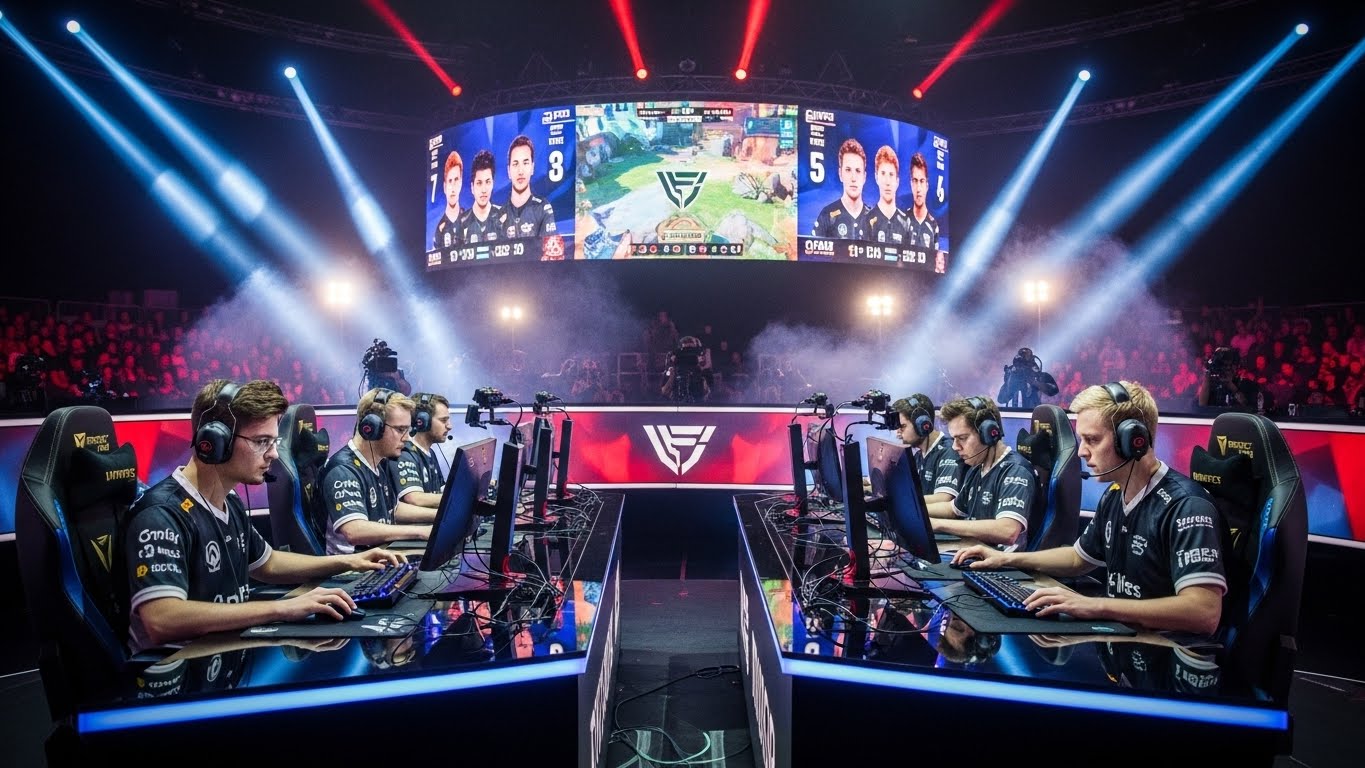
Esports has evolved from a niche subculture into a billion-dollar industry, captivating millions around the world. With millions of fans tuning in to watch competitive gaming tournaments, massive sponsorship deals, and a growing number of professional players, it’s clear that esports has firmly established itself as a legitimate form of entertainment. But how did this digital revolution unfold, and why is it resonating so strongly with modern audiences? In this post, we’ll explore the rise of esports, what makes it so unique, and how it is shaping the future of entertainment.
The Origins of Esports: From Arcade Games to Global Phenomenon
The roots of esports trace back to the early days of gaming, long before the terms “streaming” and “professional gaming” entered the mainstream lexicon. In the 1970s and 1980s, games like Space Invaders and Pong began attracting small but passionate followings. The first formalized gaming competition, the Space Invaders Championship in 1980, saw a handful of competitors battling for high scores, but it was a far cry from the global tournaments we know today.
Over the next few decades, gaming evolved alongside technology. As personal computers became more powerful and the internet became more widely accessible, players began competing in online multiplayer games. Titles such as Quake and StarCraft introduced the idea of global competitions, where players from all over the world could face off against each other in real-time.
However, it wasn’t until the early 2000s that esports began to take on its modern form. Games like Warcraft III and Counter-Strike saw the birth of professional esports leagues and large-scale tournaments. These early events, such as the World Cyber Games and Electronic Sports World Cup, drew significant attention and were the first steps toward making esports a global phenomenon.
What Makes Esports So Popular?
Esports’ meteoric rise can be attributed to a combination of factors that appeal to a wide range of people. For one, the thrill of competition is universal. Just like traditional sports, esports offers the excitement of live action, strategy, teamwork, and individual skill. The difference lies in the way these elements come together in a digital format. Watching esports isn’t just about seeing who wins; it’s about understanding the strategies, analyzing each move, and feeling the tension of the match.
Another factor contributing to esports’ popularity is its accessibility. Unlike traditional sports that often require expensive equipment or specific physical spaces to participate, anyone with a gaming console or computer can play and compete in esports. The rise of streaming platforms like Twitch and YouTube has also made it incredibly easy for people to tune into live events, watch their favorite players, and even participate in the conversation with other fans through live chats and social media.
Esports also offers a sense of community that traditional sports can’t always match. Fans of popular games can connect with each other online, whether through fan forums, social media, or live streams. This sense of belonging and shared passion has created a thriving global culture around competitive gaming. Whether you’re a casual viewer or a hardcore fan, there’s a place for you in the esports ecosystem.
The Types of Esports Games
One of the most fascinating aspects of esports is the sheer variety of games that have achieved competitive status. From first-person shooters to real-time strategy games, each genre offers something unique to players and viewers alike.
First-Person Shooters (FPS):
FPS games like Counter-Strike: Global Offensive, Call of Duty, and Overwatch are some of the most popular in the esports world. These games focus on quick reflexes, tactical thinking, and precise aiming. Players must work together to strategize and execute team-based objectives while simultaneously trying to outsmart and outshoot their opponents. The excitement in these games is often driven by fast-paced action and the tension of tight matches.
Multiplayer Online Battle Arenas (MOBA):
MOBA games, such as League of Legends and Dota 2, require deep strategic thinking and teamwork. These games focus on controlling a character with specific abilities and working with teammates to destroy the opposing team’s base. MOBAs are incredibly complex, with millions of possible strategies, and require players to not only have exceptional mechanical skill but also an understanding of team dynamics, positioning, and timing.
Sports Simulations:
Games like FIFA, NBA 2K, and Madden NFL offer virtual versions of real-world sports, with players competing to win championships in digital renditions of their favorite games. These sports sims are incredibly popular because they offer familiar gameplay while introducing the excitement of professional competition. For many fans, watching esports versions of their favorite sports is just as thrilling as watching the real thing.
Real-Time Strategy (RTS):
In RTS games like StarCraft II and Age of Empires, players must gather resources, build bases, and command armies to outmaneuver their opponents. These games test players’ ability to multitask and think several steps ahead, often requiring high-level coordination between macro-management (overall strategy) and micro-management (control of units).
Each of these genres offers its own unique challenges and appeals to different types of players and fans. Whether you’re a fan of intense shooters, tactical team-based play, or long-term strategic thinking, esports has something to offer.
The Life of a Professional Esports Player
The life of a professional esports player is very different from that of traditional athletes. While some similarities exist—such as intense training schedules, competition, and media obligations—esports players face unique challenges that come with the digital nature of their sport.
Professional esports players often practice for upwards of 8-10 hours a day, sometimes more, honing their skills, studying strategies, and analyzing their past performances. The grind can be mentally and physically taxing, and burnout is a real issue. Unlike traditional sports, where physical conditioning plays a large part in performance, esports players must focus on improving their mental sharpness, reflexes, and teamwork.
Esports players also have to manage the psychological pressure of competition. The public eye is always on top-tier players, and the weight of high expectations can be overwhelming. For many players, esports isn’t just a job—it’s a lifestyle. The long hours, constant travel for tournaments, and the need to maintain peak performance can take a toll on their personal lives and mental health.
Despite these challenges, many players find the rewards of professional gaming to be worth it. High-profile sponsorship deals, prize money from tournaments, and the adoration of fans provide significant incentives for players to push through the tough times. For some, esports offers an opportunity to escape financial struggles, achieve fame, and build a career that didn’t exist a decade ago.
The Business of Esports
Esports has become a multi-billion-dollar industry, with revenue streams coming from various sources such as sponsorships, advertising, ticket sales, merchandise, and media rights. Major brands from outside the gaming industry, including Coca-Cola, Red Bull, and Intel, have invested heavily in esports. These partnerships not only fund teams and events but also expose esports to new audiences.
The rise of esports betting has also contributed to its financial success. Just as fans of traditional sports place bets on games, esports betting allows viewers to wager on the outcomes of matches, adding another layer of excitement to the experience. This trend has helped further legitimize esports as a mainstream entertainment option.
Furthermore, esports has become a new avenue for career development. Organizations like Cloud9, Team Liquid, and FaZe Clan have grown into global brands, offering opportunities in marketing, management, coaching, and event organization. As esports continues to expand, it’s likely that these career opportunities will only increase.
The Future of Esports
The future of esports is brighter than ever. As technology advances, we can expect even more immersive and engaging experiences for players and fans alike. Virtual reality (VR) and augmented reality (AR) are likely to play a significant role in the future of esports, offering players a more interactive experience and creating new forms of competition.
The growth of esports in schools and universities is also a promising sign for the future. More institutions are offering scholarships for competitive gaming, creating pathways for young players to pursue professional careers in esports. As esports becomes more embedded in educational systems, it will continue to evolve and attract new talent.
Additionally, esports will likely continue its journey towards mainstream recognition. With major events like The International for Dota 2 and League of Legends World Championship drawing millions of viewers, esports is on the verge of becoming a staple in global entertainment, alongside traditional sports. We may even see esports included in major international events, such as the Olympics, in the years to come.
Conclusion
Esports has come a long way since its humble beginnings in arcades and LAN parties. Today, it stands as a vibrant global industry, with millions of fans, professional players, and lucrative opportunities. As technology continues to evolve and the audience for competitive gaming grows, the future of esports looks incredibly bright.
For both players and fans, esports offers a dynamic and thrilling experience that combines the best of competition, entertainment, and community. Whether you’re a casual viewer, a dedicated fan, or an aspiring pro, the world of esports is constantly evolving—and there’s never been a better time to get involved.
As esports continues to rise, one thing is clear: it’s no longer just a game—it’s a global movement.