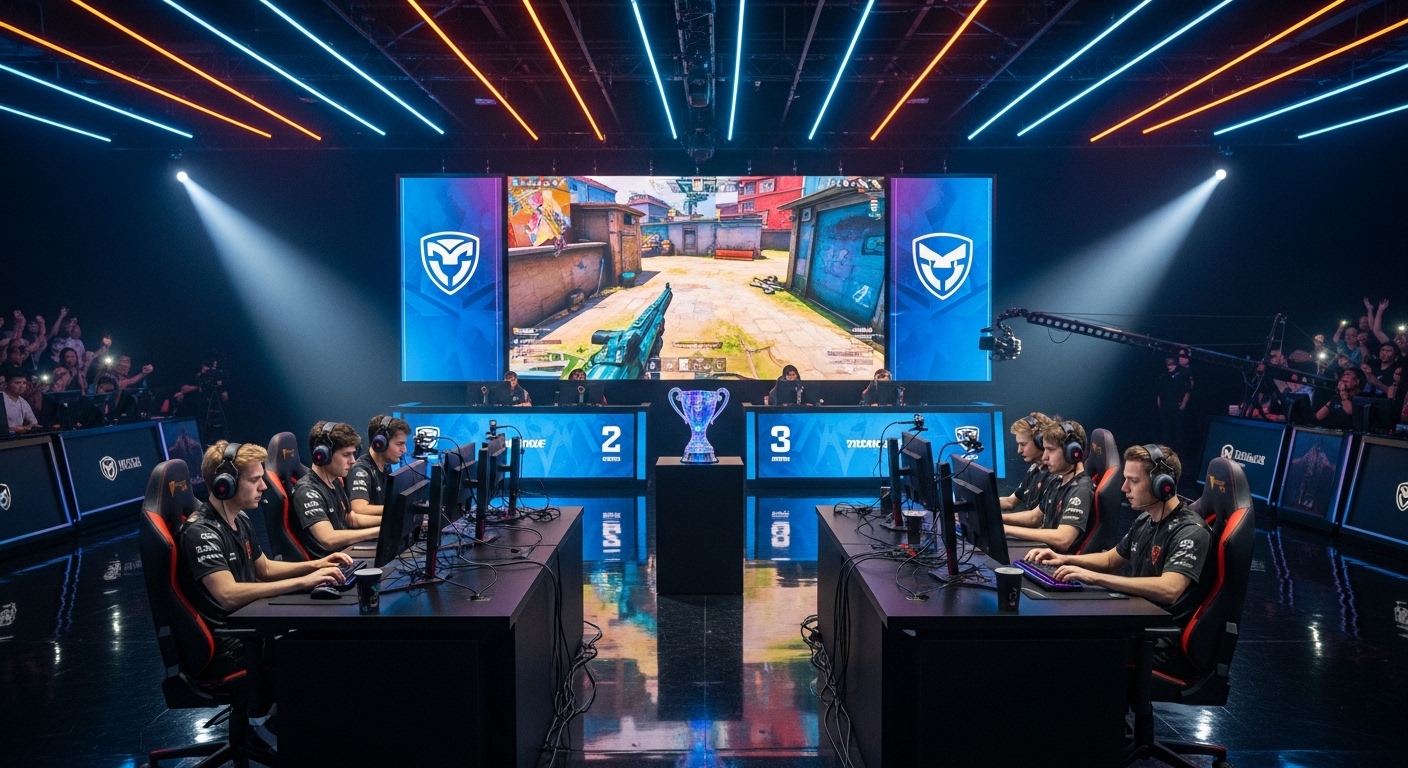





In recent years, esports has transformed from a niche hobby to a global phenomenon. What was once considered a pastime for a small group of gamers has now grown into a multi-billion-dollar industry with millions of fans and participants worldwide. The rise of esports is one of the most significant cultural shifts in the entertainment world, with gaming competitions drawing massive live audiences, creating professional careers for players, and attracting major corporate sponsorships. This article explores the evolution of esports, its impact on the gaming community, its cultural significance, and the factors contributing to its continued rise.
The Rise of Esports
Esports, or electronic sports, refers to organized, multiplayer video game competitions, particularly between professional players, individually or as teams. While video games have been around since the 1970s, the concept of competitive gaming started to gain momentum in the late 1990s and early 2000s. It was initially fueled by the growing internet culture and the ability for players to connect globally through online multiplayer games. Titles such as StarCraft, Warcraft III, and Quake were among the first games that saw the birth of competitive leagues and tournaments.
However, it wasn’t until the mid-2000s that esports began to resemble the professional industry we see today. With the release of games like League of Legends, Dota 2, and Counter-Strike, esports competitions began to attract larger audiences and bigger prize pools. Streaming platforms like Twitch also played a pivotal role in this evolution, giving players the ability to broadcast their gameplay to a global audience and, in many cases, build massive followings. By 2014, esports had reached a critical turning point, with events like The International for Dota 2 offering prize pools exceeding $10 million, marking esports as a serious competitive industry.
Esports as a Career Path
One of the most intriguing aspects of the esports industry is the emergence of professional gaming as a viable career. Professional players, coaches, analysts, and content creators can now earn substantial incomes, often from sponsorships, streaming platforms, tournament prizes, and merchandising. In fact, some of the top esports athletes have made millions of dollars in earnings from their participation in major tournaments and their online content.
A typical career path in esports begins with a player competing in local or online tournaments. As they gain skill and recognition, they may be recruited by established esports organizations that offer them contracts to compete in higher-level competitions. These players often live together in team houses, where they train, strategize, and build chemistry with their teammates. Esports organizations provide salaries, sponsorship deals, and sometimes even financial support for players’ families.
In addition to players, the rise of esports has also created job opportunities for coaches, analysts, commentators, and broadcasters. Esports events now feature live commentators who provide play-by-play and analysis of the game, much like traditional sports. These analysts and commentators often have extensive knowledge of the game and contribute to the strategic understanding of the viewers. Behind the scenes, teams also employ managers, marketers, and event coordinators to ensure the smooth operation of tournaments and live streams.
The Esports Audience: A Global Phenomenon
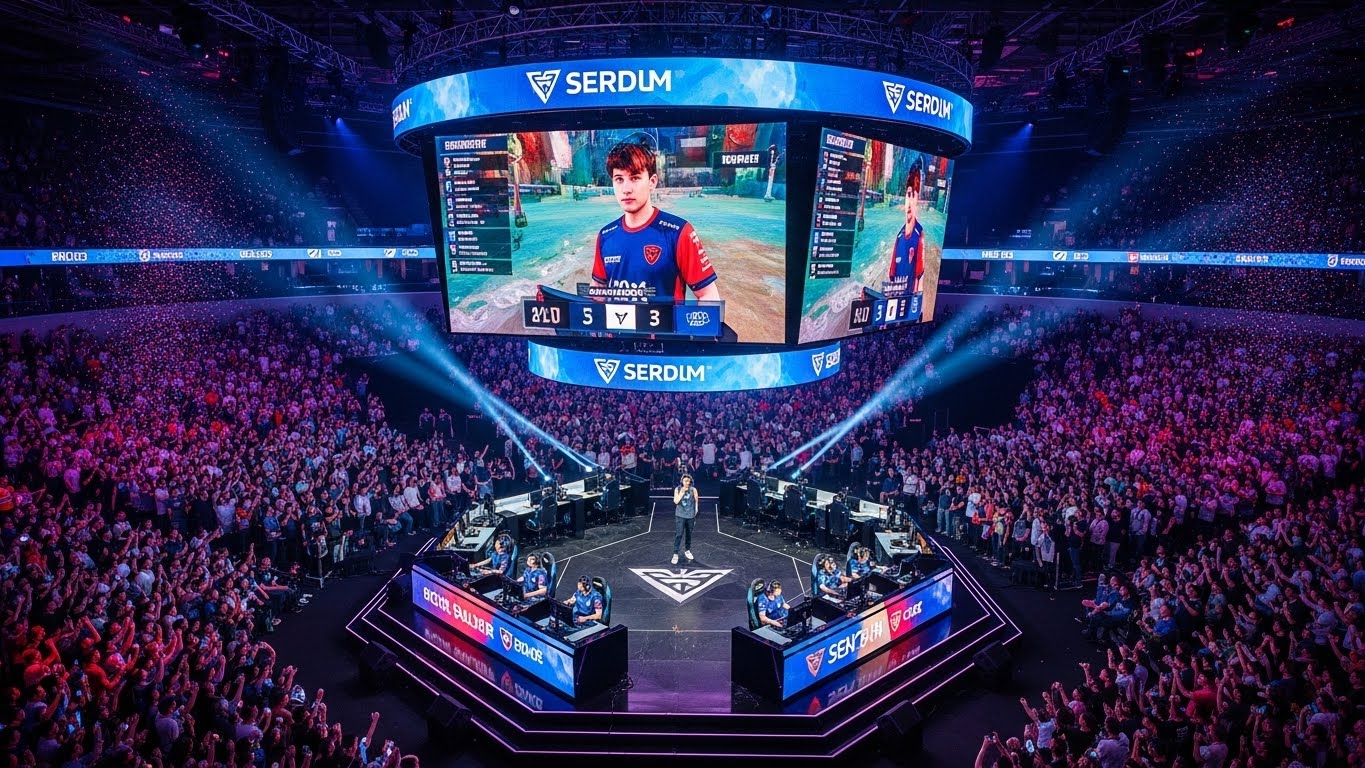
One of the defining characteristics of esports is its massive, global audience. The appeal of esports transcends borders, with fans from all over the world tuning in to watch their favorite players and teams compete. In 2021, esports viewership was estimated at over 450 million people globally, and this number is expected to grow. Large tournaments, such as League of Legends World Championship and The International, attract millions of viewers both online and through traditional broadcast channels. These events have become a digital spectacle, similar to the scale of traditional sports like the Super Bowl or the FIFA World Cup.
The rise of esports has also led to the creation of esports arenas and live events. In major cities around the world, dedicated esports arenas host live events, drawing in thousands of fans who attend to watch their favorite teams compete in person. For example, the League of Legends World Championship Finals have been held in iconic locations such as the Beijing National Stadium, attracting thousands of fans to witness high-stakes competition. The live experience, combined with the ability to watch the action online, has made esports a truly multi-platform form of entertainment.
Moreover, streaming platforms like Twitch and YouTube have revolutionized how esports are consumed. Players can now broadcast their gameplay, interact with their fans in real-time, and build a direct relationship with their audience. This has created a new form of celebrity in esports, where popular streamers and players amass large followings and monetize their content. Streamers often make money through ad revenue, sponsorships, donations, and merchandise sales. With platforms like these, fans can engage with their favorite players on a daily basis, which builds a sense of community and loyalty to teams and games.
Esports and Traditional Sports: A Growing Relationship
Though esports is a relatively new phenomenon, it has started to draw comparisons with traditional sports like football, basketball, and soccer. The similarities between esports and traditional sports are striking. Both feature professional teams that compete in leagues, live tournaments, and championships. Both offer substantial cash prizes and sponsorships, and both are backed by large audiences who follow their favorite players and teams.
Many traditional sports organizations are beginning to recognize the potential of esports, with several leagues now investing in gaming teams and partnerships. For example, the NBA has its own esports league, the NBA 2K League, where professional gamers compete in NBA 2K, a video game simulation of basketball. Similarly, the English Premier League has partnered with esports organizations to host FIFA tournaments, attracting both sports and gaming fans alike. This cross-pollination between traditional sports and esports has led to the creation of hybrid events and increased the legitimacy of competitive gaming.
There are also several parallels between the professionalization of esports and traditional sports. Just as athletes in football, basketball, and baseball go through rigorous training regimens and skill development, esports players undergo intense practice sessions, study their games, and analyze opponents. Additionally, esports teams have coaches who help develop strategies and prepare for high-level competitions, much like traditional sports coaches.
The Impact of Esports on the Gaming Industry
Esports has dramatically shaped the video game industry. It has elevated video games from being primarily a solo or casual activity to becoming a professional and spectator-driven entertainment form. This shift has had significant economic and cultural implications for the gaming world. The rise of esports has led to an increase in game development that focuses on multiplayer experiences and competitive gameplay.
Developers are now prioritizing online multiplayer modes, balanced competitive play, and spectator-friendly features to cater to the growing esports audience. Games like Fortnite, Valorant, Overwatch, and Call of Duty have all integrated esports components into their design, creating competitive ladders, tournaments, and professional leagues. As a result, developers and publishers are investing heavily in esports as part of their long-term business strategy. This has, in turn, led to the rise of game publishers who sponsor events, create new leagues, and offer cash prizes to entice top players to compete in their games.
Additionally, the rise of esports has given a boost to streaming platforms, gaming hardware, and merchandise. Streaming platforms like Twitch and YouTube have become essential hubs for both players and fans. Companies that make gaming peripherals like headsets, mice, and keyboards also benefit from the esports market, as professional players and fans alike demand high-quality gaming equipment. The esports industry has also fostered a booming market for esports-related merchandise, from team jerseys and hats to branded gaming accessories.
The Future of Esports
The future of esports appears to be bright, with the industry poised for continued growth. As gaming becomes increasingly mainstream and esports attracts more viewers, the economic potential of the industry continues to expand. With major brands investing in esports sponsorships and media rights, the financial backing of esports is set to increase. In fact, analysts predict that the global esports market will exceed $1.5 billion by 2023, with a significant portion of that revenue coming from sponsorship deals, streaming platforms, and live events.
Esports will likely continue to gain traction among younger audiences who are more accustomed to digital entertainment. Schools and universities are also jumping on the esports bandwagon, with many institutions offering scholarships for competitive gamers and establishing esports programs. This further solidifies esports as a legitimate and sustainable career path.
Moreover, the evolution of virtual reality (VR) and augmented reality (AR) is expected to influence the future of esports. As VR and AR technologies mature, we could see the next generation of esports offering fully immersive experiences, blurring the lines between digital and physical realities.
Conclusion
Esports has proven that competitive gaming is more than just a passing trend. It has become a major player in the entertainment industry, creating careers for players, attracting millions of fans, and shaping the future of gaming. With its global reach, professionalization, and ongoing technological advancements, esports is a force that is here to stay. For fans, players, and developers alike, esports represents the convergence of passion, technology, and entertainment, and its future holds limitless potential.