




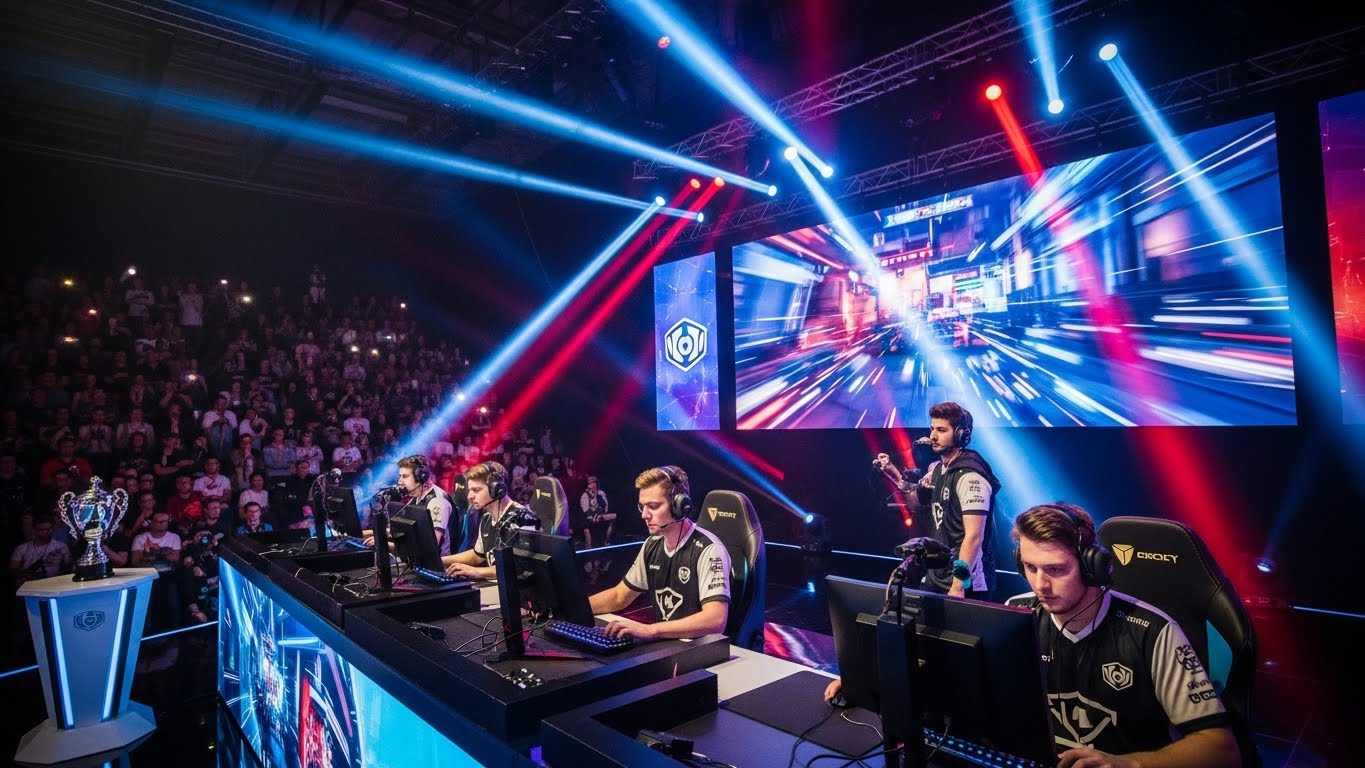
In the past two decades, the world of competitive gaming, commonly known as esports, has transformed from a niche hobby into a global phenomenon. What was once seen as casual entertainment among friends has evolved into a multi-billion-dollar industry with professional players, teams, leagues, and dedicated fanbases. Esports is not just about playing video games; it is a blend of strategy, skill, teamwork, and digital culture. This blog explores the rise of esports, its impact on society, and why it is shaping the future of competition.
What Are Esports?
Esports, or electronic sports, refers to organized, competitive video gaming at a professional level. Players compete in various genres including real-time strategy, first-person shooters, multiplayer online battle arenas, and sports simulations. Popular titles like League of Legends, Dota 2, Counter-Strike, and Fortnite have become household names in the esports community.
Unlike casual gaming, esports emphasizes high-level strategy, precise execution, and teamwork. Professional players spend hours practicing mechanics, analyzing opponents, and refining strategies. The competitive nature of esports mirrors traditional sports in many ways, with leagues, tournaments, rankings, and global recognition.
The Growth of the Esports Industry
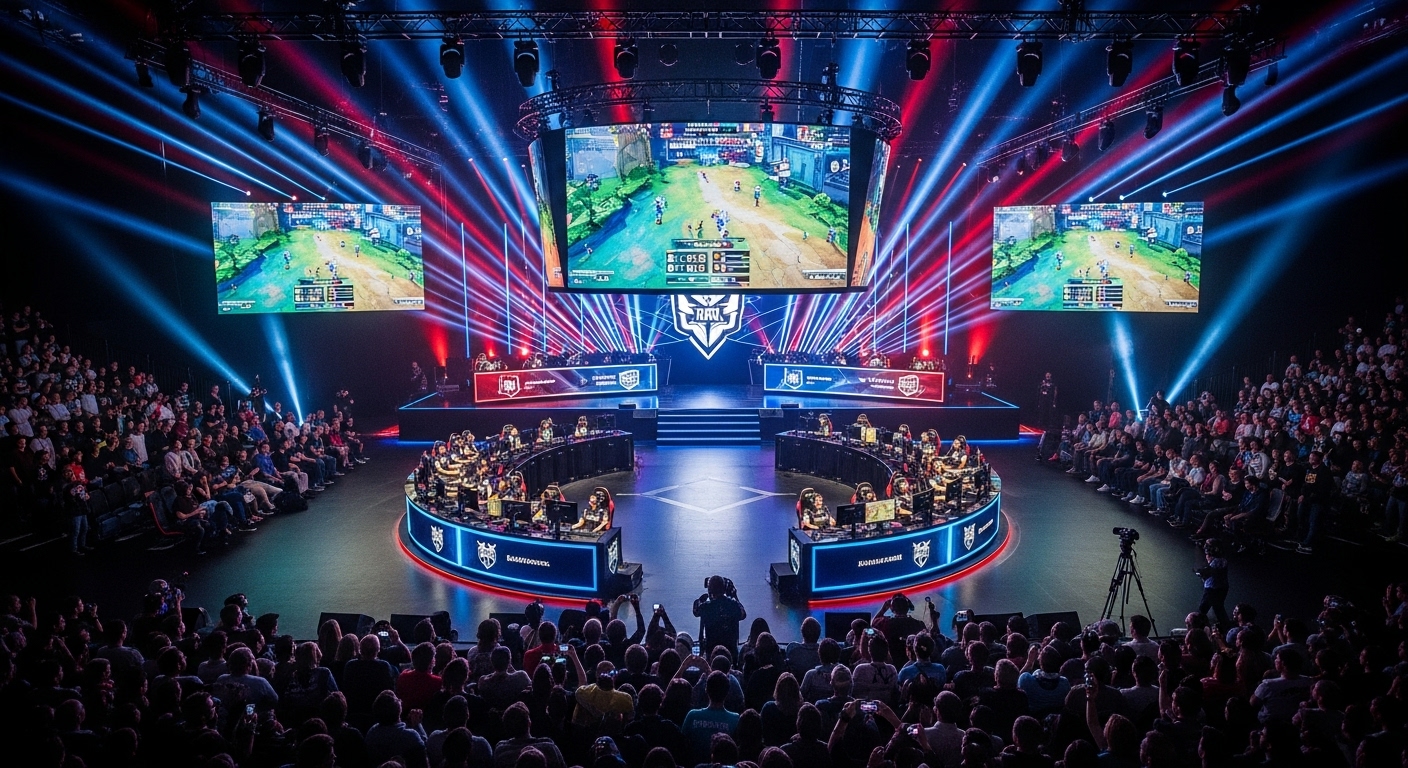
The growth of esports over the past decade has been nothing short of extraordinary. From small LAN parties to massive stadium events, esports has grown into a global spectacle. Professional leagues offer millions in prize money, and tournaments attract thousands of spectators in arenas as well as millions more online.
Streaming platforms have played a critical role in this growth. Gamers can broadcast their gameplay live to audiences worldwide, creating communities and fanbases. Sponsorships, advertising, merchandise, and media rights contribute to the economic expansion of esports, transforming it into a viable career path for talented players, commentators, and content creators.
Skills and Training in Esports
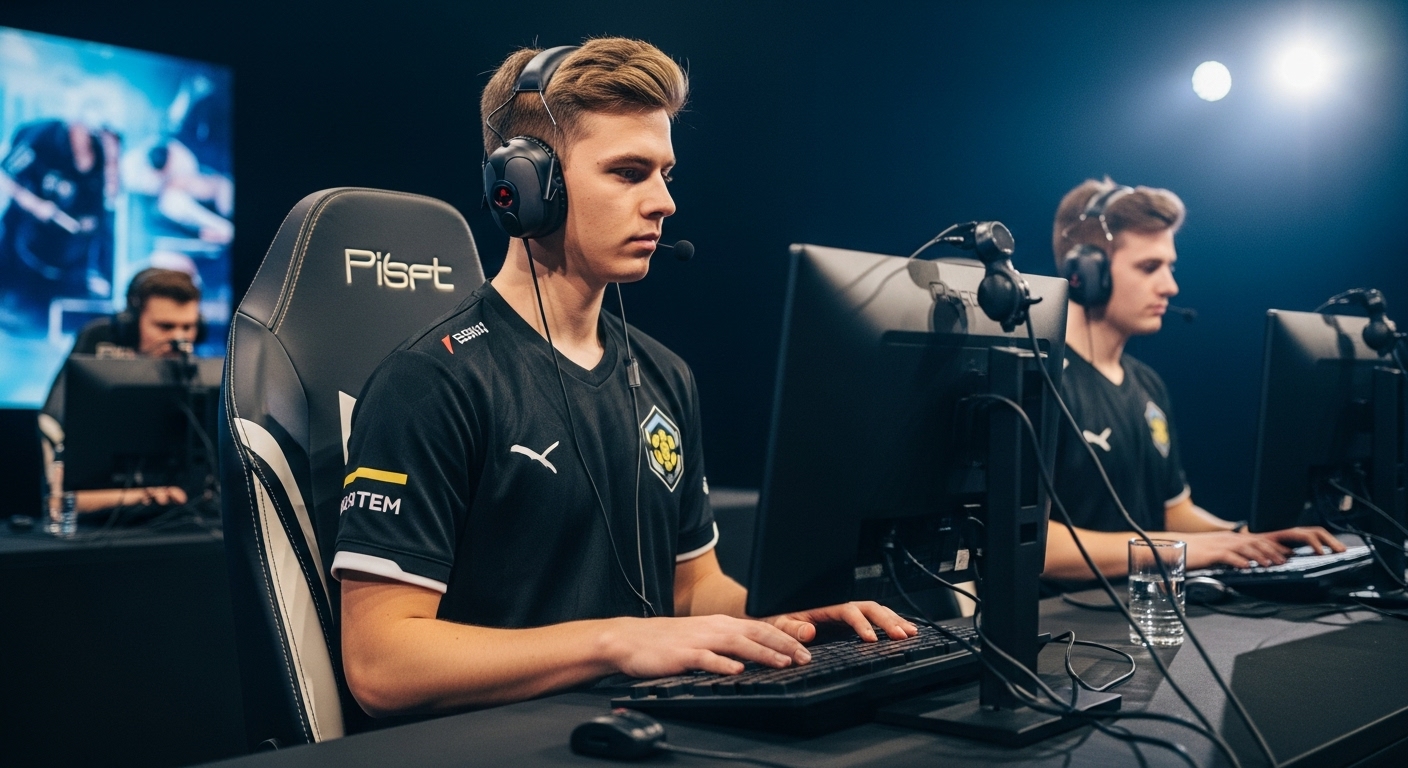
Success in esports requires far more than quick reflexes or casual gaming experience. Professional players train rigorously, often dedicating 8 to 12 hours daily to practice. They focus on improving hand-eye coordination, reaction time, game sense, and communication skills.
Team-based games demand coordination, strategic planning, and adaptability. Players must anticipate opponents’ moves, devise counter-strategies, and execute plays under pressure. Coaches, analysts, and mental trainers are increasingly common in esports organizations, highlighting the professional and structured nature of this competitive ecosystem.
The Role of Technology in Esports
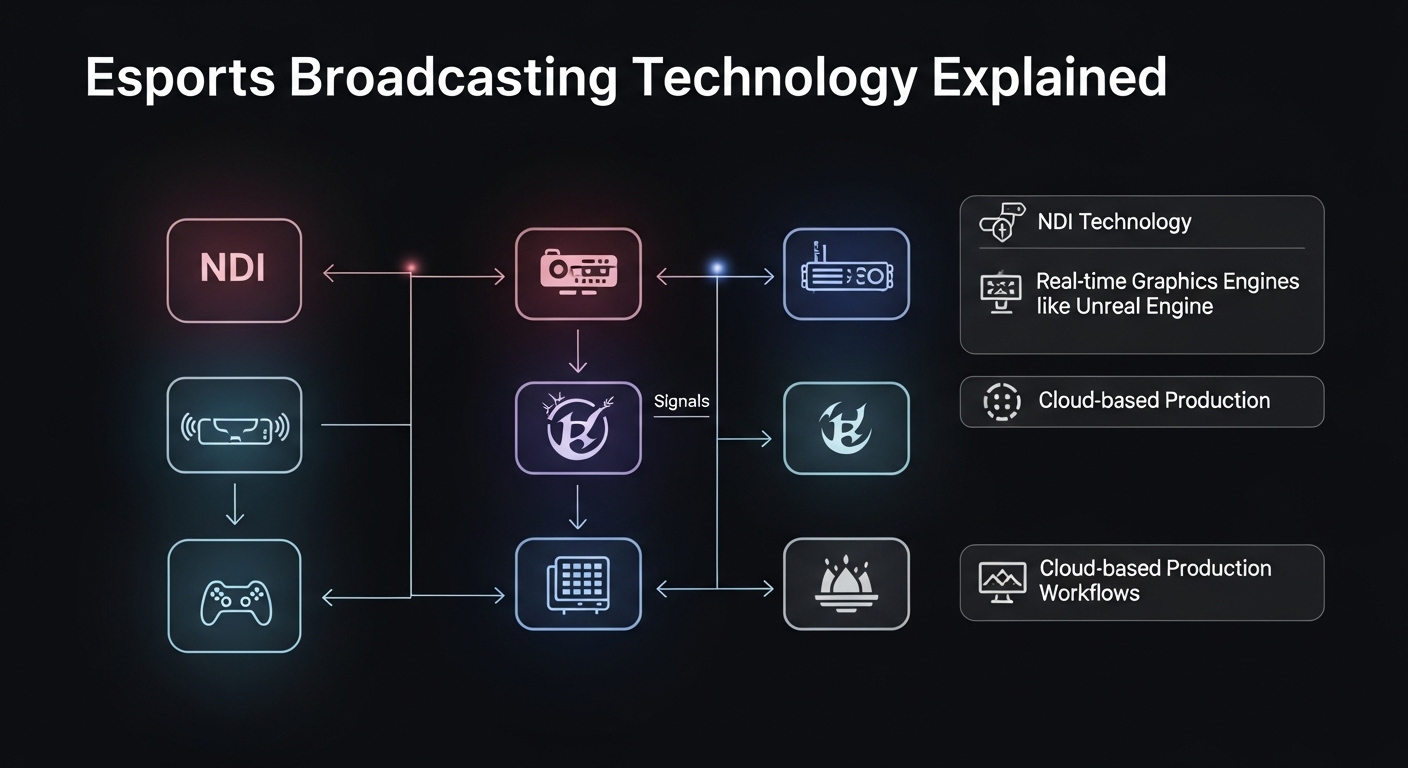
Technology is at the heart of esports. High-performance computers, fast internet connections, gaming peripherals, and streaming software enable players to perform at their best and connect with audiences globally. Data analytics is also becoming crucial, allowing teams to study opponents, track performance metrics, and optimize strategies.
Moreover, technological advancements such as virtual reality and cloud gaming are poised to reshape esports in the future. These innovations will create new experiences for players and fans, making esports even more immersive and interactive.
Esports and Mental Health
The intense nature of competitive gaming can take a toll on mental health. Stress, burnout, and performance anxiety are common challenges faced by professional esports athletes. Managing these pressures requires not only physical stamina but also mental resilience.
Many esports organizations now employ psychologists and counselors to support players. Mindfulness, proper sleep schedules, and breaks from gaming are essential for maintaining mental well-being. Just like traditional athletes, esports players must balance performance with health to sustain long-term careers.
The Community Aspect of Esports
Esports thrives on community. Unlike traditional sports where fans are tied to geographical locations, esports communities are global. Fans connect through forums, social media, live streams, and in-person events. The sense of belonging, shared excitement, and collaborative discussion around games create a unique social experience.
Communities also nurture aspiring players, offering guidance, mentorship, and opportunities to join amateur leagues. These networks contribute to the growth of esports by discovering talent and keeping players engaged beyond professional circuits.
Esports as a Career
Esports has emerged as a legitimate career path. Professional players earn salaries, prize money, sponsorship deals, and streaming revenue. Beyond playing, careers in esports include coaching, analysis, commentary, event management, marketing, and content creation.
While the path to success is highly competitive, the opportunities in esports are growing. Universities and educational institutions are now offering scholarships and programs dedicated to esports, recognizing its legitimacy as a professional and academic pursuit.
Esports and Education
The educational potential of esports is increasingly recognized. Schools and colleges are establishing esports programs to teach teamwork, strategy, digital literacy, and leadership skills. These programs engage students who might not participate in traditional sports, providing a platform for talent development and personal growth.
Esports also promotes STEM education. Understanding game mechanics, coding, hardware optimization, and data analysis can spark interest in computer science, engineering, and technology-related fields. By bridging entertainment and learning, esports has the potential to shape both minds and careers.
The Economic Impact of Esports
The esports industry is a significant economic driver. Sponsorships, merchandise sales, ticketing for live events, and media rights generate billions of dollars annually. Esports tournaments attract global attention, influencing local economies through tourism, hospitality, and marketing opportunities.
Investments from tech companies, sports organizations, and media networks continue to fuel growth. The economic footprint of esports is expected to expand further as more audiences and markets engage with competitive gaming worldwide.
Esports and Cultural Influence
Esports has become a cultural phenomenon. It influences fashion, music, social media, and entertainment. Popular games inspire fan art, memes, and cosplay, while professional players become cultural icons. Esports events are celebrated like traditional sporting events, with ceremonies, merchandise, and fan engagement.
Additionally, esports has helped break down barriers between countries and cultures. Players from different nations compete on the same stage, fostering global connections and understanding. In this way, esports is not only a competitive arena but also a cultural bridge.
Challenges Facing Esports
Despite its rapid growth, esports faces several challenges. Issues like cheating, online harassment, toxic behavior, and fairness in competition remain prevalent. Ensuring integrity, fair play, and safe online environments is critical for long-term sustainability.
Moreover, the physical and mental demands of professional gaming can lead to burnout. Establishing healthy practices, regulations, and support systems is essential to protect players and maintain the industry’s credibility. Inclusivity and equal representation, especially for women and marginalized groups, remain areas for improvement.
The Future of Esports
The future of esports looks bright and expansive. Virtual reality, augmented reality, and AI-driven training will redefine how games are played and experienced. Esports is likely to merge further with mainstream entertainment, attracting wider audiences and new revenue streams.
Integration with traditional sports organizations, media partnerships, and global tournaments will continue to elevate esports’ visibility. The potential for cross-cultural collaboration, technological innovation, and professional growth makes esports a defining element of digital culture in the 21st century.
Conclusion
Esports has evolved from a pastime into a global movement, reshaping how we perceive competition, entertainment, and community. It combines skill, strategy, and technology in ways that rival traditional sports while offering unique opportunities for connection, education, and professional growth.
As the industry continues to grow, esports will remain a platform where talent, innovation, and dedication converge. From aspiring players to global audiences, esports represents a new era of competition—dynamic, inclusive, and digitally connected. The rise of esports is more than a trend; it is a transformation of how we engage with games, community, and the spirit of competition in the modern world.