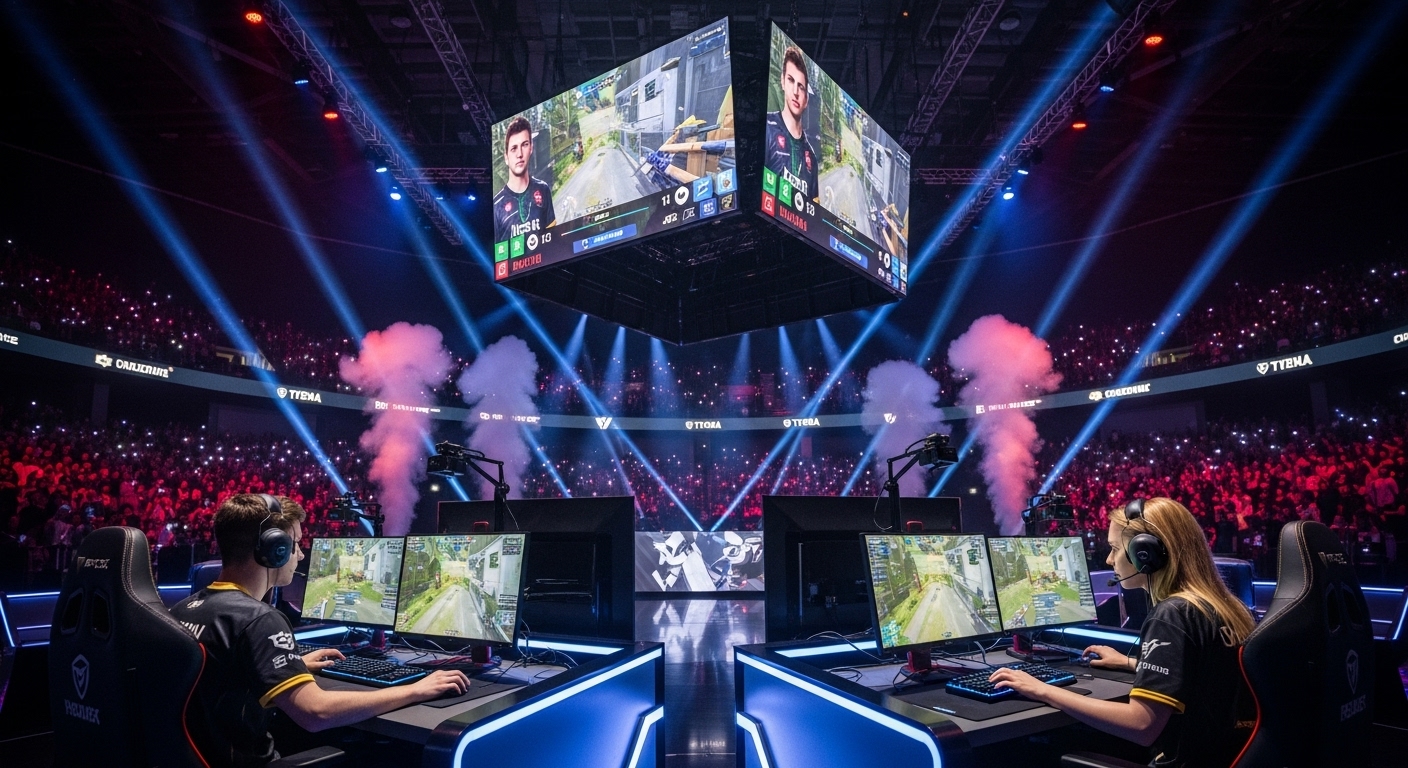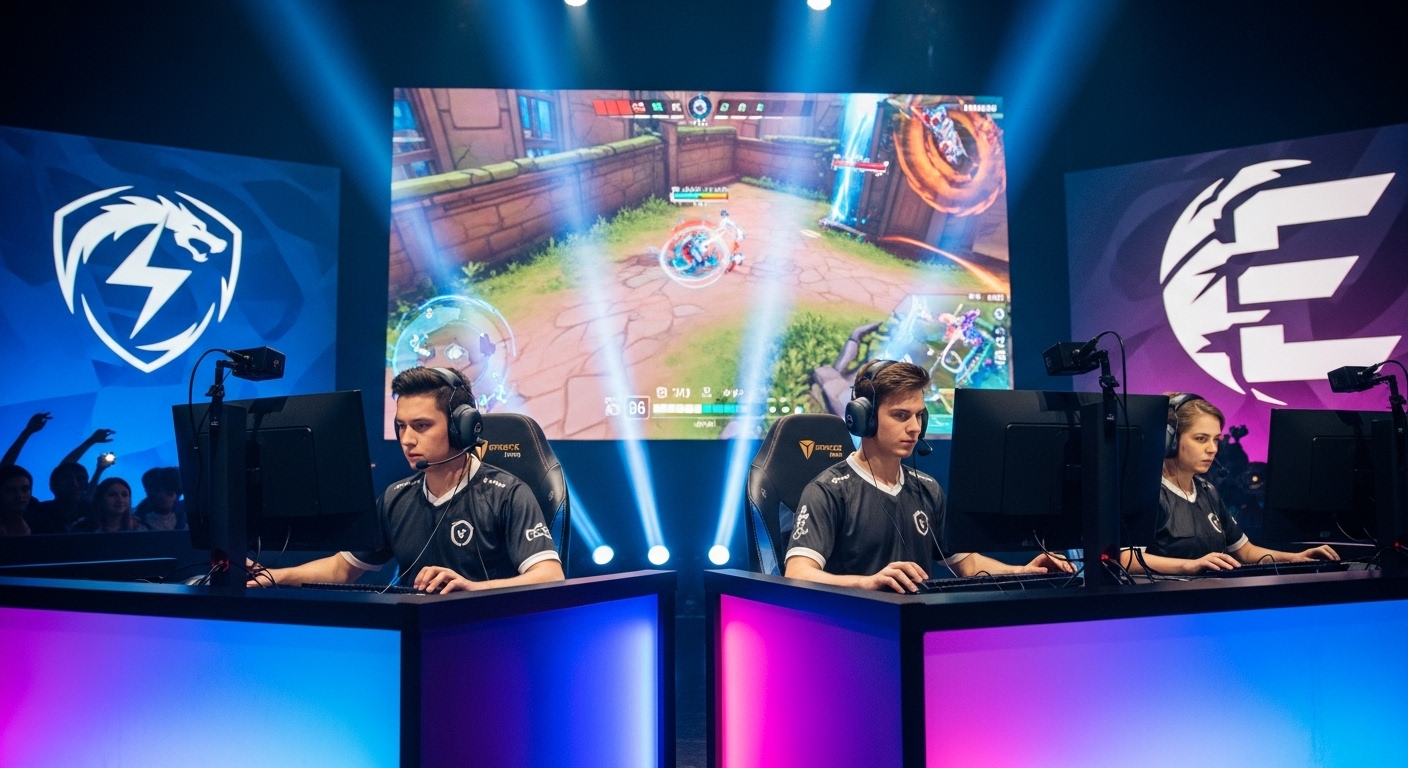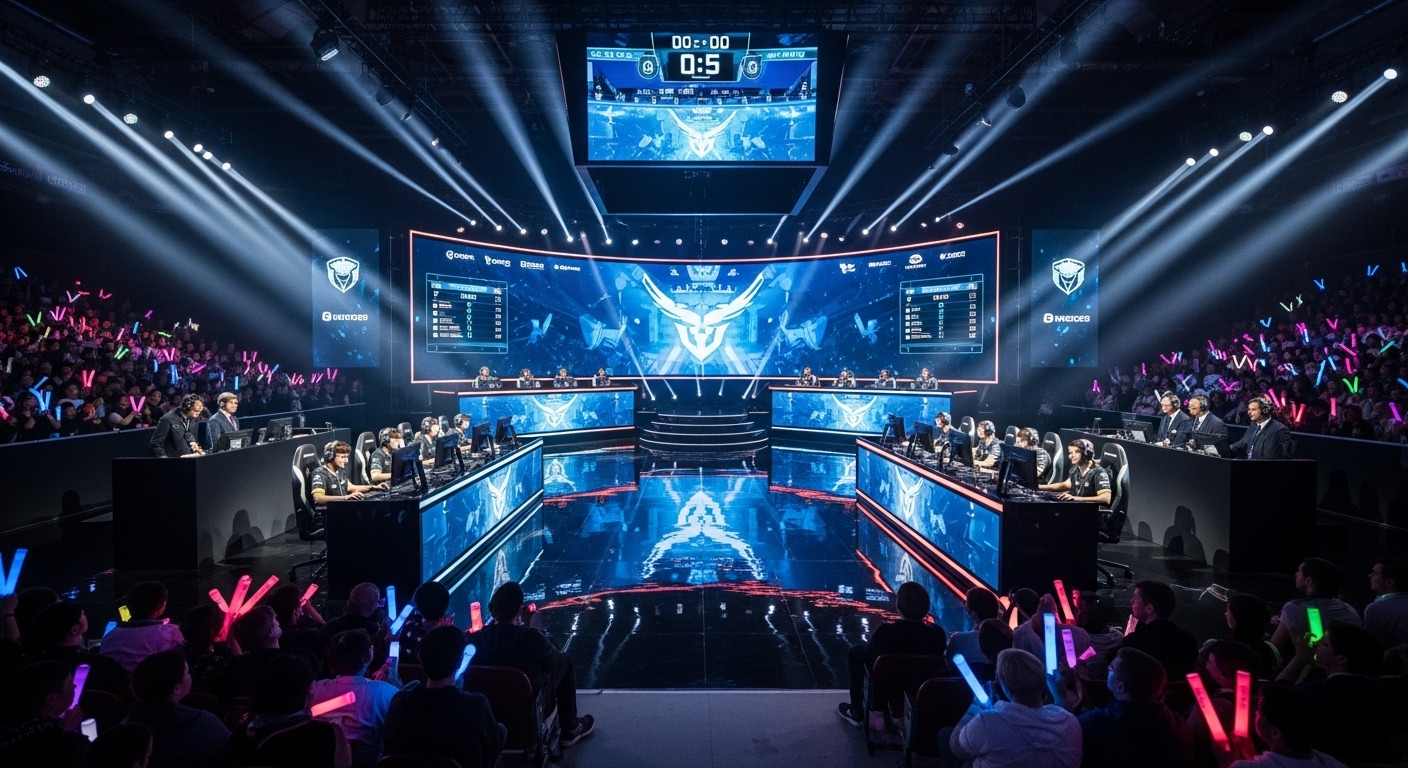





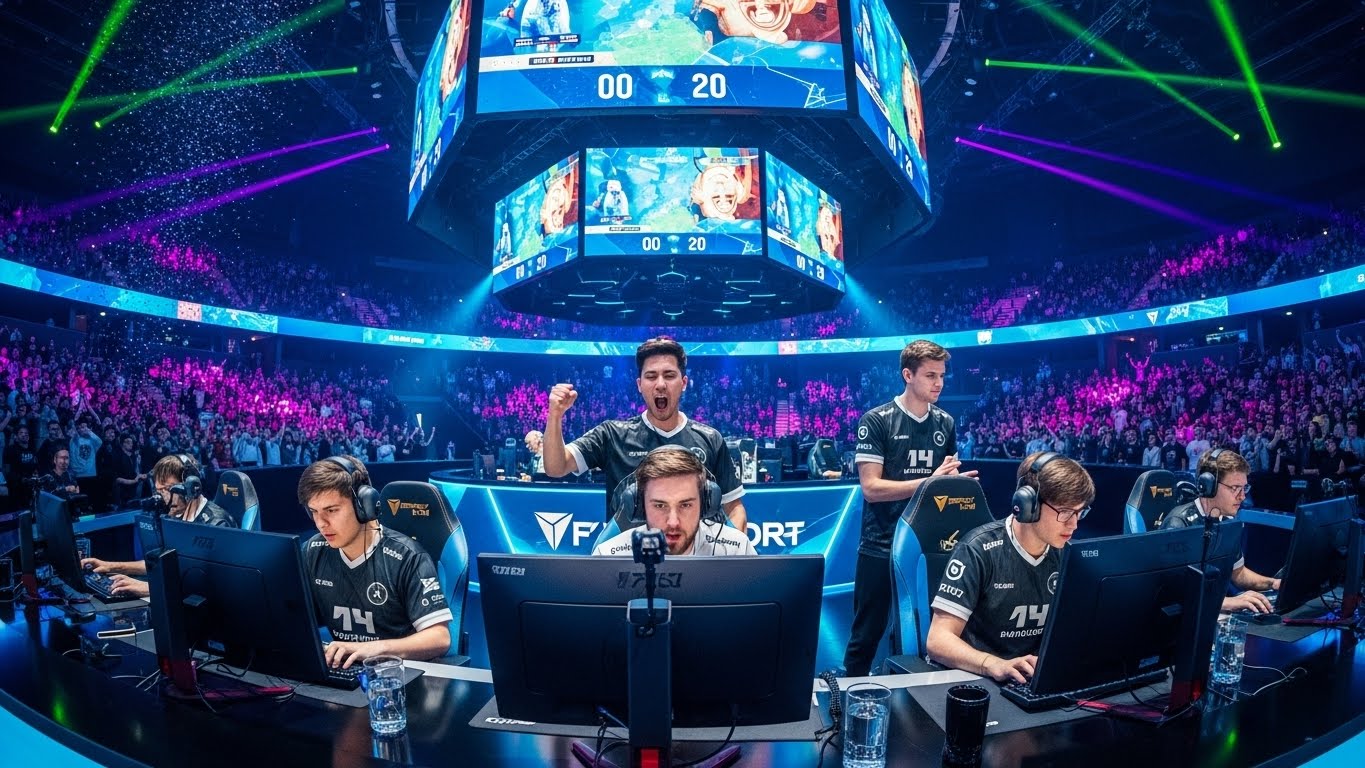
In the past decade, esports has emerged from a niche hobby into a global phenomenon, captivating millions of fans and transforming the way people engage with games. Competitive gaming is no longer just about casual entertainment among friends; it has evolved into a professional, organized, and highly competitive industry. Esports combines skill, strategy, teamwork, and digital culture, offering new forms of entertainment, career opportunities, and community engagement. This blog explores the rise of esports, its influence on society, the skills required for success, and its potential to shape the future.
What is Esports?
Esports, short for electronic sports, refers to organized, competitive video gaming played at professional and semi-professional levels. Unlike casual gaming, esports involves structured tournaments, rigorous training, ranking systems, and often large-scale events with significant prizes. Popular esports titles span various genres, including Multiplayer Online Battle Arenas, first-person shooters, real-time strategy games, and sports simulations. Examples include League of Legends, Dota 2, Counter-Strike: Global Offensive, Fortnite, and Valorant.
Professional esports players demonstrate exceptional skill, focus, and dedication. They train for hours daily, develop strategies, and collaborate with teammates to gain a competitive edge. Esports has grown to mirror traditional sports in many ways, with leagues, sponsorships, coaching, and a growing fanbase that treats players like elite athletes.
The Rapid Growth of Esports
The esports industry has experienced explosive growth in recent years. Tournaments that once attracted only a handful of viewers now fill stadiums and reach millions of people online. Esports events generate substantial revenue through sponsorships, media rights, merchandise, and ticket sales, making the industry a major player in global entertainment.
Streaming platforms have played a crucial role in this expansion. Players can broadcast their gameplay live to worldwide audiences, allowing fans to watch, interact, and learn strategies in real-time. This interactive model creates a sense of community and loyalty that traditional sports often struggle to achieve. Esports’ growth is fueled by its accessibility, global reach, and ability to connect players and fans in ways that transcend geography and language.
Essential Skills for Esports Players
Success in esports requires more than reflexes or casual gaming experience. Professional players develop a range of skills, including quick decision-making, precise hand-eye coordination, multitasking, and strategic thinking.
Team-based games demand communication, coordination, and leadership. Players must work together to plan strategies, adapt to opponents’ tactics, and maintain focus under pressure. Individual games emphasize discipline, focus, and adaptability. Many esports organizations now employ coaches, analysts, and even mental health professionals to support player performance and wellbeing. This professionalization underscores how seriously esports is taken and how much dedication is required to compete at the highest level.
Physical and Mental Health in Esports
Contrary to common assumptions, esports is not purely a mental pursuit. Physical health plays a vital role in performance, as long hours of gaming can lead to repetitive strain injuries, eye strain, and posture-related issues. Professional players often follow fitness routines, practice proper ergonomics, and prioritize rest to maintain peak performance.
Mental health is equally critical. Players face high-pressure situations, public scrutiny, and a highly competitive environment, which can lead to stress, burnout, and anxiety. Many esports teams now integrate mental health support, counseling, and mindfulness practices to help players manage pressure and sustain long-term careers. Balance is key to maintaining performance and overall wellbeing in the demanding world of esports.
The Role of Technology in Esports
Technology is the backbone of esports. High-performance computers, fast internet connections, advanced gaming peripherals, and specialized software enable professional-level competition. Data analytics allows teams to study performance, analyze opponents, and refine strategies.
Emerging technologies like virtual reality, augmented reality, and artificial intelligence are poised to transform esports further. These innovations promise immersive experiences for players and audiences, new training techniques, and enhanced spectator engagement. Technology not only powers esports but continually expands its possibilities, making it one of the most dynamic entertainment industries in the world.
Career Opportunities in Esports
Esports offers a diverse array of career opportunities beyond playing professionally. Players can earn income through salaries, prize money, sponsorships, and streaming revenue. Additionally, careers in coaching, content creation, broadcasting, event management, marketing, and game development are increasingly common.
Universities and educational institutions have recognized esports as a legitimate field, offering scholarships and dedicated programs to develop talent. These initiatives provide structured pathways for students to pursue esports as a profession while learning valuable skills like teamwork, strategy, and digital literacy.
The Community and Cultural Influence of Esports
Community is central to the esports experience. Unlike traditional sports, where fanbases are tied to cities or regions, esports communities are global. Fans engage through social media, forums, streaming platforms, and live events, sharing insights, celebrating achievements, and supporting players.
Esports also influences popular culture. Players become influencers, shaping fashion, entertainment, and digital trends. Games inspire fan art, cosplay, and creative content, building a cultural ecosystem around competitive gaming. Furthermore, international tournaments foster cross-cultural interaction, connecting players and audiences from different countries and promoting global understanding.
Educational Benefits of Esports
Esports offers educational potential beyond entertainment. Schools and universities incorporate esports programs to teach leadership, teamwork, strategic thinking, and digital literacy. These programs engage students who may not participate in traditional sports, providing alternative avenues for personal development and skill-building.
Esports also encourages interest in technology and science. Understanding game mechanics, analyzing performance data, and optimizing strategies can lead to careers in computer science, engineering, and digital innovation. By combining gaming with education, esports demonstrates its potential as a powerful tool for learning and career preparation.
Challenges in the Esports Industry
Despite its growth, esports faces several challenges. Cheating, online harassment, toxic behavior, and performance-enhancing practices can threaten the integrity of competition. Ensuring fair play, safety, and a positive community environment is essential for sustainable growth.
Inclusion remains another challenge. Women and marginalized groups are underrepresented in professional esports. Creating equal opportunities, promoting diversity, and addressing systemic barriers are crucial for the industry’s future. Additionally, the physical and mental demands of professional gaming require support systems to prevent burnout and sustain careers.
Economic Impact of Esports
The economic impact of esports is significant. Global tournaments generate revenue through ticket sales, sponsorships, merchandise, and media deals. These events boost local economies by attracting tourism, creating jobs, and increasing demand for hospitality services.
The broader esports ecosystem—including game developers, marketing agencies, media networks, and content creators—contributes to economic growth worldwide. Investment from technology companies, traditional sports organizations, and media outlets continues to expand the industry, solidifying esports as a key component of modern entertainment economics.
The Future of Esports
Esports is poised for continued growth and evolution. Advances in virtual reality, cloud gaming, and artificial intelligence will redefine both gameplay and viewing experiences. Esports is likely to become more immersive, interactive, and accessible, reaching wider audiences and bridging cultural divides.
Integration with traditional sports organizations, media partnerships, and international competitions will elevate esports’ profile even further. The combination of technology, cultural impact, and career opportunities positions esports as a defining element of the digital entertainment landscape.
Conclusion
Esports has evolved from a niche hobby into a global cultural and professional phenomenon. It combines skill, strategy, and technology in ways that rival traditional sports while offering unique opportunities for engagement, education, and community building.
From professional players to global fans, esports provides a platform where talent, innovation, and dedication converge. As the industry grows, esports represents more than just competitive gaming—it embodies the future of entertainment, learning, and global connection. The rise of esports is not a passing trend; it is a transformation in how people compete, collaborate, and connect in the modern world.