




Introduction: The Digital Arena
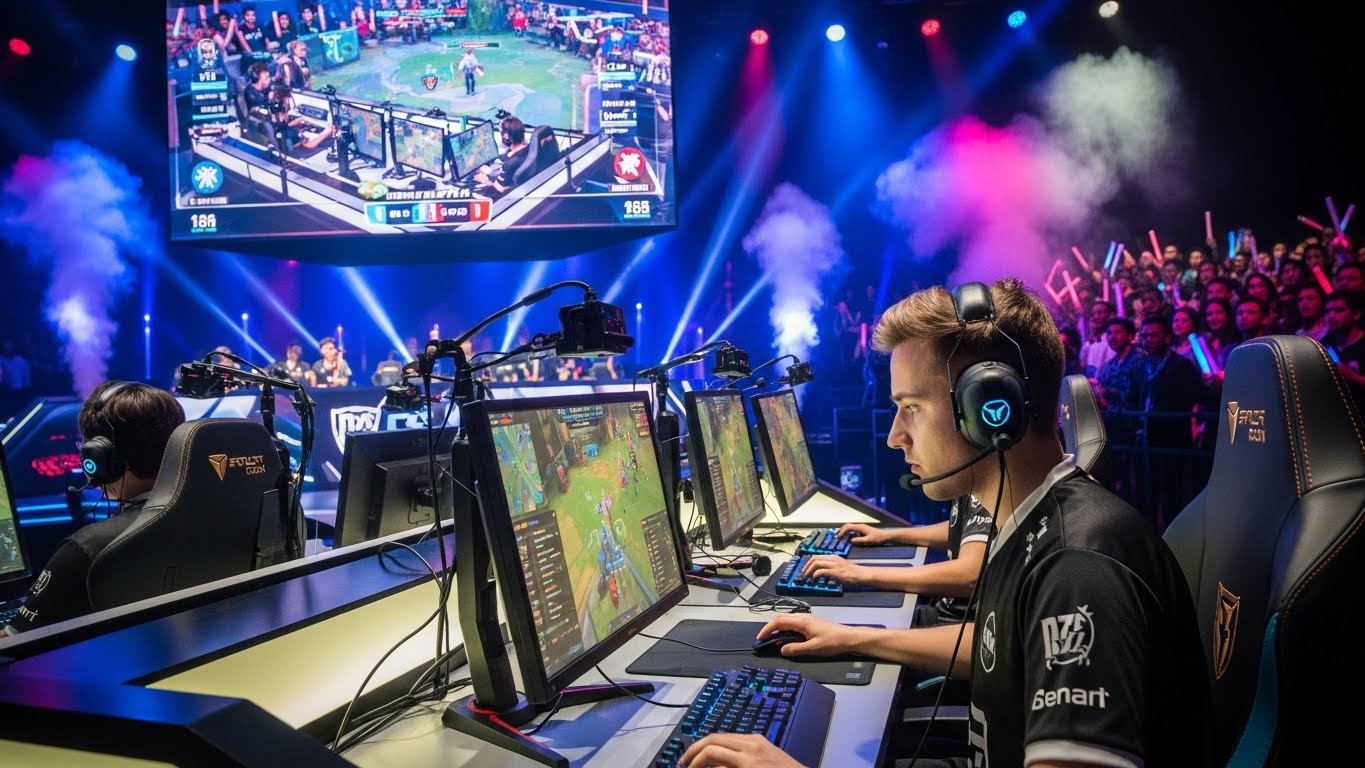
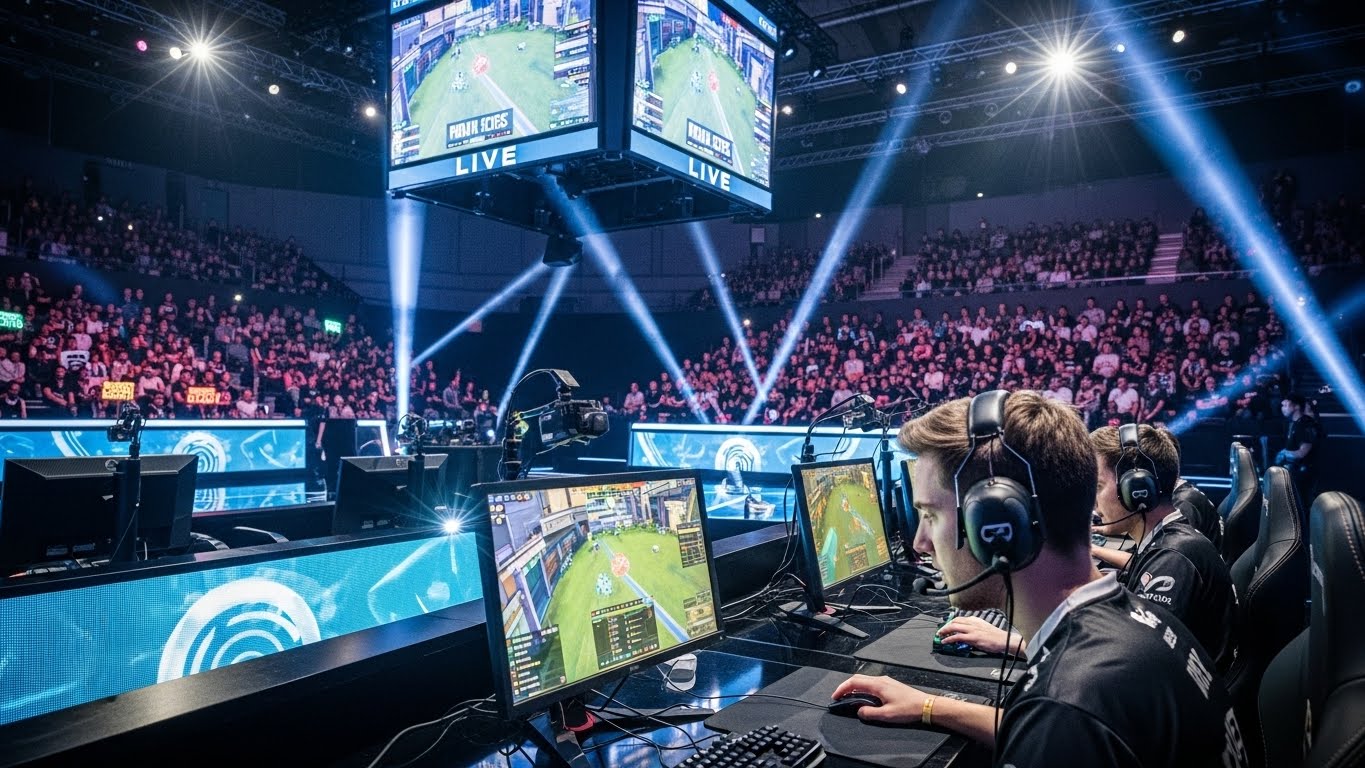
In the past two decades, gaming has transformed from a simple hobby into a global phenomenon, giving rise to one of the most dynamic and fast-growing industries in the world: esports. Competitive gaming, once confined to small gatherings and local tournaments, now attracts millions of viewers online and fills stadiums with fans eager to witness digital battles unfold. Esports is no longer a niche pursuit; it has become a cultural and economic force, reshaping how people perceive competition, entertainment, and even career opportunities.
The Evolution of Esports
The roots of esports can be traced back to the 1970s and 1980s, when arcade games like Space Invaders and Pac-Man began hosting high-score competitions. The emergence of personal computers and home consoles in the 1990s allowed for a broader audience to participate in competitive gaming. Titles such as StarCraft in South Korea and Counter-Strike in the West laid the groundwork for professional gaming leagues and communities. By the early 2000s, online multiplayer platforms allowed gamers to compete against each other in real-time, transcending geographical boundaries and creating a truly global esports ecosystem.
Popular Esports Titles and Their Impact
Modern esports encompasses a wide range of games, each with unique competitive communities and global followings. Multiplayer online battle arena (MOBA) games like League of Legends and Dota 2 have cultivated massive tournaments with prize pools reaching millions of dollars. First-person shooters (FPS) such as Counter-Strike: Global Offensive and Call of Duty emphasize precision, strategy, and teamwork, drawing audiences who enjoy high-stakes action. Sports simulation games like FIFA and NBA 2K connect traditional sports fans with the digital world, while fighting games such as Street Fighter and Super Smash Bros. foster tight-knit, skill-focused communities. Each genre contributes to esports’ diversity, ensuring there is something for everyone, whether players or spectators.
The Economics of Esports
Esports has evolved into a multi-billion-dollar industry with complex economic structures. Revenue streams come from various sources, including sponsorship deals, merchandise sales, ticketed live events, broadcasting rights, and advertising on streaming platforms. Companies recognize the immense potential of esports to reach younger, tech-savvy audiences, making sponsorships from gaming peripherals, energy drinks, and even non-endemic brands common. Professional players can earn substantial incomes, not only through tournament winnings but also via streaming, brand deals, and content creation. This financial viability has helped legitimize esports as a career path, attracting talented individuals who would have once focused solely on traditional sports or conventional professions.
The Role of Streaming and Social Media
One of the major catalysts for esports growth has been streaming platforms and social media. Platforms like Twitch, YouTube Gaming, and other live-streaming services allow fans to watch their favorite players and teams in real-time, fostering community engagement and interaction. Social media amplifies this effect by providing instant updates, highlights, and discussions, creating a global fan base that thrives on shared experiences. The combination of streaming and social media has transformed esports into not just a competition but a form of entertainment where narratives, rivalries, and personalities are just as important as in-game performance.
Esports as a Career
The perception of gaming as a mere pastime has drastically changed due to the professionalization of esports. Competitive players train rigorously, often dedicating ten to twelve hours daily to practice strategies, refine mechanics, and analyze opponents. Beyond players, careers in esports encompass coaches, analysts, commentators, event organizers, and content creators. Universities and institutions are now offering scholarships and programs tailored to esports, recognizing the skill, discipline, and teamwork required to excel. This professionalization has created pathways for young people to pursue their passion in a sustainable and rewarding manner.
The Cultural Influence of Esports
Esports has had a profound cultural impact, influencing fashion, music, and mainstream media. Gaming-inspired merchandise, apparel collaborations with popular brands, and the inclusion of esports themes in films and television series demonstrate its penetration into everyday life. Cosplay, fan art, and community-driven content further showcase the cultural relevance of esports, creating an ecosystem where players and fans contribute actively to the evolution of gaming culture. The digital arena has become a shared space for creativity, identity expression, and social interaction, particularly among younger generations.
Challenges and Criticisms
Despite its rapid growth, esports faces several challenges. The intense schedule and pressure can lead to burnout and mental health issues among players. Unlike traditional sports, esports lacks standardized regulations across leagues, creating disparities in rules, salaries, and treatment of players. Furthermore, the industry has faced scrutiny over inclusivity, with women and marginalized groups often underrepresented in competitive spaces. While esports has made strides in addressing these concerns, there remains a need for better governance, support systems, and community initiatives to ensure a healthy and equitable environment for all participants.
Technological Advancements Shaping Esports
Technology continues to play a pivotal role in shaping the esports landscape. High-speed internet, advanced gaming hardware, and virtual reality have enhanced both player performance and viewer experiences. Artificial intelligence and data analytics allow teams to study opponents’ strategies and optimize gameplay. Innovations in augmented reality and immersive broadcasting promise to make esports events even more engaging, bridging the gap between digital and physical spectating. As technology evolves, the boundary between traditional sports and esports continues to blur, opening new possibilities for hybrid experiences and interactive entertainment.
Esports and Education
Educational institutions are increasingly recognizing the value of esports beyond entertainment. Esports programs promote critical thinking, teamwork, leadership, and problem-solving skills. They offer students opportunities to develop professional competencies such as marketing, event management, and communication. Some schools have integrated esports into their curriculum, using game design, coding, and digital media as practical teaching tools. This educational dimension highlights esports’ potential as a vehicle for skill development and career readiness in a digital-first economy.
Global Reach and Diversity
One of esports’ most remarkable aspects is its global reach. Competitions bring together players from diverse cultural backgrounds, fostering international collaboration and understanding. Events like international tournaments and world championships showcase the universality of gaming, transcending language and geographic barriers. This global connectivity encourages cross-cultural exchange, provides representation for underrepresented communities, and underscores the inclusivity potential of esports as a worldwide phenomenon.
The Future of Esports
Looking ahead, esports shows no signs of slowing down. Its integration with mainstream entertainment, continual technological advancements, and growing acceptance as a legitimate career path suggest that the industry will continue expanding. Esports may evolve to incorporate more immersive experiences, enhanced fan engagement, and hybrid models that combine physical sports with digital competition. Additionally, ongoing efforts to address player welfare, inclusivity, and regulation will be critical in shaping a sustainable and responsible ecosystem. The future of esports is not just about competition but about community, innovation, and cultural influence.
Conclusion: More Than a Game
Esports has come a long way from its humble beginnings in arcades and home consoles. Today, it represents a convergence of technology, entertainment, culture, and professional ambition. It challenges traditional notions of sports, creates new economic opportunities, and fosters global communities united by a shared passion for gaming. Beyond the screen, esports has become a symbol of how digital experiences can transform society, offering lessons in perseverance, creativity, and collaboration. For players, fans, and professionals alike, esports is more than a game—it is a dynamic, evolving force that continues to redefine the boundaries of competition and entertainment in the 21st century.