




Esports has grown from a niche hobby into a worldwide industry that attracts millions of fans, players, and investors. If you’re a parent, you’ve probably heard your child talk about professional gamers, streaming tournaments, or wanting to join a team. For many parents, this world can feel confusing, overwhelming, or even concerning.
This guide is designed to give you a comprehensive understanding of esports, how it affects young people, and what role you can play in supporting your child. By the end, you’ll know what esports is, how it works, what opportunities it offers, and how to set healthy boundaries while still being supportive.
1. What Are Esports?
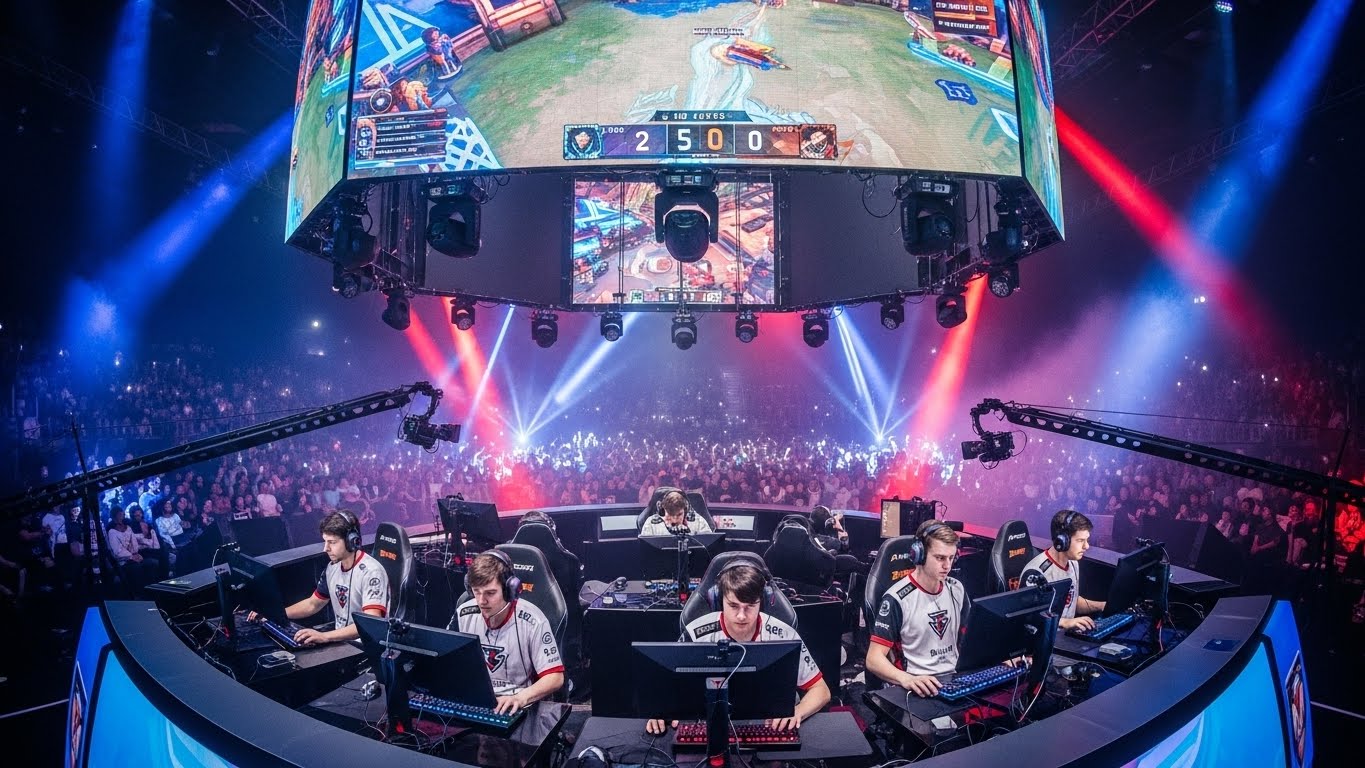
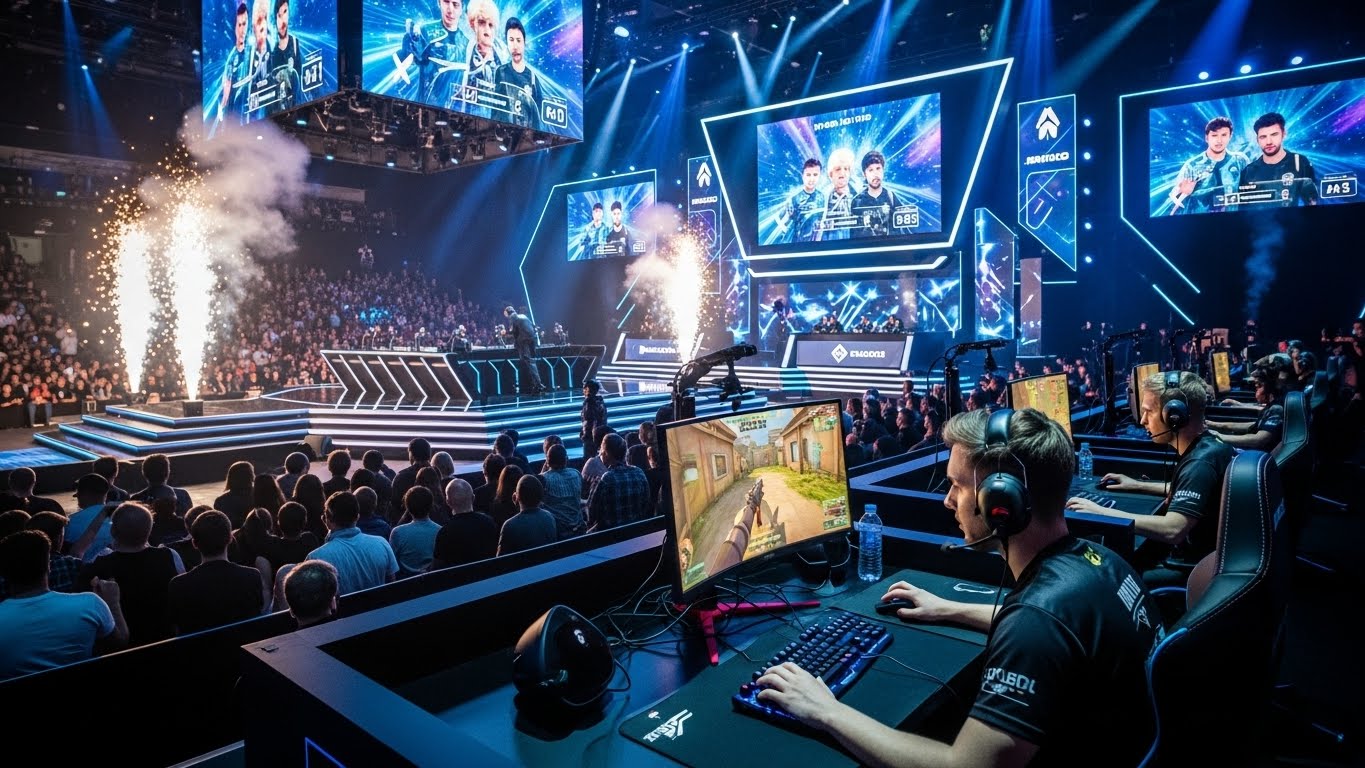
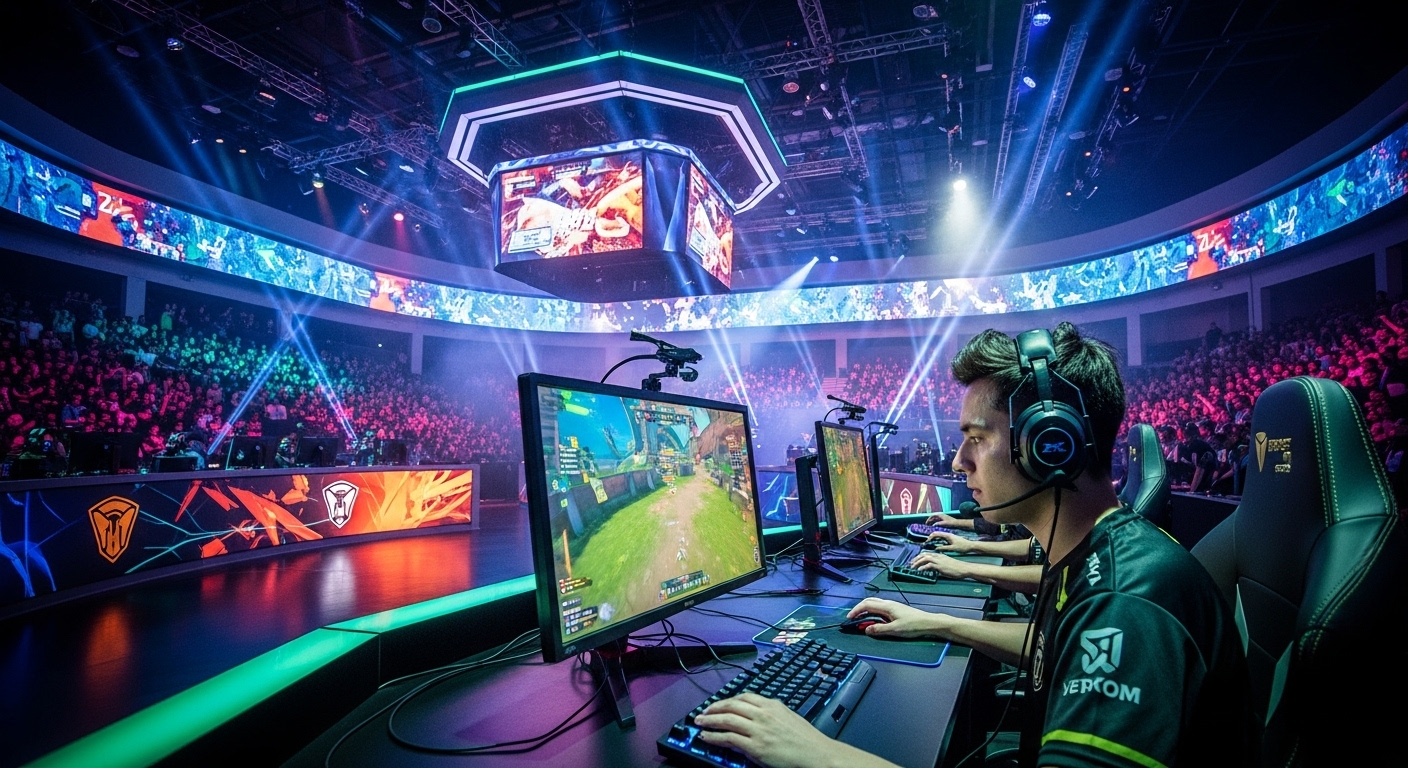
Esports, short for electronic sports, refers to organized, competitive video gaming. Instead of playing casually, players compete against one another in structured formats, often watched by live audiences in arenas or online.
The games vary widely, from fast-paced shooters like Counter-Strike or Valorant to strategy-heavy titles like League of Legends or Dota 2. There are also sports simulation games such as FIFA and NBA 2K.
Think of esports as the digital version of traditional sports. Players train, strategize, and work as a team, but instead of a ball and field, they use computers and consoles.
2. Why Esports Matters to Kids and Teens
For many young people, esports is more than just playing games—it’s a way of life. Here are some reasons it’s so appealing:
- Community: Esports connects kids with friends across the world. They find like-minded peers who share their passion.
- Competition: Just like soccer or basketball, esports provides the thrill of testing skills against others.
- Entertainment: Watching esports events is similar to following professional sports leagues. Kids cheer for their favorite teams and players.
- Career Aspirations: Many dream of becoming professional gamers, streamers, or working in the esports industry.
Understanding these motivations helps parents see that esports is not “just playing games”—it’s part of modern youth culture.
3. The Growth of Esports
Esports is no longer a small, underground activity. Major tournaments fill stadiums, attract millions of online viewers, and award prize pools that rival traditional sports. Some universities now offer scholarships for esports players.
Large companies sponsor esports teams, and broadcasting networks air tournaments. For kids who grew up online, esports is as natural as baseball or cricket was for previous generations.
4. Common Esports Games Parents Should Know
Here are some of the most popular esports titles your child might mention:
- League of Legends (LoL): A team-based strategy game with global tournaments.
- Dota 2: Known for its enormous prize pools.
- Counter-Strike 2 (CS2): A tactical shooting game.
- Valorant: A mix of shooting and team strategy.
- Fortnite: Famous for its battle royale format and younger player base.
- Rocket League: Soccer, but with rocket-powered cars.
- Overwatch 2: A colorful team shooter with unique characters.
- FIFA / EA Sports FC: Football (soccer) simulation with yearly editions.
Knowing these names helps you keep up with your child’s conversations and interests.
5. Benefits of Esports Participation
Contrary to the stereotype of gaming being “a waste of time,” esports offers genuine benefits when managed responsibly:
- Teamwork and Communication: Players must coordinate and rely on one another.
- Strategic Thinking: Success requires analyzing opponents and making quick decisions.
- Discipline: Competitive players often practice for hours and stick to training schedules.
- Technical Skills: Exposure to streaming, editing, and digital tools can lead to tech careers.
- Confidence and Social Skills: Competing and winning can boost self-esteem.
Esports can be a healthy outlet, provided balance is maintained.
6. Risks and Concerns Parents Should Be Aware Of
Of course, like any activity, esports has potential downsides:
- Screen Time: Excessive play can lead to eye strain, poor posture, or lack of exercise.
- Sleep Disruption: Late-night tournaments or gaming sessions can interfere with rest.
- Online Safety: Toxic behavior, cyberbullying, or exposure to inappropriate content can happen.
- Addiction Concerns: Some kids struggle to set limits.
- Unrealistic Expectations: While some dream of going pro, only a small percentage make it.
As a parent, being aware of these risks helps you address them early.
7. The Role of Parents in Esports
Your involvement matters more than you might think. Children often thrive when parents show interest in their hobbies, even if those hobbies seem unfamiliar. Here’s how you can engage:
- Learn About the Games: Ask your child to explain how their favorite game works.
- Watch Tournaments Together: This shows you value their passion.
- Encourage Balance: Support esports while ensuring they also focus on school, health, and social life.
- Set Healthy Limits: Agree on rules for screen time and study time.
- Provide a Safe Environment: Ensure online interactions are positive and safe.
8. Esports and Education
Some parents worry that esports distracts from schoolwork. However, many institutions are beginning to integrate esports into education.
High schools and universities now have esports clubs and scholarships. Playing on a school team can teach responsibility, teamwork, and leadership. Some programs even prepare students for careers in game design, marketing, or event management.
By channeling your child’s passion through structured environments, esports can enhance their educational journey.
9. Esports Career Paths Beyond Playing
Not every child will become a professional gamer, but the industry offers many other careers:
- Shoutcasters and Commentators: Like sports announcers, they narrate games.
- Coaches and Analysts: They train players and break down strategies.
- Event Organizers: Plan tournaments and manage logistics.
- Content Creators: Streamers, YouTubers, and social media influencers.
- Game Developers: Work on designing and programming the games themselves.
- Marketing and Business Roles: Sponsorships, team management, brand building.
This shows that esports isn’t just about playing—it’s a gateway into tech and media industries.
10. Healthy Boundaries for Esports at Home
As a parent, you can support esports while setting clear rules:
- Create a Gaming Schedule: Balance school, chores, and recreation.
- Encourage Breaks: Remind kids to stretch, hydrate, and rest their eyes.
- Prioritize Sleep: Enforce bedtimes, even if a tournament is happening.
- Discuss Online Behavior: Teach respect and digital etiquette.
- Encourage Physical Activity: Pair esports with exercise to stay healthy.
These steps ensure esports remains a positive part of your child’s routine.
11. Esports vs. Casual Gaming
It’s important to note the difference between esports and casual gaming.
- Casual Gaming: Played for fun, often solo or with friends.
- Esports: Competitive, structured, and often involves training, teamwork, and tournaments.
Your child may enjoy both. Recognizing the difference helps you understand their level of commitment.
12. Financial Aspects of Esports
Esports can involve money in several ways:
- Professional Players: Top players earn salaries, sponsorships, and prize winnings.
- Streaming Income: Many gamers earn money through platforms like Twitch or YouTube.
- Costs for Families: Equipment, internet, and sometimes tournament entry fees.
As a parent, it’s wise to talk about finances openly—help your child understand the realities of earning versus spending in this industry.
13. Esports and Health: Physical and Mental
While esports is sedentary, many professional players emphasize physical fitness. Good health improves reaction times and focus. Parents can encourage:
- Regular exercise routines.
- Proper posture and ergonomic chairs.
- Blue-light glasses to reduce eye strain.
- Mindfulness or meditation for mental balance.
Mental health is equally important. Esports can bring stress and pressure; open conversations about feelings are key.
14. Stories of Success
Hearing real examples helps parents see what’s possible.
- Many young players have earned scholarships through esports teams.
- Some streamers have built entire careers from home.
- Esports organizations now operate like traditional sports teams, offering structured opportunities.
These success stories show that passion for gaming can lead to meaningful futures, even outside playing professionally.
15. Tips for Parents New to Esports
Here are some practical steps if you’re just starting:
- Ask your child what games they love and why.
- Watch a match online or attend a local event together.
- Research your child’s favorite team or streamer.
- Encourage balance by scheduling study time before gaming.
- Celebrate small victories—whether your child wins a match or learns a new skill.
16. Esports as a Family Activity
Esports doesn’t have to be “their world” alone. Parents can participate too:
- Play simple games together.
- Host family gaming nights.
- Cheer them on in online tournaments.
- Discuss strategies like you would with traditional sports.
Sharing the activity strengthens family bonds.
17. Looking Toward the Future
Esports is still evolving. New games rise, old ones fade, and technology like virtual reality may change the landscape. But one thing is certain: esports is here to stay.
For parents, embracing it now helps prepare your child for a world where digital competition plays a major role.
18. Final Thoughts
Esports may feel foreign at first, but it is simply a modern form of play, competition, and community. By taking the time to understand it, you can guide your child toward balance, opportunity, and positive experiences.