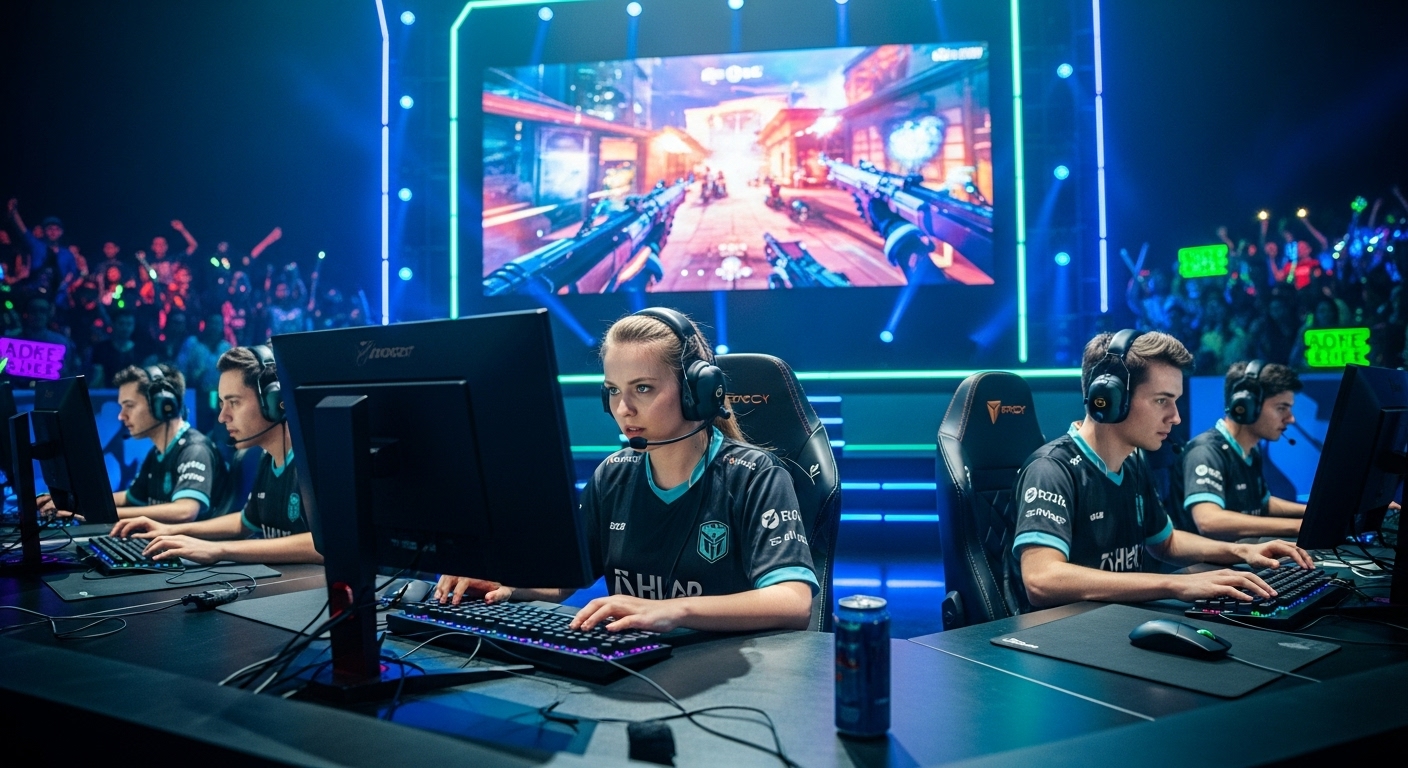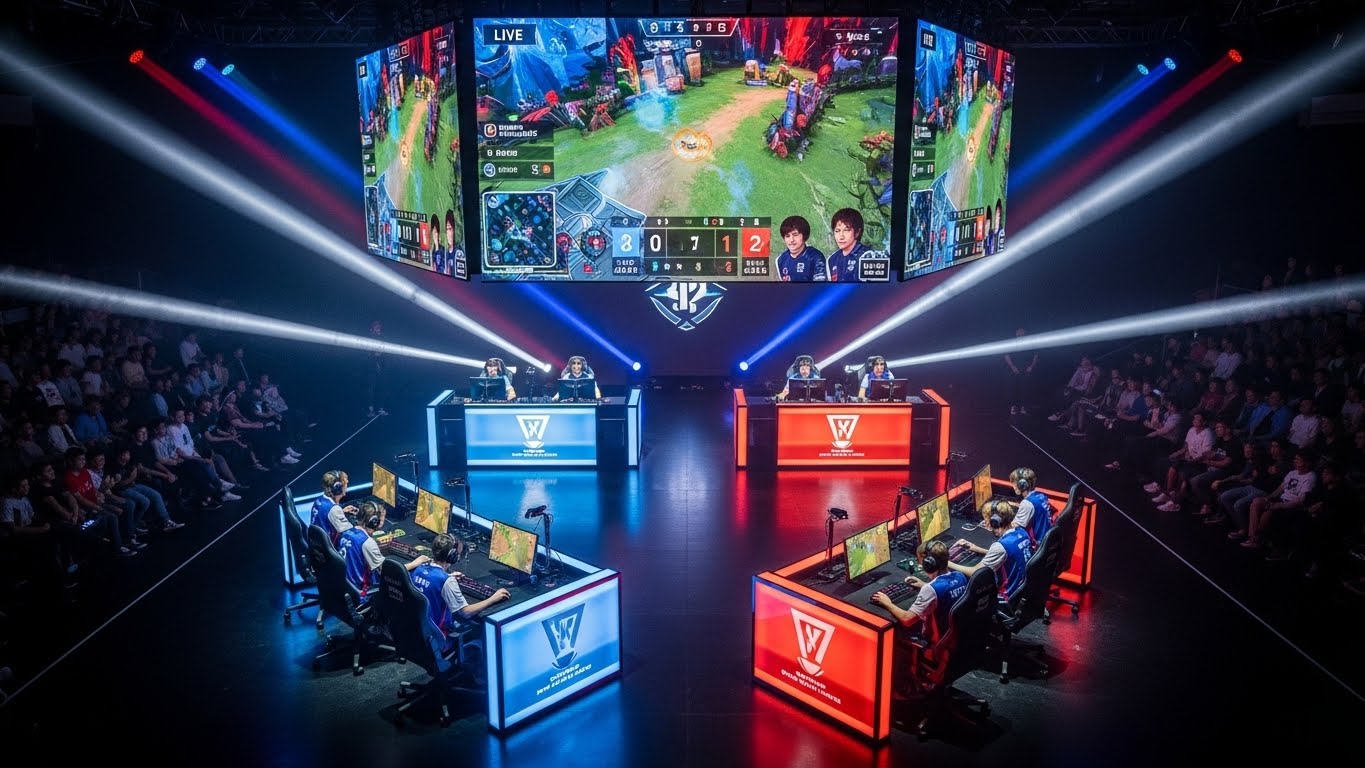





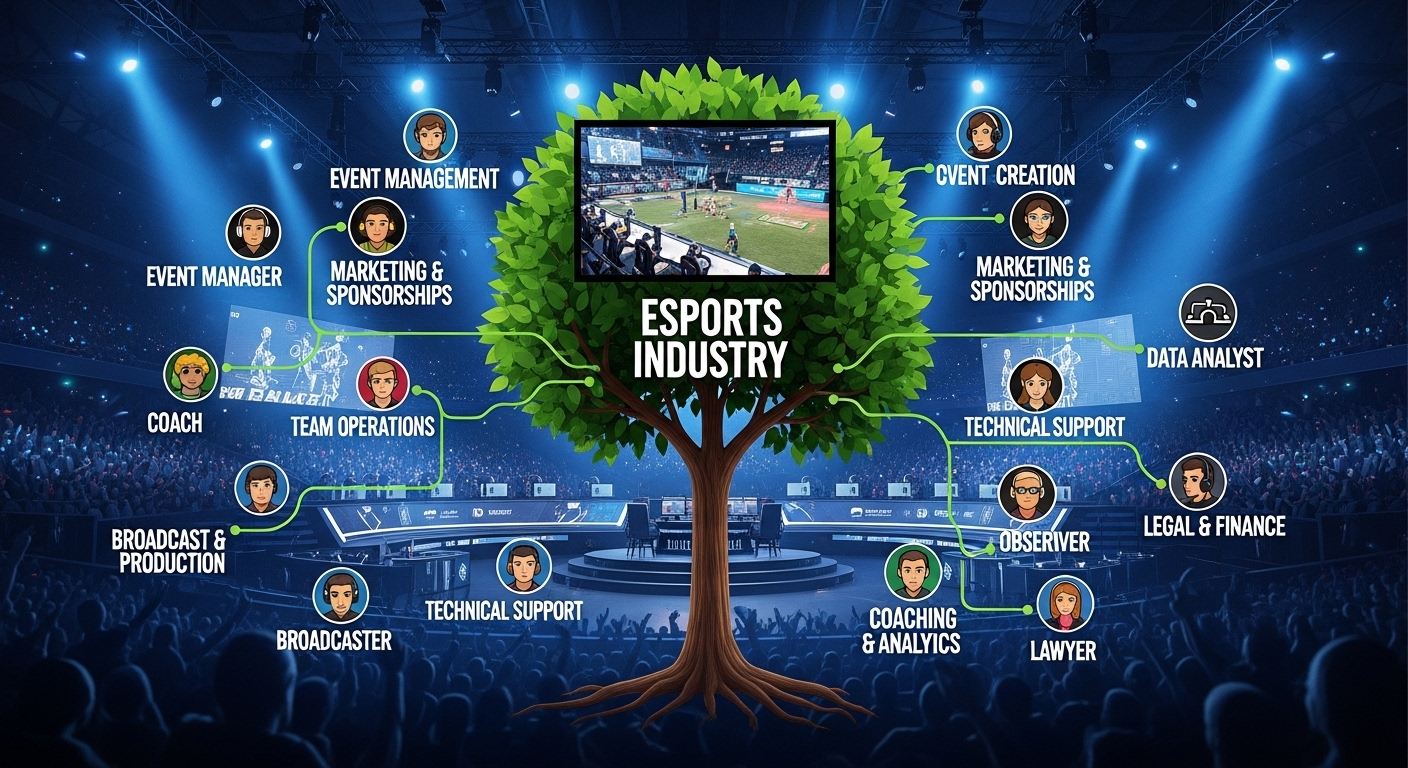
Esports has exploded into one of the most exciting and fast-growing industries of the past two decades. Once dismissed as simple video games, esports now attract millions of viewers, generate billion-dollar revenues, and fill entire stadiums with cheering fans. But beyond the flashy tournaments, sponsorships, and prize money, esports offer something deeper—an opportunity for players to develop vital teamwork skills.
Just as traditional sports like football or basketball foster collaboration, esports demand coordination, communication, trust, and shared responsibility. Whether you’re in a professional team competing at the highest level or a group of friends climbing the ranks in an online game, teamwork is often the deciding factor between victory and defeat.
In this blog, we’ll explore how esports builds teamwork skills, why those skills matter beyond gaming, and how the lessons learned in virtual arenas can shape personal, academic, and professional success.
The Foundation of Teamwork in Esports
At its core, teamwork means individuals working together to achieve a shared goal. In esports, that goal is often winning a match, completing an objective, or outmaneuvering the opposing team. While raw skill, mechanical precision, and strategy matter, even the most talented solo player cannot carry a team without cooperation.
Games like League of Legends, Dota 2, Counter-Strike: Global Offensive, Overwatch, and Valorant are designed to emphasize collective performance. One player may secure a highlight-reel play, but behind that moment are countless smaller contributions—whether it’s a teammate providing cover, another tracking enemy movements, or a support player setting up the perfect environment for success.
This constant interdependence creates a natural environment for building teamwork skills. Players learn that their success is tied to their ability to collaborate, and that lesson extends far beyond the game itself.
Communication: The Heart of Teamwork
Effective communication is the first and most obvious skill esports teaches. Teams that win consistently do so because they share information quickly, clearly, and effectively.
In fast-paced games, communication can mean calling out enemy positions, warning teammates of threats, or coordinating attack timings. A split-second decision often determines the outcome, and poor communication can lead to chaos.
Esports players develop the ability to:
- Give concise instructions. Long explanations won’t work when the action is unfolding at lightning speed. Players learn to share key details in as few words as possible.
- Listen actively. It’s not just about talking—it’s about processing and acting on what others say.
- Stay calm under pressure. Heated matches test emotional control. Teams that keep communication steady often perform better.
These communication habits mirror workplace dynamics, where projects rely on clear instructions, quick updates, and effective feedback.
Leadership and Role Distribution
Not everyone in a team can lead, but every team needs leadership. Esports naturally develops both leadership and the ability to follow roles within a hierarchy.
Most competitive teams have an “in-game leader” who makes strategic decisions—such as where to move, when to engage, or how to adapt mid-match. Other members may take specialized roles: snipers, support characters, tank players, or strategists. Each role has responsibilities that contribute to the bigger picture.
Through this structure, players learn:
- How to lead under pressure. Leaders must balance confidence with adaptability.
- How to follow directions. Sometimes being a good teammate means trusting the leader’s call, even if you disagree.
- How to manage conflict. Leadership in esports often means calming disputes, keeping morale up, and making tough decisions.
These are transferable skills to classrooms, workplaces, and even personal life—where leadership and collaboration are constantly tested.
Trust and Dependence
Esports is built on trust. A player holding one part of the map trusts their teammate to cover another. A damage-dealer trusts their support to keep them alive. A sniper trusts their front line to provide enough time to line up the perfect shot.
When trust breaks, teams fall apart. When it holds, even an underdog team can defeat stronger opponents.
By repeatedly practicing trust in teammates, players internalize the value of dependability. They learn that teamwork is not about individual glory but about ensuring every member can do their job effectively. Trust-building also encourages accountability—players recognize that their mistakes affect the entire team, not just themselves.
Problem-Solving and Adaptability
No matter how strong a team is, things rarely go according to plan. Unexpected strategies, sudden mistakes, or powerful opponents force teams to adapt quickly. This environment builds collective problem-solving skills.
For example, in Dota 2, an opponent might surprise with an unconventional hero choice. In CS:GO, a rival team may rush aggressively rather than play defensively. In these moments, the team must pause, regroup, and brainstorm solutions together.
This teaches:
- Collaboration in decision-making. Teams must weigh different ideas quickly.
- Compromise. Not everyone’s suggestion can be used, so consensus is vital.
- Adaptability. Success belongs to teams that shift strategies mid-game rather than rigidly sticking to failing plans.
These problem-solving processes mirror real-world group challenges—whether it’s a project at work or a crisis in daily life.
Conflict Resolution and Emotional Intelligence
Tensions run high in competitive environments. Misplays happen, strategies fail, and emotions flare. Esports often brings out frustration, but it also teaches players how to manage conflict constructively.
Good teams develop mechanisms for resolving disputes. This might include post-game reviews where players discuss mistakes calmly, or team captains stepping in to mediate. Over time, players learn emotional intelligence—the ability to manage their own reactions while respecting others.
They discover that blaming teammates rarely solves problems. Instead, they focus on accountability, solutions, and improvement. These lessons are invaluable in group projects, workplaces, and relationships, where conflicts are inevitable.
Cultural and Global Teamwork
One of esports’ unique features is its global nature. Teams often consist of players from different countries, speaking different languages, and coming from diverse cultural backgrounds. To succeed, they must overcome cultural barriers and build mutual understanding.
This exposure fosters:
- Cross-cultural communication skills. Players learn to work with different accents, expressions, and communication styles.
- Respect for diversity. Successful teams embrace cultural differences rather than resist them.
- Global collaboration. Esports prepares individuals for an increasingly interconnected world where teamwork often spans continents.
Such experiences are particularly valuable for younger generations entering international workplaces.
Discipline and Responsibility
Teamwork in esports also requires discipline. Players cannot simply show up late, miss practice, or disregard strategies. Every teammate depends on others to take their responsibilities seriously.
This sense of accountability nurtures responsibility. Players begin to understand that letting down the team isn’t just about a lost game—it’s about breaking trust, wasting others’ time, and disrupting group progress.
Many professional teams treat practice schedules like jobs, with structured training, feedback sessions, and performance reviews. Even at amateur levels, players quickly learn that commitment and consistency matter as much as raw skill.
Comparing Esports and Traditional Sports
Skeptics sometimes argue that esports cannot possibly teach teamwork in the same way as traditional sports. But the similarities are striking.
- Both require coordination toward a shared goal.
- Both involve specialized roles that must work together seamlessly.
- Both demand leadership, discipline, trust, and communication.
The main difference lies in the environment—one is physical, the other digital. But the teamwork skills developed in esports are no less real, and in many cases, the digital environment amplifies certain aspects, such as cross-cultural collaboration.
The Transferable Value of Esports Teamwork
The teamwork skills developed in esports extend well beyond the screen. Players carry them into academics, careers, and personal lives.
- In school and university: Group projects often mirror team-based games. Students who’ve played esports know how to delegate tasks, respect deadlines, and collaborate.
- In the workplace: Whether in tech, healthcare, or business, collaboration is central to professional success. Employers increasingly value candidates with proven teamwork abilities.
- In personal relationships: Teamwork lessons like trust, empathy, and conflict resolution apply to friendships, partnerships, and family dynamics.
Esports doesn’t just build gamers—it builds collaborators for life.
Stories of Teamwork in Action
Consider the legendary OG team in Dota 2, which won The International in 2018 and 2019. Their success was not built on having the strongest individual players but on trust, communication, and an unshakable bond. They reinvented strategies mid-tournament, supported one another emotionally, and embodied teamwork at the highest level.
Similarly, in CS:GO, teams like Astralis dominated not simply because of sharp aim but because of impeccable coordination, discipline, and preparation. Their teamwork became a blueprint for aspiring teams worldwide.
These examples show that in esports, teamwork is not just helpful—it’s the foundation of victory.
Teamwork in Casual and Amateur Esports
While professional players get the spotlight, teamwork is just as valuable at amateur levels. Friends queuing up for ranked matches learn how to coordinate attacks, trust one another, and manage conflicts. Even in casual play, teamwork is constantly at work.
For younger players, this can be especially impactful. Teenagers who play esports often develop social skills they might not practice elsewhere. Online collaboration teaches patience, empathy, and shared responsibility—skills that support their growth outside of gaming.
Challenges in Esports Teamwork
Of course, teamwork in esports is not without challenges. Some players struggle with selfish playstyles, toxic communication, or reluctance to compromise. Poor leadership or lack of trust can cause even talented teams to collapse.
However, these challenges themselves create opportunities for growth. Overcoming selfishness, learning to communicate respectfully, and embracing compromise are all part of the teamwork journey.
Building Teamwork Through Esports Training
Many schools, universities, and organizations now use esports as a training ground for teamwork. By organizing structured esports programs, they allow participants to practice collaboration in engaging, motivating ways.
Coaches often emphasize:
- Post-match analysis to improve communication.
- Role rotation to help players understand different perspectives.
- Team-building exercises outside of the game.
This approach transforms esports into not only entertainment but also education.
The Future of Esports and Teamwork Development
As esports grows, its role as a tool for developing teamwork will only expand. Companies may use esports as part of team-building workshops. Schools may introduce esports programs to help students learn collaboration skills. Even remote workplaces could use esports as a virtual activity to foster trust and communication among colleagues.
The perception of esports is shifting. What was once seen as isolated, antisocial gaming is increasingly recognized as a medium for social growth and teamwork. The digital world has become a training ground for real-world skills.
Conclusion: Esports as a Teamwork Classroom
Esports is more than a competition; it is a classroom for teamwork. Through communication, leadership, trust, adaptability, conflict resolution, and cultural collaboration, players build skills that extend far beyond gaming.
Every match offers lessons in responsibility and cooperation. Every victory is shared, and every loss provides insight into how a team can improve. Whether professional or casual, players discover that success is not about individual brilliance but about collective effort.
In a world that increasingly values collaboration—across workplaces, cultures, and communities—esports provides a powerful, modern way to teach teamwork. The digital arena may be virtual, but the skills learned there are very real, lasting, and impactful.