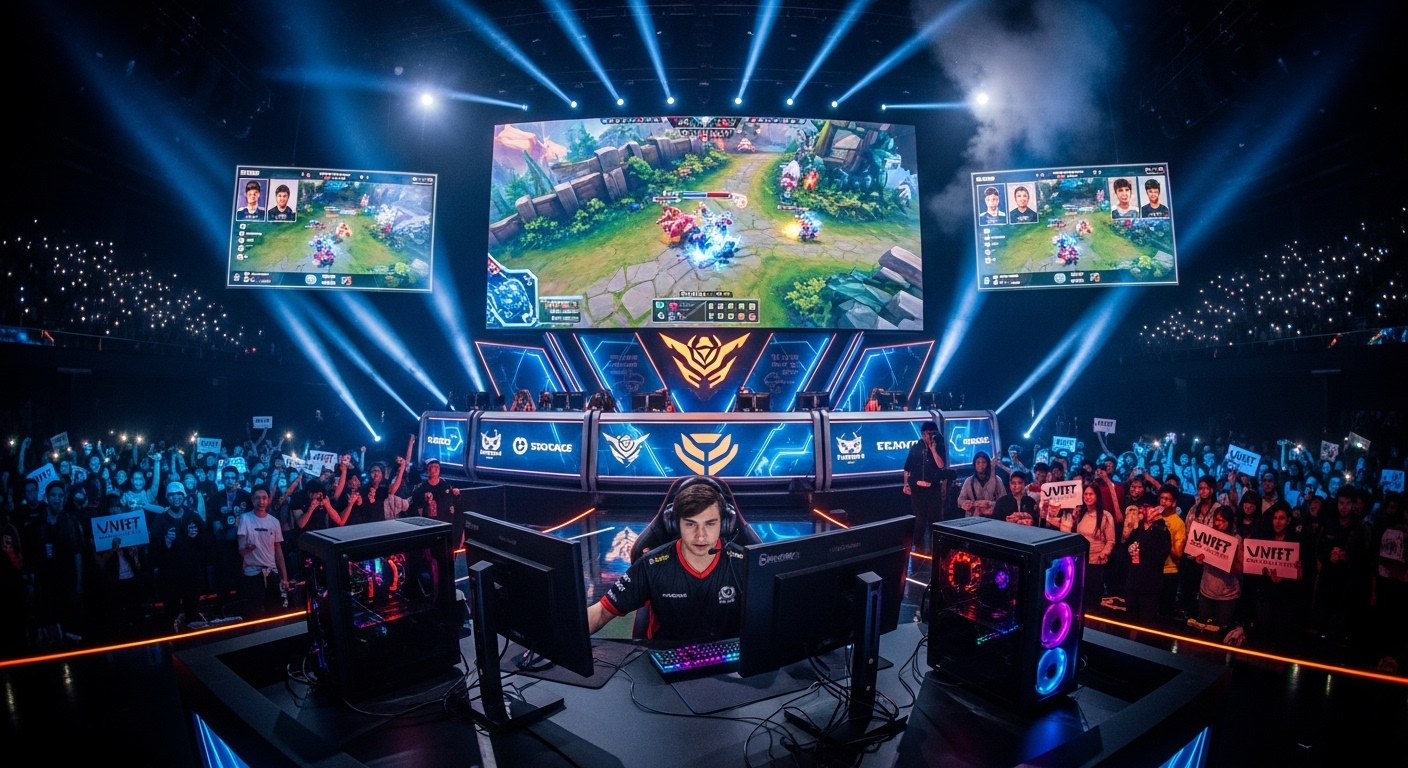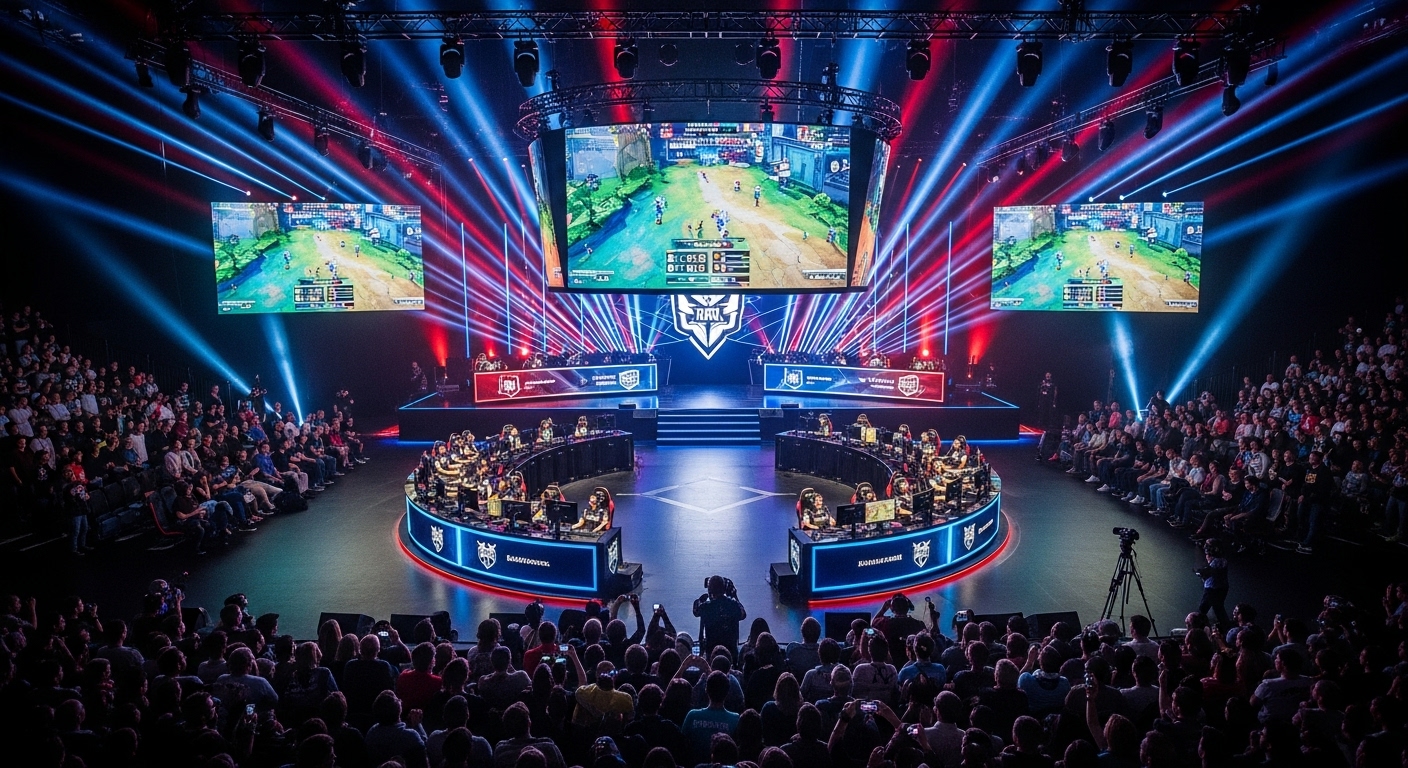






Esports is often associated with fast-paced shooters or MOBAs, but strategy games hold a unique and vital place in the competitive gaming landscape. Unlike reflex-based games, strategy titles challenge players’ critical thinking, decision-making, and long-term planning. These games often require meticulous resource management, map control, and psychological tactics, making them compelling both to play and to watch.
Several strategy games have developed thriving esports scenes, attracting global audiences, professional players, and competitive tournaments. This blog explores some of the best strategy games with established esports scenes, examining why they are popular, their competitive structures, and standout players and events.
Understanding Strategy Games in Esports
Strategy games in esports are defined by complex planning, tactical depth, and adaptability. Unlike casual games, their competitive environments demand:
- Resource Management: Allocating assets efficiently to maintain a competitive edge.
- Tactical Execution: Coordinating units, characters, or actions to outmaneuver opponents.
- Meta Awareness: Understanding prevailing strategies and counterplay techniques.
- Adaptability: Reacting to opponents’ moves in real-time or over extended matches.
These elements create high-skill ceilings and thrilling matches, attracting fans who appreciate cerebral competition.
1. StarCraft II
StarCraft II is often called the “king of esports strategy games.” Released in 2010, it has maintained a dedicated competitive scene for over a decade.
Competitive Scene
- Leagues and Tournaments: The Global StarCraft II League (GSL) in South Korea, Intel Extreme Masters, and World Championship Series are key competitive stages.
- Player Skill: Top players like Serral, Maru, and Reynor are celebrated for precision, multitasking, and strategic innovation.
- Global Appeal: StarCraft II’s popularity spans Korea, Europe, and North America, making it a truly international esports title.
Why It Stands Out
StarCraft II combines fast-paced micromanagement with deep macro-level strategy, allowing for thrilling comebacks and mind games that captivate audiences.
2. Warcraft III
Warcraft III, including its remastered edition, has been a cornerstone of real-time strategy (RTS) esports. Released in 2002, it gained prominence for hero-centric gameplay and versatile strategies.
Competitive Scene
- Major tournaments like the World Cyber Games (WCG) and ESL events have hosted Warcraft III competitions.
- Iconic players such as Grubby, Moon, and TH000 helped shape the professional scene.
- Despite a smaller modern scene, the game maintains a dedicated fanbase and community tournaments.
Why It Stands Out
Warcraft III emphasizes hero micro-management, unpredictable matchups, and creative strategy, allowing players to craft unique approaches each game.
3. Age of Empires Series
Age of Empires (AoE), particularly AoE II and AoE IV, has seen a resurgence in competitive esports. Its historical RTS gameplay focuses on civilization management, economy optimization, and strategic warfare.
Competitive Scene
- Online tournaments like Red Bull Wololo and AoE World Championships highlight professional play.
- Players such as TheViper and Liereyy are known for exceptional macro-management and strategic creativity.
- AoE esports has a strong European and Asian following, with community-driven events fueling growth.
Why It Stands Out
AoE’s blend of historical strategy, large-scale battles, and civilization diversity creates matches with high tactical depth and viewer engagement.
4. Company of Heroes
Company of Heroes is a tactical RTS with a focus on military strategy and unit positioning. Known for realistic combat mechanics and map control, it appeals to players who enjoy meticulous planning under pressure.
Competitive Scene
- Tournaments like ESL and DreamHack events have featured Company of Heroes competitions.
- Players must balance resource allocation, unit positioning, and timing attacks.
- While smaller than StarCraft II, its scene is competitive and dedicated, particularly in Europe.
Why It Stands Out
Company of Heroes offers real-time tactical warfare that rewards strategic foresight and micro-level decision-making, making each match tense and engaging.
5. Clash Royale
Clash Royale combines real-time strategy with card-based mechanics, bridging mobile gaming and competitive esports. Players must balance elixir management, troop deployment, and timing to outmaneuver opponents.
Competitive Scene
- Official tournaments like the Clash Royale League (CRL) and seasonal global championships feature top-tier players.
- Players such as Morten and Surgical Goblin gained fame for innovative strategies and high-level gameplay.
- The mobile-first approach allows for accessible competitive play globally.
Why It Stands Out
Clash Royale’s short match format, spectator-friendly interface, and strategic depth make it ideal for mobile esports and live streaming.
6. Total War Series
Total War blends turn-based strategy with real-time tactical battles. Players manage nations, armies, and diplomacy while executing large-scale engagements on dynamic battlefields.
Competitive Scene
- Total War tournaments are mostly community-driven but feature professional-level competitions.
- Games like Total War: Warhammer II allow for multiplayer campaigns and ranked matches.
- Fans appreciate the combination of macro-level planning and real-time combat execution.
Why It Stands Out
Total War delivers epic-scale battles with deep strategic decision-making, appealing to viewers who enjoy both grand tactics and tactical skirmishes.
7. Hearthstone
While primarily a collectible card game, Hearthstone requires extensive strategic thinking. Players must deck-build, manage resources, and predict opponent moves, blending RNG with skill-based strategy.
Competitive Scene
- Tournaments like the Hearthstone Grandmasters and HCT World Championship showcase global competition.
- Players like Kolento, Thijs, and Purple are celebrated for innovation and meta mastery.
- The game’s digital nature allows for frequent balance changes, requiring constant adaptation.
Why It Stands Out
Hearthstone merges strategy, adaptability, and mental calculation, offering fast-paced yet deeply strategic matches suitable for spectators.
8. Dota Under the Lens of Strategy
While often categorized as a MOBA, Dota 2 is fundamentally a strategy-heavy game. Success requires team coordination, resource management, map control, and long-term planning.
Competitive Scene
- The International (TI) remains the most prestigious esports tournament, with multi-million-dollar prize pools.
- Teams spend months analyzing drafts, counter-strategies, and in-game decision trees.
- Players like Miracle-, SumaiL, and Puppey are renowned for strategic innovation.
Why It Stands Out
Dota 2’s complexity makes each match a tactical chess game, with high-level strategic decision-making captivating audiences.
Why Strategy Games Thrive in Esports
Strategy games have unique advantages in esports:
- High Skill Ceiling: Strategic depth rewards mastery and creativity.
- Spectator Engagement: Fans can appreciate the planning, execution, and counterplay.
- Longevity: Games with strong strategic foundations remain competitive for years.
- Diverse Playstyles: Multiple viable approaches keep matches unpredictable and exciting.
These factors allow strategy games to sustain competitive scenes even decades after release.
Challenges for Strategy Games in Esports
While popular, strategy games face hurdles in esports:
- Accessibility for Viewers: Complex mechanics can be hard for new fans to understand.
- Pace of Matches: Longer games may struggle to maintain attention compared to fast-paced shooters.
- Broadcasting Complexity: Translating intricate decisions into engaging broadcasts is challenging.
- Player Burnout: High cognitive demands can lead to mental fatigue during long tournaments.
Successful strategy esports address these issues with commentary, visual aids, and audience-friendly formats.
Conclusion: Strategy Games as Competitive Cornerstones
Strategy games provide a cerebral, high-skill, and deeply engaging esports experience. Titles like StarCraft II, Age of Empires, Warcraft III, and Dota 2 showcase how planning, adaptation, and decision-making elevate competition beyond reflex-based play.
Their esports scenes thrive on careful strategy, innovative tactics, and long-term planning, appealing to fans who enjoy thoughtful competition. Whether through RTS, card games, or tactical MOBAs, strategy games remain a cornerstone of esports, demonstrating that intellect and strategy are as thrilling as speed and mechanics.
For aspiring esports fans and players, strategy games offer unmatched opportunities to appreciate deep gameplay, follow professional storylines, and witness some of the most exciting comebacks and innovations in competitive gaming.