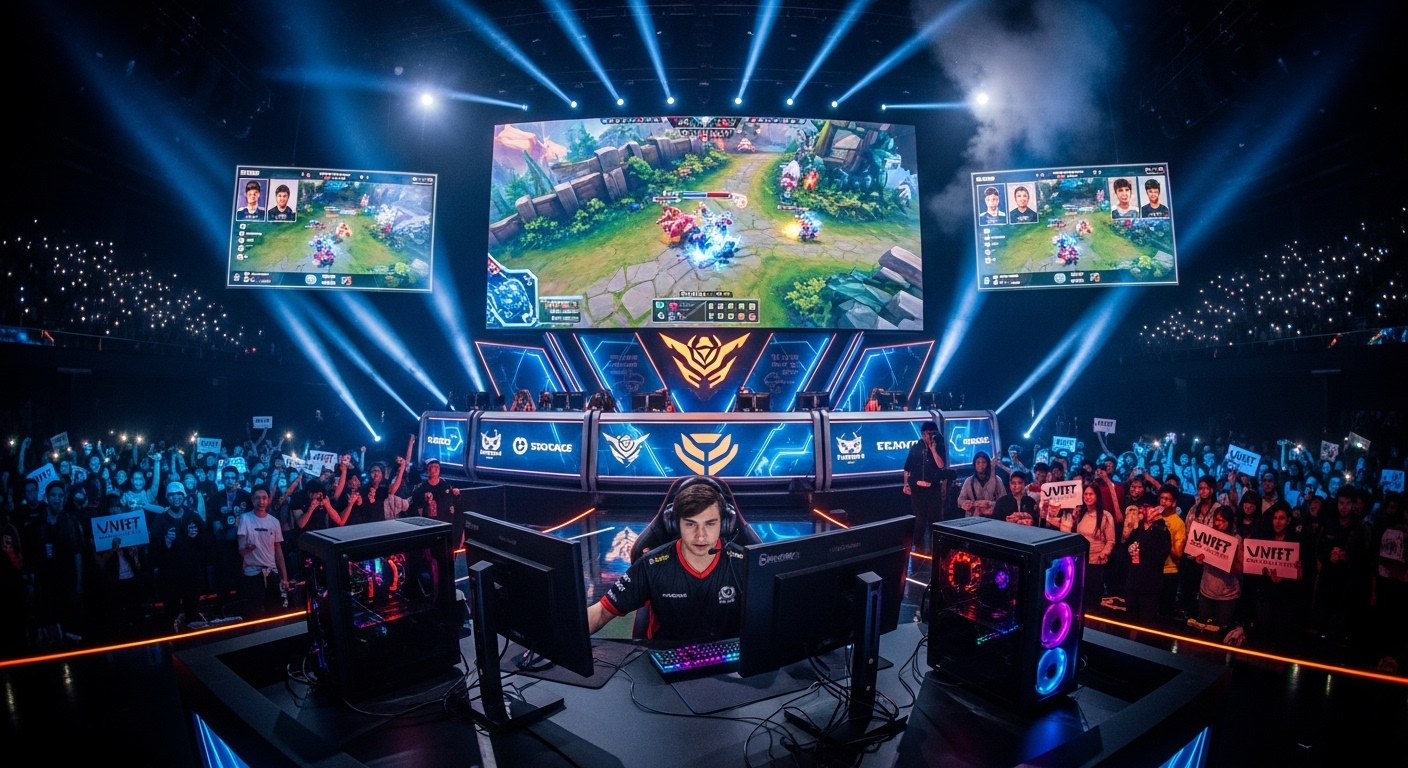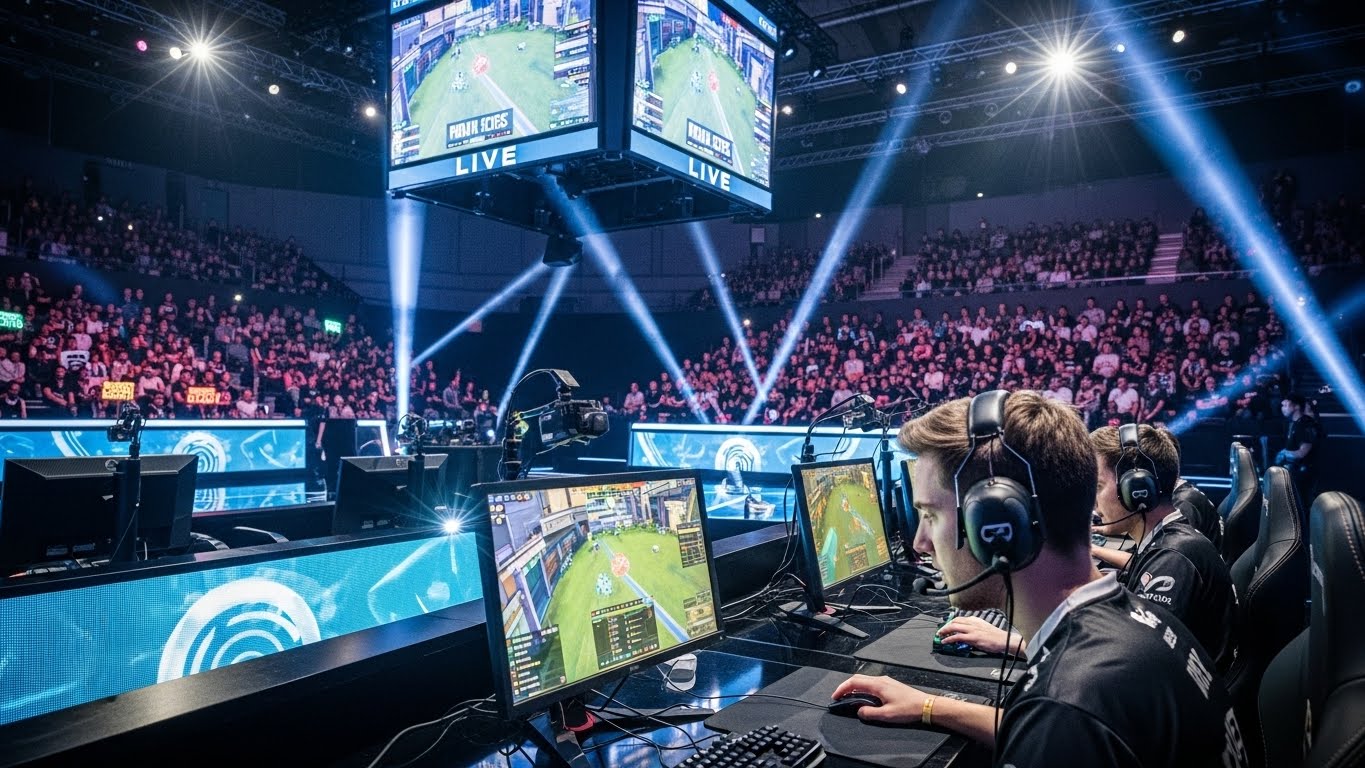






Electronic sports, commonly known as eSports, have emerged as one of the most significant cultural and economic phenomena of the 21st century. From humble beginnings in arcades and home consoles, competitive gaming has grown into a global industry attracting millions of players, fans, and investors. eSports is now recognized as a legitimate form of competition, combining skill, strategy, teamwork, and entertainment in ways that rival traditional sports. This blog explores the history, evolution, major games, cultural impact, economics, challenges, and future of eSports, providing a comprehensive overview of the competitive gaming landscape.
The Origins of eSports
The roots of eSports can be traced back to the late 1970s and early 1980s, when arcade games became popular. Competitive gaming started with simple high-score challenges at local arcades. Players could showcase their skills on games like Space Invaders, Pac-Man, and Donkey Kong, striving to reach the top of leaderboards and gain recognition among peers. One of the earliest major gaming competitions was the 1980 Space Invaders Championship, which attracted thousands of participants and highlighted the growing appeal of organized competitive gaming.
The 1980s also saw the rise of home gaming consoles, which brought video games into living rooms. With multiplayer capabilities, games allowed friends and family to compete against each other, further promoting the competitive aspect of gaming. Early tournaments were often informal but set the stage for the professional leagues and organized competitions that would emerge decades later.
Growth of Competitive Gaming in the 1990s
The 1990s marked a turning point for competitive gaming due to the advent of personal computers and networked multiplayer games. Titles like Doom, Quake, and Warcraft introduced online multiplayer modes, allowing players to compete beyond local boundaries. LAN parties, where participants connected their computers to a local network, became popular social and competitive events, creating tight-knit gaming communities.
South Korea played a pivotal role in the professionalization of eSports during this era. The country embraced competitive gaming with a passion, particularly for real-time strategy games like StarCraft. Televised competitions attracted massive audiences, and professional players were celebrated like traditional athletes. The infrastructure, sponsorships, and media attention in South Korea helped establish eSports as a viable professional pursuit and laid the foundation for its global expansion.
The Role of Streaming Platforms
The rise of streaming platforms revolutionized eSports by making it accessible to a global audience. Platforms such as Twitch, YouTube Gaming, and later Facebook Gaming enabled players to broadcast live gameplay, allowing fans to watch, interact, and learn from professional players in real time. Streaming transformed gaming into a spectator sport, attracting millions of viewers worldwide.
Streaming also created opportunities for community engagement. Fans could communicate with players via chat, participate in discussions, and support their favorite streamers through subscriptions and donations. This interactivity created a more immersive experience and helped foster strong fan communities, making eSports a highly social and participatory form of entertainment.
Popular eSports Game Genres
eSports encompasses a variety of game genres, each offering unique challenges and attracting different audiences. First-person shooters, including Counter-Strike: Global Offensive, Call of Duty, and Overwatch, focus on precision, reflexes, and teamwork. Players must coordinate strategies, execute complex maneuvers, and maintain focus under pressure.
Multiplayer online battle arena games, such as League of Legends and Dota 2, emphasize long-term strategy, teamwork, and adaptability. These games involve intense planning, resource management, and real-time decision-making, often requiring players to think several moves ahead of their opponents.
Fighting games like Street Fighter and Super Smash Bros. focus on individual skill, timing, and reflexes, while sports simulations like FIFA and NBA 2K replicate real-world sports in virtual environments, offering fans and players an interactive extension of their favorite athletic competitions. Battle royale games such as Fortnite and PUBG combine survival elements with strategy, appealing to audiences through high-stakes, fast-paced gameplay. Each genre contributes to the diversity and popularity of eSports on a global scale.
Professional eSports Organizations
Professional eSports organizations operate similarly to traditional sports teams. They recruit and train top talent, provide coaching and support staff, and invest in facilities for practice and performance. Renowned organizations include Cloud9, Fnatic, Team Liquid, and T1, many of which have teams competing in multiple games across different genres.
Players often sign contracts with these organizations, receiving salaries, sponsorships, and bonuses. Sponsorships play a crucial role in funding teams and events, with major brands recognizing the marketing potential of eSports’ highly engaged and youthful audience. Professional eSports organizations help legitimize the industry, providing structure, stability, and career opportunities for players and staff alike.
Major eSports Tournaments
Tournaments are the centerpiece of professional eSports, offering competitive recognition, prize money, and entertainment for fans. Some of the largest and most prestigious tournaments include The International for Dota 2, the League of Legends World Championship, and the Overwatch League. Prize pools for these events can reach tens of millions of dollars, highlighting the scale and significance of competitive gaming.
Regional leagues, such as North America’s LCS and South Korea’s LCK, provide consistent competitive opportunities and help develop local talent. These leagues feed into international tournaments, creating a layered ecosystem that supports both grassroots and professional levels of competition. Tournaments often feature elaborate production values, live broadcasts, and fan engagement activities, further blurring the line between gaming and entertainment.
eSports Culture and Community
The culture of eSports is vibrant and distinct. Fans not only watch competitions but actively participate in online communities, social media discussions, and fan art creation. Cosplay, gaming conventions, and community events further enrich the culture, offering opportunities for fans to celebrate their favorite games and players.
Skill, strategy, and dedication are highly valued in eSports communities. Professional players are admired for their precision, tactical intelligence, and resilience. Many fans aspire to follow in their footsteps, cultivating a strong sense of identity and belonging within the global gaming community. eSports culture promotes inclusivity, connecting individuals from diverse backgrounds through shared passion and engagement.
Economic Impact of eSports
The eSports industry has become a significant economic force. Revenue is generated through sponsorships, media rights, merchandise, ticket sales, and streaming partnerships. Analysts estimate that the global eSports market is worth billions and continues to grow annually.
Major corporations, from technology companies to beverage brands, invest heavily in eSports marketing, recognizing the potential of engaging with a young, highly connected audience. Universities offer scholarships for eSports athletes, and educational programs in game design, digital media, and marketing prepare students for careers in the industry. The economic ecosystem surrounding eSports mirrors traditional sports, supporting players, teams, media outlets, and event organizers.
Education and eSports
Educational institutions increasingly recognize the value of eSports in developing skills such as teamwork, strategic thinking, and problem-solving. Many universities now offer eSports scholarships, club teams, and dedicated facilities for competitive gaming. Academic programs often integrate game design, digital media, technology management, and marketing, providing students with professional pathways in the broader gaming industry.
eSports promotes accessibility by allowing individuals of varying physical abilities to compete on equal footing. This inclusivity expands participation opportunities and fosters a diverse talent pool, contributing to the global growth of competitive gaming.
Health and Wellness in eSports
Competitive gaming requires both mental and physical preparation. Players spend hours practicing, analyzing gameplay, and developing strategies. Extended gaming sessions can lead to eye strain, repetitive stress injuries, and mental fatigue. Professional organizations now emphasize wellness, incorporating exercise, mental health support, nutrition, and proper ergonomics into training routines.
Maintaining a balance between performance and well-being is essential for longevity in eSports. Awareness of these challenges has improved the professionalism of the industry, ensuring that players can sustain high-level performance while protecting their health.
The Future of eSports
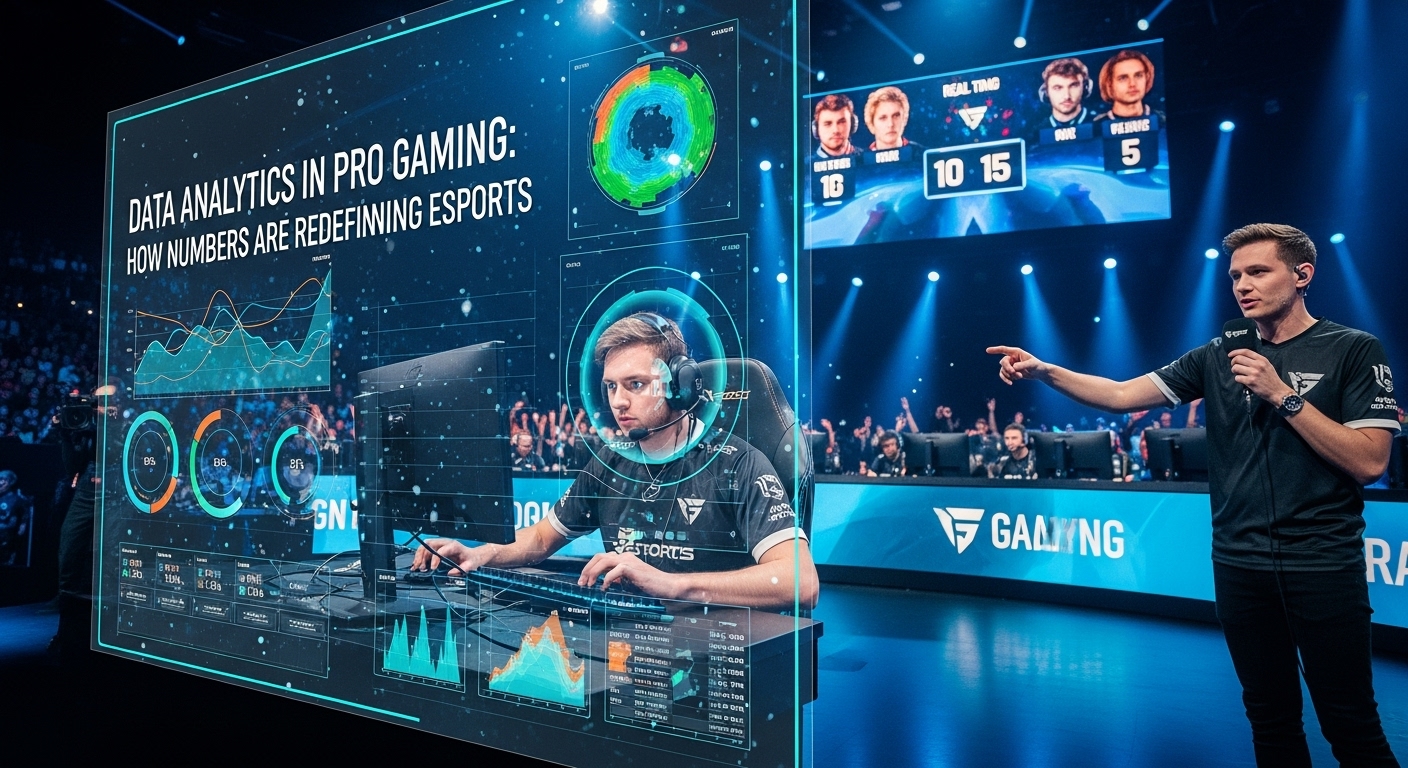
The future of eSports is promising, with continued growth expected across global markets. Emerging technologies such as virtual reality, augmented reality, and artificial intelligence will further enhance gameplay, training, and spectator experiences. AI-powered coaching tools and analytics can provide deeper insights into strategy and performance, raising the level of competition.
Global expansion remains a key focus, with markets in Asia, Europe, and South America contributing to the diversity and reach of the industry. The integration of eSports into mainstream media, education, and entertainment will continue to redefine its cultural and economic significance, solidifying its position as a dominant form of competitive activity worldwide.
eSports as a Cultural Phenomenon
Beyond competition, eSports is a cultural phenomenon. It reflects the creativity, innovation, and passion of modern society. eSports combines entertainment, technology, social interaction, and competition in ways that engage audiences on multiple levels. The rise of eSports demonstrates how hobbies can transform into professional industries, shaping cultural trends and redefining traditional notions of sport.
As eSports continues to grow, it will influence entertainment, technology, and social engagement, creating new forms of connection and participation. The global community of players and fans ensures that eSports remains dynamic, evolving, and inclusive, bridging geographic and cultural boundaries through a shared passion for gaming.
Conclusion
The evolution of eSports from arcade competitions to a global industry is a testament to human ingenuity, community, and the power of interactive entertainment. Millions of players and fans participate in a competitive ecosystem that includes professional leagues, international tournaments, and digital streaming platforms.
eSports offers opportunities for skill development, education, cultural exchange, and economic growth while fostering a vibrant and inclusive global community. Its rise demonstrates how technology and creativity can transform entertainment, competition, and social interaction.
The future of eSports promises continued innovation, inclusivity, and engagement. It is not merely a pastime but a cultural force, reflecting the values, creativity, and aspirations of modern society. Competitive gaming is reshaping the landscape of entertainment, connecting players and audiences worldwide, and establishing eSports as a defining phenomenon of the digital age.