




Over the past few decades, the landscape of competitive gaming has undergone a monumental transformation. What once began as a niche pastime for a select few gamers has now evolved into a global phenomenon known as esports. Whether it’s a fast-paced game of League of Legends, the tactical depth of Counter-Strike: Global Offensive, or the strategic gameplay of Dota 2, esports has rapidly cemented its place as one of the most popular and lucrative forms of entertainment worldwide.
In this blog post, we will explore the history, growth, and future of esports, diving into the key elements that have made it a multi-billion-dollar industry, while also examining the cultural, social, and technological factors that have driven its rapid rise.
What is Esports?
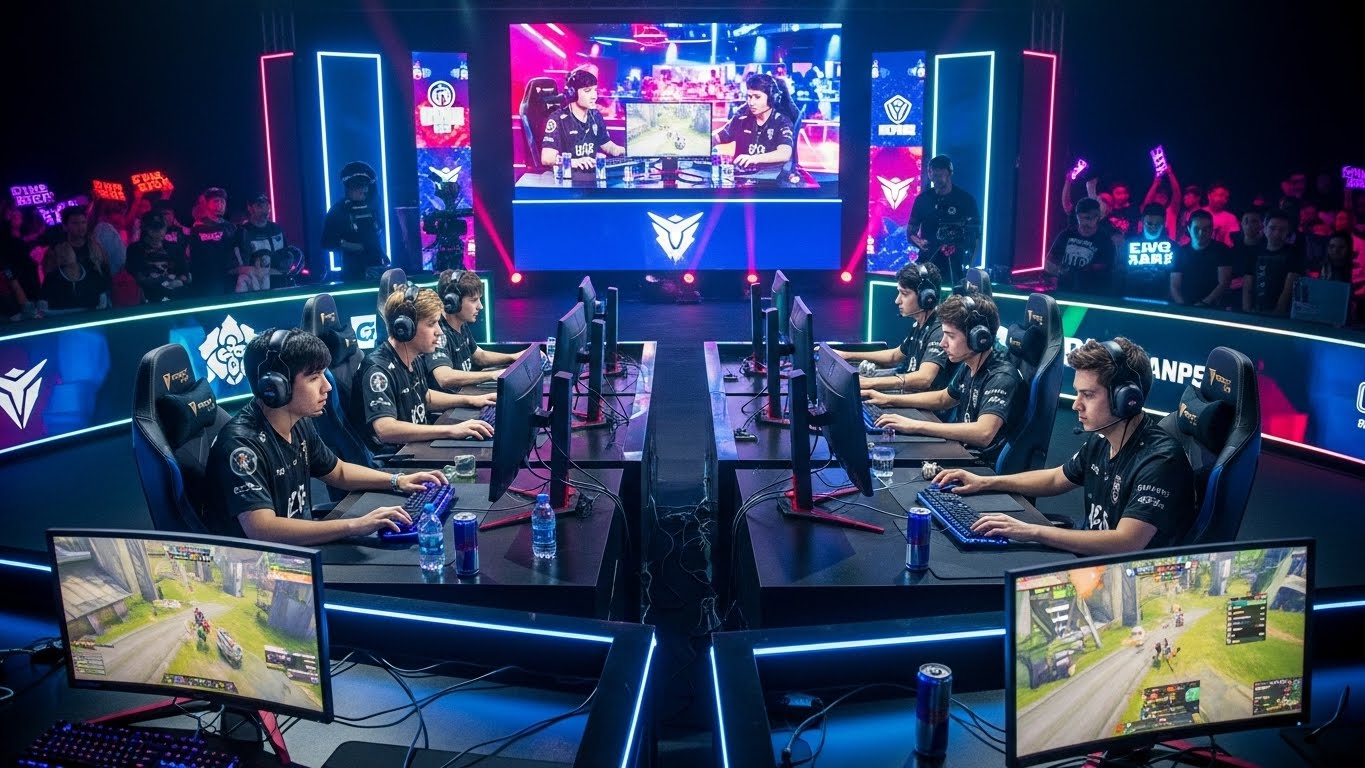
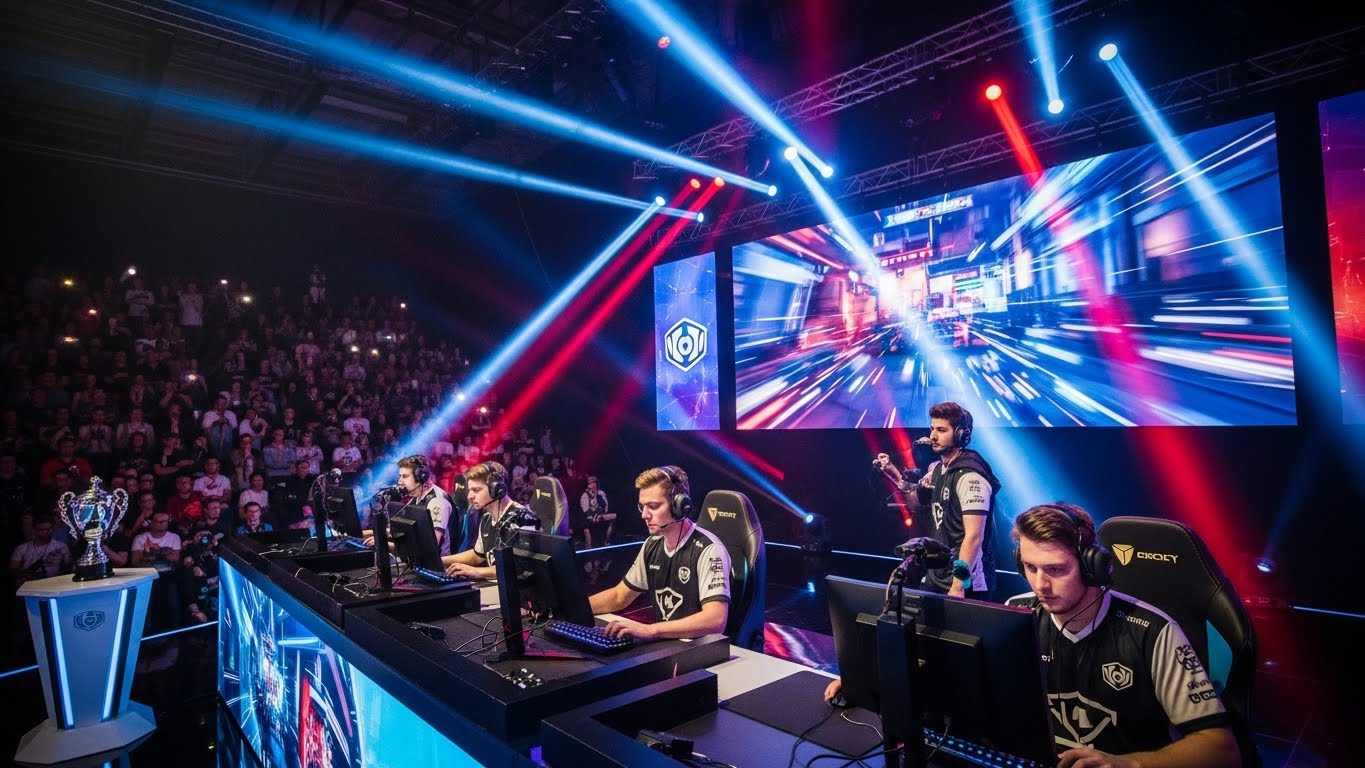
Esports, short for electronic sports, refers to organized, multiplayer video game competitions, particularly between professional players, individually or as teams. These competitions are often held in front of large audiences, either in physical arenas or through live-streaming platforms like Twitch and YouTube. The types of games played in esports range from strategy games and first-person shooters to sports simulations and real-time strategy games.
While the term “esports” may have once been reserved for niche communities, it now represents a massive industry with millions of fans worldwide. Esports events often feature elaborate production value, commentary from professional casters, and sponsorships from major corporations. The players themselves are treated as professional athletes, with contracts, coaches, and even endorsements similar to traditional sports stars.
The Evolution of Esports
The Early Days: 1990s to Early 2000s
Esports didn’t emerge overnight; rather, it grew organically from the early days of multiplayer gaming. The first notable signs of competitive gaming can be traced back to the 1990s when arcade tournaments were held for games like Street Fighter and Mortal Kombat. However, the birth of modern esports is often linked to the rise of online multiplayer games and the growth of the internet.
In the late 1990s and early 2000s, games like Quake, StarCraft, and Warcraft helped set the stage for the competitive gaming scene. StarCraft, in particular, played a crucial role in shaping the esports scene in South Korea. In 1998, the game was so popular that it sparked the creation of dedicated esports TV channels and professional leagues, with tournaments often broadcast to large audiences.
During this period, esports was still a relatively small, community-driven affair. The prize pools were modest, and the audience was primarily made up of hardcore gamers. However, the idea that competitive gaming could be more than just a hobby was starting to take root.
The Growth of Global Competitions: Mid 2000s to Early 2010s
By the mid-2000s, the esports industry began to experience significant growth. Major esports organizations such as ESL (Electronic Sports League) and MLG (Major League Gaming) began organizing large-scale events that attracted bigger prize pools and larger audiences. One pivotal moment in the growth of esports was the launch of Twitch, a live-streaming platform dedicated to gaming. Founded in 2011, Twitch allowed gamers to broadcast their gameplay to global audiences, creating a massive fan base for esports in the process.
Esports began to diversify during this period, with games like League of Legends and Dota 2 leading the charge in terms of viewership and competitive play. The International Dota 2 Championship, for example, first held in 2011, was a watershed moment for esports. With a prize pool exceeding $1 million in its inaugural year, the tournament demonstrated the immense financial potential of esports and helped solidify it as a mainstream form of entertainment.
The mid-2000s to early 2010s also saw a surge in sponsorships and partnerships from major corporations like Coca-Cola, Intel, and Red Bull, all of whom recognized the potential of esports to reach younger, tech-savvy audiences. The introduction of streaming platforms, coupled with the rise of social media, allowed players to build personal brands, while esports organizations began to attract more attention from mainstream media outlets.
The Esports Explosion: 2010s to Present
By the 2010s, esports had officially entered the mainstream. Global tournaments like the League of Legends World Championship and The International for Dota 2 began attracting viewership in the tens of millions, rivaling the audiences of traditional sports. The prize pools for major tournaments also soared to unprecedented heights, with The International offering a prize pool of over $40 million in 2018, making it one of the largest prize pools in any sporting event in history.
One of the key factors behind the rapid growth of esports during this period was the increasing availability of high-speed internet and the globalization of gaming culture. With the ability to stream live events to billions of people worldwide, esports was no longer confined to small tournament halls or local gaming communities. Esports was now a truly global event, with fans and players from all corners of the world engaging in the action.
The COVID-19 Pandemic and Esports
Interestingly, the COVID-19 pandemic in 2020 accelerated the growth of esports even further. With traditional sports leagues shut down or postponed, many fans turned to esports as a viable alternative. Events like FIFA eWorld Cup and League of Legends tournaments continued to thrive in the virtual world. In fact, some esports events attracted more viewers than ever before during this time, further solidifying esports as a central part of global entertainment.
Esports was also at the forefront of experimenting with new formats, such as fully virtual competitions and interactive fan experiences. The pandemic forced the esports industry to adapt, but it also proved that esports could thrive in uncertain times, offering hope for the future.
The Economics of Esports
The rapid growth of esports has transformed it into a multi-billion-dollar industry. A combination of advertising, sponsorships, media rights, and ticket sales have made esports a lucrative business for players, organizations, and stakeholders alike. Here’s a closer look at the various components that contribute to the financial success of esports:
1. Sponsorships and Advertising
Esports has quickly become a hotbed for sponsorships. Major corporations from various industries are eager to partner with esports organizations to reach a young and engaged audience. From tech giants like Intel and NVIDIA to consumer brands such as Red Bull and Mercedes-Benz, companies see the potential in tapping into the esports fan base. Sponsorship deals often include branded content, tournament sponsorships, and even exclusive product launches targeted at gamers.
2. Prize Pools and Player Earnings
The growing prize pools in esports tournaments have attracted top-tier talent. Games like Dota 2 and Fortnite have seen prize pools exceed $30 million for a single tournament, with individual players taking home life-changing sums of money. In addition to tournament winnings, professional players also earn money through streaming, sponsorships, and merchandise sales.
Esports teams have also become significant financial entities, with organizations like Cloud9, Team Liquid, and Fnatic securing multi-million-dollar investments from venture capitalists and large corporations. These teams often have salaried players, coaches, and analysts, much like traditional sports teams.
3. Media Rights and Streaming
The ability to stream esports events to millions of viewers globally has been another major driver of revenue. Platforms like Twitch, YouTube Gaming, and Facebook Gaming generate significant income from broadcasting esports events. Media rights to major tournaments are sold to broadcasting networks, both traditional and digital, helping generate millions of dollars in revenue.
4. Merchandising and Ticket Sales
In addition to sponsorships and streaming, esports organizations also benefit from merchandise sales. Fans eagerly buy team jerseys, branded products, and even digital items related to their favorite players or teams. In-person events, while affected by the pandemic, have also proven to be profitable, with fans purchasing tickets to watch their favorite esports teams live and in person.
The Cultural Impact of Esports
Esports has become more than just a form of entertainment; it has shaped the culture of a generation. The rise of esports has had a profound impact on gaming, technology, and social interaction, influencing the way young people interact with media and each other.
1. A New Social Arena
Esports has transformed the way people interact. Online multiplayer games have become social spaces where players from all over the world connect, collaborate, and compete. In addition to playing games, many esports fans engage in conversations about their favorite teams, players, and games through online forums, Discord servers, and social media.
Esports has also created a new form of fandom. Fans don’t just watch tournaments; they support their favorite teams and players, attend live events, and even interact with the stars through live streams and social media platforms. The connection between players and fans is one of the defining features of esports.
2. Esports and Education
The rise of esports has also been felt in education. Many high schools, colleges, and universities now offer esports programs, complete with scholarships, coaching staff, and competitive teams. This move has opened up new career paths for students interested in gaming, from game design and development to broadcasting and event management.
In addition, some institutions have even incorporated esports into their curricula, offering courses on game strategy, game theory, and the economics of esports. This has helped esports gain legitimacy as a discipline and an area of professional pursuit.
3. Esports and Mental Health
While esports provides a sense of community and a platform for self-expression, it’s not without its challenges. Competitive gaming can sometimes lead to burnout, stress, and mental health issues, especially for professional players who are constantly under pressure. Organizations are beginning to recognize the importance of player health, offering mental health support, life coaches, and better work-life balance.
The Future of Esports
Esports has already come a long way, but its growth shows no signs of slowing down. With continued technological advancements, better streaming infrastructure, and even the potential for esports to become an Olympic event, the future of esports is incredibly exciting.
We can expect to see more innovations in areas like virtual reality (VR) and augmented reality (AR), which could revolutionize how players and fans interact with the game. The integration of AI could also enhance game strategies and personalize the esports experience even further.
Esports is poised to become even more integrated into mainstream culture, and as new games emerge, new formats will continue to evolve. It’s an industry in constant flux, and the next few years will likely bring even more surprises.
Conclusion
Esports has evolved from a niche hobby into a global industry, reshaping how we think about competition, entertainment, and social interaction. With its incredible growth, immense financial opportunities, and cultural significance, esports is here to stay. As the industry continues to grow, it will no doubt continue to influence both the gaming world and traditional sports, blending the two in ways we’ve never seen before. Whether you’re a seasoned esports fan or someone just discovering this exciting world, the future of esports is undeniably thrilling.