




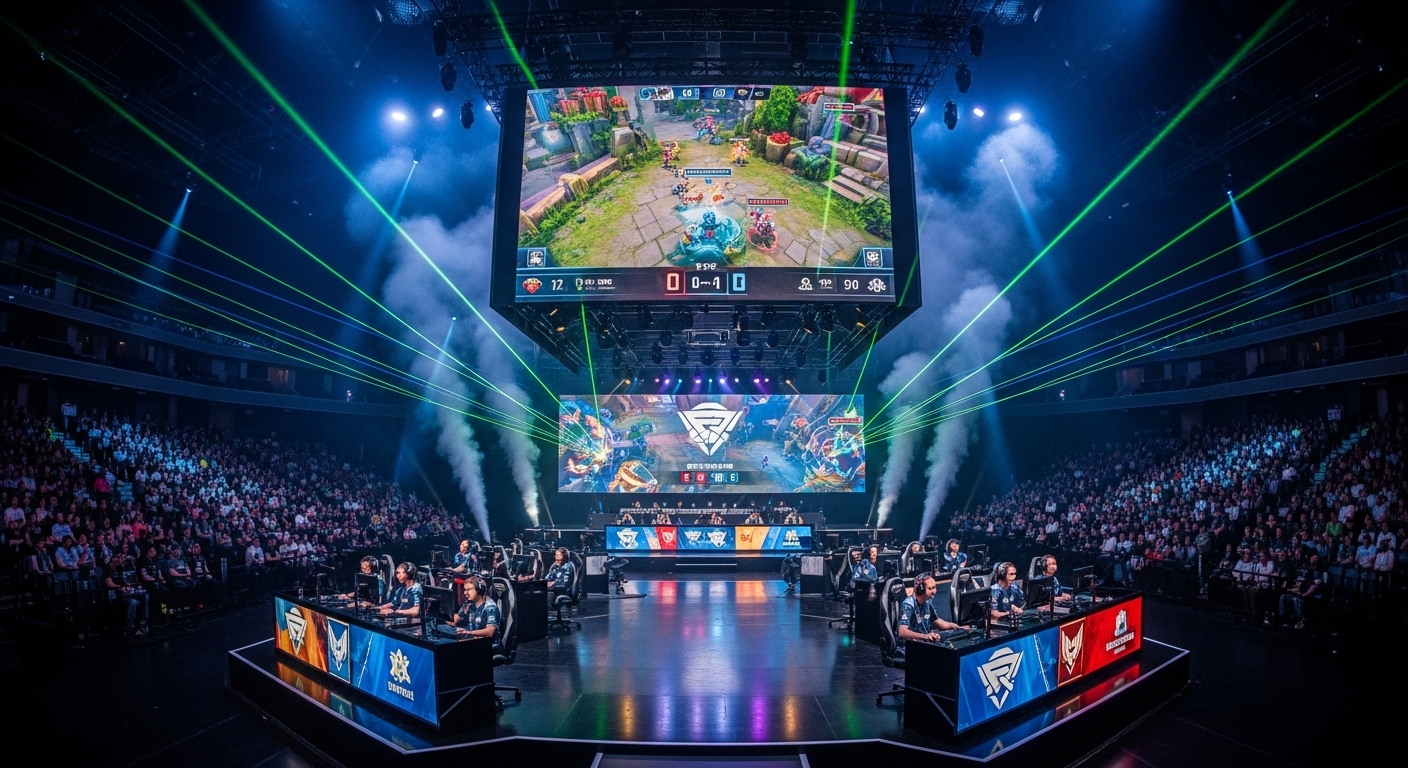
Introduction: A New Frontier in Competitive Entertainment
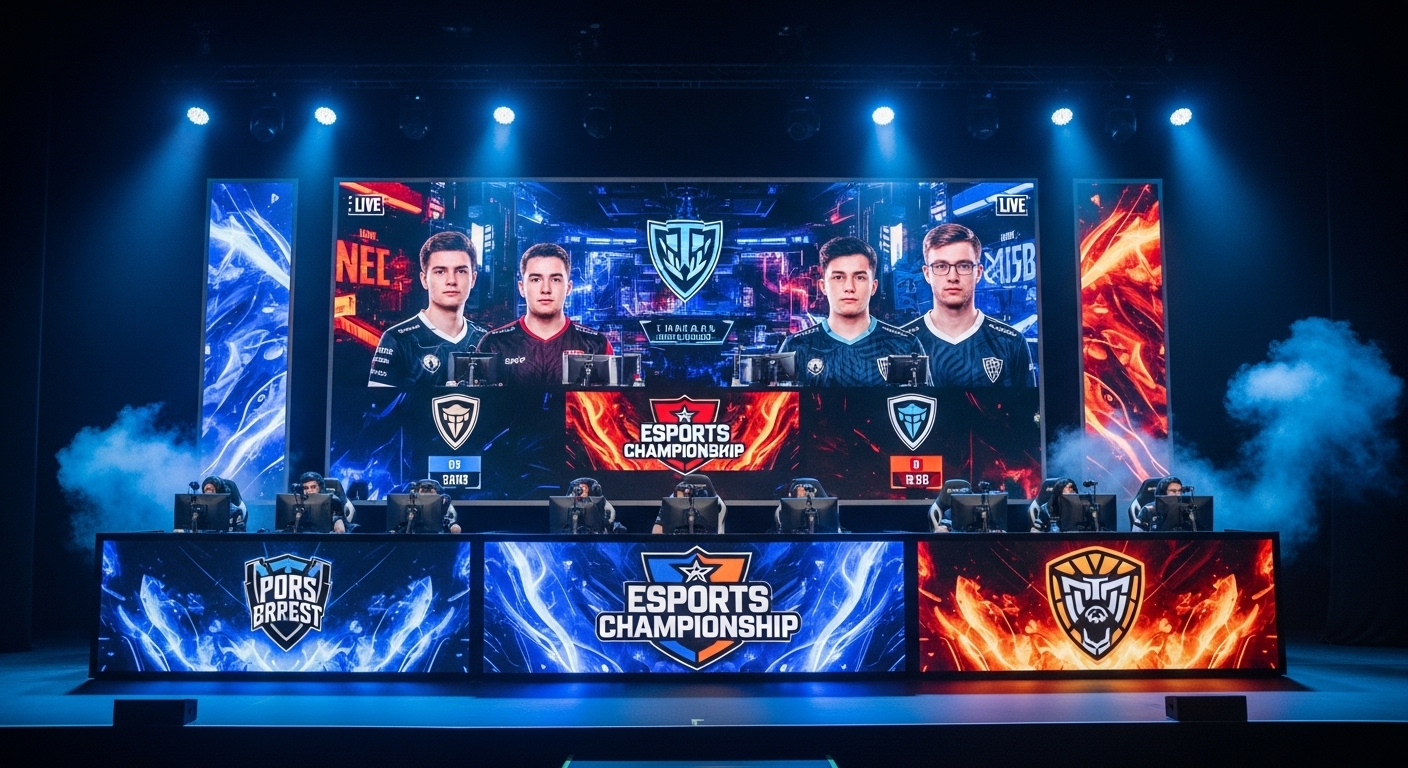
In recent years, esports has transitioned from a niche hobby to a global phenomenon. What was once considered a pastime for a select group of passionate gamers is now a billion-dollar industry that attracts millions of viewers, sponsors, and even traditional sports teams. Esports has carved out its own place in the entertainment world, blending skill, strategy, and teamwork with the thrill of competition.
Whether it’s battling in League of Legends, scoring in FIFA, or taking down opponents in Counter-Strike, esports has become a central part of modern entertainment. As gaming evolves, so does the world of esports—offering not only a space for professional players but a community for fans, content creators, and even corporate giants looking to get a piece of the action.
In this blog post, we’ll explore the rise of esports, the factors driving its growth, and what the future holds for this electrifying sector.
The Growth of Esports: From LAN Parties to Global Tournaments
Esports has a rich history, stretching back to the early days of competitive gaming. But its explosive rise in popularity is a more recent development, spurred by advancements in technology and the increasing accessibility of high-speed internet.
The Early Days of Competitive Gaming
While modern esports is often associated with large-scale tournaments and professional leagues, competitive gaming began in the 1990s. The first major esports event, the Red Annihilation tournament for Quake in 1997, drew a modest but passionate crowd of participants. These early events were largely local or regional, often taking place in LAN (Local Area Network) parties where players gathered to compete in person.
Games like StarCraft, Warcraft III, and Quake helped establish the foundation of esports, with organized competitions emerging in the late ’90s and early 2000s. However, it wasn’t until the rise of StarCraft II and the growth of online streaming platforms that esports truly began its rapid ascent.
The Rise of Online Streaming and Global Reach
The real catalyst for the explosion of esports came in the form of online streaming. Platforms like Twitch and YouTube Gaming allowed viewers to watch professional players and teams compete in real-time, creating a global fan base that spanned continents. What once took place in physical arenas was now accessible to anyone with an internet connection.
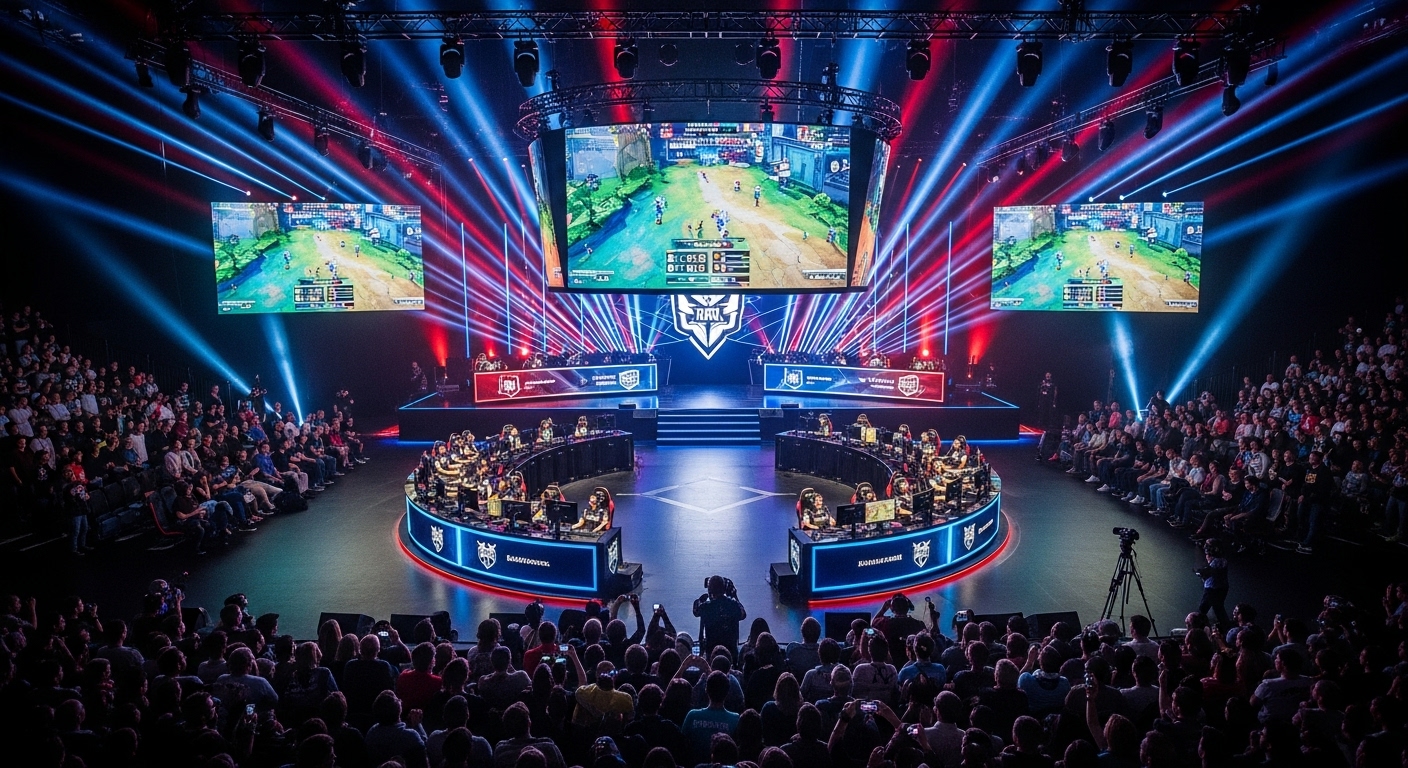
Esports began to take on a professional structure, with major game developers like Riot Games, Blizzard, and Valve supporting their own leagues and tournaments. Titles such as League of Legends, Dota 2, and Overwatch created thriving ecosystems, complete with professional teams, sponsorships, and major prize pools. The global appeal of these games turned esports into a spectator sport, with millions tuning in to watch the action unfold.
The Appeal of Esports: Why It’s Gaining Mainstream Popularity
Esports’ rise to mainstream prominence can be attributed to a combination of factors. Whether you’re a player or a fan, there’s something uniquely compelling about watching or participating in competitive gaming. Let’s take a closer look at why esports has captured the attention of so many.
Skill, Strategy, and Excitement
At its core, esports is about skill and strategy. Professional players spend hours, sometimes even years, honing their craft, learning the ins and outs of their respective games. Watching these players execute intricate strategies, make split-second decisions, and overcome fierce competition is thrilling. The high level of skill and tactics involved in esports makes it engaging, much like watching a traditional sport like basketball or football.
For fans, esports offers a level of excitement that’s hard to replicate elsewhere. Major tournaments and matches often feature nail-biting moments and come-from-behind victories, keeping viewers on the edge of their seats.
Accessibility and Inclusivity
Esports has a unique advantage in its accessibility. Unlike traditional sports, which require expensive equipment or physical fitness, esports only requires a computer or console, an internet connection, and the game itself. This makes competitive gaming accessible to people of all ages and backgrounds.
Additionally, esports is incredibly inclusive. Players of all genders, nationalities, and skill levels have the opportunity to rise through the ranks and compete at the highest level. In many esports titles, amateur players can qualify for professional tournaments, creating a meritocratic environment where talent and hard work are the most important factors.
The Thrill of the Community
Esports has fostered a strong sense of community, both online and offline. Fans from all over the world can connect over their love for specific games, teams, or players. Esports events, both physical and digital, often feel like a celebration of gaming culture, with fans participating in chats, social media discussions, and fan-driven content.
The interaction between players and fans is also a key part of the appeal. Many esports players have large followings on platforms like Twitch and YouTube, where they can interact with fans during live streams. This direct connection creates a sense of personal investment in the players and their teams, making each victory or loss feel more significant.
Esports as a Profession: The Rise of Professional Players and Teams
As esports grew in popularity, it also evolved into a legitimate career path. Professional players, coaches, analysts, and team managers now make a living from competitive gaming, thanks to sponsorships, prize money, and streaming revenues.
Professional Players and Their Journey
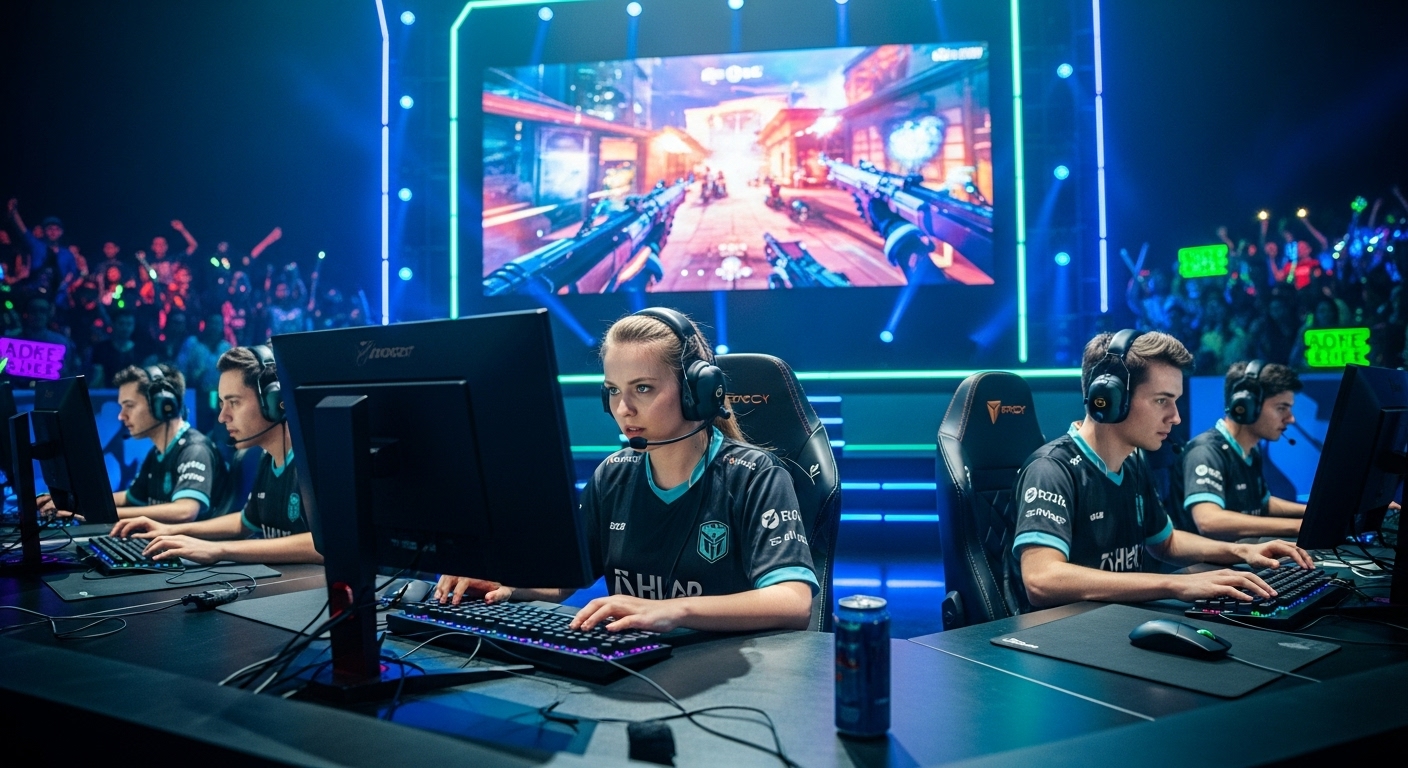
Becoming a professional esports player requires more than just passion for gaming—it demands immense skill, dedication, and the ability to work as part of a team. Players often start their careers by participating in local tournaments and climbing the ranks in online leagues before being scouted by professional teams. Many top players train for upwards of 10 hours a day, mastering the mechanics of the game and developing teamwork strategies.
Once they reach the professional level, players can earn significant salaries, often supplemented by sponsorships from major brands in technology, energy drinks, and apparel. High-profile players in games like League of Legends, CS:GO, and Fortnite can earn millions annually from winnings, sponsorships, and streaming deals.
Esports Organizations and Team Dynamics
Esports teams are structured much like traditional sports organizations. These teams have dedicated coaches, analysts, and support staff to help their players perform at the highest level. Major esports organizations like Team Liquid, Fnatic, and Cloud9 manage rosters of top-tier players who compete in a range of tournaments.
Much like in traditional sports, team chemistry and communication are essential to success in esports. Team-based games like Dota 2, Overwatch, and Valorant require players to work closely together, strategize in real-time, and adapt to their opponents’ tactics. The mental and emotional resilience needed to succeed at the highest level is just as important as raw mechanical skill.
The Future of Esports: What’s Next for Competitive Gaming?
The future of esports looks incredibly promising, with continuous growth in both audience and industry revenue. As technology continues to advance and new games emerge, esports will undoubtedly continue to evolve. Here are some key trends to watch for in the coming years:
The Integration of Virtual Reality (VR) and Augmented Reality (AR)
Virtual reality and augmented reality have the potential to revolutionize the way we experience esports. VR gaming could create immersive viewing experiences, allowing fans to watch matches from within the virtual arena or even step into the action themselves. While VR esports is still in its infancy, the technology’s potential to change the way we experience competitive gaming is exciting.
Esports in Schools and Universities
Esports is increasingly becoming part of educational curriculums and extracurricular activities. Universities are offering scholarships for esports players, and some high schools have even introduced competitive gaming as part of their athletic programs. This development not only legitimizes esports as a form of sport but also helps nurture the next generation of professional players, coaches, and analysts.
Increased Sponsorship and Mainstream Adoption
As esports continues to gain popularity, more major brands and traditional sports teams are investing in the space. From Adidas sponsoring esports teams to traditional sports leagues like the NBA investing in esports ventures, the financial backing of esports is growing exponentially. This increased sponsorship will drive further innovation, bigger tournaments, and better production values.
Conclusion: The Future Is Bright for Esports
Esports has come a long way in a short time, and its rise is far from over. What started as a subculture for passionate gamers has blossomed into a global industry with millions of fans, professional players, and massive sponsorship deals. The combination of skill, strategy, community, and technology has made esports a formidable force in the world of entertainment.
As the industry continues to grow and evolve, esports will undoubtedly continue to captivate audiences worldwide, offering both players and fans a thrilling experience that bridges the gap between gaming and professional sports. Whether you’re a player, a fan, or someone curious about the world of esports, one thing is clear: the future of competitive gaming is bright, and its best days are still ahead.