





Introduction: The Digital Arena
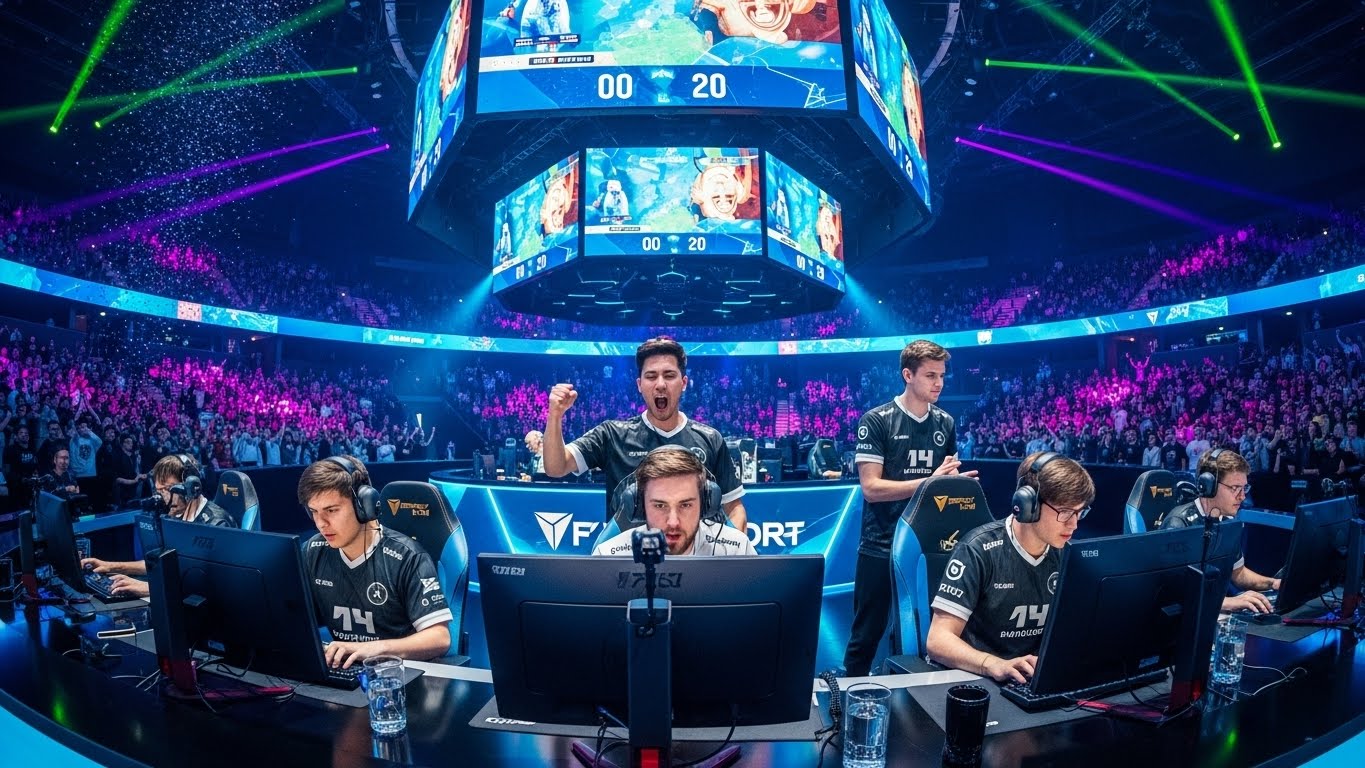
Esports, short for electronic sports, has emerged as a powerful force in the world of entertainment. What once started as casual video game competitions among friends has evolved into a global industry with professional players, large audiences, and significant economic impact. Unlike traditional sports, esports offers accessibility and inclusivity, allowing anyone with a device and an internet connection to participate and watch.
The Rapid Growth of Esports
Over the past decade, esports has experienced unprecedented growth. Major tournaments attract thousands of live spectators while millions more watch online. Games such as League of Legends, Dota 2, and Fortnite have become household names, and professional teams are now treated with the same respect and fanfare as traditional sports clubs. Sponsorships, advertising, and streaming revenue have turned esports into a multi-billion-dollar industry.
Technology Driving the Game
Technology plays a central role in the rise of esports. High-speed internet, advanced gaming hardware, and streaming platforms enable real-time competitions across continents. Emerging technologies like virtual reality and augmented reality promise to make esports experiences even more immersive, changing the way players and audiences interact with games.
The Community Behind Esports
The strength of esports lies not just in the games but in the passionate communities that form around them. Online forums, social media groups, and fan events foster engagement and mentorship. These communities nurture talent, organize amateur competitions, and celebrate achievements, ensuring that esports remains a collaborative and inclusive space for gamers worldwide.
Opportunities and Challenges
While esports offers immense opportunities, it also faces challenges. Professional players often endure long hours of practice, mental stress, and physical strain. Fair play and anti-cheating measures are essential to maintain integrity in competitions. Addressing these issues is critical to the sustainable growth of the industry.
The Future of Competitive Gaming
The future of esports is promising and transformative. Educational institutions now offer scholarships for esports athletes, traditional sports organizations are investing in esports teams, and technological innovation continues to push boundaries. Esports is no longer just a pastime—it is a legitimate career path, a global community, and a cultural phenomenon shaping the future of entertainment.
Conclusion: A New Frontier of Competition
Esports has redefined competition and entertainment in the digital age. With its unique blend of skill, strategy, and community, it continues to inspire and connect people across the globe. As esports evolves, it will remain a driving force in shaping how we experience games, sports, and interactive media.