




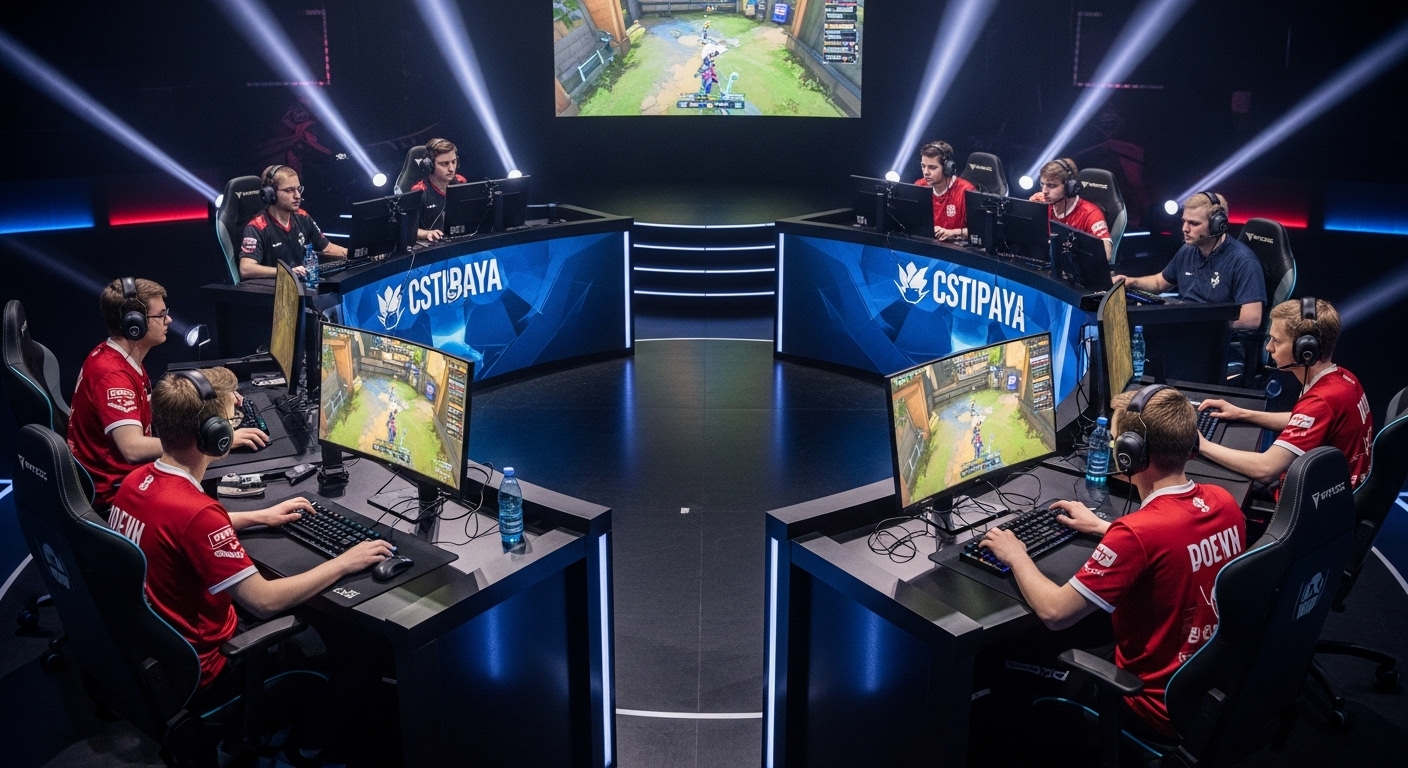
Esports has transformed from a casual hobby into a global phenomenon, captivating millions of players and fans alike. What was once seen as just gaming for fun has evolved into a professional industry with organized tournaments, sponsorships, and dedicated audiences. This blog explores the growth of esports, its impact, and the future of competitive gaming.
The Emergence of Esports
Esports, or electronic sports, refers to competitive gaming where individuals or teams compete in video games for prizes, recognition, and skill mastery. The concept began with small-scale competitions and LAN events, but with the rise of online gaming and streaming platforms, esports quickly grew into a worldwide movement. Today, major tournaments attract players from all corners of the globe.
Popular Esports Genres
Esports encompasses a wide range of game types, each appealing to different audiences:
1. Multiplayer Online Battle Arenas (MOBA)
MOBA games emphasize strategy, teamwork, and quick decision-making. Titles like League of Legends and Dota 2 dominate this genre with massive global followings.
2. First-Person Shooters (FPS)
FPS games require precision, reflexes, and tactical thinking. Games such as Counter-Strike and Call of Duty have created intense competitive environments for professional players.
3. Real-Time Strategy (RTS)
RTS games challenge players to manage resources, plan strategies, and adapt in real time. These games test analytical thinking and decision-making skills.
4. Sports and Racing Simulations
Digital versions of real-world sports and racing allow players to compete virtually, offering immersive gameplay and attracting fans who enjoy watching simulated sports competitions.
The Professional Esports Industry
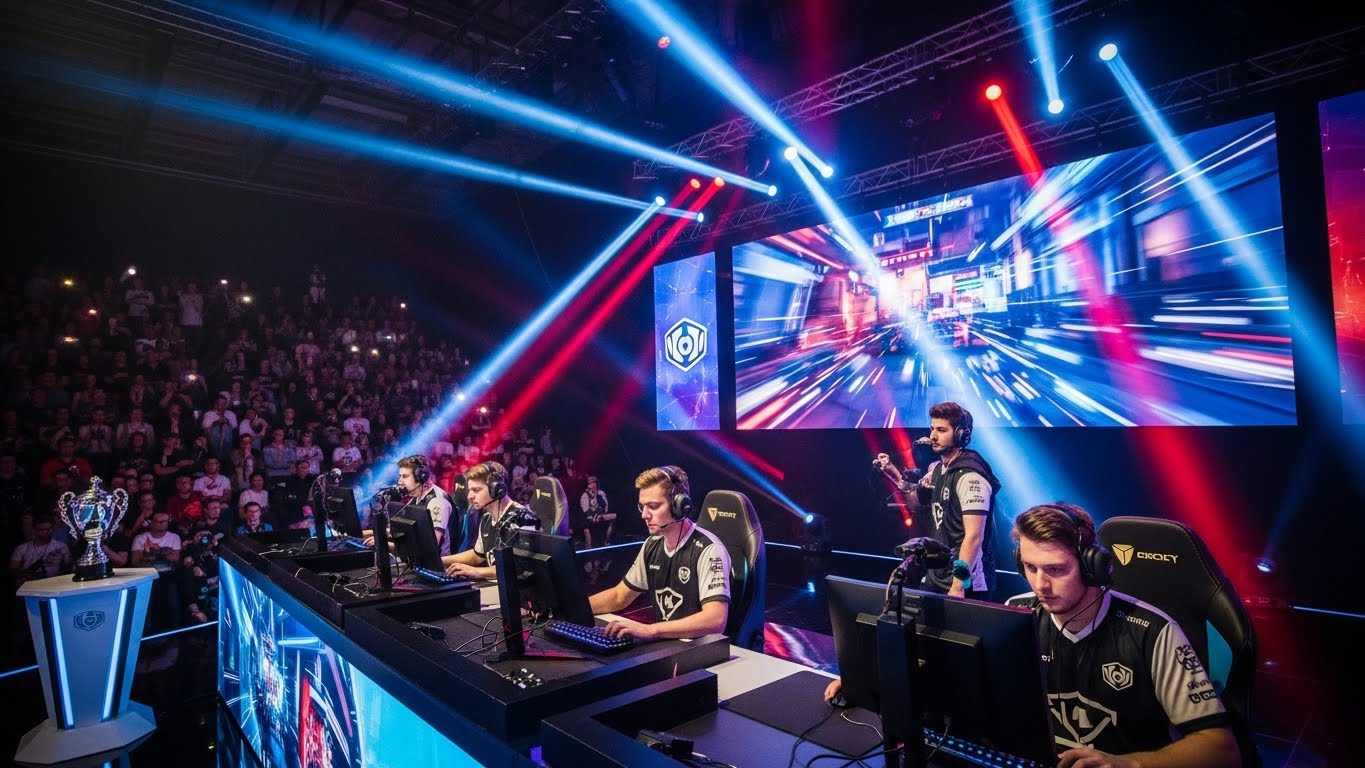
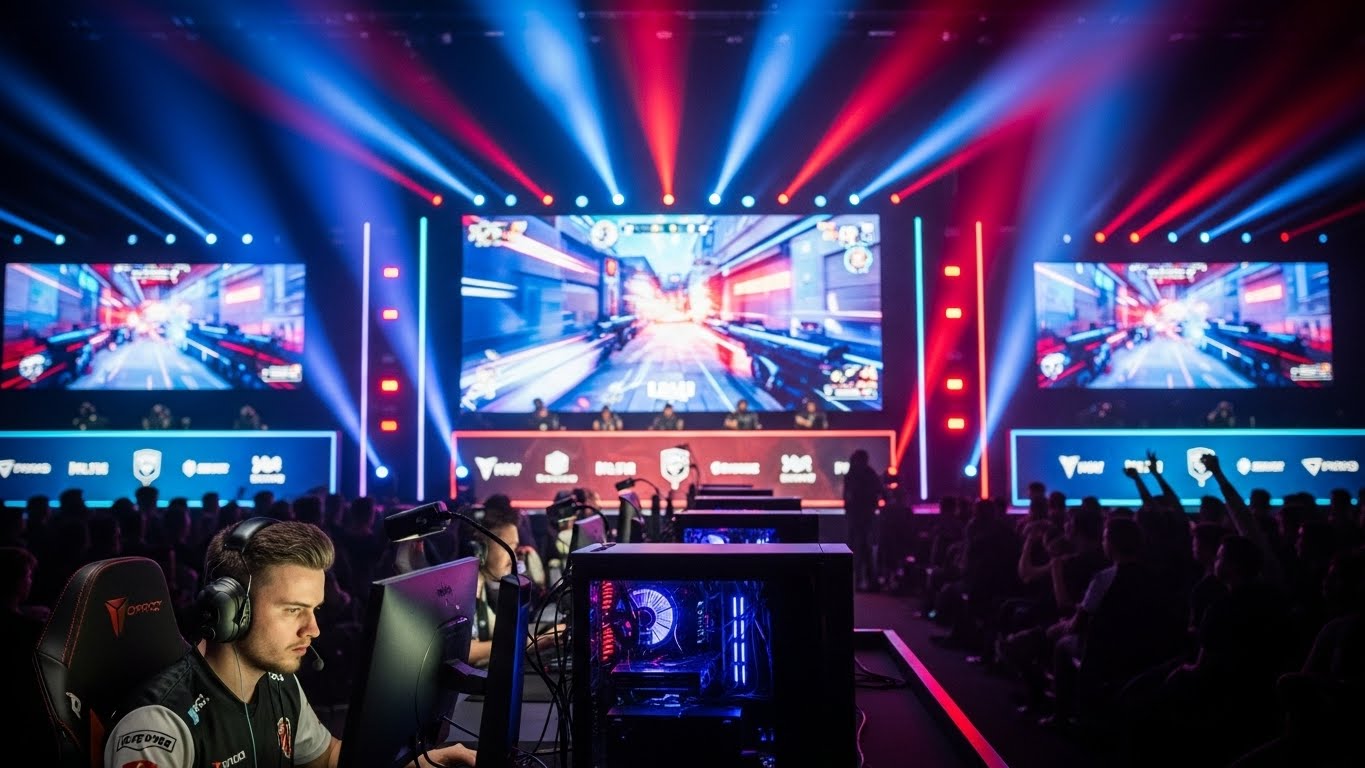
Esports has grown into a multi-billion-dollar industry. Professional teams, sponsorship deals, live events, and streaming revenue have made it a legitimate career path for skilled players. Top-tier tournaments offer substantial cash prizes, and events are often broadcast to millions of viewers worldwide. Esports has become more than just gaming—it is now recognized as professional competition.
The Impact on Players and Audiences
Esports provides unique benefits for both players and fans. Players develop teamwork, strategic thinking, and focus, while fans engage in communities that share their passion. Streaming platforms allow fans to watch live competitions, interact with players, and experience the thrill of the game from anywhere in the world. The sense of connection and excitement rivals traditional sports entertainment.
Challenges Facing Esports
Despite its rapid growth, esports faces challenges such as player burnout, mental health pressures, and maintaining fair competition. Issues like cheating, regulatory gaps, and overexposure require careful management. Ensuring responsible gameplay and supporting player well-being is critical for the sustainability of the industry.
The Future of Esports
The future of esports is bright, with emerging technologies such as virtual reality, augmented reality, and artificial intelligence enhancing gameplay and audience experiences. Esports is likely to become increasingly integrated with mainstream entertainment, attracting more viewers, sponsors, and participants. The industry is poised to redefine competitive sports in the digital era.
Conclusion
Esports is no longer just a pastime—it is a thriving, professional, and highly engaging global industry. It entertains, challenges, and connects millions of people while offering new career paths and opportunities. As technology and communities evolve, esports will continue to grow, shaping the future of competitive gaming and digital entertainment.