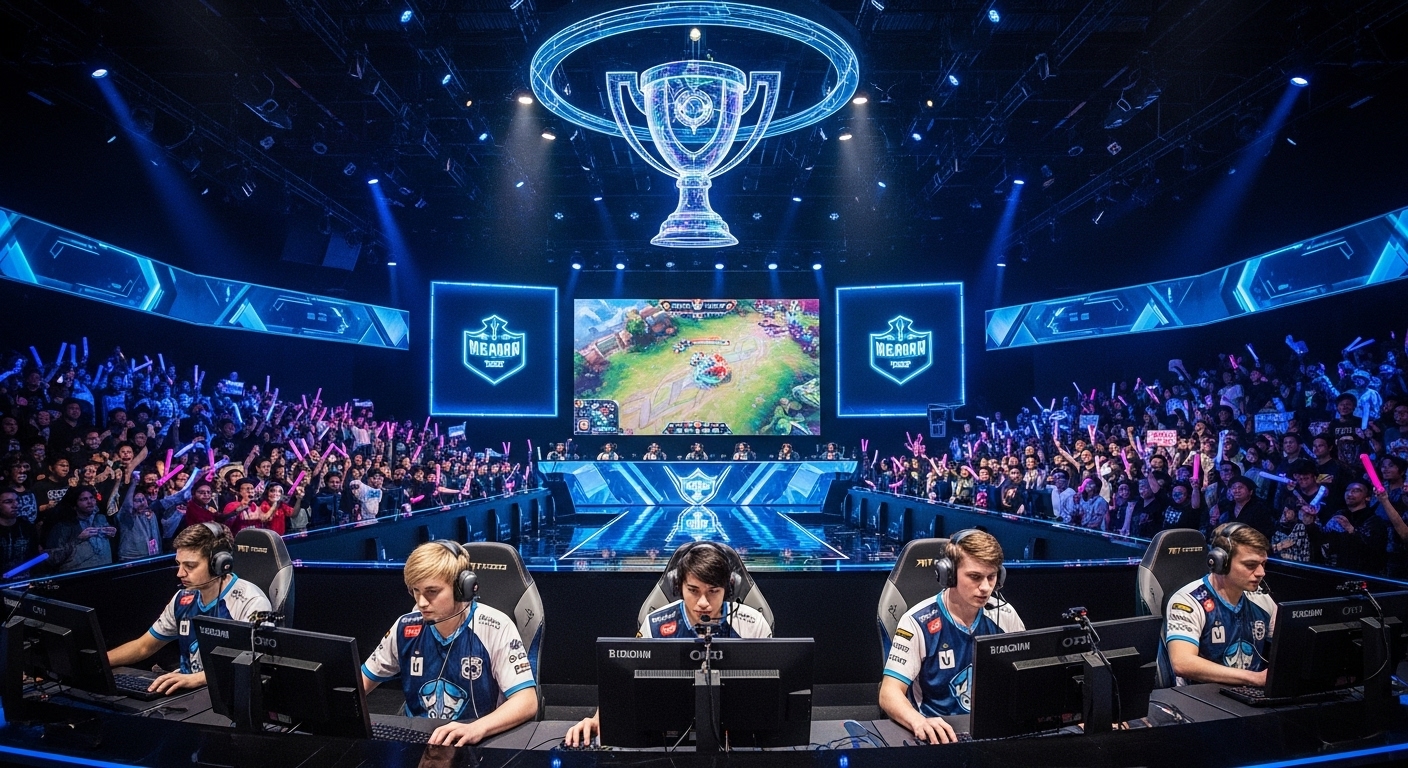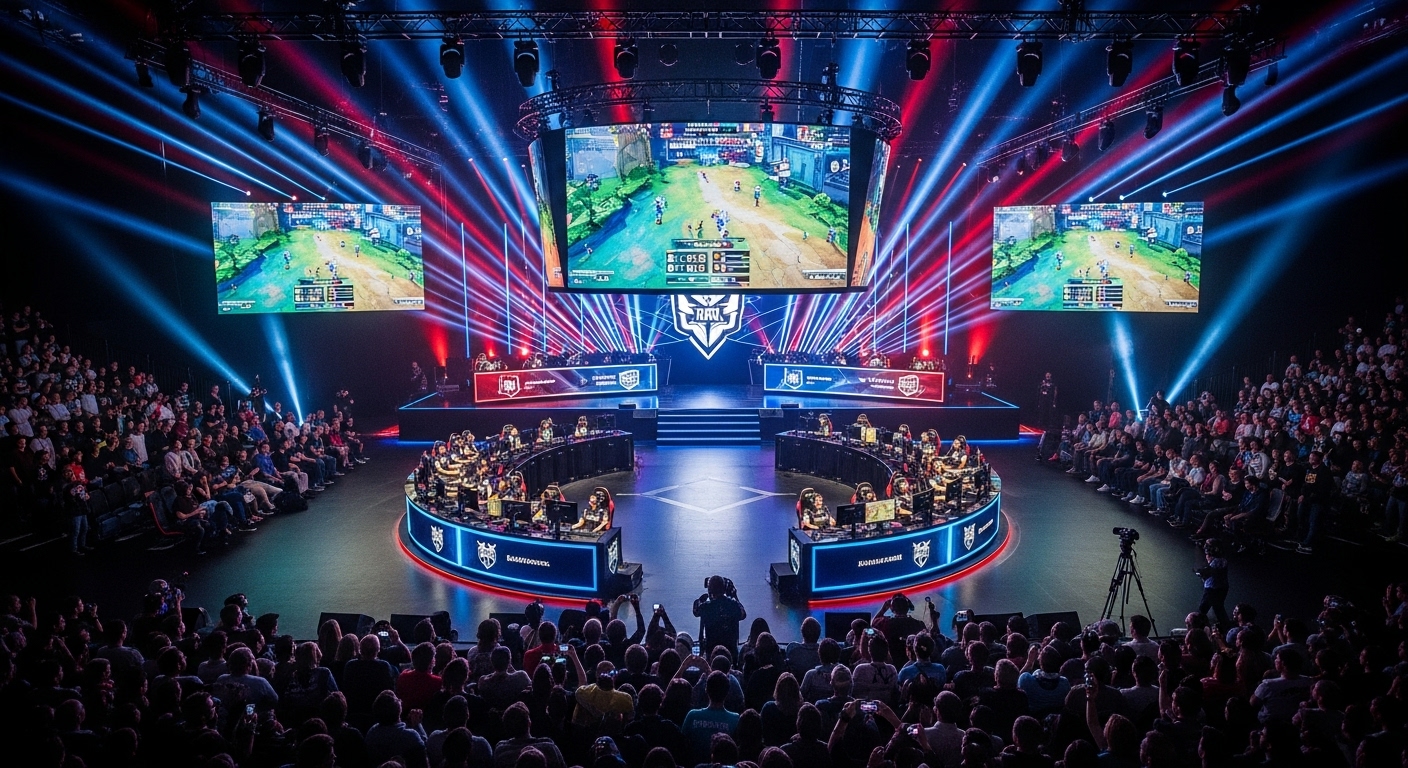





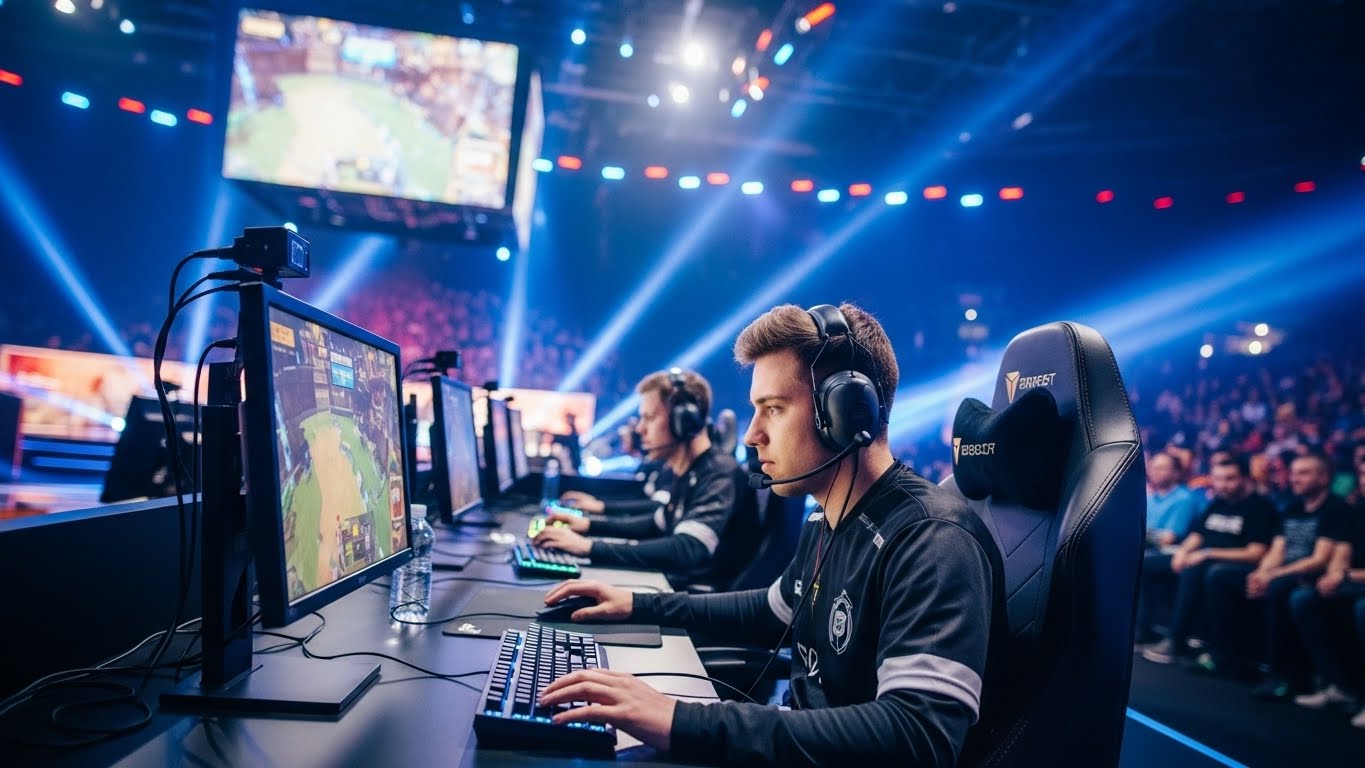
Esports, or competitive video gaming, has evolved from a niche hobby into a multi-billion-dollar global phenomenon. Once considered a pastime for teenagers in basements, it now fills stadiums, attracts celebrity sponsorships, and commands viewership numbers that rival traditional sports. This transformation is a testament to the changing landscape of entertainment and the growing recognition of gaming as a legitimate profession and cultural force. In this blog, we explore the rise of esports, its economic and social impact, the technological forces driving it, and the challenges it faces in the future.
The Evolution of Competitive Gaming
Esports traces its roots back to the early 1980s, when arcade tournaments offered players the chance to compete for prizes and recognition. Titles like Space Invaders and Pac-Man dominated the competitive scene, setting the stage for organized gaming competitions. By the late 1990s and early 2000s, games like StarCraft, Counter-Strike, and Warcraft III became staples of competitive play, particularly in South Korea, where professional gaming started gaining mainstream acceptance.
The advent of high-speed internet and online multiplayer platforms transformed esports into a global phenomenon. Gamers could now compete across continents, participate in online leagues, and build communities around their favorite titles. Streaming platforms further accelerated growth, allowing players to broadcast their gameplay to millions of viewers, effectively turning esports into a spectator sport.
Today, esports encompasses a wide variety of genres, including first-person shooters, multiplayer online battle arenas, real-time strategy games, and sports simulations. Titles such as League of Legends, Dota 2, Call of Duty, Fortnite, and Valorant dominate professional competitions, each with its own leagues, tournaments, and dedicated fanbases.
The Economic Impact of Esports
The esports industry has grown into a multi-billion-dollar ecosystem, generating revenue through sponsorships, advertising, merchandise, ticket sales, and broadcasting rights. Major tournaments now feature prize pools in the tens of millions of dollars, attracting top-tier talent from around the world. Organizations such as TSM, Fnatic, Cloud9, and G2 Esports operate like professional sports franchises, managing player contracts, training facilities, and brand partnerships.
Sponsorship deals play a crucial role in esports revenue. Tech companies, energy drink brands, and lifestyle products invest heavily in tournaments, teams, and individual players. Unlike traditional sports, esports offers highly targeted advertising, reaching younger audiences who are increasingly turning away from television in favor of digital content.
Merchandising is another significant contributor. Fans purchase jerseys, apparel, and branded peripherals to support their favorite teams. Esports events also attract massive live audiences, with stadiums and arenas hosting tens of thousands of spectators, further boosting the economic footprint of the industry.
Moreover, esports has created numerous job opportunities beyond playing professionally. Coaches, analysts, event organizers, content creators, commentators, and marketing professionals all contribute to the growth of the ecosystem, making esports a diverse and dynamic industry.
Technological Advancements Driving Esports
Technology plays a central role in the evolution of esports. High-performance gaming hardware, including graphics cards, monitors with ultra-fast refresh rates, mechanical keyboards, and specialized gaming mice, enhances player performance and overall experience. Advanced networking infrastructure ensures low-latency gameplay, which is critical for competitive fairness.
Streaming technology has been a game-changer for esports. Platforms allow players to broadcast matches live, interact with fans, and build personal brands. Virtual and augmented reality are also beginning to influence competitive gaming, providing immersive experiences for both players and spectators.
Artificial intelligence and data analytics have become essential tools for professional teams. AI can analyze gameplay patterns, track player performance, and identify strategic advantages, giving teams a competitive edge. Machine learning algorithms also help in matchmaking, ensuring balanced competitions and fair play.
Esports as a Spectator Sport
One of the defining characteristics of esports is its spectator appeal. Unlike traditional sports, esports offers multiple ways to engage audiences. Live tournaments, online streams, highlight reels, and commentary channels allow fans to experience competitions in real time or on demand.
The global audience for esports is staggering. Millions of viewers tune in for major tournaments, often surpassing traditional sporting events in viewership numbers. These audiences are highly engaged, participating in chat discussions, voting on game modes, and following player careers closely. This engagement has created a unique culture around esports, where fans and players interact in ways rarely seen in traditional sports.
Professional commentators, known as casters, play a significant role in enhancing the spectator experience. They provide real-time analysis, strategic insights, and entertainment, turning games into compelling narratives. The combination of skillful gameplay, storytelling, and community interaction has made esports a legitimate form of entertainment that rivals traditional sports in excitement and popularity.
The Social Impact of Esports
Esports is not just a competitive endeavor; it has significant social implications. It fosters communities, brings people together across geographical boundaries, and provides opportunities for social interaction in virtual spaces. Online multiplayer games often encourage teamwork, communication, and strategic thinking, skills that are transferable to real-world scenarios.
Moreover, esports has become an avenue for inclusivity and representation. Female gamers, players from diverse backgrounds, and differently-abled individuals have found opportunities to compete and succeed on a global stage. While challenges remain, such as combating toxicity and promoting diversity, esports has made notable strides in creating inclusive environments.
Educational institutions are also recognizing the value of esports. Many universities now offer scholarships for competitive gamers, alongside programs in game design, digital media, and sports management. This integration of esports into education highlights its legitimacy as a professional pursuit and a tool for developing valuable skills.
Challenges Facing the Esports Industry
Despite its rapid growth, esports faces several challenges that could impact its sustainability. One of the most pressing issues is the mental and physical health of players. Intense practice schedules, high-pressure competitions, and the sedentary nature of gaming can lead to burnout, stress, and physical strain. Organizations are increasingly focusing on player wellness, incorporating structured training, counseling, and fitness programs.
Regulatory and ethical concerns also loom large. Issues such as cheating, match-fixing, doping, and copyright infringement threaten the integrity of competitions. Establishing standardized rules, fair play protocols, and transparent enforcement mechanisms is essential for the credibility of the industry.
Additionally, esports must navigate societal perceptions. Despite its popularity, some still view gaming as a leisure activity rather than a legitimate profession. Overcoming these biases and demonstrating the economic, cultural, and social value of esports is critical for its continued acceptance.
The Future of Esports
The future of esports is poised for continued expansion and innovation. Advances in technology, such as 5G networks, cloud gaming, and AI-driven analytics, will enhance accessibility, performance, and audience engagement. The integration of virtual reality could create fully immersive tournaments where players and spectators interact in shared digital spaces.
Globalization will also shape the industry. Esports is becoming increasingly popular in regions such as Asia, Europe, and North America, creating opportunities for cross-cultural competitions and international collaborations. As the industry matures, it is likely that esports will adopt structures similar to traditional sports, with governing bodies, standardized rules, and long-term career pathways for players.
Moreover, esports may influence broader cultural trends. Its emphasis on strategy, creativity, and digital literacy aligns with the skills needed in the modern workforce. By embracing technology and fostering global communities, esports has the potential to become more than entertainment—it could redefine the way we learn, work, and interact in the digital age.
Conclusion: Esports as a Cultural and Economic Force
Esports has transformed from a niche hobby into a global cultural and economic powerhouse. It combines the thrill of competition, the creativity of digital media, and the engagement of interactive communities. As the industry grows, it provides opportunities for professional players, content creators, and businesses alike, while also fostering social connections and cultural exchange.
The rise of esports reflects broader trends in technology, entertainment, and society. It challenges traditional notions of sports, career paths, and community, demonstrating that the digital realm can be just as impactful as the physical world. With responsible growth, inclusive practices, and continued technological innovation, esports is set to play an increasingly central role in shaping the cultural and economic landscape of the 21st century.
Esports is more than just a game; it is a dynamic ecosystem where technology, talent, and passion converge. It represents the future of entertainment and competition, a space where players achieve greatness, communities flourish, and the possibilities are limitless. The journey of esports is only beginning, and its influence is poised to extend far beyond the screen.