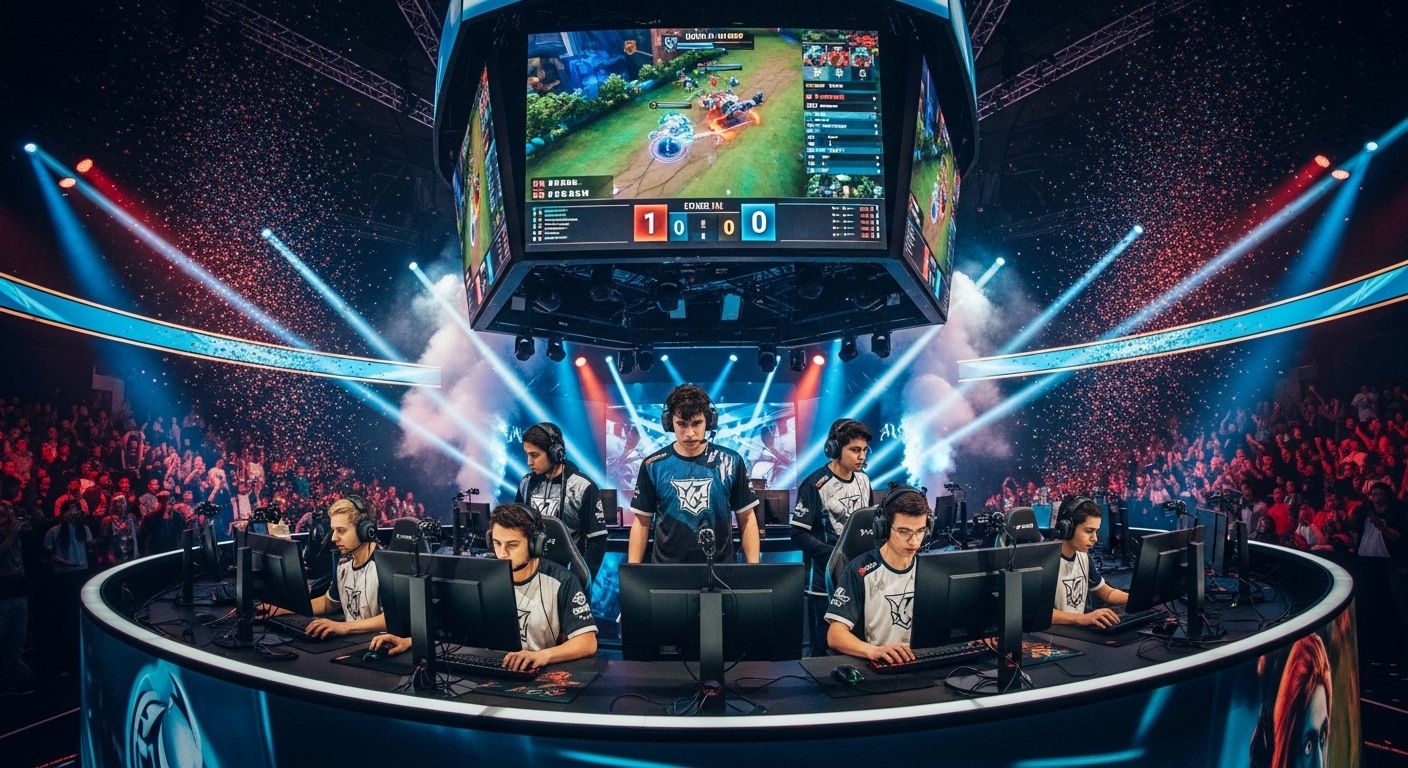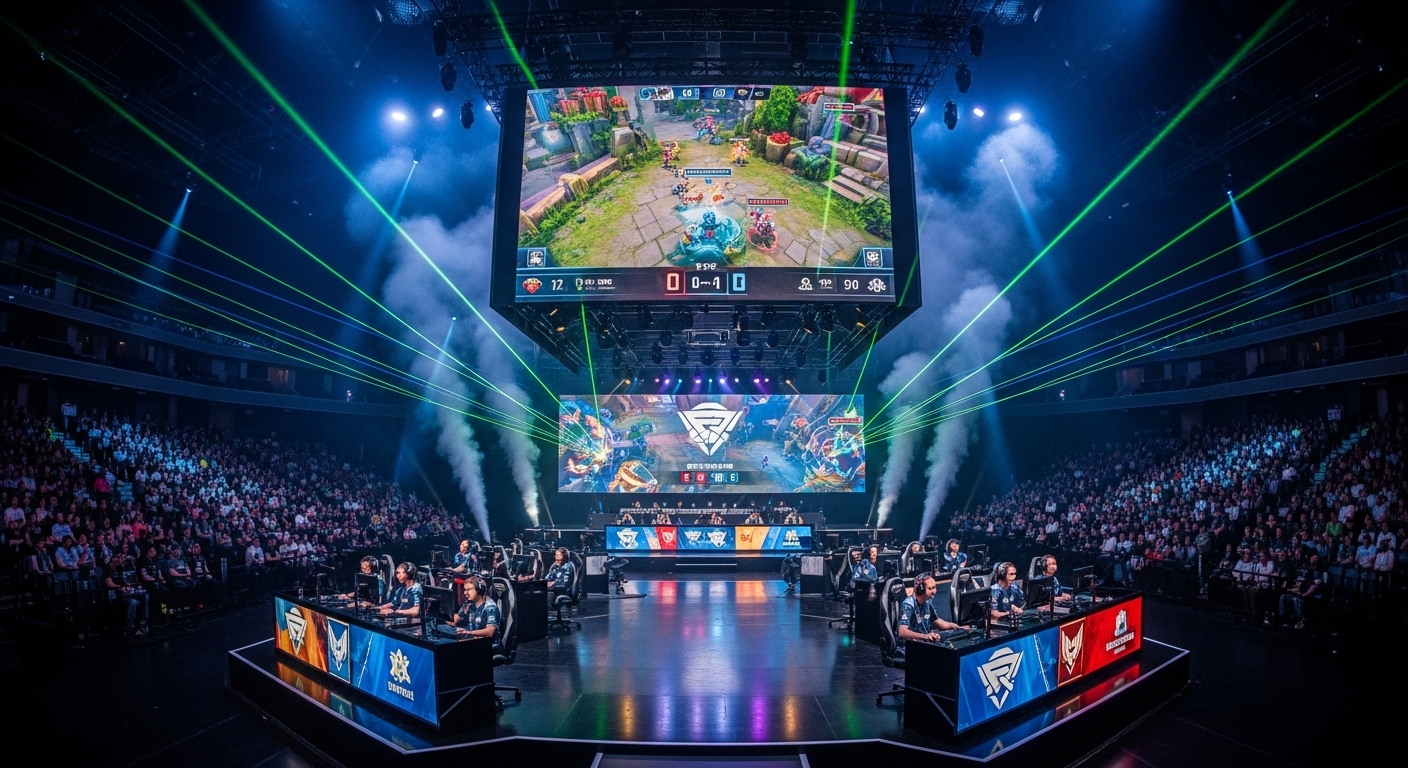





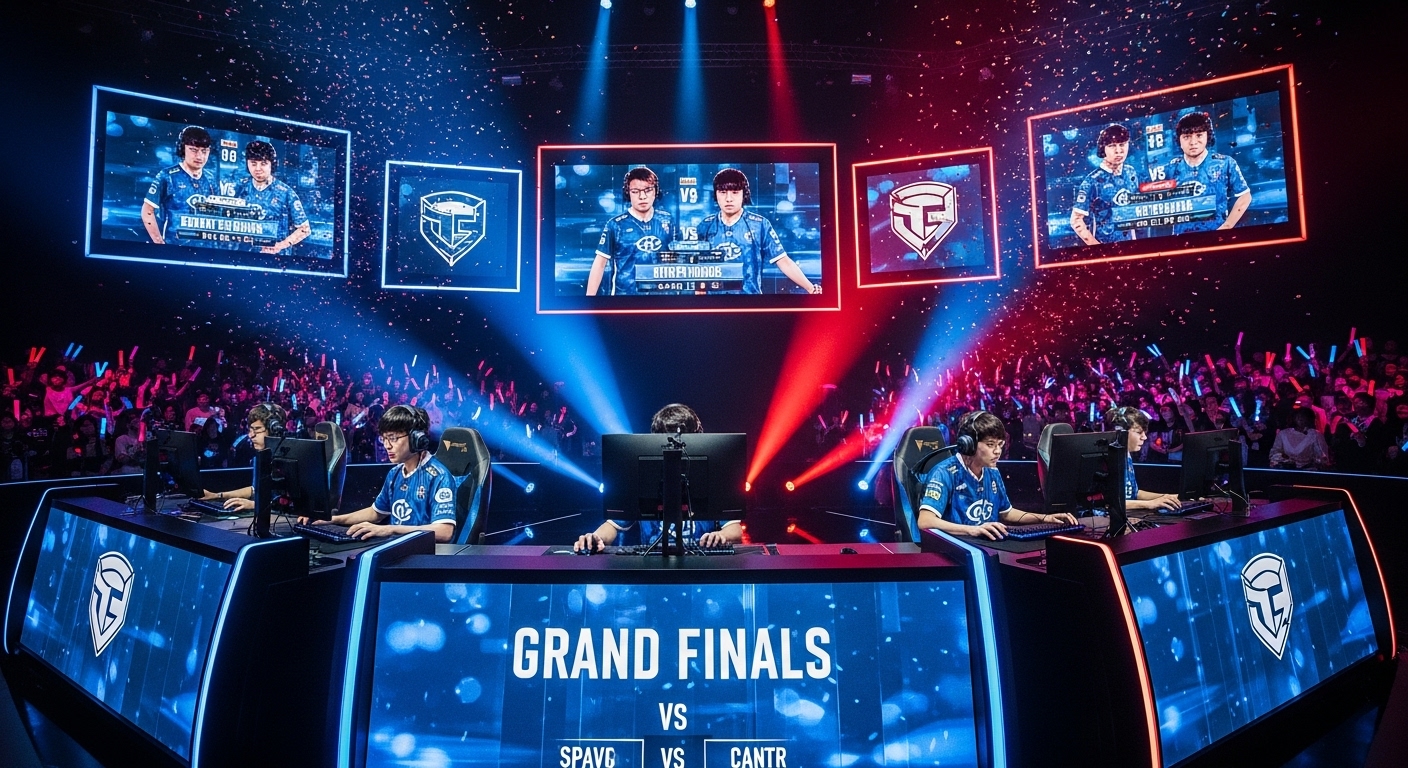
Esports, or electronic sports, has emerged as one of the most exciting and rapidly growing sectors of the global entertainment landscape. What began as informal multiplayer gaming in basements and dorm rooms has now become a massive global industry, with professional players, multi-million-dollar tournaments, and a fanbase that rivals traditional sports. Esports is not just a form of entertainment—it has become a cultural movement, a career opportunity for many, and a platform that connects millions of people from all around the world.
This blog post will explore the fascinating evolution of esports, from its humble beginnings to its current status as a global powerhouse. We’ll examine how technological advances, streaming platforms, and sponsorships have propelled esports into the mainstream, and what the future might hold for this dynamic and thriving industry.
The Origins of Esports: From Casual Play to Competitive Tournaments
The roots of esports can be traced back to the early days of video gaming in the 1970s and 1980s. In the beginning, video games were solitary activities, with arcade machines like Pong and Space Invaders offering players a chance to challenge themselves for the highest score. However, these early games were simple and lacked any form of multiplayer competition. That began to change with the introduction of games like Quake in the late 1990s, which allowed players to connect over the internet and compete in real-time against others.
In 1997, the first large-scale esports tournament took place with the Red Annihilation competition, which was a Quake tournament. The prize pool was a car, and it attracted professional gamers from around the world. This event is often regarded as one of the pivotal moments in the history of esports because it marked the transition from casual, in-person gaming competitions to organized, large-scale events.
However, it wasn’t until the early 2000s that esports began to truly take off. The rise of broadband internet meant that players could now compete against each other from the comfort of their homes, and tournaments began to grow in scope. Major League Gaming (MLG), founded in 2002, was one of the first organizations to run professional tournaments and help legitimize competitive gaming. This era marked the foundation of what we now recognize as esports leagues.
The Growth of Esports: Streaming, Sponsorships, and a Global Audience
Esports might have started as a niche activity, but what truly propelled it into the global spotlight was the rise of streaming platforms. Twitch, launched in 2011, revolutionized the way people consumed esports content. For the first time, fans could watch live streams of tournaments and competitive matches from around the world. Viewers could tune in to see the action unfold in real-time, interact with players and casters via live chat, and become part of an online community that shared their passion for gaming.
The advent of live streaming also allowed players to build personal brands, turning esports athletes into celebrities in their own right. Streamers like Ninja, who initially gained fame playing Fortnite, began to draw millions of viewers to their channels. Many of these players also participated in tournaments, further blurring the lines between content creators and professional athletes. This shift helped make esports more accessible and engaging, not just for fans who wanted to watch, but for those who aspired to be part of the esports ecosystem.
As esports grew in popularity, it attracted major sponsorships and investments from large companies. Brands like Intel, Coca-Cola, and Red Bull started sponsoring teams, tournaments, and individual players. These sponsorships helped fuel the growth of the industry, allowing for larger prize pools, better production values, and more professional tournament formats. The financial backing provided by these corporate sponsors has been a key factor in making esports a sustainable and profitable industry.
Sponsorships, in turn, helped create a more professional structure for the entire esports ecosystem. Teams started to form around popular games, employing coaches, analysts, and support staff just like traditional sports teams. Players became salaried employees of their organizations, with contracts, performance incentives, and even media training. Esports had officially become a career path for a new generation of gamers.
Esports as a Global Phenomenon: The International Appeal of Competitive Gaming
What sets esports apart from traditional sports is its inherent global appeal. While many traditional sports are confined to specific regions—football is popular in Europe and South America, basketball in North America—esports transcends geographical boundaries. Thanks to the internet, players from all over the world can compete on a level playing field, regardless of where they are located.
One of the most significant milestones in esports’ global reach is the League of Legends World Championship. Since its inception in 2011, the event has attracted millions of viewers from around the world. The tournament itself is a showcase of the best players from various regions, including North America, Europe, South Korea, and China. The competition’s massive fanbase and high production value have made it one of the most-watched sporting events on the planet.
Esports has also created a unique form of international diplomacy through its tournaments. Players from countries with historically tense political relationships, such as North and South Korea, regularly compete on the same stage. Esports provides a space for people from different cultures to connect through a shared passion for gaming, regardless of their national or political affiliations.
The Role of Streaming in Shaping the Future of Esports
Streaming has been a driving force behind the growth of esports, and its impact cannot be overstated. Not only has streaming made it possible for fans to follow their favorite teams and players, but it has also allowed for the creation of new forms of content within the esports community.
For instance, content creators on platforms like Twitch and YouTube have developed unique ways to engage with fans. Popular streamers not only play games but also provide commentary, tips, and live Q&A sessions. This interaction between streamers and fans has created a level of intimacy that traditional sports broadcasts cannot match. Viewers feel as though they have a personal connection with their favorite players, which makes the esports experience more engaging.
The rise of streaming has also provided a platform for non-traditional gaming content. Esports athletes and influencers have turned their streams into multi-faceted careers, combining competitive play with lifestyle content, charity events, and collaborations with other creators. This shift has contributed to the diversification of esports content, making it more appealing to a wider audience.
The Business Side of Esports: Sponsorship, Media Deals, and Professional Leagues
The business side of esports has exploded in recent years. Esports teams now generate revenue from a variety of sources, including sponsorships, advertising, ticket sales, and streaming rights. In fact, the global esports market is projected to surpass $1 billion in annual revenue in the coming years, with sponsorships and media rights deals accounting for the majority of this revenue.
Traditional media outlets have also begun to recognize the value of esports. Major sports networks like ESPN and Turner Broadcasting have begun to broadcast esports events, signaling that competitive gaming is now a mainstream form of entertainment. Additionally, streaming platforms like YouTube Gaming and Facebook Gaming have signed exclusive streaming deals with esports leagues and players, further expanding the audience and accessibility of esports content.
One of the most significant developments in the professionalization of esports is the creation of dedicated esports leagues. These leagues function much like traditional sports leagues, with set seasons, team rosters, and playoffs. Games like Overwatch and Call of Duty have introduced franchised leagues, where teams are given a permanent spot in the league, much like how professional basketball or football teams have fixed locations and memberships. This model has created a more sustainable structure for teams and players, helping to elevate the profile of esports to new heights.
The Future of Esports: Virtual Reality, Mobile Gaming, and Global Expansion
As esports continues to grow, the future of the industry is brimming with exciting possibilities. One of the most anticipated developments is the integration of virtual reality (VR) and augmented reality (AR) into esports. These technologies promise to offer immersive experiences that could change the way we view and play competitive games. VR esports, in particular, could introduce entirely new genres of competition, offering players and fans an experience unlike anything available today.
Mobile gaming is also set to play a significant role in the future of esports. Games like PUBG Mobile and Arena of Valor have already made waves in the competitive scene, particularly in regions like Southeast Asia, where mobile phones are the primary gaming device. With the proliferation of smartphones, mobile esports has the potential to reach an even wider audience, bringing competitive gaming to new demographics and regions.
The global expansion of esports is another factor that will shape its future. As esports continues to grow in regions like Africa, the Middle East, and Latin America, the potential for international tournaments to expand is enormous. The increasing availability of high-speed internet and improved infrastructure in these regions will only enhance the global reach of esports, ensuring that the industry continues to thrive in new markets.
Conclusion: Esports’ Bright Future Ahead
Esports has come a long way from its humble beginnings as a niche hobby for passionate gamers. Today, it is a multi-billion-dollar industry that has captured the attention of millions around the world. The rise of streaming platforms, sponsorships, and professional leagues has helped transform esports into a global entertainment powerhouse. With new technologies like virtual reality, mobile gaming, and the continued expansion into emerging markets, the future of esports looks incredibly promising. As more people discover the thrill of competitive gaming, esports will continue to evolve and solidify its place in the entertainment industry for years to come.