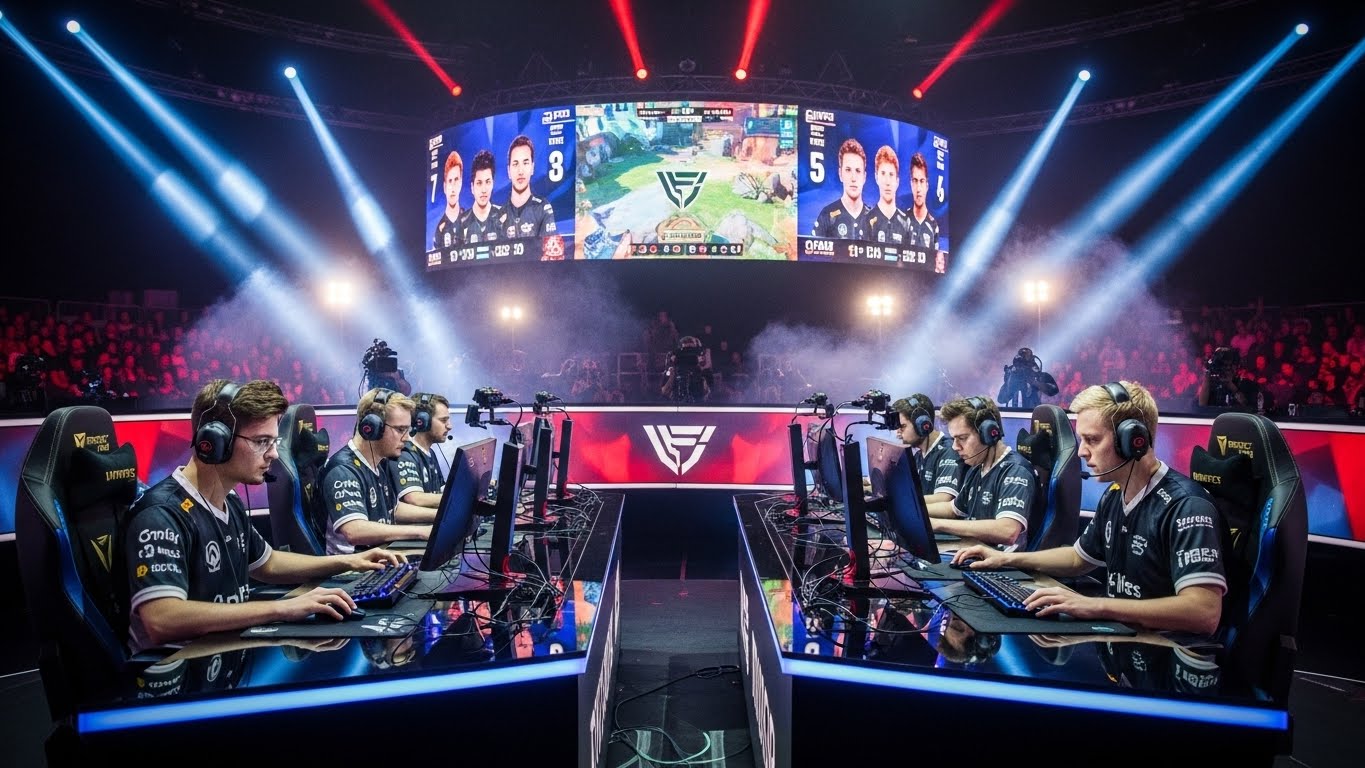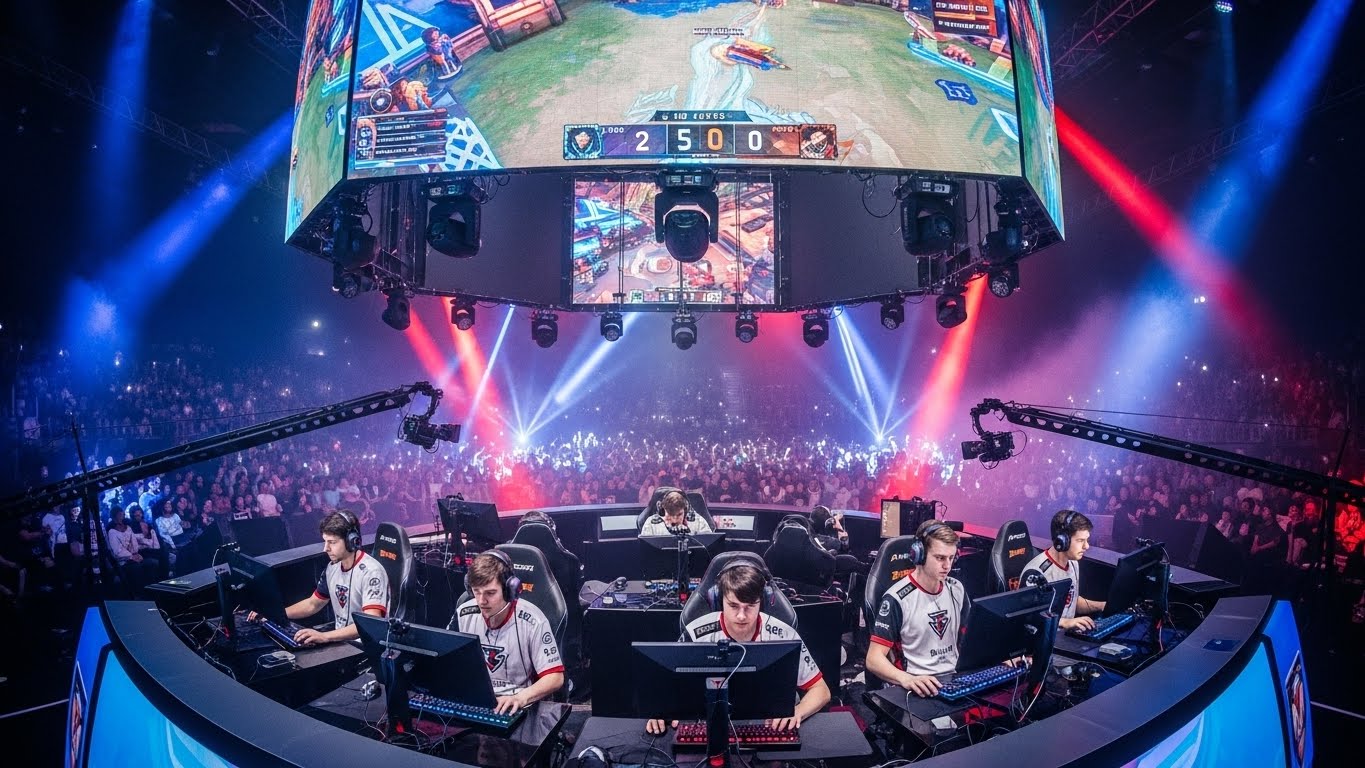





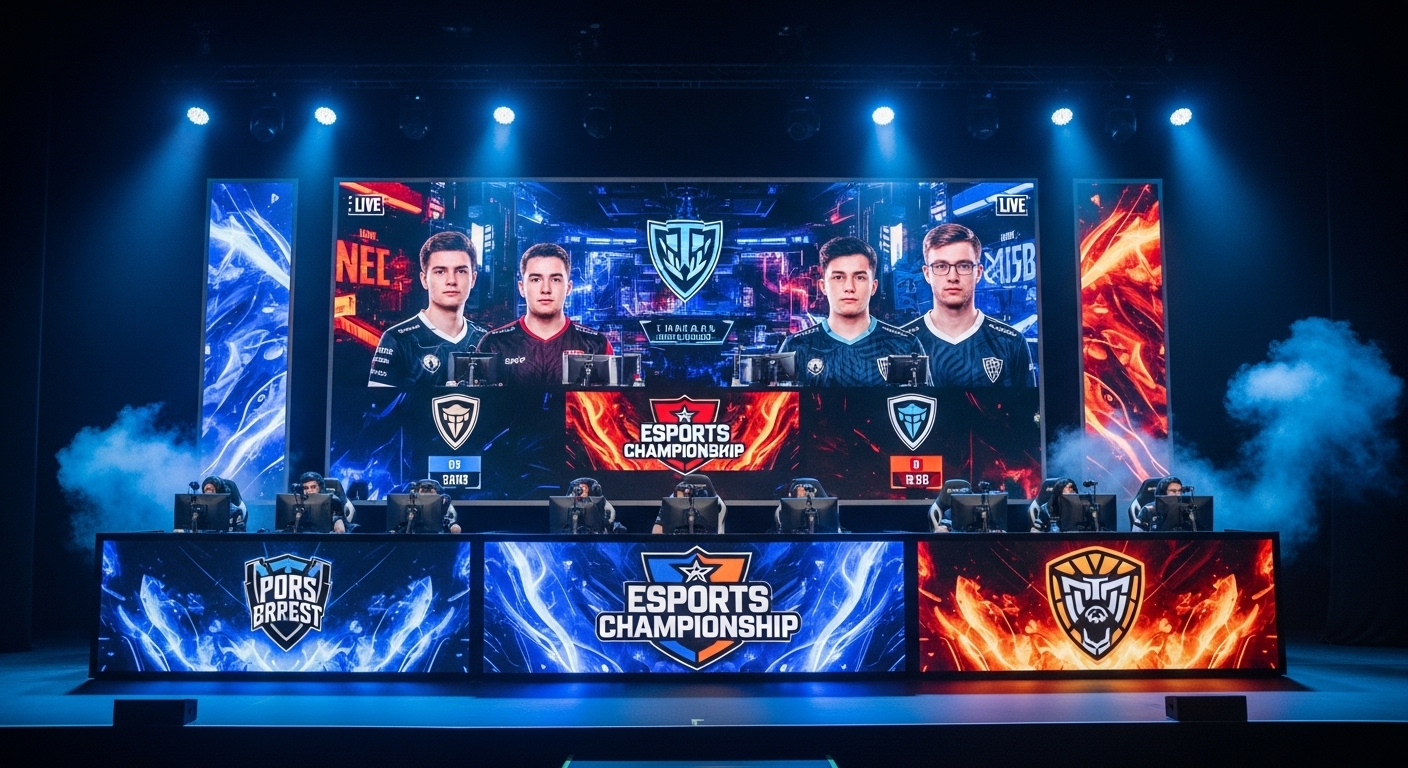
In the last two decades, esports has transformed from a niche hobby into a worldwide phenomenon. What began as small competitions in basements and internet cafés has now become a professional industry with international tournaments, massive audiences, and millions of dollars in revenue. Esports, short for electronic sports, is the organized competition of video games, where players or teams battle for recognition, prize money, and global prestige. This article explores the origins, growth, cultural impact, and future of esports, highlighting why it has become one of the most influential entertainment sectors of the modern age.
The Early Days of Competitive Gaming
The roots of esports stretch back to the earliest days of video games. In the 1970s, titles like Pong and Spacewar allowed players to compete against each other for high scores, offering some of the first glimpses of competitive gaming. The first recorded video game competition occurred in 1972 at Stanford University, where students played Spacewar to win a subscription to Rolling Stone magazine. While modest, this event demonstrated the potential for organized competition in gaming.
During the 1980s and 1990s, gaming expanded into arcades and home consoles, which became hubs for competition. Games like Pac-Man, Street Fighter, and Super Mario drew players to compete locally for bragging rights or prize money. However, it wasn’t until the internet became widely available that competitive gaming could truly scale. Online multiplayer games like Doom, Quake, and StarCraft allowed players to compete with others across cities, countries, and eventually continents, laying the foundation for modern esports leagues.
The Professionalization of Esports
The 2000s marked the professionalization of competitive gaming. In South Korea, StarCraft: Brood War became a national phenomenon. Professional leagues were created, matches were broadcast on television, and players trained full-time. Gamers were treated as athletes, complete with coaches, analysts, and team support staff. South Korea’s approach set a standard for professional esports, demonstrating that competitive gaming could be both lucrative and culturally significant.
In North America and Europe, esports also began to develop structured competitions. Titles such as Counter-Strike, Warcraft III, and Halo became staples of organized tournaments. These events attracted sponsorships from tech companies, energy drink brands, and hardware manufacturers, highlighting the commercial potential of competitive gaming. The combination of prize money, exposure, and professional infrastructure encouraged more players to pursue esports as a career.
The release of League of Legends in 2009 by Riot Games marked a pivotal moment in esports history. Riot Games invested heavily in creating a competitive ecosystem, establishing official leagues, global championships, and team contracts. This structured approach attracted dedicated players and created a loyal fanbase, setting a blueprint for future esports titles and leagues worldwide.
The Role of Streaming in Esports Growth
Streaming platforms revolutionized esports by providing fans with easy access to live competitions. Platforms like Twitch, launched in 2011, allowed players and fans to interact in real time. Fans could watch live matches, follow their favorite players, and engage through chat, creating a global community around esports.
Streaming also opened new revenue streams. Players could monetize their content through subscriptions, donations, and sponsorships, while tournament organizers reached larger audiences and generated income through advertising. The interactivity and accessibility of streaming platforms helped esports grow beyond traditional gaming communities, turning it into mainstream entertainment.
Esports as a Business Empire
Today, esports is a multi-billion-dollar industry with a complex business ecosystem. Organizations operate much like professional sports teams, recruiting top talent, employing coaches and analysts, and negotiating sponsorship deals. Major corporations, including tech companies, beverage brands, and media outlets, invest in tournaments and teams, seeing esports as a valuable marketing platform.
Prize pools have grown dramatically. Events like The International for Dota 2 and the League of Legends World Championship offer millions of dollars in winnings, attracting the best players globally. Beyond tournaments, esports organizations generate revenue from merchandise, media rights, streaming partnerships, and content creation. This multi-faceted business model has attracted investors, further fueling growth and innovation in the industry.
Career Opportunities in Esports
Esports is not limited to professional players. It has created numerous career opportunities, including commentators, analysts, coaches, event organizers, and content creators. Commentators provide insights and entertainment during matches, while analysts help teams develop strategies and improve performance. Event organizers manage large-scale tournaments, ensuring smooth operations and engaging experiences for fans.
Education has also embraced esports. Universities worldwide offer scholarships for esports athletes and academic programs in esports management, game development, and media production. These programs prepare students for careers in an industry that demands creativity, strategic thinking, and technical skill, ensuring the sustainability and growth of esports as a professional field.
Cultural Impact of Esports
Esports has reshaped popular culture and public perception of gaming. Gamers are no longer seen as solitary hobbyists; professional players are celebrated as athletes and influencers. Large tournaments fill arenas with enthusiastic fans, while millions more watch live online, creating a global community of spectators.
The social aspect of esports is particularly significant. Platforms like Discord, Reddit, and Twitch allow fans to discuss strategies, support their favorite players, and form online communities. Esports has also influenced music, fashion, and media, with artists performing at events, brands launching team apparel, and documentaries highlighting players’ lives. This integration into mainstream culture has made esports a legitimate career path and strengthened its role as a cultural phenomenon.
Global Expansion of Esports
Esports has expanded far beyond its initial strongholds in North America, Europe, and South Korea. In China, esports is officially recognized as a sport, supported by government initiatives, professional leagues, and a massive fanbase. Southeast Asia and India are seeing rapid growth due to affordable smartphones, high-speed internet, and mobile gaming popularity.
Brazil has emerged as a key hub in Latin America, hosting major tournaments and producing world-class talent. In the Middle East, countries like Saudi Arabia and the United Arab Emirates are investing in esports academies and government-backed events. This global expansion illustrates the universality of esports, providing opportunities for players from diverse backgrounds and connecting communities worldwide.
Challenges in the Esports Industry
Despite its growth, esports faces significant challenges. Player health is a major concern, as long practice hours can cause physical strain, repetitive stress injuries, and mental fatigue. Burnout and stress are common among professional players, prompting organizations to implement wellness programs and structured schedules to maintain health and performance.
Regulation is another challenge. Unlike traditional sports, esports lacks a unified governing body, resulting in inconsistent rules, tournament standards, and player contracts. Issues such as cheating, match-fixing, and disputes over rights can undermine integrity. Standardization and governance are essential for the continued credibility and sustainability of the industry.
Inclusivity is also a concern. Female players and underrepresented groups often face barriers in professional esports, including harassment and limited visibility. Initiatives promoting diversity, inclusive tournaments, and supportive online environments are critical for creating equitable opportunities for all participants.
The Future of Esports
The future of esports is bright and full of potential. Technological innovations like virtual reality and augmented reality promise immersive experiences for both players and spectators. Fans could soon watch matches from the perspective of professional players or participate in interactive 3D environments, transforming the way esports is consumed.
Integration with traditional sports is another trend. Major leagues such as the NBA and NFL have invested in esports teams and tournaments, blending digital competition with conventional sports entertainment. This cross-industry collaboration will likely expand audience reach and open new revenue streams.
Global growth will continue to be a focus, particularly in emerging markets. Government initiatives, investor interest, and improved infrastructure will create opportunities for new players, teams, and tournaments. The potential inclusion of esports in international multi-sport events, such as the Olympics, could further solidify its legitimacy as a global sport.
Conclusion
Esports has evolved from small basement competitions into a global cultural and economic powerhouse. It has created professional careers, connected international communities, and reshaped the perception of gaming as a legitimate sport. With structured leagues, global tournaments, and passionate fanbases, esports has firmly established itself as one of the most influential forms of modern entertainment.
While challenges remain, including player health, governance, and inclusivity, the industry continues to grow and adapt. Advances in technology, global expansion, and increasing mainstream recognition ensure that esports will remain a defining element of digital entertainment. The world of competitive gaming has transformed into a stage where players are not just gamers—they are legends, innovators, and pioneers of a rapidly evolving digital era.