




Introduction: The New Frontier of Competition
Esports has rapidly transformed the way people view competitive gaming. What started as a casual pastime has become a worldwide phenomenon, blending technology, entertainment, and sportsmanship into a unique experience. This fast-growing industry now captures the attention of millions, creating opportunities far beyond the screen.
Understanding Esports: More Than Just Games
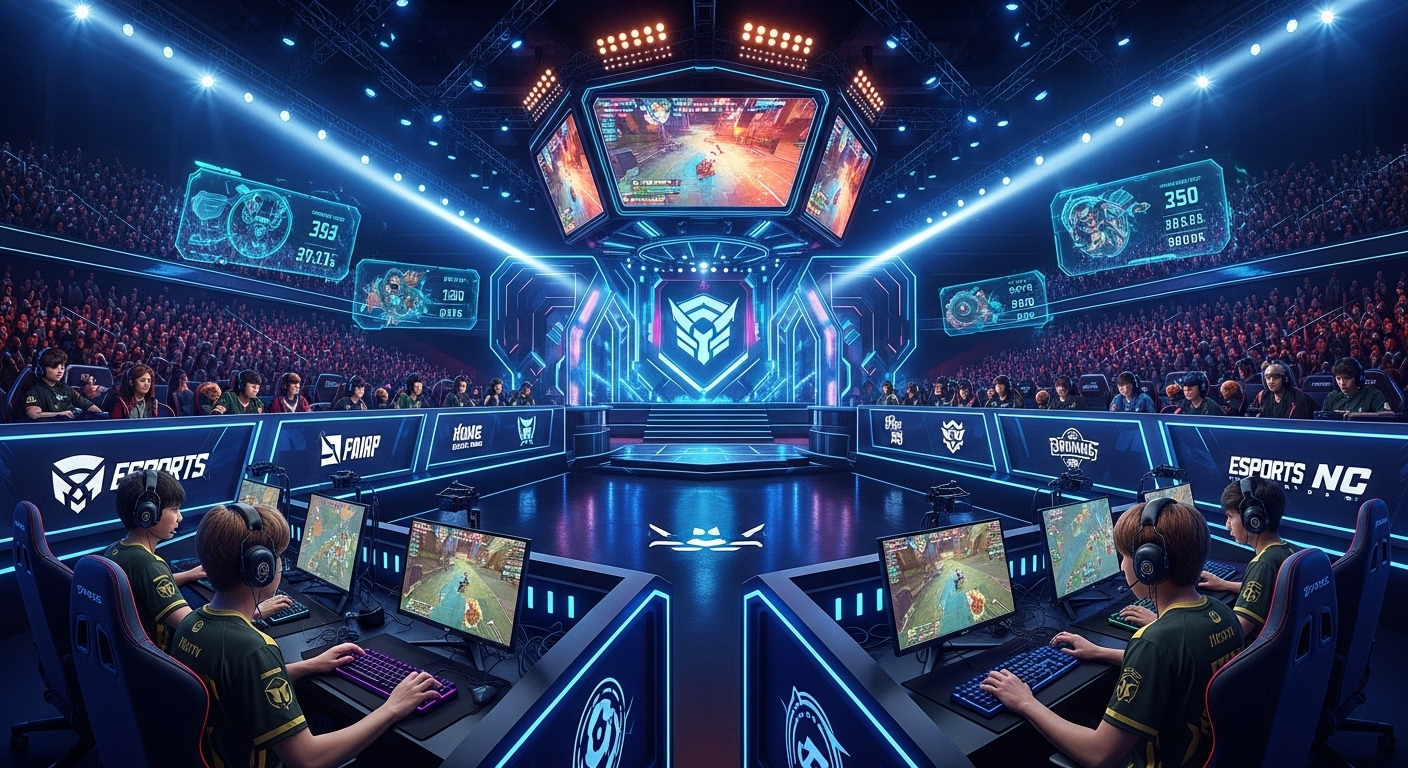
At its core, esports involves organized competitions where players or teams battle in video games. These contests require exceptional skill, quick thinking, and strategic teamwork. Popular games like League of Legends, Dota 2, and Fortnite have become platforms where players showcase their talents and engage passionate fans across the globe.
The Rise of Professional Gamers
Becoming a professional esports athlete is no easy feat. Players dedicate countless hours to mastering their craft, often undergoing rigorous training similar to traditional athletes. Success demands not only game knowledge but also mental resilience and physical stamina. For many, esports offers a viable career path filled with tournaments, sponsorships, and fan followings.
Global Impact and Cultural Influence
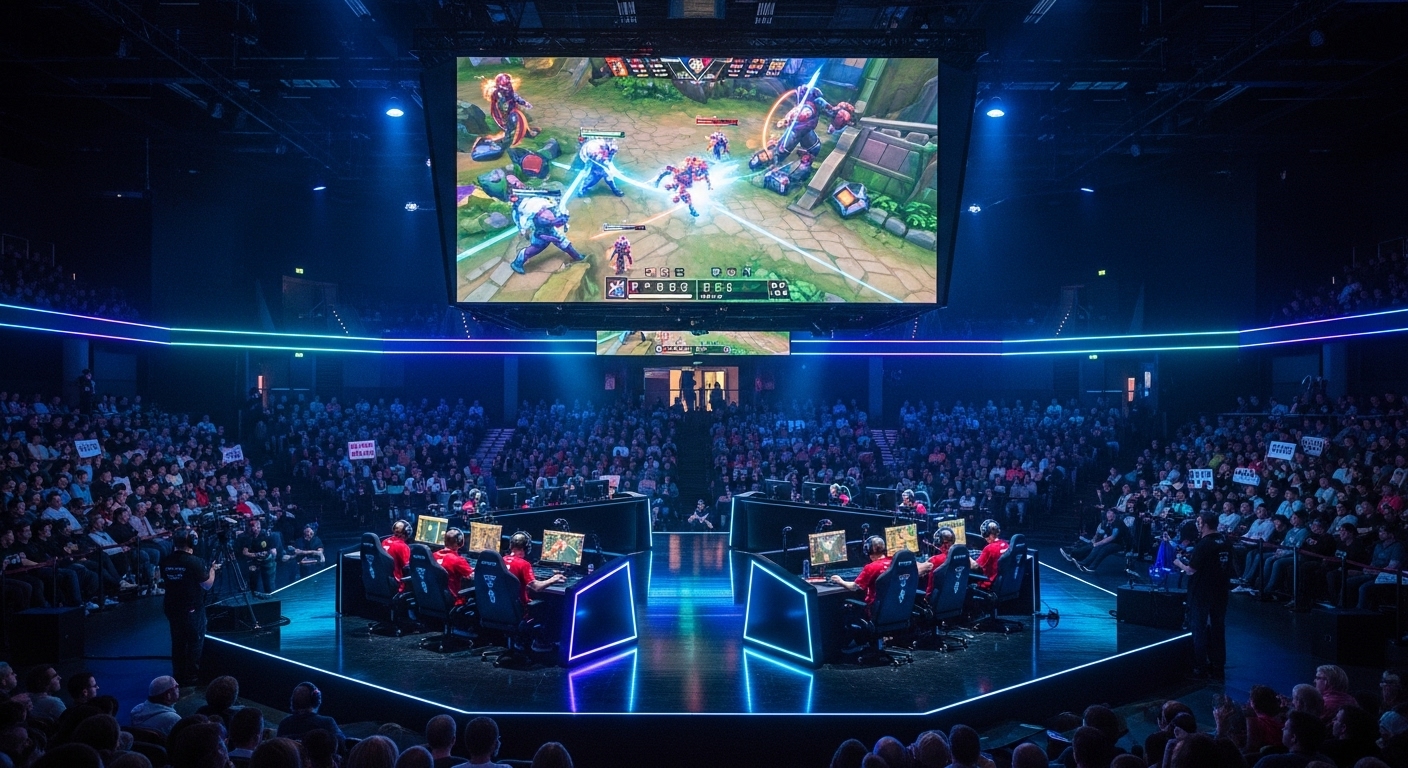
Esports transcends borders, bringing together people from diverse cultures through shared enthusiasm for gaming. Countries like South Korea have embraced esports as a cultural staple, while others are quickly catching up. Major events now fill arenas and draw massive online audiences, reflecting esports’ growing legitimacy as a form of entertainment and competition.
Economic Growth and Industry Dynamics
The esports industry has evolved into a multi-billion dollar market. Investments from brands, media companies, and advertisers fuel its growth, creating jobs and driving innovation. Esports organizations operate similarly to traditional sports teams, managing players, marketing, and fan engagement, contributing to a vibrant and sustainable ecosystem.
Challenges Facing the Esports Community
Despite its success, esports faces challenges including player burnout, the need for better regulation, and issues related to inclusivity. Many players experience intense pressure, and the industry is still working towards establishing long-term career support and fair practices for all participants.
Looking Ahead: The Future of Competitive Gaming
The future of esports is bright with continued advancements in technology and increasing acceptance worldwide. Educational institutions are beginning to support esports programs, and emerging technologies like virtual reality promise to revolutionize the gaming experience. As esports continues to grow, it will shape how entertainment and competition evolve in the digital age.
Conclusion: Esports as a Cultural Movement
Esports is more than just playing video games; it represents a cultural shift in how we connect, compete, and entertain ourselves. With its blend of passion, skill, and innovation, esports is here to stay, offering exciting opportunities for players and fans alike.