




Introduction: The Emergence of Esports
Esports, or competitive video gaming, has grown from a niche hobby into a worldwide phenomenon. What once consisted of casual competitions among friends has evolved into professional leagues, international tournaments, and a global community of players and fans. Today, esports is not just entertainment; it is a thriving industry with athletes, coaches, analysts, and millions of viewers. The rise of esports reflects the intersection of technology, competition, and culture, demonstrating how digital gaming has become a serious and respected pursuit. This blog explores the journey of esports, its impact on society, and the factors driving its global success.
The Origins of Esports
Esports has its roots in the early days of video gaming. In the 1970s and 1980s, arcade competitions challenged players to achieve the highest scores, often rewarding winners with recognition or small prizes. As home gaming consoles and personal computers became more accessible, competitive play expanded beyond arcades to living rooms and local gaming clubs.
The 1990s saw the rise of organized tournaments, often hosted in LAN parties where players connected computers to compete in real time. Games like Quake, StarCraft, and Counter-Strike became staples of early esports, establishing communities and competitive standards. These tournaments marked the transition from casual gaming to structured, skill-based competition.
The Role of Technology in Esports Growth
The rapid expansion of esports is closely linked to advances in technology. High-speed internet, powerful gaming hardware, and online multiplayer platforms allowed players to compete globally without physical proximity. Streaming services and video platforms enabled fans to watch competitions live, creating a digital audience that grew exponentially.
Technology also enhanced training and performance. Players analyze gameplay, study opponents, and use specialized equipment to improve precision and reaction time. Online platforms facilitate practice, collaboration, and strategy development, making esports more competitive and professional than ever before.
Popular Esports Titles
Different games have shaped the esports landscape, each offering unique mechanics and competitive experiences. Multiplayer online battle arenas (MOBAs) such as League of Legends and Dota 2 emphasize strategy, teamwork, and adaptability. First-person shooters like Counter-Strike: Global Offensive and Call of Duty focus on reflexes, precision, and communication.
Battle royale games, sports simulations, and fighting games have also gained prominence. Each title attracts dedicated communities, professional teams, and large-scale tournaments. The diversity of games ensures that esports appeals to a wide audience, catering to various interests and skills.
Professional Players: Athletes of the Digital Age
Esports athletes dedicate extensive hours to honing their skills. Professional players follow rigorous training schedules, analyzing game mechanics, strategies, and opponent tendencies. Beyond gameplay, they focus on physical health, mental resilience, and teamwork to maintain peak performance.
Coaches and analysts assist players by reviewing matches, developing strategies, and optimizing team dynamics. Just like traditional athletes, esports competitors face high-pressure environments, requiring discipline, focus, and the ability to perform under stress. The commitment of professional players highlights the seriousness and legitimacy of esports as a competitive field.
Teams and Organizations
Professional esports teams function similarly to traditional sports franchises. They recruit talent, manage training programs, and participate in leagues and international tournaments. Teams invest in coaching staff, analysts, psychologists, and fitness trainers to support their players both mentally and physically.
Organizations also focus on branding, fan engagement, and sponsorships. Merchandise, social media presence, and content creation enhance visibility and profitability. By professionalizing management, teams contribute to the growth of esports as a structured industry with long-term potential.
Esports Tournaments and Events
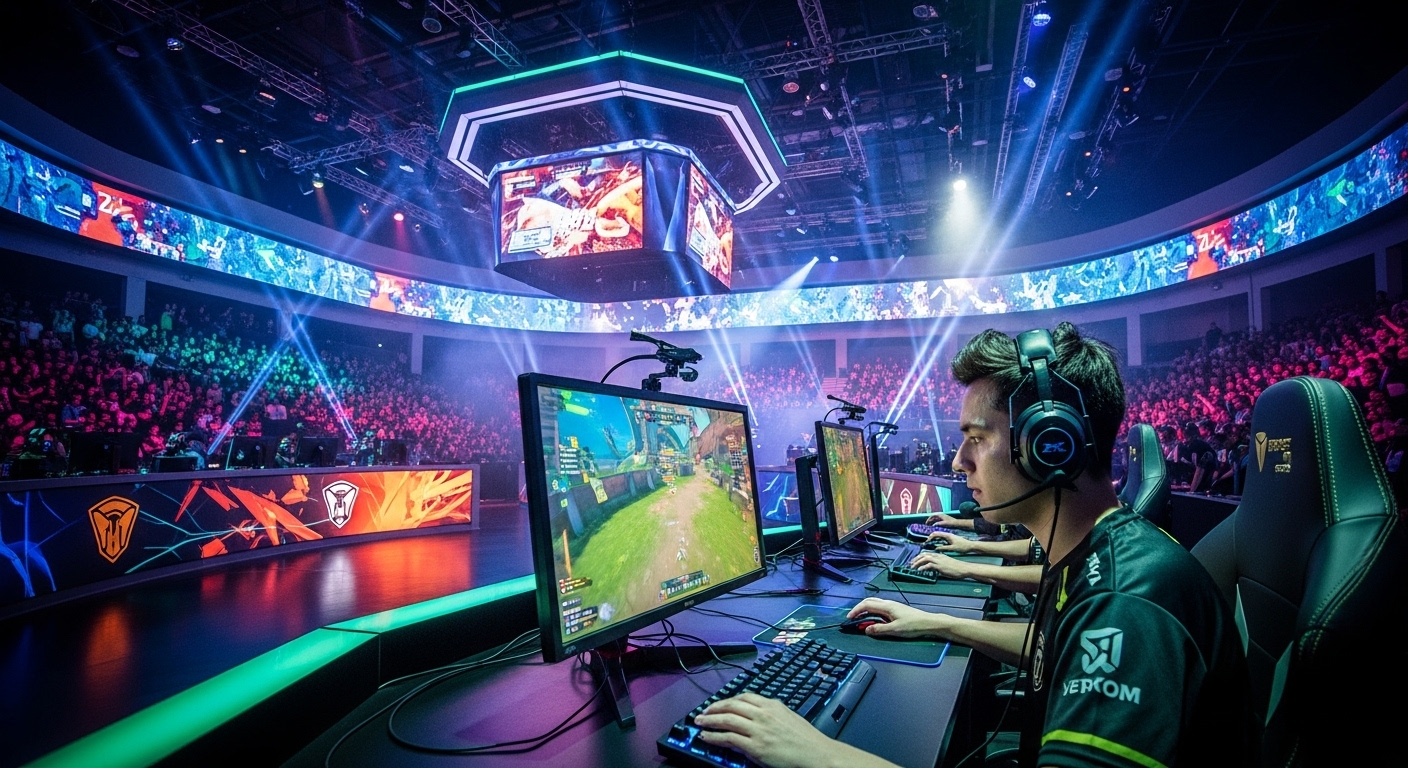
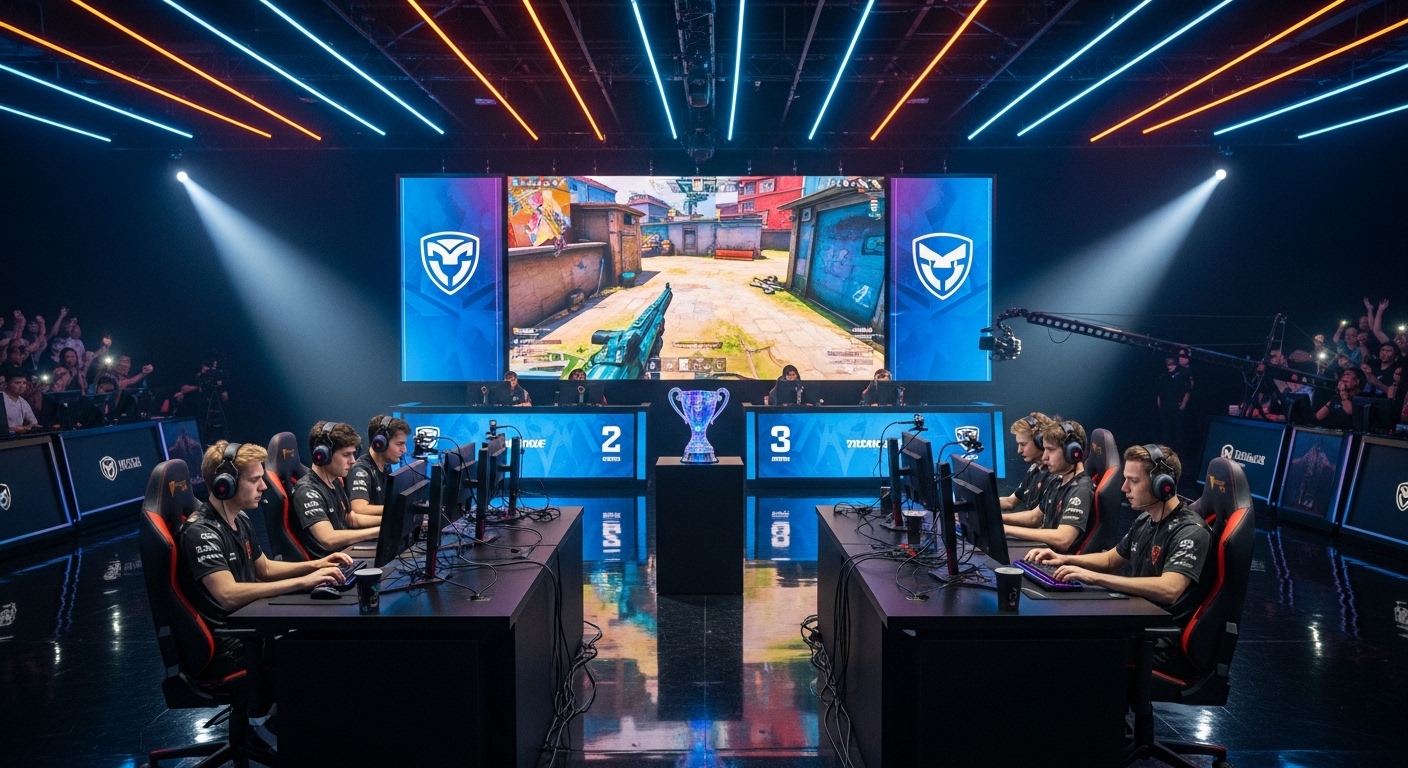
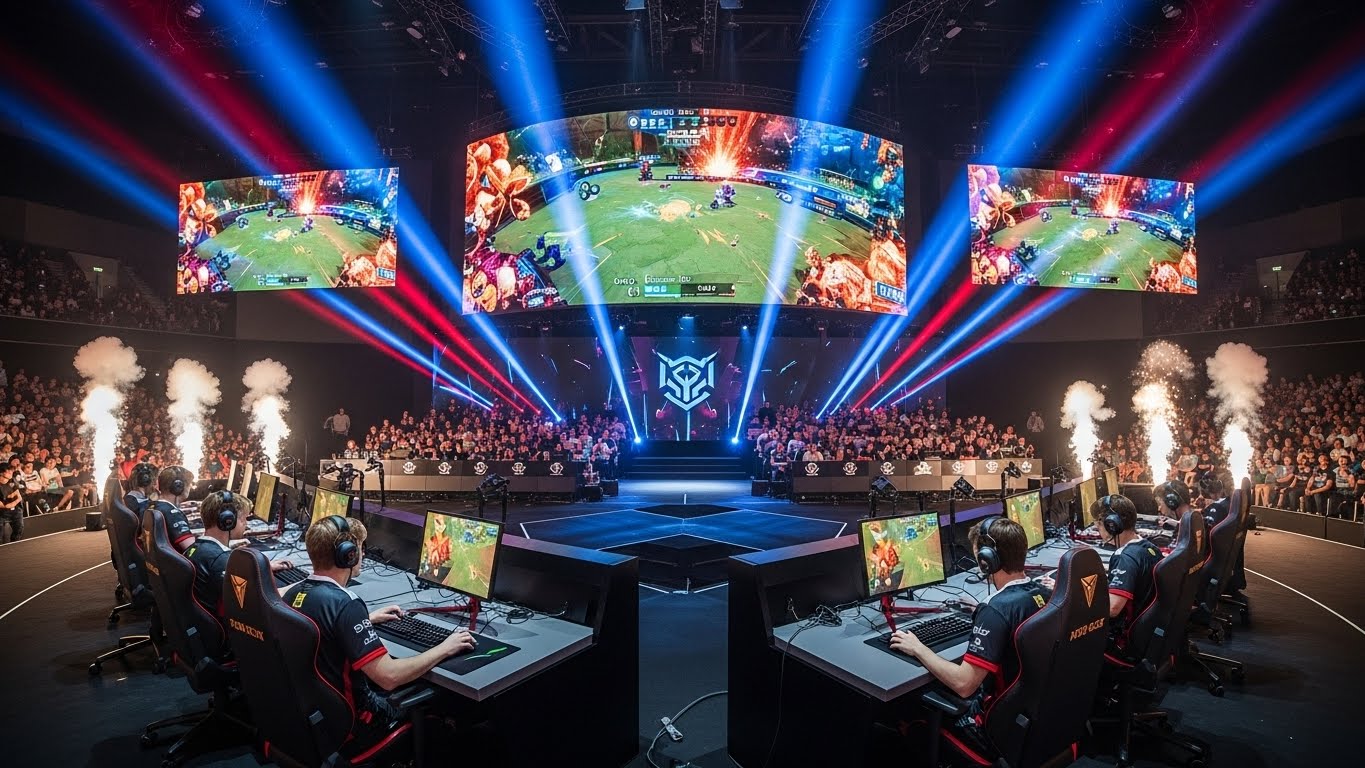
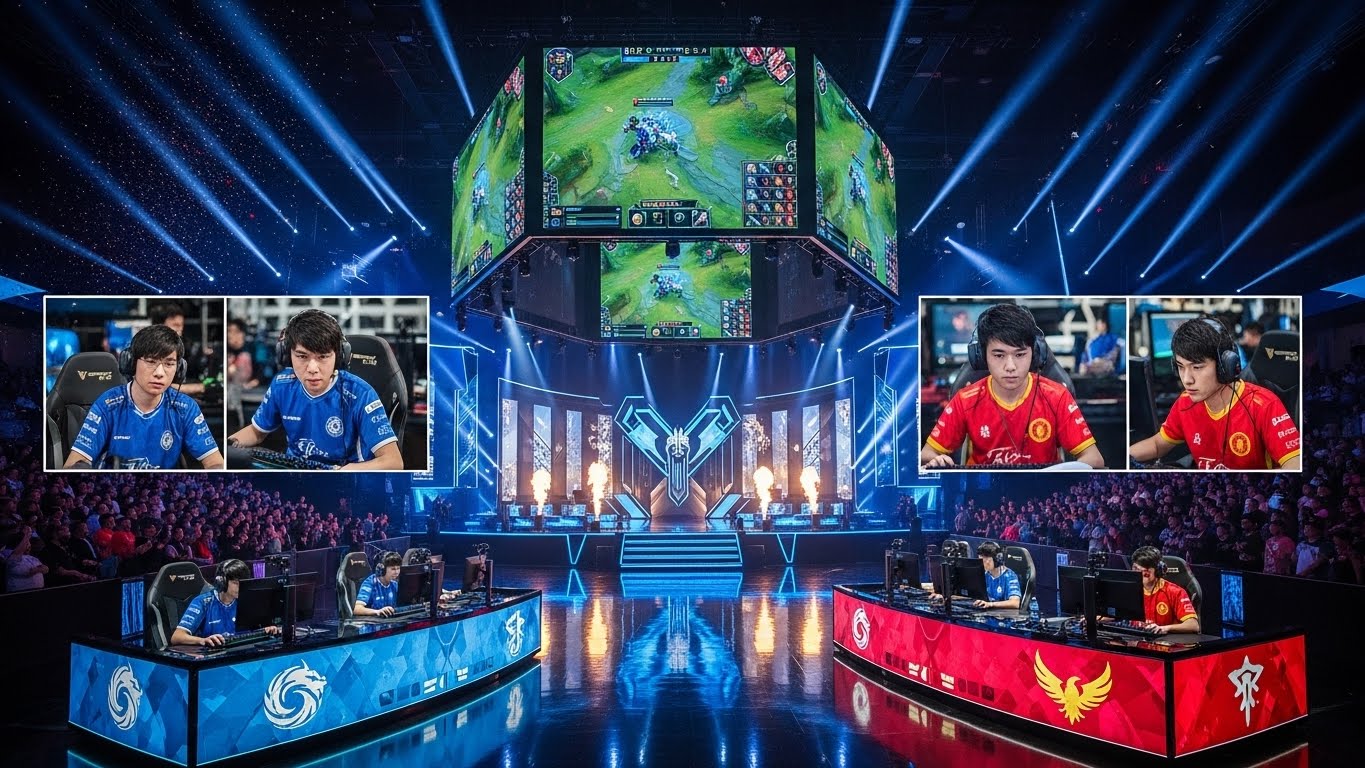
Esports tournaments are major spectacles, attracting thousands of live spectators and millions of online viewers. Events like The International, League of Legends World Championship, and CS:GO Majors offer substantial prize pools and global recognition.
Tournaments combine high-level gameplay with entertainment, featuring commentary, live analysis, and interactive fan engagement. Large-scale events create excitement similar to traditional sports, demonstrating that esports can capture widespread attention and cultural significance.
The Spectator Experience
Esports fans are deeply engaged, often forming communities around favorite teams, players, and games. Spectators watch live streams, participate in discussions, and analyze gameplay alongside professional commentators. The interactive nature of esports enhances fan experience, allowing audiences to feel connected to the action.
Live events in arenas bring fans together, creating energy and excitement comparable to major sports stadiums. Digital platforms expand accessibility, enabling millions of viewers to watch and interact from around the world. This combination of in-person and online engagement makes esports a unique form of entertainment.
Youth Engagement and Education
Esports has become increasingly popular among younger generations. Schools and universities offer esports programs, clubs, and competitions that teach teamwork, strategic thinking, and problem-solving. Some institutions provide scholarships for talented players, recognizing esports as a legitimate pathway for academic and professional development.
Engagement in esports promotes critical thinking, collaboration, and adaptability. Students learn to manage time, handle pressure, and communicate effectively—skills that extend beyond gaming into education and future careers.
Mental Health and Focus in Esports
Esports requires intense concentration, quick decision-making, and emotional control. Players must maintain mental focus while managing stress and high expectations. Burnout, fatigue, and anxiety are common challenges, making mental health support essential for sustainable performance.
Many teams provide psychologists, wellness programs, and structured routines to ensure players maintain balance. Mental training is as crucial as mechanical skill, demonstrating that esports demands holistic development for long-term success.
Women in Esports
Historically, esports has been male-dominated, but women are increasingly breaking barriers and gaining recognition. Female players compete at high levels, participate in tournaments, and serve as role models for aspiring gamers.
Efforts to promote inclusivity and equality, including dedicated women’s leagues, mentorship programs, and community initiatives, are reshaping the esports landscape. Greater representation ensures that esports remains diverse, accessible, and inspiring for all players.
The Business of Esports
Esports has evolved into a multi-billion-dollar industry. Revenue streams include advertising, sponsorships, media rights, merchandise, and event tickets. Brands see esports as a valuable marketing platform due to its highly engaged audience and global reach.
The industry provides career opportunities beyond playing, including content creation, broadcasting, coaching, event management, and software development. The economic growth of esports highlights its significance as a professional and commercial field.
Cultural Impact of Esports
Esports influences popular culture, fashion, entertainment, and social media. Professional players often achieve celebrity status, with followers who admire their skills and personalities. Collaborations between esports organizations and mainstream brands demonstrate its cultural relevance.
Additionally, esports fosters community and belonging. Players and fans from different countries, backgrounds, and identities come together around shared interests, promoting diversity, inclusion, and global connection.
The Future of Esports
The future of esports promises continued growth and innovation. Emerging technologies such as virtual reality, augmented reality, and artificial intelligence will create new gaming experiences and competitive formats.
Esports may further integrate with education, entertainment, and mainstream sports. Expansion into mobile gaming, adaptive competitions, and international leagues will broaden participation and accessibility. The industry’s evolution indicates a future where esports remains a leading form of global entertainment and competition.
Conclusion: Esports as a Modern Phenomenon
Esports has grown from humble beginnings into a global industry that combines skill, strategy, and entertainment. Professional players, organized teams, passionate fans, and technological advancements have turned competitive gaming into a serious and respected pursuit.
Esports is more than a digital pastime; it is a cultural, social, and economic phenomenon. It teaches discipline, teamwork, and strategic thinking while creating communities that connect people worldwide. As esports continues to innovate and expand, it will shape the future of entertainment and redefine the meaning of competition in the digital age.