




Introduction
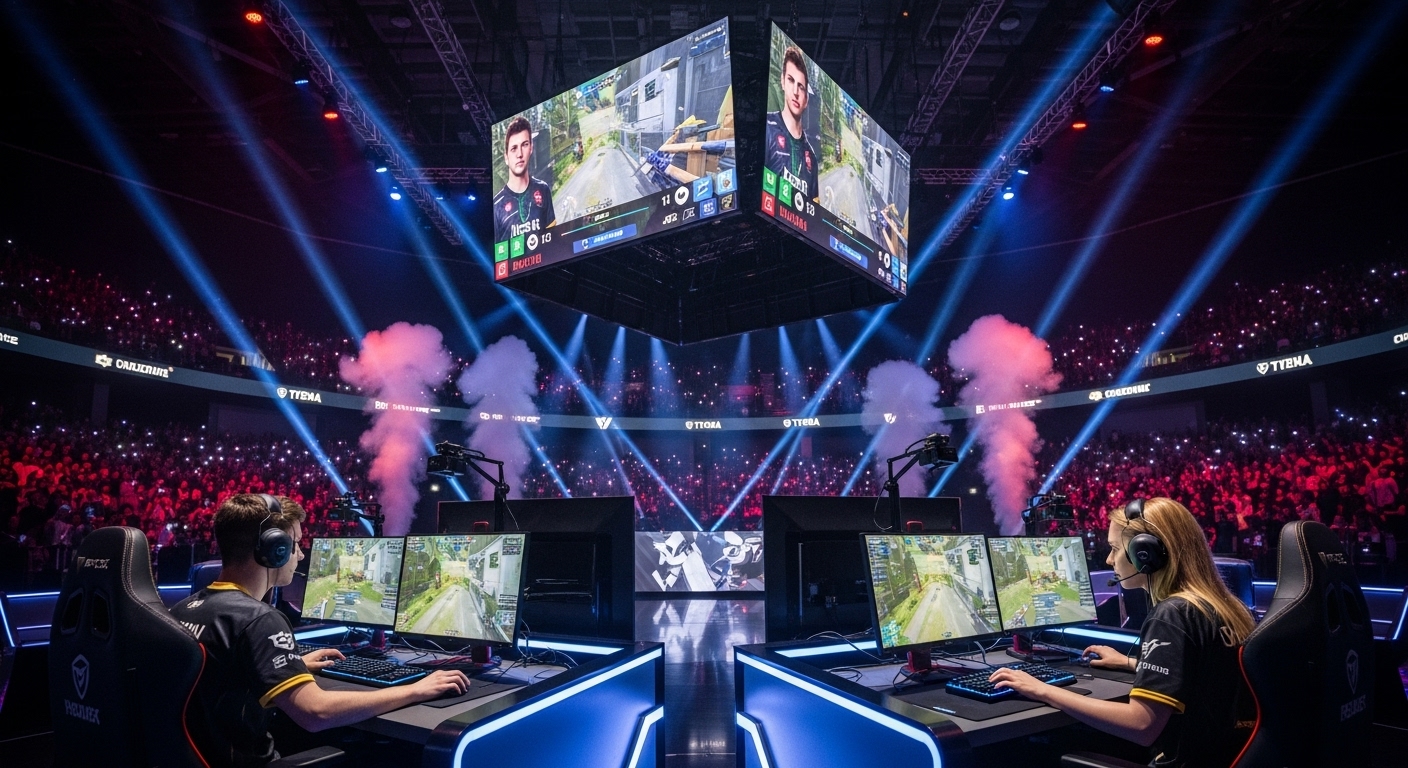
The world of competitive gaming, also known as esports, has undergone a remarkable transformation over the past two decades. What began as a niche hobby for passionate gamers has exploded into a global industry, captivating millions of fans and creating new opportunities for players, businesses, and communities alike. Esports is no longer just about playing video games—it has become a full-fledged entertainment sector, with professional leagues, international tournaments, sponsorships, and millions of dollars in prize money at stake.
As esports continues to grow in popularity, it is reshaping the landscape of traditional sports and entertainment. From college scholarships to global media coverage, esports is creating new pathways for young players and enthusiasts to make careers out of their passion. But its influence extends far beyond the gaming world, touching industries such as media, technology, and marketing. This blog post will explore the rise of esports, its economic impact, the culture surrounding it, and what the future holds for this dynamic industry.
The Origins and Growth of Esports
Though competitive gaming has existed in some form for decades, esports truly began to take shape in the late 1990s and early 2000s. The development of online multiplayer games and the increasing accessibility of the internet laid the groundwork for competitive gaming events. In 1997, one of the first major esports tournaments, the “Red Annihilation” tournament for the game Quake, attracted a significant audience, with the winner receiving a Ferrari. This event marked a turning point, demonstrating the potential for professional competition in video games.
The following years saw the rise of iconic titles like StarCraft, Warcraft III, Counter-Strike, and Dota 2, each contributing to the growing popularity of competitive gaming. South Korea became a hotbed for esports, with the StarCraft game being embraced by the culture and supported by government investment in esports infrastructure. Korean players became household names, and large-scale tournaments, such as the Korean Pro League, began to draw thousands of viewers.
By the mid-2000s, platforms like Twitch began to revolutionize how people engaged with esports. Twitch, launched in 2011, allowed gamers to stream their gameplay in real-time, building a community around their content. This shift from physical stadiums to online streams helped esports expand globally, allowing viewers from around the world to tune in and watch their favorite players and teams. Esports tournaments like The International (Dota 2) and the League of Legends World Championship now attract millions of viewers online, further fueling the growth of the industry.
Esports as a Global Phenomenon
Esports has truly become a global spectacle. While traditional sports have their roots in specific regions, esports transcends borders and cultural differences. Players from countries as diverse as South Korea, the United States, China, and Brazil compete in games with international followings. The world of esports is marked by its inclusivity, as anyone with an internet connection can join the action, whether they are playing, watching, or even participating in fantasy esports leagues.
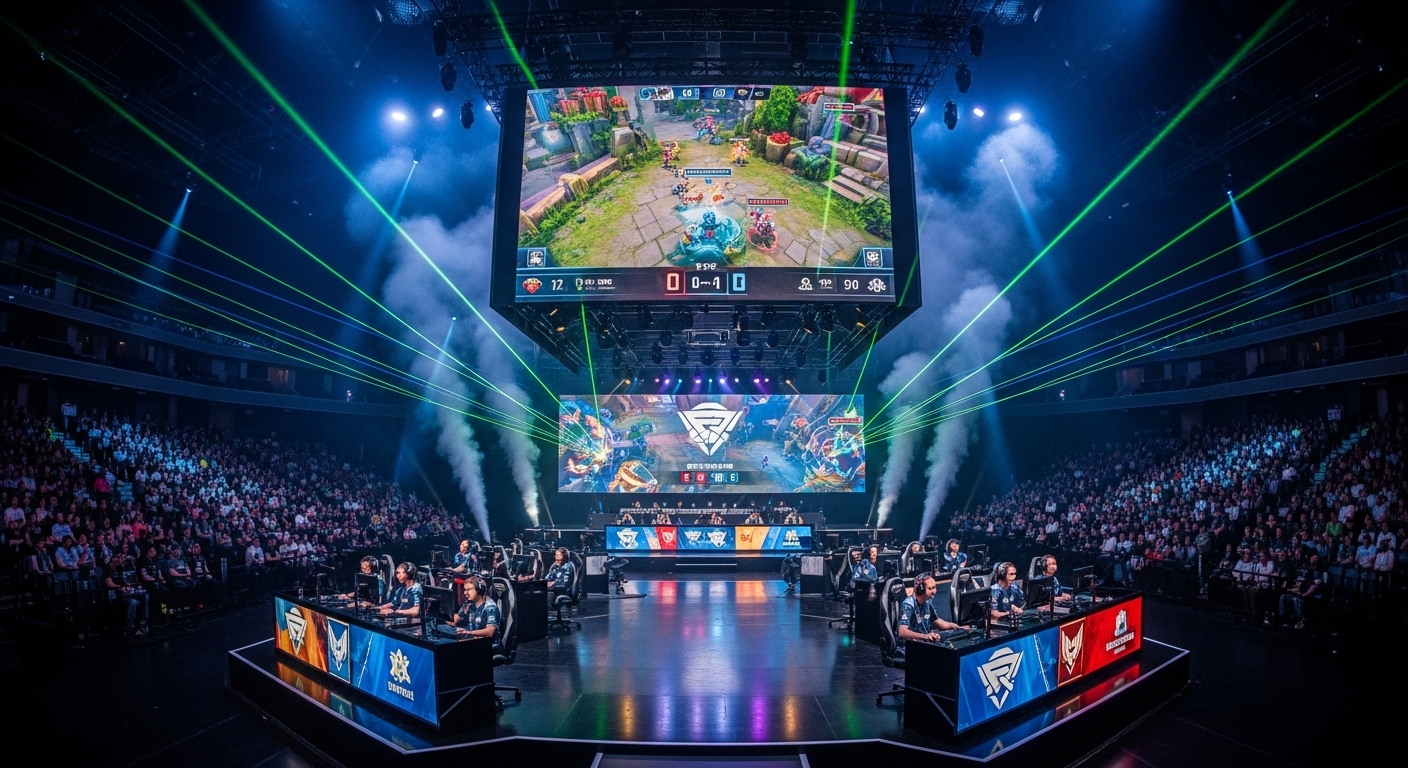
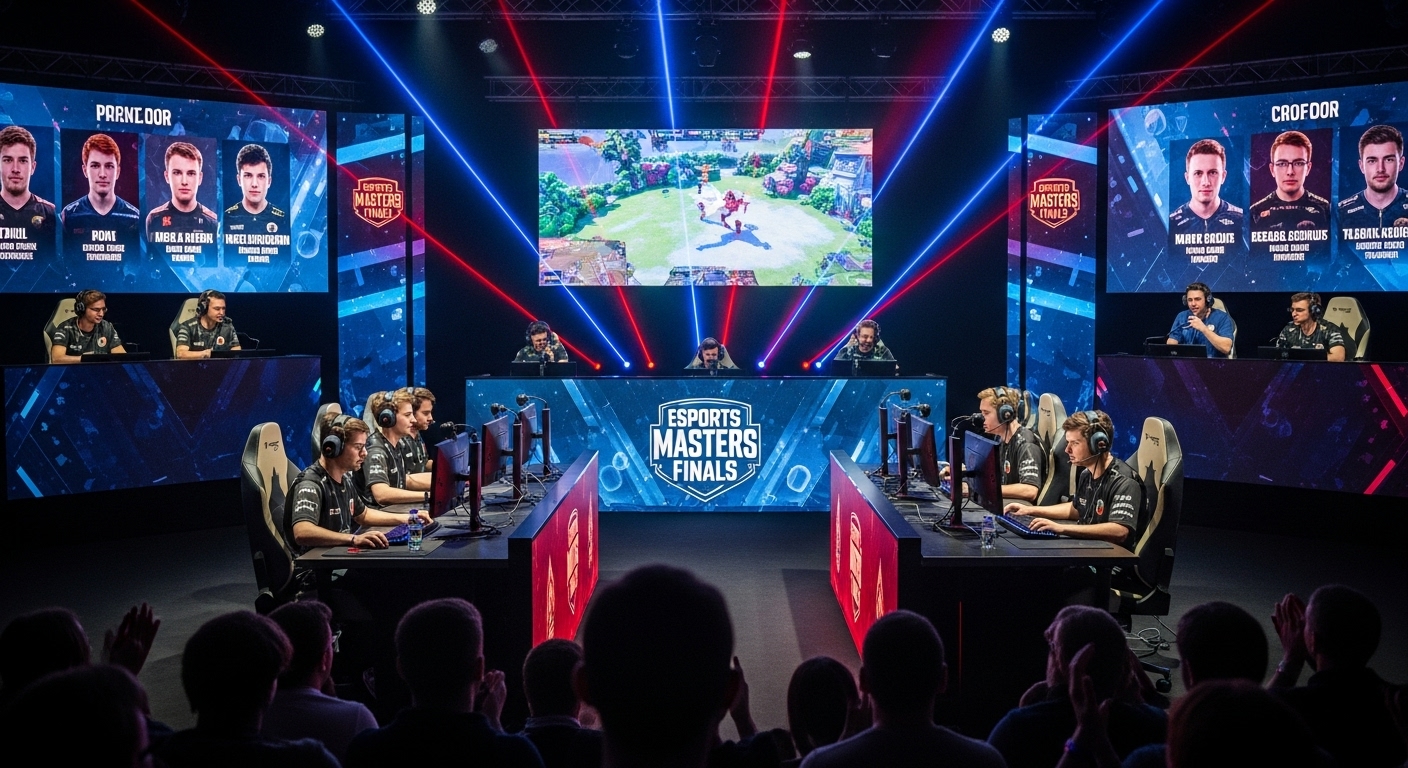
Major tournaments take place in cities around the world, and esports has firmly established its presence in every continent. For example, The International, the annual Dota 2 tournament, is one of the largest esports events globally, with prize pools often exceeding $30 million. Events like League of Legends Worlds, Overwatch League, and CS:GO Majors draw massive crowds to stadiums and arenas, while millions more watch online, often through streaming platforms like Twitch and YouTube.
Esports’ global appeal is further amplified by the fact that it doesn’t require the physical constraints associated with traditional sports. Players don’t need a specific set of physical attributes to succeed—what matters is skill, strategy, and teamwork. As a result, esports has opened doors for a more diverse set of athletes from all over the world to compete on a global stage, regardless of their physical abilities or background.
The Economics of Esports
Esports has grown into a multi-billion-dollar industry with impressive financial backing from sponsors, investors, and media networks. In 2020, the global esports industry generated over $1 billion in revenue, a figure expected to continue rising in the coming years. Much of this revenue comes from sponsorships, broadcasting rights, advertising, ticket sales, merchandise, and prize money. Major brands from diverse industries, including tech giants, car manufacturers, beverage companies, and even financial institutions, now sponsor esports teams and tournaments.
Esports events attract not only fans but also advertisers looking to tap into a younger, tech-savvy demographic. The esports audience is predominantly between the ages of 18 and 34, making it an attractive market for brands targeting this age group. Companies like Intel, Coca-Cola, and Nike have invested heavily in esports, with sponsorship deals reaching millions of dollars. The growing financial support from sponsors has allowed esports organizations and players to earn salaries and prize money comparable to traditional sports.
The prize pools for major tournaments also reflect the growing financial significance of esports. The International, for example, offers one of the largest prize pools in the history of competitive gaming, with the 2021 event boasting a prize pool of over $40 million. This influx of prize money has not only incentivized players to pursue esports professionally but has also legitimized esports as a career path for many young gamers.
Moreover, esports has helped to drive job creation in various sectors, including event management, content creation, digital marketing, broadcasting, and team management. The growth of esports organizations, tournament organizers, and streaming platforms has created a diverse job market for people with a wide range of skills. As esports continues to grow, we can expect more career opportunities to emerge in these fields, further contributing to the economic impact of the industry.
The Role of Streaming and Social Media in Esports
One of the key drivers of esports’ success is the rise of streaming platforms and social media. Twitch, YouTube Gaming, and Facebook Gaming have become the primary platforms for esports content. These platforms allow players to broadcast their gameplay live, interact with fans, and create a sense of community around the games they play. In fact, streaming has become so integral to the esports experience that many top-tier esports athletes are also popular streamers, with large followings that extend beyond tournament play.
Social media platforms like Twitter, Instagram, and TikTok also play an important role in promoting esports. Players, teams, and organizations use social media to connect with their fanbase, share updates, and promote upcoming tournaments. Social media has also given fans a platform to engage directly with their favorite players, creating a unique, interactive relationship between fans and athletes. In this way, esports has fostered a global community of like-minded individuals who share a passion for gaming and competition.
Streaming and social media also provide a way for fans to enjoy esports content beyond live tournaments. Professional players and teams often post highlights, interviews, and behind-the-scenes footage, allowing fans to stay connected to their favorite players even when tournaments aren’t taking place. This constant stream of content keeps fans engaged and invested in the esports scene year-round.
The Growing Impact of Esports on Youth and Education
Esports is increasingly being recognized as a legitimate extracurricular activity in schools and universities around the world. In the United States, many colleges offer esports scholarships, providing talented players with the opportunity to pursue higher education while continuing to compete. In fact, the National Association of Collegiate Esports (NACE) oversees competitive gaming leagues at over 170 universities, helping to integrate esports into the collegiate sports landscape.
Esports has also proven to be an excellent way to teach valuable skills such as teamwork, communication, strategy, and problem-solving. These skills are applicable not only in the gaming world but also in real-life scenarios, such as the workplace or in academic settings. Many schools and universities now recognize the potential of esports as an educational tool, with courses in esports management, game design, and digital marketing being offered at various levels of education.
Beyond the academic sphere, esports is helping to promote a more inclusive and diverse environment. As the community becomes more global and welcoming, esports has become a platform for individuals from various backgrounds to come together and share their love for gaming. Many initiatives are underway to encourage diversity and inclusivity, particularly in terms of gender, by providing equal opportunities for women in competitive gaming.
The Challenges Facing Esports
Despite its rapid growth and success, esports faces a number of challenges that need to be addressed for the industry to continue thriving. One major concern is the mental and physical well-being of esports athletes. Professional players often spend long hours in front of a screen, leading to issues like eye strain, carpal tunnel syndrome, and other repetitive stress injuries. Additionally, the pressure to perform in high-stakes tournaments can take a toll on players’ mental health, leading to stress, anxiety, and burnout.
Another challenge is the lack of uniform regulation in esports. While traditional sports have governing bodies and standardized rules, esports remains fragmented, with various games having different rules and league structures. This inconsistency can create confusion for players, teams, and fans alike. As esports grows, the need for clearer regulations and standardization will become even more pressing.
Esports is also facing challenges in terms of inclusivity and diversity. While the community has made strides in opening up opportunities for women and underrepresented groups, there is still work to be done to ensure that everyone has an equal opportunity to compete and succeed. Addressing issues like toxicity and discrimination in online gaming spaces is crucial for creating a welcoming environment for all players.
Conclusion
Esports has come a long way from its humble beginnings and is now one of the most significant forms of entertainment in the world. Its global appeal, economic impact, and cultural significance make it a force to be reckoned with in the entertainment industry. As technology continues to evolve, esports will undoubtedly continue to push the boundaries of competition, community, and entertainment.
From professional leagues to educational scholarships, esports has proven that it’s more than just a game—it’s a global cultural movement that is shaping the future of entertainment. As we look ahead, it’s clear that esports will continue to grow, creating new opportunities for players, fans, and businesses alike. The future of competitive gaming is bright, and it’s only just getting started.