




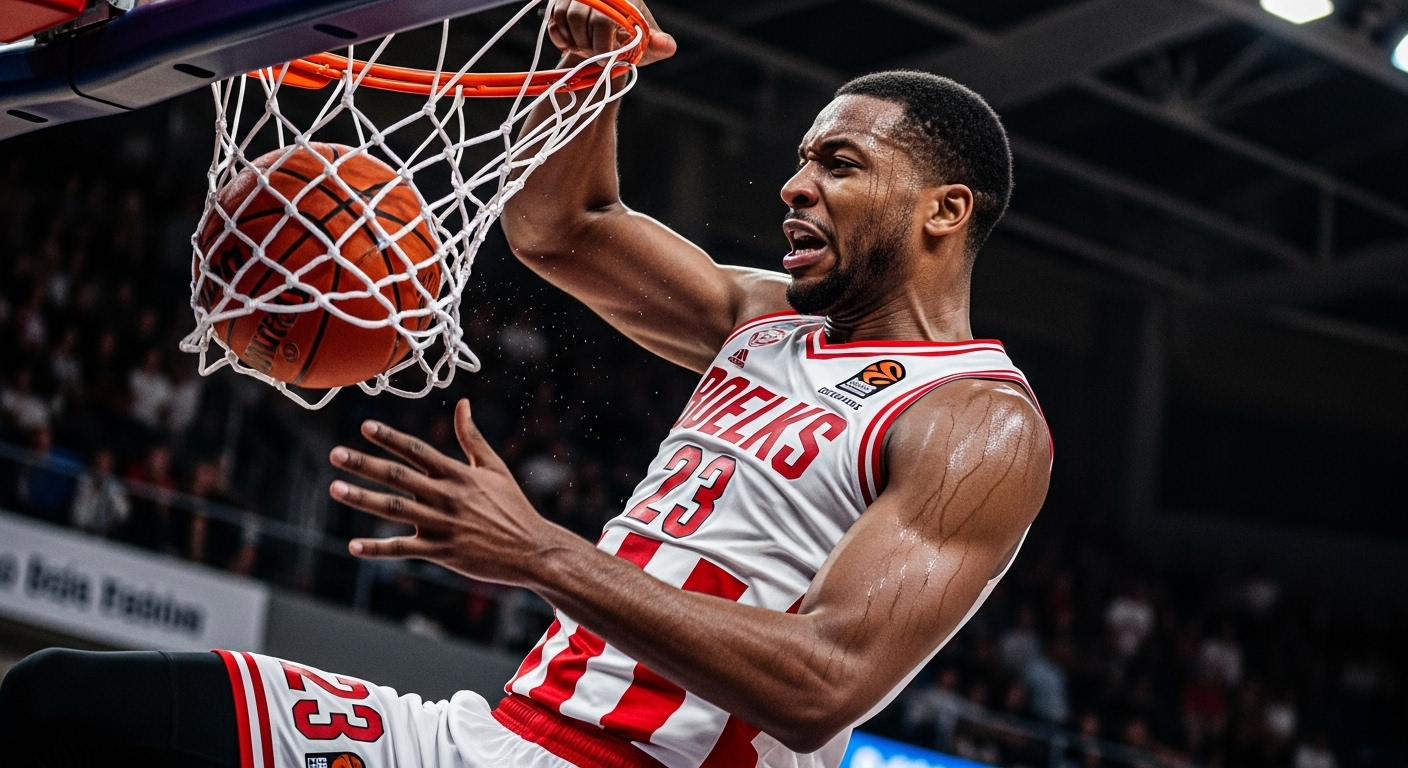
Esports has rapidly transformed from a niche hobby to a global powerhouse in the world of entertainment. What started as casual gaming tournaments has now evolved into a multi-billion-dollar industry, attracting millions of fans and creating career opportunities for players, coaches, and commentators alike. As gaming continues to become more mainstream, esports is gaining recognition as a legitimate sport, often drawing comparisons to traditional athletic competitions. This blog post delves into the rise of esports, its growing influence, and what makes it a unique and thriving segment in the entertainment industry.
1. The Evolution of Esports: From Basement Tournaments to Global Arenas
Esports has come a long way since its humble beginnings. In the early days, competitive gaming was largely confined to small, community-driven tournaments held in basements or local gaming cafes. Games like Street Fighter, Quake, and Warcraft sparked the initial interest in competitive play, but it was the advent of the internet and online multiplayer games that truly ignited the esports revolution.
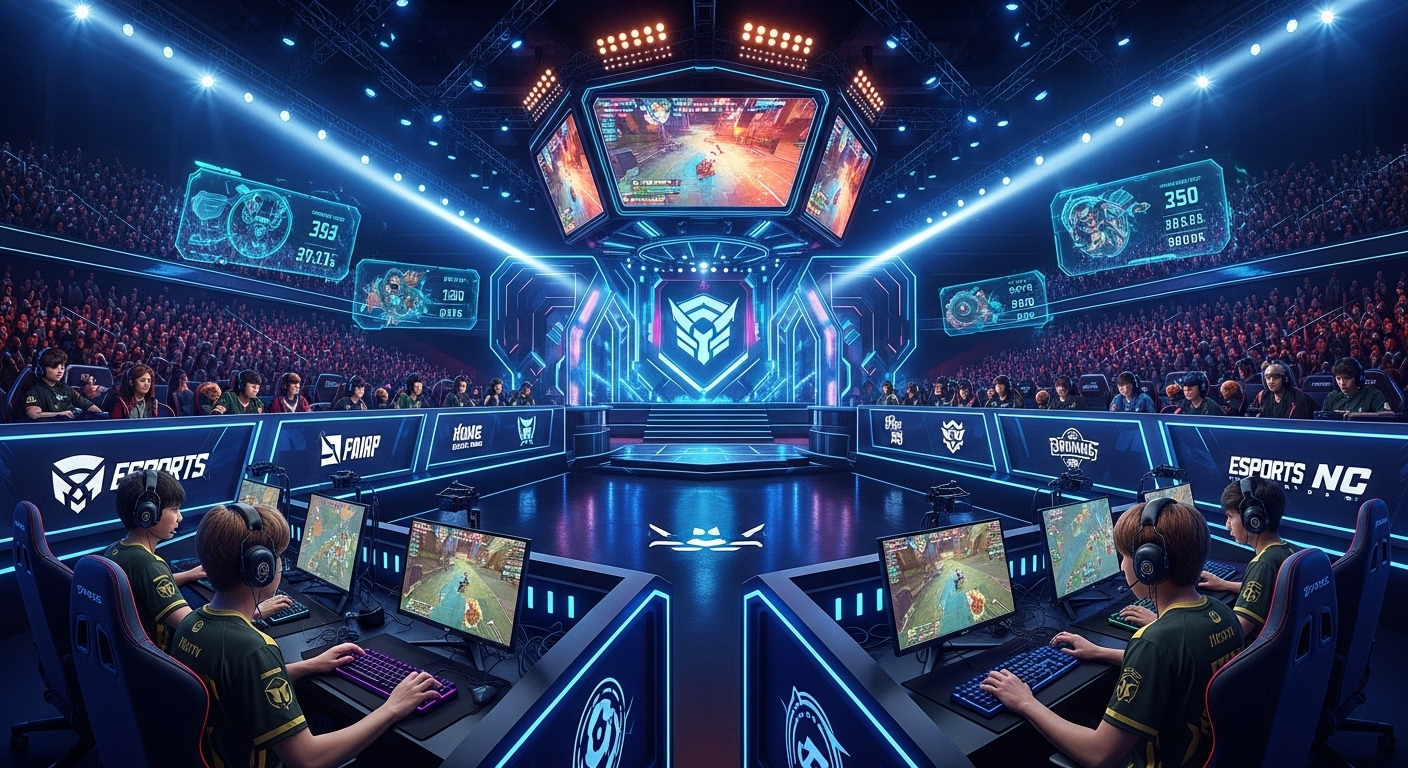
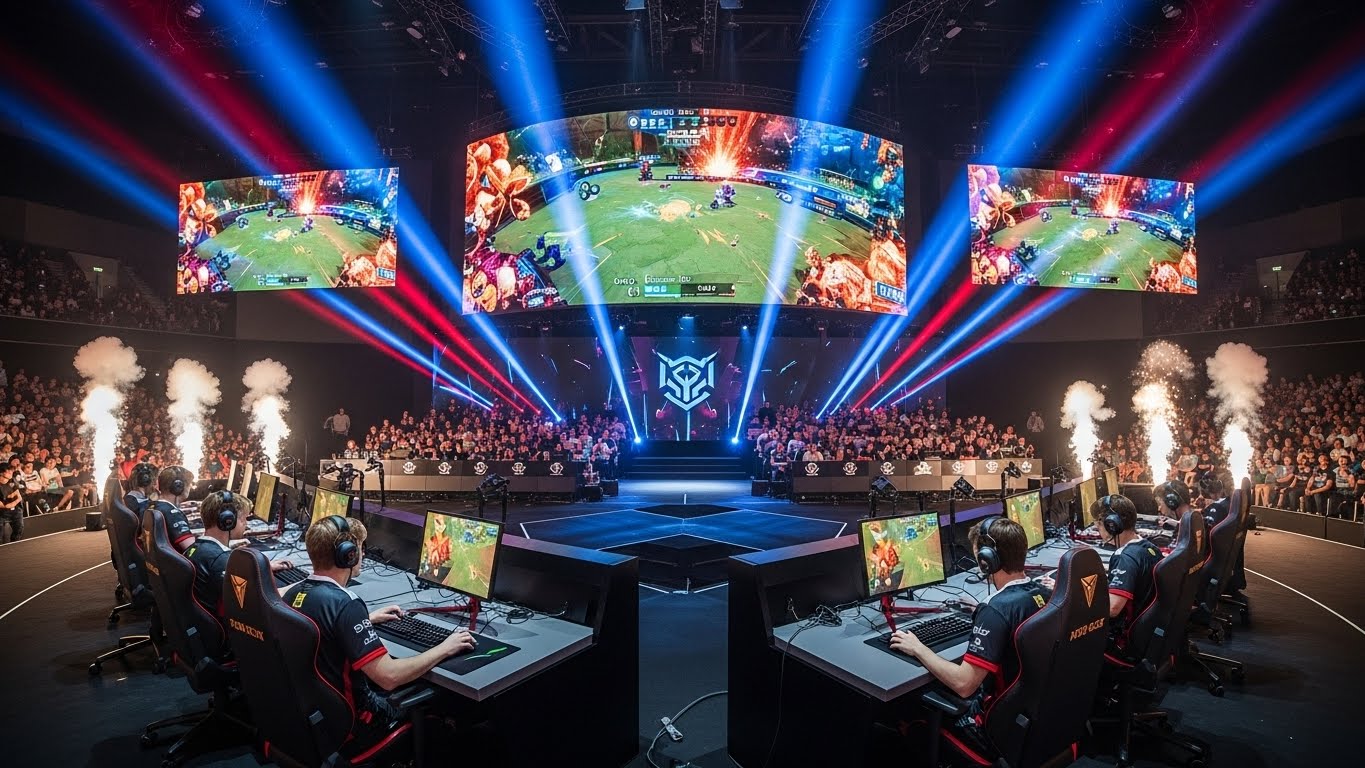
The real turning point came in the late 2000s and early 2010s when games like League of Legends, Counter-Strike, Dota 2, and Overwatch became mainstream. These games not only offered a rich competitive environment but also attracted a dedicated fan base that would follow tournaments and events online. Esports events began to grow in size, with major competitions being streamed on platforms like Twitch and YouTube. Eventually, live events in massive arenas such as the League of Legends World Championship or The International became commonplace, drawing tens of thousands of fans in person and millions more watching from home.
2. The Key Drivers Behind Esports’ Massive Popularity
Several factors have contributed to the meteoric rise of esports over the past decade. Here are a few that stand out:
1. Streaming Platforms: The growth of streaming services like Twitch, YouTube Gaming, and Facebook Gaming has played a pivotal role in the success of esports. These platforms allow fans to watch live competitions, engage with their favorite players, and even interact with the esports community. This accessibility has made esports a more interactive and engaging experience for fans worldwide.
2. Social Media and Community Engagement: Esports thrives on the interaction between players, teams, and fans. Social media platforms like Twitter, Instagram, and Discord allow fans to connect with their favorite esports personalities and stay up to date on tournaments, match results, and team news. This community-building aspect has helped esports build a loyal fan base that is deeply invested in the outcome of tournaments and the progression of players and teams.
3. Sponsorship and Investment: As the esports industry has matured, it has attracted significant investment from major brands, traditional sports organizations, and media outlets. Sponsorship deals with companies like Coca-Cola, Intel, and Adidas have provided esports teams with the financial backing needed to grow and compete at the highest level. These sponsorships have also helped legitimize esports in the eyes of the general public, further solidifying its place as a mainstream form of entertainment.
3. The Structure of Esports: Teams, Tournaments, and Leagues
Unlike casual gaming, esports is a highly organized and competitive industry, with well-established teams, leagues, and tournaments that attract the best players from around the globe.
Esports Teams and Players: Esports teams are the backbone of the competitive scene. These teams consist of highly skilled players who dedicate countless hours to practice, strategize, and compete. Teams are typically organized around specific games, with players specializing in roles suited to each game’s mechanics. For example, in League of Legends, teams may have players specializing in different lanes or roles such as mid-laner, jungler, or support. These players are often contracted by major esports organizations, who provide them with coaching, training facilities, and other resources to help them reach their full potential.
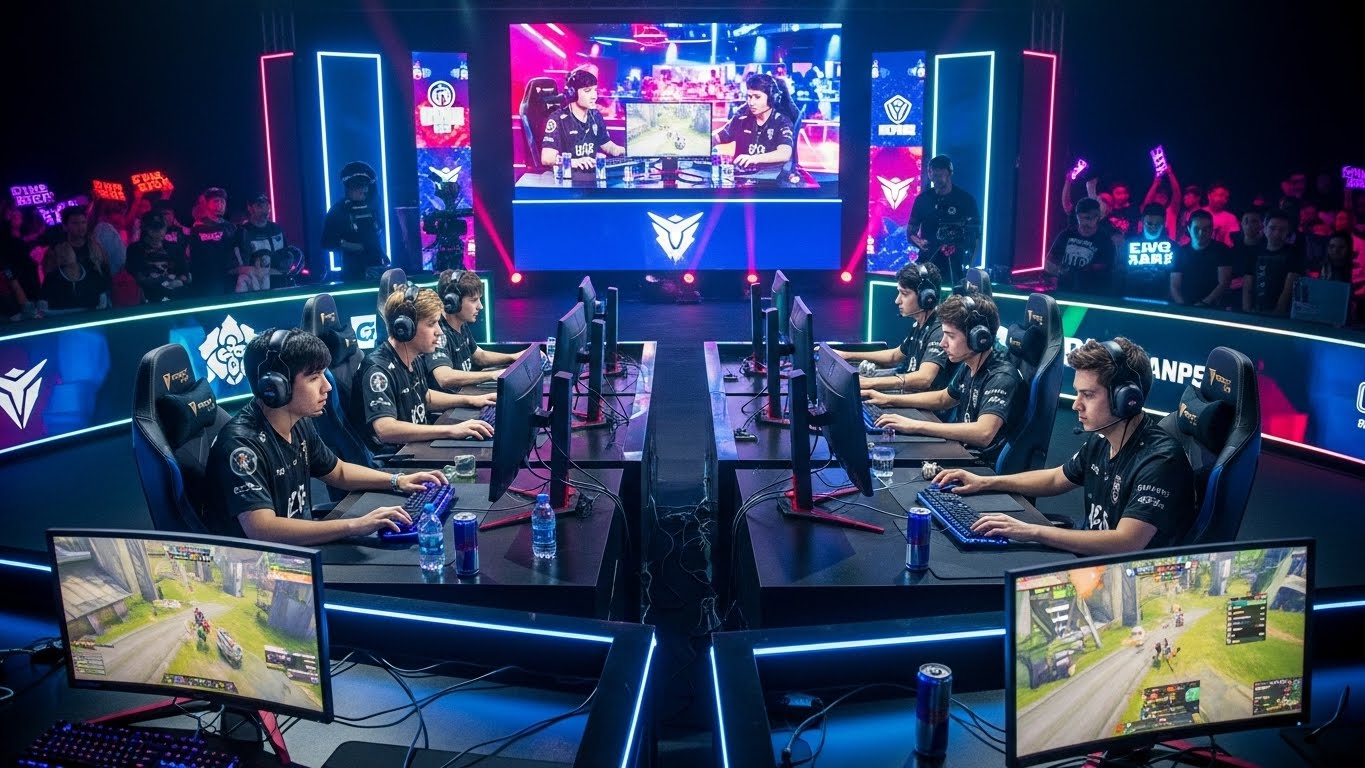
Major Tournaments and Events: One of the defining features of esports is its tournament structure. Events like The International (Dota 2), League of Legends World Championship, and Fortnite World Cup offer massive prize pools that can reach millions of dollars. These tournaments attract top-tier talent from all over the world, and the competition is fierce. The matches themselves are often high-energy, with teams battling for supremacy in front of live audiences and online viewers.
Esports Leagues: In addition to individual tournaments, there has been a shift towards more structured, league-based competitions. Leagues like the Overwatch League and the Call of Duty League mirror the formats of traditional sports leagues, where teams play in regular-season matches, culminating in playoff rounds and championships. These leagues help give structure to the competitive calendar and allow fans to follow their favorite teams through an entire season.
4. The Diverse Ecosystem of Esports Games
One of the things that makes esports so unique is the variety of games involved. Unlike traditional sports, which are limited to a specific set of activities, esports encompasses a wide range of genres, each with its own distinct fan base and competitive scene. Here are a few of the major game genres that dominate the esports landscape:
1. Multiplayer Online Battle Arenas (MOBAs): Games like Dota 2 and League of Legends are among the most popular in the esports world. These games feature strategic team-based gameplay, where players control individual characters (called “heroes” or “champions”) to fight for control of the map. The highly tactical nature of MOBAs, combined with their fast-paced action, makes them a favorite among esports fans.
2. First-Person Shooters (FPS): Titles like Counter-Strike: Global Offensive (CS:GO), Overwatch, and Call of Duty dominate the FPS esports scene. These games are fast-paced and require a high level of skill, precision, and teamwork. FPS games are often broadcast live and feature intense, high-stakes matches, with players competing to secure victories in various game modes.
3. Real-Time Strategy (RTS): While less prominent than MOBAs and FPS games, StarCraft II remains one of the most iconic competitive games in the RTS genre. These games require players to build and manage resources, command armies, and outmaneuver opponents through careful strategy and micromanagement.
4. Fighting Games: Fighting games like Street Fighter, Tekken, and Super Smash Bros. have their own dedicated esports scene. These games focus on one-on-one combat and require lightning-fast reflexes and deep knowledge of each character’s moveset. Fighting game tournaments attract large crowds, particularly at events like Evo, the world’s largest fighting game championship.
5. Battle Royale: The Battle Royale genre, with games like Fortnite and PUBG, has seen explosive growth in recent years. These games feature large-scale, free-for-all matches where players fight to be the last one standing. While often played casually, Battle Royale games have found a competitive edge, with tournaments offering large prizes and a dedicated esports scene.
5. The Business of Esports: Career Paths and Opportunities
Esports isn’t just a spectator sport; it also provides a wide range of career opportunities for those interested in the business side of gaming. Beyond professional players, many individuals make their living through esports by pursuing careers as coaches, analysts, streamers, shoutcasters (commentators), content creators, and event organizers.
1. Professional Players: These are the athletes of esports. They train for hours every day, hone their skills, and travel the world to compete in tournaments. Esports players can earn significant salaries, particularly if they are signed by top-tier teams or win major tournaments.
2. Coaches and Analysts: Much like traditional sports, esports teams employ coaches and analysts to help strategize and improve their gameplay. These professionals work closely with players to develop strategies, analyze opponents, and ensure that the team is performing at its best.
3. Content Creators and Streamers: Many esports personalities make their living through platforms like Twitch and YouTube. Streamers and content creators build their brand by live-streaming their gameplay, offering commentary, and interacting with their fans. These influencers play a vital role in promoting esports and gaming culture, often becoming stars in their own right.
4. Shoutcasters and Hosts: Just like commentators in traditional sports, shoutcasters provide play-by-play commentary and analysis during esports events. These individuals have become key figures in esports broadcasting, offering a compelling narrative and helping audiences stay engaged throughout matches.
6. The Future of Esports: What Lies Ahead?
The future of esports looks incredibly bright, with continued growth and innovation on the horizon. One of the biggest developments in the coming years will be the expansion of esports into mainstream media. Traditional sports networks, like ESPN and NBC, are beginning to air esports tournaments, and this mainstream exposure will only continue to grow as more people embrace gaming as a legitimate form of entertainment.
Additionally, as technology advances, we can expect to see even more immersive esports experiences. Virtual reality (VR) and augmented reality (AR) have the potential to revolutionize the way fans interact with the games and tournaments, creating more immersive viewing experiences and new forms of engagement.
Esports is also becoming more inclusive, with a growing emphasis on gender diversity and regional expansion. Organizations are working to make esports more accessible to a wider range of players, fans, and communities. This inclusivity will help ensure that esports remains a vibrant and diverse space for years to come.
Conclusion: The Rise of a Global Esports Empire
Esports has evolved from a niche interest into a global cultural and economic force. With its growing fan base, lucrative tournaments, and expansive career opportunities, esports is reshaping the way we think about competitive gaming and entertainment.