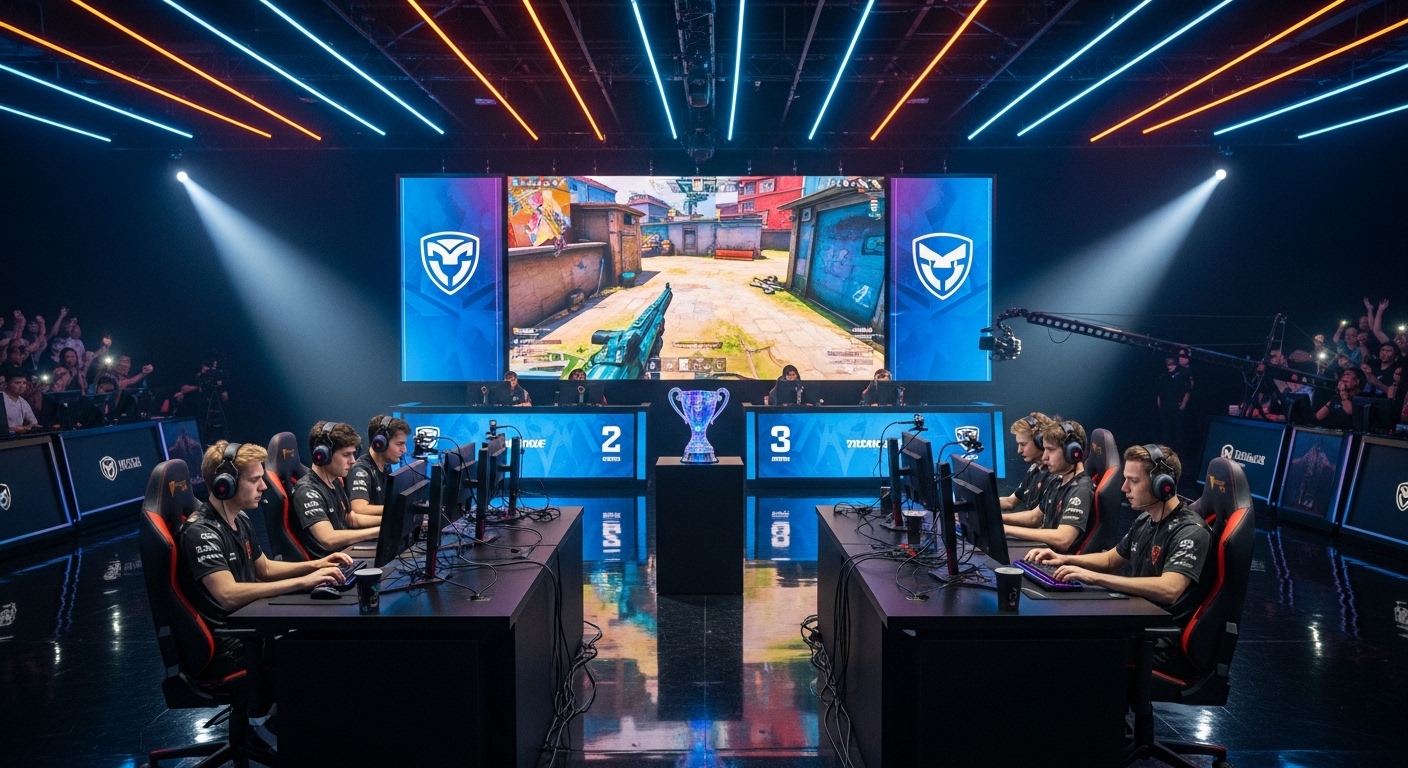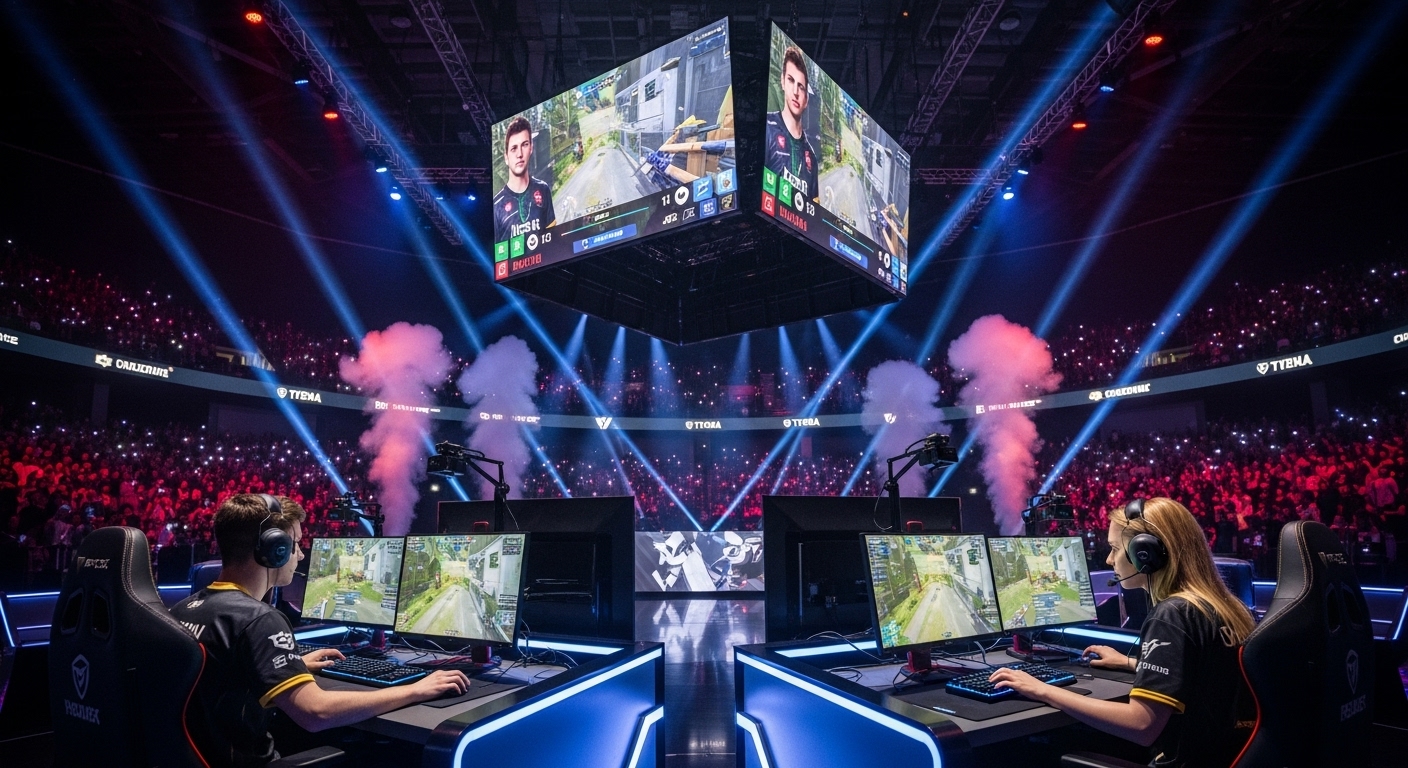






The world of esports has grown at an unprecedented rate over the past decade. Millions of players, fans, and investors are now actively participating in this digital sporting ecosystem. While many factors contribute to the success and popularity of esports, one element often overlooked is the role of game engines. Game engines serve as the foundation for every modern video game, powering graphics, physics, networking, and game logic. In competitive esports, the choice and performance of a game engine can significantly influence gameplay, player strategies, and even the overall esports landscape. This article delves deep into how game engines shape esports competition and why they matter more than many realize.
Understanding Game Engines
A game engine is a software framework designed to simplify the creation and development of video games. It provides developers with essential tools and systems to render graphics, simulate physics, manage audio, and handle user input. In essence, a game engine is the invisible backbone of any game, determining how the game looks, feels, and performs.
Popular game engines include Unreal Engine, Unity, Source Engine, Frostbite, and CryEngine, each with unique strengths and characteristics. Some engines excel in rendering lifelike visuals, while others prioritize performance optimization or ease of development. For esports, the specific attributes of a game engine can directly impact competitive play, influencing everything from player reaction times to spectator experience.
The Role of Game Engines in Competitive Gameplay
In esports, milliseconds can determine the outcome of a match. Game engines influence several critical aspects of competitive gameplay:
1. Performance and Frame Rate Stability
Frame rate is a crucial metric in competitive gaming. Higher frame rates allow players to see and react to events more quickly. A game engine that is optimized for performance ensures smooth gameplay even on lower-end hardware, minimizing input lag and visual stutters. This is particularly important in first-person shooters and real-time strategy games, where precision and timing are everything.
For instance, engines like Unreal Engine 4 and Source Engine are known for their performance optimization, enabling consistent frame rates across different hardware configurations. Developers who leverage these engines effectively can provide players with a stable competitive environment, ensuring skill and strategy take precedence over hardware limitations.
2. Network Latency and Online Play
Most esports competitions are conducted online or through a combination of online and LAN environments. Game engines play a pivotal role in network performance by handling data transmission between clients and servers. A poorly optimized engine may introduce lag, packet loss, or inconsistencies in hit detection, which can dramatically affect competitive fairness.
For example, in shooter games like Counter-Strike: Global Offensive, the Source Engine ensures that actions such as shooting and movement are synchronized accurately between players, creating a fair competitive environment. On the other hand, games with network inconsistencies often face community criticism and reduced esports credibility.
3. Physics and Game Mechanics
Physics simulation is another area where game engines influence esports. Realistic or predictable physics mechanics allow players to plan strategies, aim accurately, and interact with the game environment consistently. For instance, the trajectory of grenades, bullets, or projectiles in a shooter game depends heavily on the engine’s physics calculations.
In games like Rocket League, the Unreal Engine powers highly precise vehicle physics. Players rely on predictable physics behavior to execute complex aerial maneuvers and score goals. Any inconsistency in physics can disrupt competitive integrity, making engine reliability paramount.
4. Visual Clarity and Competitive Advantage
Game engines determine how a game renders objects, lighting, and visual effects. In esports, clarity is critical because players must identify opponents, objectives, and environmental hazards quickly. Engines that provide clean visuals without excessive effects give competitive players an edge, while engines with cluttered graphics or inconsistent rendering can create confusion.
Developers often optimize engines specifically for competitive play, reducing unnecessary graphical flourishes to prioritize performance and visual clarity. This approach is evident in games like Valorant, where Riot Games carefully balanced graphical fidelity and performance to support esports competition.
Influence on Game Design and Meta
The choice of a game engine can also influence the design and balance of a game, indirectly shaping esports competition. Some engines are better suited for certain genres or mechanics, affecting how developers implement features and how players approach strategies.
For example, Unity’s flexibility makes it ideal for mobile esports titles like Brawl Stars or Clash Royale. The engine supports rapid iteration and lightweight performance, enabling smooth mobile gameplay crucial for competitive balance. Conversely, engines like Frostbite have been used in large-scale AAA titles like FIFA and Battlefield, where detailed graphics and expansive environments are essential but may not translate well into fast-paced esports scenarios.
The game engine also impacts map design and physics interactions, which form the foundation of the game’s competitive meta. Players often develop strategies around the quirks and limitations of the engine, such as exploit paths, movement mechanics, or environmental interactions. In many esports, understanding the engine’s behavior is as important as understanding the game itself.
Spectator Experience and Broadcasting
Esports is not just about players; it is also about the audience. The game engine directly influences how matches are broadcast, replayed, and streamed. Engines that support dynamic camera systems, replay tools, and spectator modes enhance the viewing experience, making esports more accessible and engaging for fans.
For example, the Unreal Engine allows developers to implement cinematic camera angles and real-time replays, elevating the professional presentation of esports events. Similarly, Valve’s Source Engine offers extensive spectator features in games like Dota 2 and CS:GO, enabling commentators to provide insightful analysis and fans to enjoy immersive viewing experiences.
Engaging spectators is essential for esports revenue, sponsorships, and long-term growth. A game engine that supports high-quality broadcasting features can therefore indirectly influence the competitive ecosystem by attracting more viewers and investment.
Modding and Community Influence
Some game engines are highly moddable, allowing the community to create custom maps, game modes, and mods. This flexibility can influence esports by fostering innovation, expanding competitive modes, and prolonging a game’s lifespan.
For example, the Source Engine has a long history of community-driven mods that evolved into competitive titles, such as Dota originating from Warcraft III custom maps. Modding support allows esports communities to experiment with rules, maps, and mechanics, ultimately shaping official competition formats.
Engines that limit modding may restrict creativity but can also provide a more controlled competitive environment. Developers must balance these factors to ensure fairness while nurturing community engagement.
Technical Challenges and Competitive Integrity
While game engines provide the foundation for competitive gaming, they also present technical challenges. Bugs, exploits, and unintended engine behaviors can disrupt esports balance. A single frame rate drop, physics glitch, or hit registration error can decide a tournament match, emphasizing the importance of engine stability.
For professional esports leagues, developers often collaborate closely with engine engineers to optimize performance, patch bugs, and ensure consistent behavior across platforms. This collaboration ensures that competitive integrity is maintained, minimizing controversies and disputes during high-stakes tournaments.
Case Studies: Game Engines in Popular Esports Titles
To understand the impact of game engines on esports competition, it is helpful to examine a few popular titles:
Counter-Strike: Global Offensive – Source Engine
CS:GO has been a staple of competitive esports for over a decade. Powered by Valve’s Source Engine, CS:GO benefits from reliable physics, precise hit detection, and low-latency online play. The engine’s simplicity and stability allow players to focus purely on skill and strategy, making CS:GO one of the most enduring esports titles.
Fortnite – Unreal Engine
Epic Games’ Fortnite leverages the Unreal Engine, which provides stunning graphics, dynamic physics, and cross-platform support. The engine enables building mechanics, real-time destruction, and complex environmental interactions that form the backbone of Fortnite’s competitive meta. Its versatility supports both casual play and professional esports competition.
League of Legends – Proprietary Engine
League of Legends uses a custom engine optimized for performance and visual clarity. The engine allows Riot Games to maintain a consistent experience across various hardware configurations, ensuring competitive balance. Its optimization also supports massive esports tournaments with high viewership and low latency online play.
Rocket League – Unreal Engine
Rocket League combines physics-based gameplay with precise controls, powered by Unreal Engine. The engine’s physics simulation is central to competitive play, enabling predictable ball trajectories, vehicle movement, and aerial maneuvers. Any alteration in engine behavior could significantly disrupt the competitive scene, highlighting the engine’s influence on esports performance.
Future of Game Engines in Esports
The evolution of game engines will continue to shape esports competition. Emerging technologies such as real-time ray tracing, cloud gaming, AI-driven gameplay, and augmented reality will influence both player performance and spectator engagement. Future engines may offer even more optimized networking, physics simulations, and visual clarity, further elevating competitive esports standards.
Additionally, engines that integrate machine learning and analytics tools could provide real-time performance feedback, helping players refine strategies and coaches optimize team performance. As esports grows, the demand for engines that support large-scale tournaments, high-quality streaming, and fair competition will only increase.
Conclusion
Game engines are more than just technical frameworks; they are the invisible architects of competitive esports. From ensuring frame rate stability and precise physics to enabling fair online play and immersive spectator experiences, game engines influence every aspect of competitive gaming. The choice of engine affects gameplay, strategy, balance, and even the future development of esports titles.
For developers, understanding the implications of engine design is crucial to creating games that thrive in esports. For players and teams, recognizing how engines impact mechanics, latency, and visuals can provide a competitive edge. As the esports industry continues to grow, the influence of game engines will remain a cornerstone of competitive integrity, innovation, and spectator engagement.
The next time a tournament match comes down to a split-second decision or a perfectly timed maneuver, it is worth remembering that behind the skill and strategy lies a game engine meticulously crafted to power the competition. The subtle interplay between technology and human performance defines the essence of esports, and game engines are at the very heart of that evolution.