





The Digital Revolution That Gave Rise to Esports
The twenty-first century has seen the rapid digitalization of nearly every aspect of modern life. Entertainment, communication, work, and education have all undergone significant transformations. Among these revolutions, one of the most fascinating and unexpected has been the explosive growth of esports. What began as small gaming tournaments in arcades and college dorm rooms has evolved into a global phenomenon attracting millions of fans, billion-dollar investments, and the attention of traditional sports organizations.
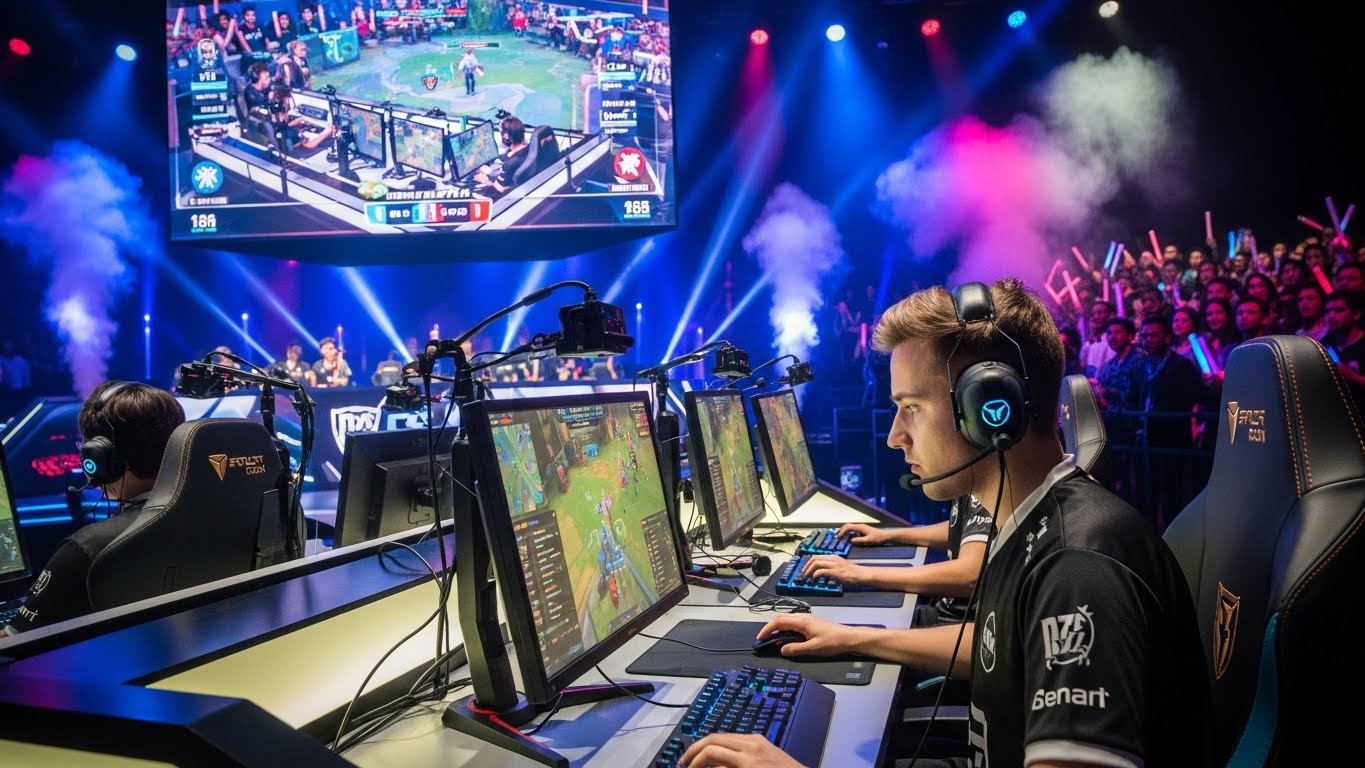
Esports, or electronic sports, refers to organized competitive gaming where individuals or teams face off in video games, often with large audiences watching both online and in-person. It blends the excitement of traditional sports with the immersive appeal of digital media. But this industry did not rise overnight. It is the result of decades of technological advancement, passionate communities, and strategic investments.
From Bedroom Battles to Stadium Arenas: A Brief History
The roots of esports can be traced back to the 1970s and 1980s, when early video game competitions emerged. In 1980, Atari hosted the Space Invaders Championship, which drew over 10,000 participants and was one of the earliest large-scale gaming competitions. These events were rare and mainly localized due to technological limitations.
The 1990s saw the emergence of the internet and LAN (local area network) parties, allowing for more consistent multiplayer competition. Titles such as Doom and Quake became staples of early esports culture. South Korea played a major role in legitimizing esports with televised StarCraft matches that attracted massive audiences. Professional players began to gain fame, and gaming organizations were formed to manage talent and teams.
The early 2000s brought further progress with the introduction of broadband internet and online matchmaking systems. This allowed players to compete across continents, and global tournaments became more feasible. Streaming platforms like Twitch and YouTube revolutionized viewership, enabling fans to watch live matches, learn strategies, and follow their favorite teams.
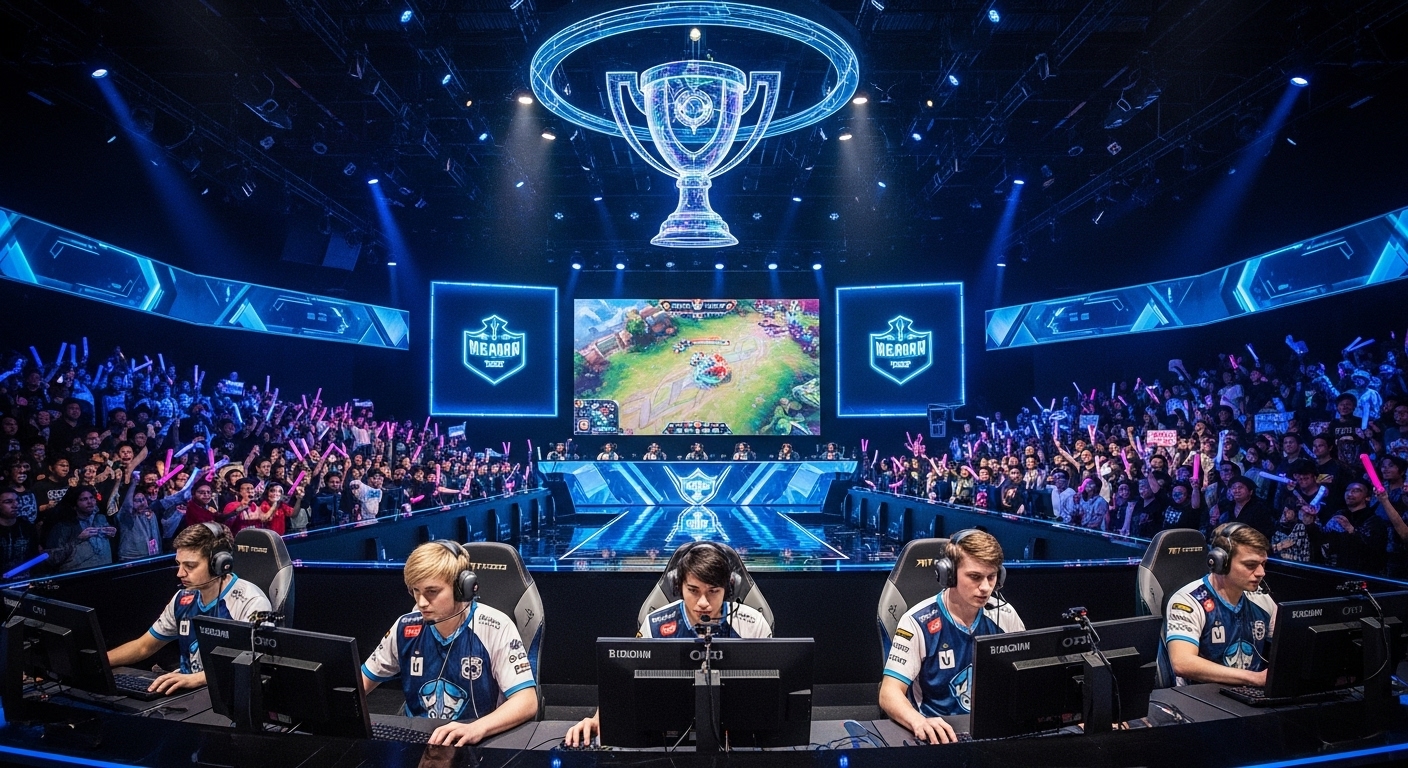
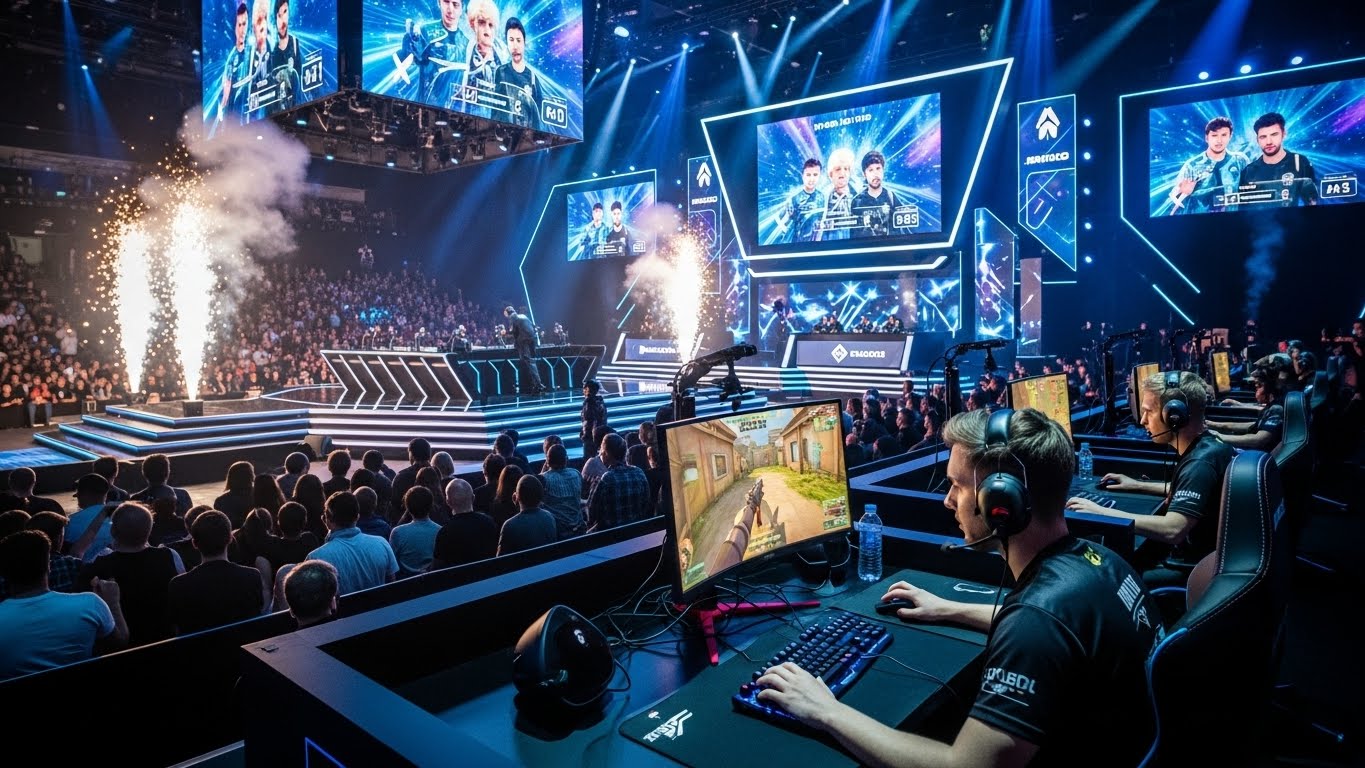
By the 2010s, esports had transitioned from a niche subculture to a mainstream form of entertainment. Games such as League of Legends, Dota 2, Counter-Strike: Global Offensive, and Fortnite drew millions of viewers and offered prize pools in the millions. Esports arenas were constructed, university scholarships were introduced, and corporate sponsorships poured in.
The Ecosystem Behind the Controller
Esports is more than just players and games. It is a complex ecosystem comprising multiple roles and stakeholders. Professional players represent only a small fraction of the community, but they are the focal point of the industry. Behind every player is a team of coaches, analysts, managers, and support staff who ensure that they perform at their best.
Tournament organizers are responsible for planning and executing events. These include local tournaments and massive global championships. These organizations must handle logistics, broadcasting, rule enforcement, and prize distribution. They also play a key role in maintaining the integrity and fairness of competitions.
Broadcast production teams ensure that matches are visually engaging and accessible to viewers. Commentators, also known as casters, provide play-by-play narration and expert analysis. Their personalities and insights add entertainment value and help viewers understand complex in-game mechanics.
Sponsors and advertisers are crucial financial backers. Brands ranging from technology companies to food and beverage giants invest in esports for marketing exposure to a young and tech-savvy demographic. In-game advertisements, jersey sponsorships, and branded events are common.
Fans and communities are arguably the most important element. They watch matches, buy merchandise, donate to streamers, attend live events, and participate in forums. The loyalty and passion of esports fans drive its continued growth and sustainability.
Genres That Dominate the Competitive Scene
The esports industry spans a variety of game genres, each with its own appeal, fan base, and competitive structure. Some of the most prominent genres include:
1. Multiplayer Online Battle Arena (MOBA):
Games like League of Legends and Dota 2 are classic examples of this genre. Players control individual characters, often called champions or heroes, in a team-based setting. The objective typically involves destroying the enemy’s base. Strategy, teamwork, and mechanical skill are essential.
2. First-Person Shooter (FPS):
Counter-Strike: Global Offensive, Valorant, and Call of Duty represent this genre. These games test reflexes, accuracy, and map awareness. They are often favored by viewers for their fast-paced action and dramatic plays.
3. Battle Royale:
Fortnite, Apex Legends, and PUBG popularized the battle royale format, where players compete to be the last one standing. These games combine survival mechanics, scavenging, and combat in large open maps, creating unpredictable and thrilling outcomes.
4. Real-Time Strategy (RTS):
Games like StarCraft II require players to manage resources, build armies, and outmaneuver opponents in real time. This genre rewards strategic planning and high-level decision-making.
5. Fighting Games:
Street Fighter, Tekken, and Super Smash Bros. are among the most famous in this category. One-on-one battles test timing, combos, and mental fortitude. These games often have vibrant offline communities and grassroots tournaments.
6. Sports Simulation:
FIFA, NBA 2K, and Rocket League (a hybrid of sports and racing) simulate traditional sports. These games attract fans who already have an interest in real-life sports and appreciate the similarities.
The Lives of Professional Players
Becoming a professional esports player is not simply a matter of talent. It requires dedication, discipline, and sacrifice. Many players begin training in their early teens, often balancing school and gaming. The most successful players practice for eight to twelve hours a day, studying opponents, perfecting mechanics, and refining strategies.
Physical and mental health are growing concerns. The intense schedules can lead to burnout, repetitive strain injuries, and psychological stress. Organizations have started to employ psychologists, nutritionists, and personal trainers to support player well-being.
The career of a pro player is often short-lived, with most peaking in their early twenties. The fast pace of game updates and emerging talent means that players must constantly evolve or risk becoming obsolete. Retirement usually leads to coaching, streaming, content creation, or completely new careers.
Financially, top players can earn substantial incomes through salaries, prize winnings, and sponsorships. However, the vast majority earn modestly, and income is inconsistent. As such, financial literacy and career planning are increasingly emphasized in the community.
The Business of Esports
Esports is no longer a passion project. It is a multi-billion-dollar industry with various revenue streams. These include media rights, sponsorships, advertising, merchandise, ticket sales, and digital goods.
Media rights involve exclusive broadcasting deals. Major streaming platforms compete for the rights to air high-profile tournaments. This competition drives up the value of these rights and provides significant income to tournament organizers and game publishers.
Sponsorship deals are perhaps the largest source of revenue. Companies align with esports teams or events to reach audiences that are typically difficult to engage through traditional media. Energy drinks, hardware manufacturers, apparel brands, and even financial services have entered the scene.
Merchandise includes team jerseys, branded peripherals, collectibles, and apparel. Limited edition items tied to specific events or players often sell out quickly, demonstrating strong brand loyalty among fans.
Game publishers play a central role. Unlike traditional sports, where no single entity owns the game, esports depends on intellectual property controlled by developers. Publishers determine competitive rules, organize events, and sometimes fund prize pools. This creates a unique dynamic where the game creator has considerable control over the competitive scene.
Esports in Education and Academia
Esports has made its way into the educational system. Schools and universities across the globe now offer esports programs, scholarships, and competitive teams. These institutions recognize the value of esports in teaching teamwork, communication, problem-solving, and time management.
University-level esports is particularly prominent in countries like the United States, South Korea, and China. Some institutions have dedicated esports arenas and offer degrees in fields related to game design, broadcasting, marketing, and management.
High schools are also forming esports clubs, promoting inclusion and digital literacy. For many students who may not be interested in traditional sports, esports provides a sense of belonging and achievement.
Social Impact and Inclusion
Esports has the potential to be an inclusive space that transcends physical limitations, geography, and socioeconomic background. Unlike many traditional sports, physical attributes such as height, strength, or age are less important. This opens opportunities for a more diverse range of participants.
However, issues of toxicity, harassment, and gender inequality remain challenges. Women and marginalized communities often face barriers to entry and lack representation at the highest levels. Industry leaders and advocacy groups are working to create safer, more welcoming environments through codes of conduct, education, and visibility campaigns.
Efforts to make esports more accessible are also underway. Organizations are designing hardware for gamers with disabilities, implementing voice-to-text features, and creating tournaments specifically for differently-abled players.
Challenges Facing the Industry
Despite its success, esports faces several critical challenges. These include:
1. Sustainability:
Not all esports titles can maintain long-term competitive scenes. Games often rely on the continued interest of players and viewers. As trends shift, some titles fade in popularity, leading to uncertainty for teams and sponsors.
2. Regulation:
With no universal governing body, issues such as match-fixing, cheating, and contractual disputes can arise. Standardized rules and ethical frameworks are needed to maintain integrity and trust.
3. Player Welfare:
The mental and physical demands of the profession require more institutional support. Burnout, addiction, and overtraining are real risks that must be addressed holistically.
4. Financial Viability:
While the industry as a whole is profitable, individual teams and players may struggle to earn consistent income. Over-reliance on sponsorships and fluctuating viewership can impact stability.
5. Public Perception:
Although esports has gained mainstream recognition, skepticism remains among certain audiences. Critics question its legitimacy as a sport or worry about the impact of screen time and gaming addiction. Continued education and outreach are essential.
The Future of Esports
The future of esports is incredibly bright, filled with opportunities and innovations. Technologies such as virtual reality (VR), augmented reality (AR), and artificial intelligence (AI) promise to reshape the landscape. VR esports could provide more immersive experiences, while AI-driven analysis tools could enhance training and broadcasting.
Global expansion is inevitable. As internet infrastructure improves in developing countries, new markets and talents will emerge. This will lead to even greater cultural diversity within esports and more varied game preferences.
Cross-industry collaboration will also grow. Esports will increasingly intersect with music, fashion, film, and traditional sports. We already see musicians performing at esports events and brands launching gaming-themed clothing lines.
Government support is on the rise as well. Some countries recognize esports as an official sport, offering visas to players and investing in facilities. This legitimization opens the door for international competitions akin to the Olympics.
Conclusion
Esports is more than a digital pastime. It is a dynamic and transformative industry that reflects the power of technology, community, and human ambition. From humble beginnings to global arenas, it has captured the hearts of millions and reshaped the definition of competition.
As the world continues to embrace digital life, esports stands at the forefront of a new era in entertainment. Whether you are a player, fan, educator, or investor, there is a place for you in this ever-evolving digital arena. The game is on, and the future has never looked more exciting.