



Esports has grown from a niche community of passionate gamers into a billion-dollar global industry. The rise of competitive gaming has brought not only sponsorships, tournaments, and streaming fame but also a thriving market for esports merchandise. From jerseys and gaming peripherals to exclusive collectibles and digital assets, esports merchandising has become a central pillar of the industry’s business model. Understanding how this sector operates provides deep insight into how esports teams and organizations are shaping their brands, connecting with fans, and generating substantial revenue.
The Rise of Esports and Its Economic Power
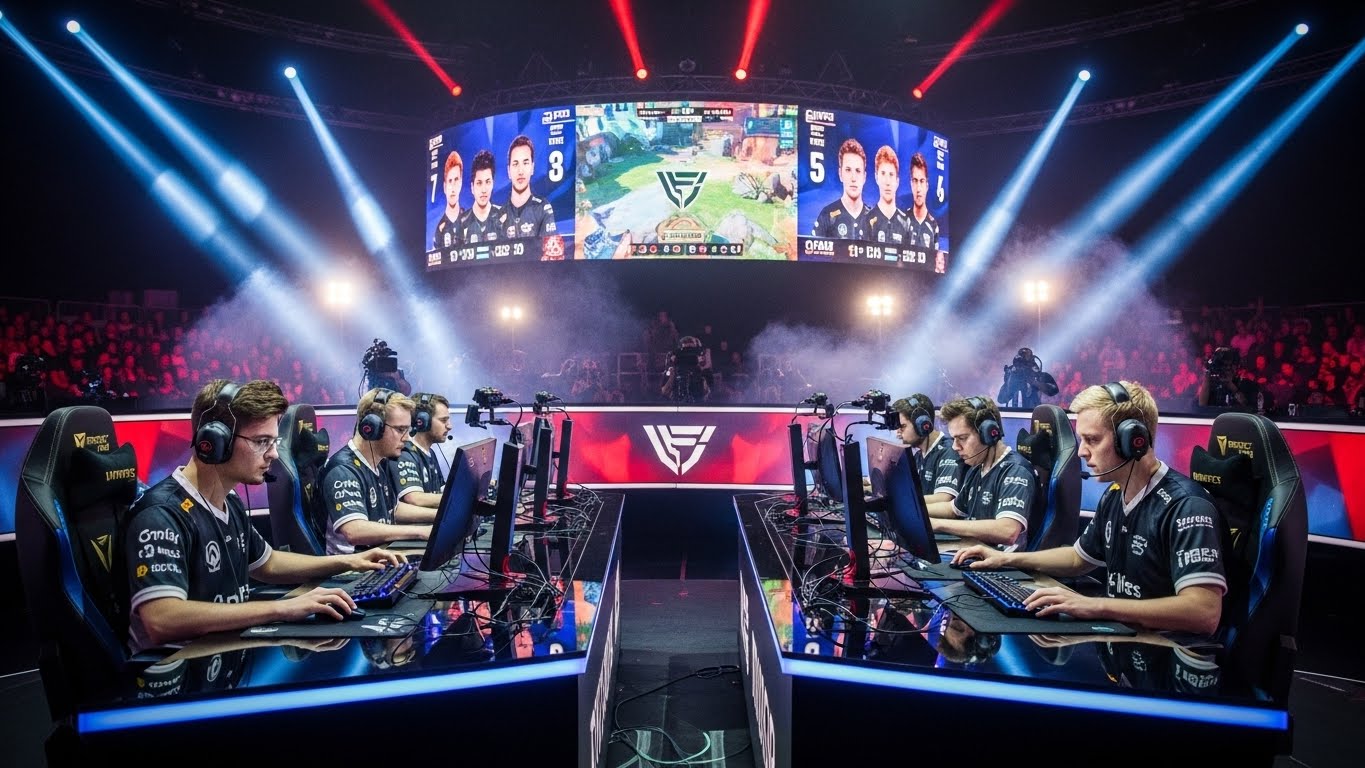
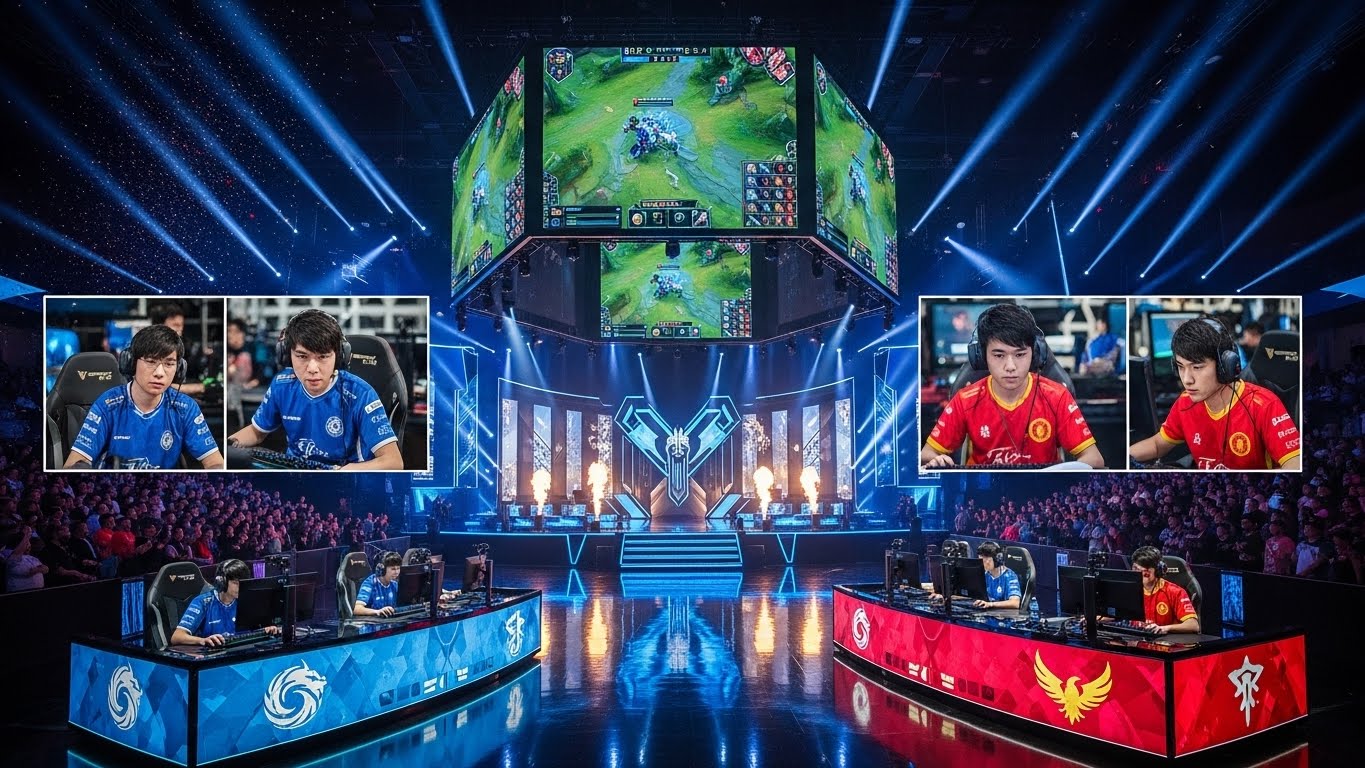
The esports boom over the past decade has been nothing short of phenomenal. What began as small-scale LAN competitions has transformed into a massive entertainment ecosystem rivaling traditional sports. Today, esports events fill stadiums, attract millions of viewers online, and involve multimillion-dollar sponsorships. But as with all entertainment industries, one of the most lucrative aspects of esports is not just the competition itself—it is the merchandise that surrounds it.
Merchandising became a natural extension of esports’ rapid growth. Just as fans of traditional sports proudly wear the jerseys of their favorite teams, esports fans began seeking ways to show their support. This led to the development of branded clothing, accessories, and even gaming gear representing esports teams, events, and influencers. Over time, this demand gave rise to an entire business sector dedicated to esports merchandising.
What Is Esports Merchandising?
Esports merchandising refers to the creation and sale of products associated with esports teams, tournaments, or gaming brands. This can include physical goods such as apparel, gaming peripherals, and accessories, as well as digital merchandise like virtual skins, NFTs, and exclusive in-game items.
The goal of merchandising is twofold. First, it provides a revenue stream for teams, organizations, and event organizers. Second, it serves as a powerful tool for branding and fan engagement. Fans who buy merchandise are not only supporting their favorite teams but also becoming walking advertisements for them, helping spread brand recognition and loyalty across the community.
The Evolution of Esports Merchandise
In the early days of esports, merchandise was limited and often low quality. Teams might sell simple T-shirts or hoodies with their logos, usually through small online stores. As esports became mainstream, however, the approach to merchandise evolved dramatically.
Today, top esports organizations such as FaZe Clan, Team Liquid, and Cloud9 treat merchandising as a core business strategy. They collaborate with world-renowned designers, fashion brands, and equipment manufacturers to create premium collections that blend gaming culture with streetwear fashion. This shift reflects a broader trend of gaming becoming a lifestyle, not just a hobby.
Modern esports merchandise now includes a wide variety of products:
- Apparel: Jerseys, hoodies, jackets, hats, and streetwear collaborations.
- Accessories: Backpacks, keychains, posters, and wristbands.
- Gaming Equipment: Mousepads, keyboards, headsets, and chairs featuring team branding.
- Digital Merchandise: In-game skins, emotes, badges, and NFTs representing esports identities.
This diversification has allowed esports merchandising to reach audiences far beyond dedicated gamers. Fans, collectors, and even fashion enthusiasts have joined the community of esports merchandise consumers.
The Role of Branding in Esports Merchandising
Branding is the heart of esports merchandising. A successful merchandise strategy depends heavily on how strong and recognizable a team or player’s brand is. Fans are more likely to purchase products that represent something meaningful—whether that’s loyalty to a team, admiration for a player, or identification with a gaming lifestyle.
Esports brands have learned to cultivate unique identities. For instance, some teams project a streetwear aesthetic, others focus on high-tech futuristic designs, and some lean into nostalgic gaming culture. These branding strategies make the merchandise not just sportswear but a statement of identity.
Collaborations with mainstream fashion and tech brands have also amplified the reach of esports merchandise. Partnerships with companies in fashion and design have blurred the lines between esports and lifestyle branding. This evolution has turned team merchandise into fashion icons rather than simple souvenirs.
How Merchandise Drives Revenue in Esports
Merchandising is one of the key revenue streams in esports alongside sponsorships, media rights, and tournament winnings. For many organizations, merchandise sales contribute significantly to their total income.
Teams often sell products directly through online stores, pop-up shops at tournaments, or limited edition drops. The limited supply approach has proven highly effective, as scarcity drives excitement and demand among fans. Some teams release seasonal collections or exclusive collaborations that sell out within hours.
Beyond direct sales, merchandising also supports other revenue streams indirectly. The visibility of team logos on apparel boosts sponsorship value, and branded gear strengthens partnerships with gaming hardware companies. Additionally, exclusive in-game merchandise such as skins or badges can generate massive revenue through microtransactions and event tie-ins.
Esports Merchandise as a Lifestyle Brand
One of the most significant developments in the business of esports merchandising is its transformation into a lifestyle brand. Teams are no longer just competitive gaming organizations—they have become fashion icons and cultural influencers.
For example, organizations have started producing streetwear lines that appeal even to people outside the gaming world. Their apparel often features modern design, high-quality materials, and unique collaborations with fashion houses or musicians. This approach has allowed esports merchandise to enter the mainstream fashion market and compete with established streetwear brands.
This lifestyle branding also fosters stronger fan loyalty. Fans see esports brands as part of their identity, something they can wear and represent proudly even outside of gaming spaces. The integration of gaming culture with everyday fashion has elevated esports merchandise into a form of cultural expression.
The Power of Collaboration and Limited Edition Drops
Collaborations are one of the strongest tools in the esports merchandising business. Teams frequently partner with popular brands, designers, or other entertainment franchises to produce exclusive products. These collaborations create buzz, attract media attention, and strengthen the brand’s credibility.
Limited edition drops have become a common marketing strategy inspired by streetwear culture. By releasing merchandise in limited quantities or for a short time, teams create urgency and exclusivity. Fans are motivated to act quickly, and this scarcity drives up perceived value.
Moreover, collaborations extend beyond fashion. Esports organizations have worked with gaming accessory companies to release custom equipment, collaborated with music artists on co-branded merchandise, and even partnered with beverage and tech brands for lifestyle products. These partnerships expand the reach of esports merchandise to new audiences and create fresh opportunities for innovation.
Digital Merchandise and the Future of Virtual Goods
The digital era has brought a new dimension to esports merchandising: virtual goods. As esports exist primarily in digital spaces, it is only natural that merchandise extends into the virtual world.
In-game items like team-branded skins, banners, or emotes have become highly profitable. Games such as League of Legends, Counter-Strike, and Dota 2 regularly release limited-time esports-themed content. Players purchase these items to support their favorite teams or simply to stand out in the game.
Another emerging trend is the use of blockchain technology and NFTs in esports merchandising. These digital collectibles allow fans to own unique items tied to their favorite teams or players. Although still evolving, this market has enormous potential for the future, blending fandom, investment, and digital ownership in one.
Virtual goods also offer the advantage of global accessibility. Unlike physical merchandise, which involves shipping and production costs, digital items can be distributed instantly worldwide. This creates a massive opportunity for esports teams to reach fans across continents.
Challenges in the Esports Merchandising Industry
Despite its growth, the esports merchandising business faces several challenges. One major issue is the saturation of the market. As more organizations enter the space, competition becomes intense, and it can be difficult to maintain uniqueness and brand distinction.
Another challenge lies in managing production and logistics. Many esports organizations are still developing their business infrastructure, and running a global merchandise operation requires significant resources. Issues such as shipping delays, inventory management, and quality control can damage a team’s reputation.
Counterfeit merchandise also poses a threat. Fake esports gear circulates online, undercutting official sales and damaging brand integrity. Teams and leagues must constantly combat unauthorized sellers to protect their intellectual property.
Additionally, predicting demand can be difficult. Esports audiences are diverse and global, meaning that merchandise preferences can vary widely between regions. Teams must understand their audience demographics and adapt designs, pricing, and marketing strategies accordingly.
Marketing Strategies in Esports Merchandising
Effective marketing is crucial for success in esports merchandising. Organizations employ various strategies to reach their target audiences and maintain engagement.
Social media plays a central role. Platforms such as Twitter, Instagram, TikTok, and YouTube are powerful tools for promoting new merchandise drops, teasing upcoming collections, and sharing behind-the-scenes content. Influencer marketing is also widely used, with popular streamers and players showcasing merchandise during live streams.
Another common approach is the use of storytelling. Esports teams build narratives around their merchandise—connecting it to tournament wins, player achievements, or special events. This emotional connection encourages fans to purchase items as a form of shared victory.
Pop-up stores and physical merchandise booths at tournaments also provide valuable marketing opportunities. These locations offer fans a chance to experience the products firsthand, meet players, and create memories associated with the merchandise.
The Economic Impact of Esports Merchandising
The financial impact of esports merchandising extends far beyond team revenues. It has created new jobs in design, marketing, manufacturing, and logistics. It has also stimulated partnerships between gaming organizations and traditional industries, particularly fashion and technology.
Furthermore, the merchandising industry contributes to the overall sustainability of esports. Relying solely on sponsorships and prize pools is risky, as both can fluctuate. Merchandise provides a more stable, long-term revenue stream that helps organizations invest in players, infrastructure, and community initiatives.
The global nature of esports also means that merchandise sales can transcend borders, making it one of the most scalable aspects of the industry. With the growing accessibility of online shopping, even smaller teams can reach international audiences with the right marketing and logistics.
The Role of Fan Engagement in Merchandise Success
At the core of esports merchandising lies fan engagement. Merchandise is more than just a product—it is a symbol of belonging. Fans buy it not only to support their favorite teams but also to feel part of a larger community.
Organizations that engage meaningfully with their fans are often the most successful in selling merchandise. This can involve interactive campaigns, polls for new designs, limited edition fan-created collaborations, or exclusive rewards for loyal supporters.
By giving fans a voice in the design or release of merchandise, teams strengthen emotional connections and create a sense of ownership. This engagement transforms fans from passive supporters into active participants in the brand’s success.
Future Trends in Esports Merchandising
The future of esports merchandising is filled with innovation and opportunity. Several emerging trends are likely to shape the next decade of growth:
- Sustainability: As environmental awareness grows, teams will adopt eco-friendly materials and production methods to appeal to conscious consumers.
- Customization: Personalized merchandise, such as jerseys with a fan’s gamer tag or custom designs, will become increasingly popular.
- Augmented Reality Experiences: Interactive digital experiences tied to merchandise purchases, such as virtual meet-and-greets or AR collectibles, may redefine how fans interact with brands.
- Integration with Streaming Platforms: Merchandising may become more seamlessly linked with live-streaming services, allowing fans to purchase items directly while watching events.
- Expansion into Lifestyle Markets: Esports merchandise will continue to influence fashion, music, and entertainment, evolving into a full cultural movement.
Conclusion
The business of esports merchandising is a testament to how gaming has evolved into a global cultural phenomenon. It is not just about selling products—it is about building communities, expressing identity, and creating lasting emotional bonds between fans and their favorite teams.
As the esports industry continues to grow, merchandising will remain one of its most dynamic and profitable components. With creativity, innovation, and strategic branding, esports organizations are transforming simple merchandise into cultural symbols that represent the spirit of gaming itself.
In the coming years, esports merchandise will likely move even further beyond the realm of gaming, shaping trends in fashion, technology, and entertainment worldwide. What began as a way for fans to show their support has now become a thriving business ecosystem, proving that in esports, passion and commerce can coexist to create something truly extraordinary.