




Introduction
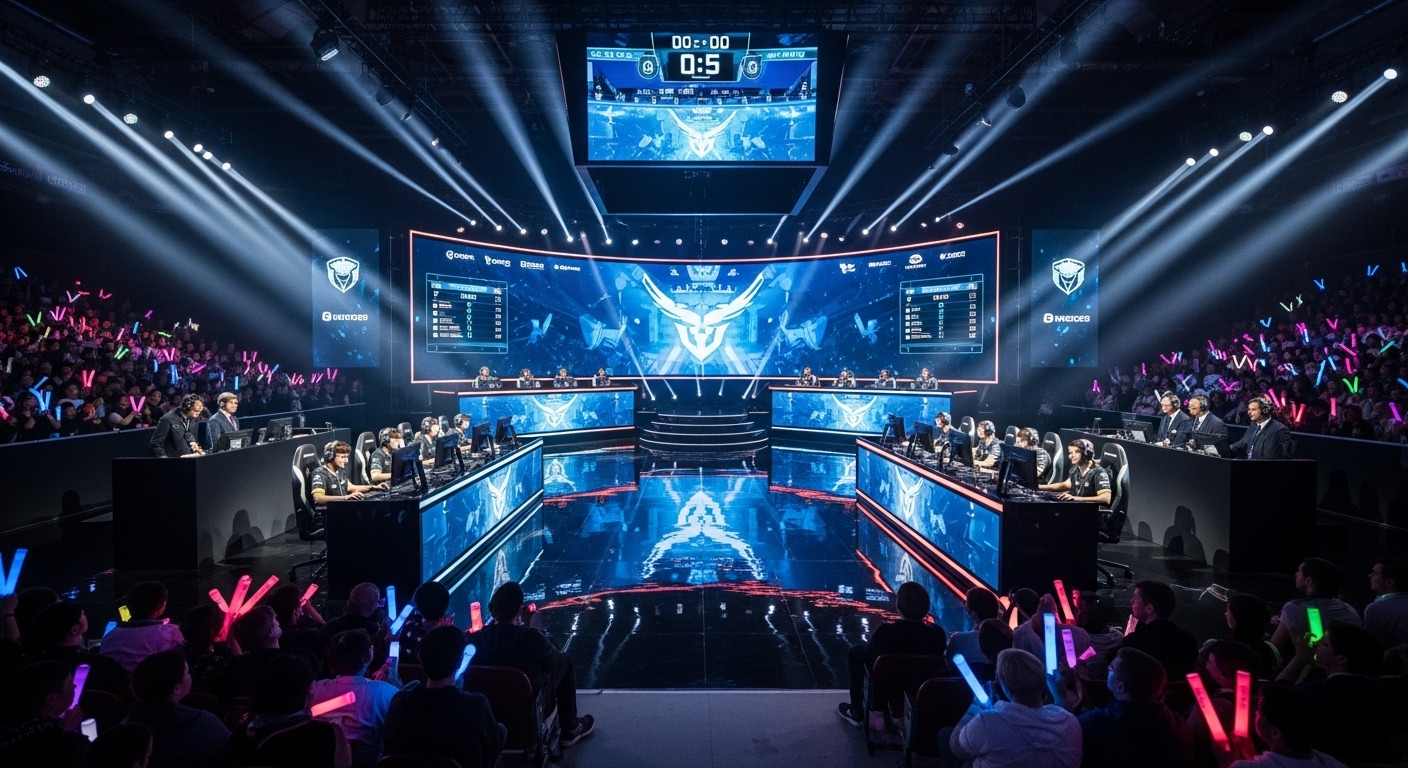
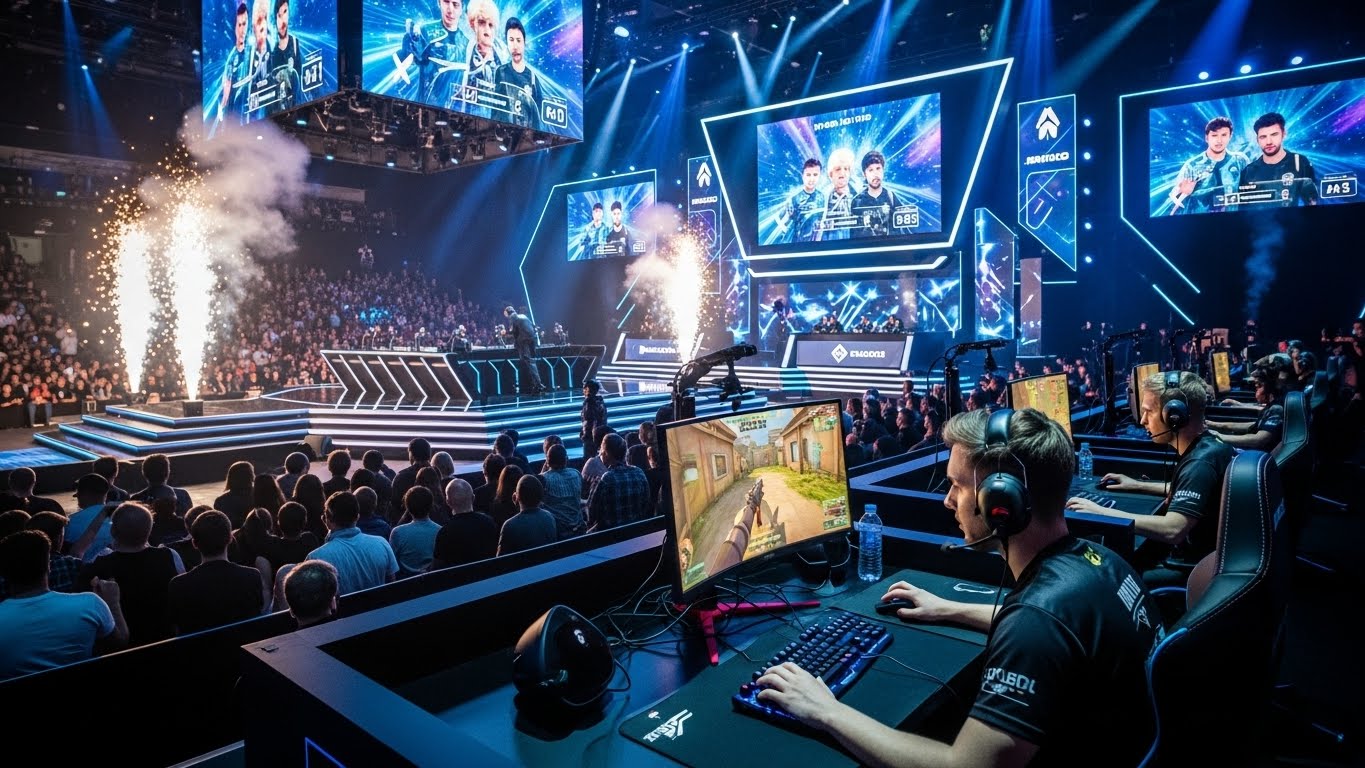
Esports, or competitive gaming, has emerged as one of the fastest-growing phenomena in the modern entertainment industry. What started as a niche hobby among gamers has evolved into a global movement, attracting millions of players, viewers, and investors worldwide. Esports encompasses a wide range of games, from multiplayer online battle arenas to first-person shooters, fighting games, and strategy-based competitions. Beyond the thrill of competition, esports represents a cultural, economic, and social revolution, redefining how people view sports, community, and professional success. This blog explores the rise of esports, its influence on society, the opportunities it creates, and its growing significance in the digital age.
The Evolution of Esports
The history of esports dates back several decades, with early competitions taking place in arcades and on home consoles. Tournaments such as the Space Invaders Championship in the 1980s paved the way for organized competitive gaming. With the advent of high-speed internet, advanced gaming technology, and online streaming, esports expanded rapidly. Games like Counter-Strike, StarCraft, League of Legends, and Dota 2 became international phenomena, establishing professional leagues, teams, and tournaments. The rise of streaming platforms allowed fans to watch matches live, interact with players, and form online communities, creating a culture around esports that rivals traditional sports in popularity and reach.
Esports as a Professional Career
Today, esports is a viable career path for players, coaches, analysts, commentators, and content creators. Professional gamers can earn substantial incomes through tournament winnings, sponsorships, merchandise sales, and streaming. Teams invest in training, strategy, and performance analytics, similar to traditional sports. Careers in esports demand discipline, practice, and mental resilience, dispelling the misconception that gaming is purely recreational. Moreover, esports provides opportunities for young talent to pursue global recognition, collaborate with international teams, and build a brand around their skills. It is an arena where dedication and skill are rewarded, transforming gaming from a hobby into a professional pursuit.
The Technological Backbone of Esports
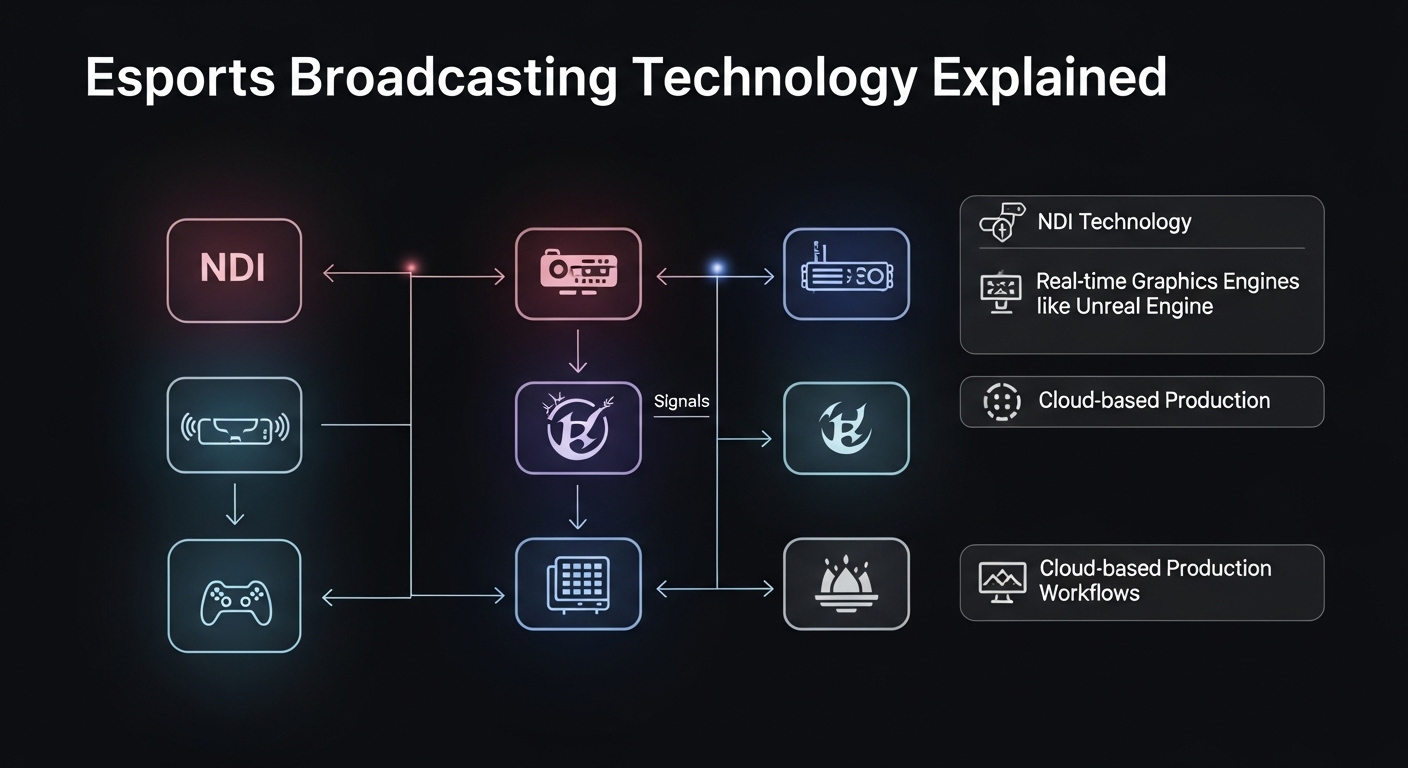
Technology is at the heart of esports. High-performance computers, advanced gaming peripherals, and stable internet connections are crucial for competitive play. Streaming platforms allow millions of viewers to watch live matches, engage with content, and support their favorite players. Data analytics, performance tracking software, and artificial intelligence are used to optimize gameplay, strategies, and training routines. Emerging technologies like virtual reality and augmented reality promise to make esports even more immersive, both for players and spectators. The intersection of technology and gaming not only enhances competition but also drives innovation in software development, hardware engineering, and digital entertainment.
Cognitive and Psychological Benefits of Esports
Esports offers several cognitive and psychological benefits. Competitive games require strategic thinking, rapid decision-making, multitasking, and adaptability. Players develop problem-solving skills, enhance concentration, and improve memory and hand-eye coordination. Multiplayer games foster teamwork, communication, and leadership abilities as players coordinate tactics and support each other during high-pressure situations. Esports also teaches resilience and perseverance, encouraging players to learn from mistakes, recover from setbacks, and refine their strategies. Mental agility and focus cultivated through esports are skills that transfer to education, professional work, and personal development.
Esports and Community Building
One of the most compelling aspects of esports is its capacity to build communities. Online gaming platforms connect players from diverse regions and backgrounds, fostering friendships, collaboration, and healthy competition. Fans follow professional players and teams, engage in discussions, and participate in online forums and social media groups. Local tournaments, gaming clubs, and conventions provide opportunities for face-to-face interaction, networking, and mentorship. Esports communities are not only about competition; they offer support, shared experiences, and a sense of belonging. These communities help individuals develop social skills, gain confidence, and feel connected in an increasingly digital world.
Economic Impact of Esports
Esports has become a multi-billion-dollar industry with significant economic influence. Revenue streams include tournament prize pools, sponsorship deals, merchandise sales, streaming subscriptions, and in-game purchases. Major corporations invest in esports to reach younger audiences and build brand loyalty. The industry generates employment opportunities in coaching, content creation, event management, marketing, and broadcasting. Esports events also drive tourism, increase local business revenue, and stimulate city economies. The financial impact of esports is comparable to traditional sports in certain regions, highlighting its potential as a long-term economic driver and a platform for entrepreneurship and innovation.
Diversity and Inclusion in Esports
Esports has the potential to be more inclusive than many traditional sports. Players of all genders, ages, and physical abilities can compete on equal footing. While challenges such as gender representation, harassment, and accessibility persist, organizations are increasingly promoting diversity through inclusive tournaments, policies, and community initiatives. International esports events bring together players from diverse cultural and socioeconomic backgrounds, fostering cross-cultural interaction and understanding. The digital nature of esports eliminates many physical barriers, allowing talent and skill to define success rather than physical attributes. This inclusivity positions esports as a modern arena where equality, opportunity, and meritocracy are emphasized.
Esports and Education
Esports is increasingly recognized as a valuable educational tool. Schools and universities offer esports clubs, competitive teams, and scholarship opportunities, integrating gaming with academic growth. Participation in esports teaches students strategic thinking, teamwork, leadership, and time management. Academic programs in esports also provide pathways for careers in game design, marketing, broadcasting, and technology. By combining competition with learning, esports bridges the gap between entertainment and education, offering students opportunities for personal development, skill acquisition, and professional advancement in the growing digital economy.
Mental Health and Esports
While esports offers numerous benefits, mental health is an important consideration. The competitive nature of gaming, long practice hours, and public exposure can lead to stress, anxiety, and burnout. Professional organizations are increasingly addressing mental health by providing counseling, wellness programs, and education on work-life balance. Maintaining rest, physical activity, and social interaction is essential for sustainable success in esports. Awareness campaigns and supportive communities help players manage pressure, cultivate resilience, and maintain well-being. Addressing mental health challenges is crucial for ensuring that esports remains a healthy, sustainable, and rewarding pursuit for participants at all levels.
The Global Reach of Esports
Esports has a global footprint, with tournaments and leagues held in multiple countries and continents. Games are localized and culturally adapted to appeal to diverse audiences, creating a worldwide fanbase. International competitions, such as the League of Legends World Championship and the Dota 2 International, attract millions of viewers from across the globe. Players and teams transcend geographical boundaries, collaborating and competing virtually. The global nature of esports fosters cross-cultural exchange, promotes international friendships, and demonstrates how digital platforms can connect people in ways traditional sports sometimes cannot.
The Future of Esports
The future of esports is bright, driven by technological innovation, increasing recognition, and expanding audiences. Emerging technologies such as cloud gaming, virtual reality, and artificial intelligence will further transform the industry, making gaming more immersive, accessible, and competitive. Esports is likely to see greater integration with traditional sports, entertainment, and education, creating hybrid experiences for players and fans. As professional leagues, sponsorships, and viewership continue to grow, esports is positioned to become a permanent fixture in global entertainment, redefining competition and community in the digital era.
Conclusion
Esports is more than just competitive gaming; it is a cultural, social, and economic phenomenon shaping the modern world. It offers opportunities for professional careers, cognitive growth, social connection, and community building. Technology, strategy, and skill converge to create experiences that challenge, entertain, and inspire. Esports fosters inclusion, diversity, and global collaboration, making it a powerful force in the digital age. As the industry continues to expand, it offers endless possibilities for players, fans, and professionals alike. Digital arenas are not merely virtual spaces—they are hubs of innovation, ambition, and human potential. Esports is a testament to how technology can transform competition, community, and culture in ways that resonate far beyond the screen.