




Introduction
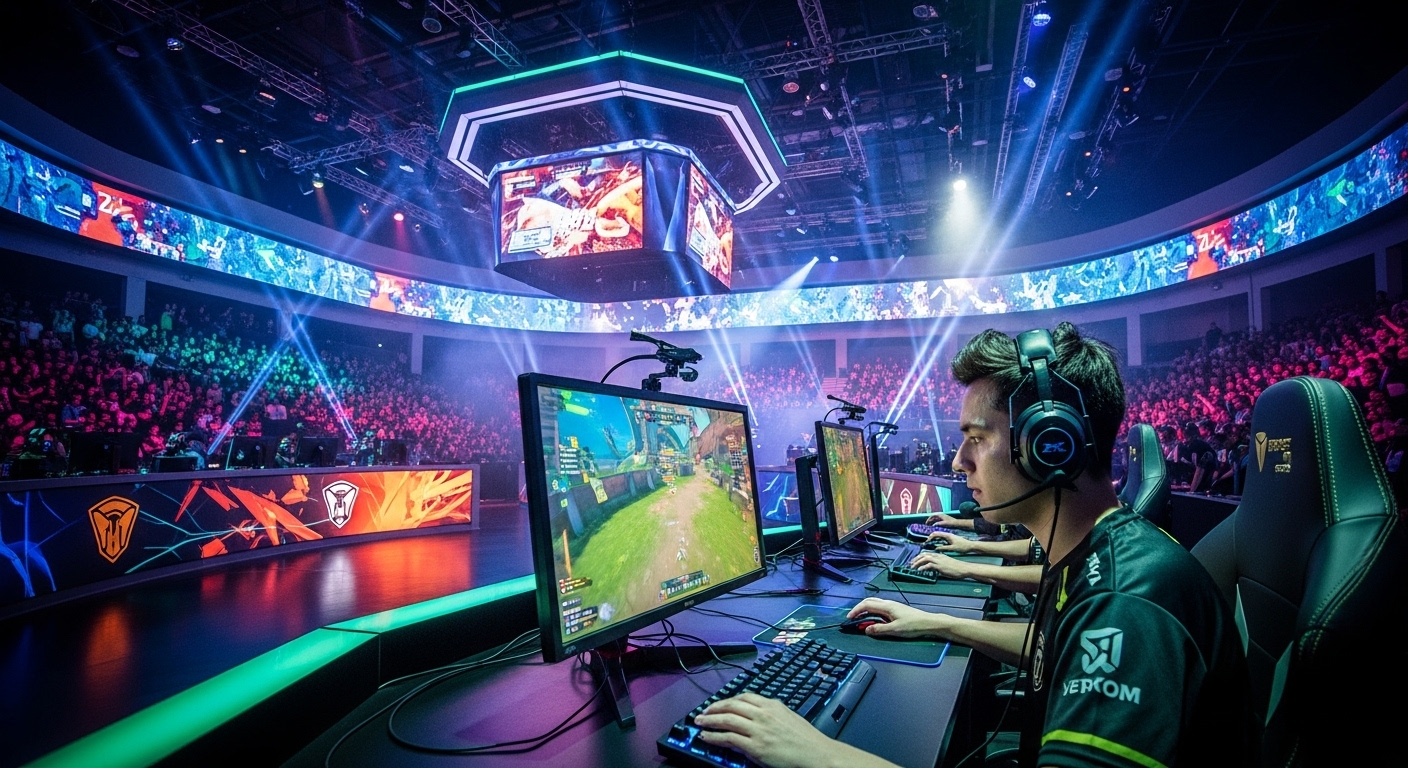
In the past two decades, one of the most dramatic transformations in entertainment and sports has been the rise of electronic sports, commonly known as esports. What once began as casual gaming sessions among friends has now evolved into a billion-dollar global industry that attracts millions of viewers, sponsors, and professional athletes. Esports has become an inseparable part of modern culture, bridging technology, competition, and community in a way that traditional sports could only dream of.
Esports today is not merely about playing video games; it represents a new form of digital competition, creativity, and connection. It combines the thrill of traditional sports with the strategy of chess, the reflexes of a martial artist, and the storytelling of modern cinema. To understand how esports achieved such cultural and economic dominance, it is essential to explore its roots, its growth, and the forces that continue to shape its future.
The Origins of Esports
The concept of competitive gaming is older than many realize. The first recorded video game competition took place in 1972 at Stanford University, where students gathered to play a game called Spacewar! for a small prize. It may have seemed insignificant at the time, but it marked the birth of something revolutionary — the idea that video games could be more than casual entertainment.
During the 1980s, arcade machines brought competition to the public eye. Games like Pac-Man, Donkey Kong, and Space Invaders created local heroes who achieved high scores on leaderboards. These players became the first generation of gaming celebrities, admired for their skill and dedication. The competitive spirit continued to grow, and soon, companies began organizing tournaments to draw attention to their games and products.
The 1990s marked a turning point. With the rise of the internet and multiplayer gaming, competition expanded beyond local arcades and living rooms. Games such as Quake, StarCraft, and Counter-Strike defined the early days of online esports. These titles introduced structured tournaments, professional teams, and prize pools that, while small compared to today’s standards, laid the foundation for a future industry.
The Rise of Professional Esports
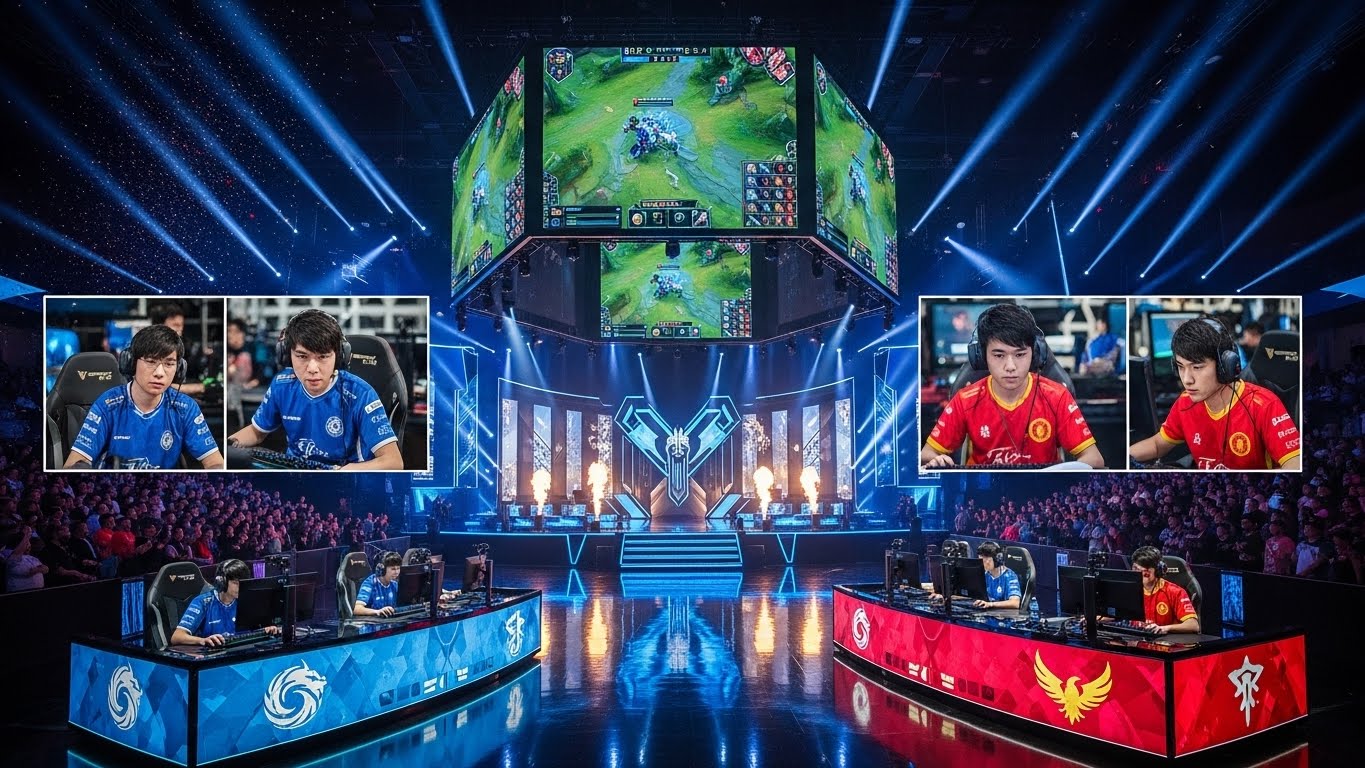
By the early 2000s, esports began to mature into a structured, professionalized ecosystem. The establishment of organizations like the World Cyber Games, Major League Gaming, and the Electronic Sports World Cup formalized competition on a global scale. Players were no longer just enthusiasts; they became athletes dedicating countless hours to mastering their craft.
South Korea played a particularly crucial role in this development. The country’s government and telecommunications companies heavily invested in broadband infrastructure, which allowed online gaming to flourish. StarCraft became a national obsession, broadcasted on television with professional commentators and sponsorship deals. This period is often regarded as the birthplace of modern esports culture.
Gradually, other regions followed suit. Europe, North America, and China began to establish their own esports communities. Games such as League of Legends, Dota 2, Call of Duty, and Counter-Strike: Global Offensive took center stage, building loyal fan bases and expanding competitive opportunities.
The professionalization of esports also brought new roles beyond the players themselves — coaches, analysts, commentators, event organizers, and marketing specialists became part of the industry. This ecosystem mirrored that of traditional sports, proving that competitive gaming could be a viable career for many.
The Digital Arena: Streaming and Accessibility
A key turning point for esports came with the rise of live streaming platforms. Before the 2010s, esports events were often hard to access outside of specialized forums or localized broadcasts. The introduction of streaming platforms revolutionized this, making competitive gaming accessible to millions worldwide.
Streaming democratized esports in ways television never could. Anyone with a computer and an internet connection could watch tournaments, follow their favorite players, or even broadcast their own gameplay. This accessibility not only expanded the audience but also created an entirely new culture around participation and community.
The personalities of streamers became as important as the games themselves. Some professional players transitioned to full-time streaming careers, building massive fan bases and earning significant incomes. Meanwhile, tournaments started reaching viewership numbers that rivaled — and occasionally surpassed — traditional sports events.
The Business of Esports
What began as small competitions for prestige has turned into a highly profitable industry with global sponsors, investors, and media rights deals. The esports economy encompasses several major revenue streams: sponsorships, advertising, ticket sales, merchandise, broadcasting rights, and digital goods.
Sponsorship remains the backbone of the industry. Major global brands from technology, energy drinks, automotive, and apparel sectors see esports as a gateway to reach younger audiences. These sponsorships have funded the growth of teams, tournaments, and player salaries, helping legitimize esports as a professional pursuit.
Franchising has also become a central model for many esports leagues. Titles like Overwatch League and League of Legends Championship Series introduced structures similar to traditional sports leagues, where teams buy franchise slots and represent specific cities or regions. This approach has brought stability and a sense of identity to the esports ecosystem.
In addition to sponsorships and leagues, merchandise and branding have emerged as major income sources. Fans purchase jerseys, peripherals, and digital collectibles to support their favorite teams and players. The sense of belonging and identity within esports communities fuels these markets, transforming fandom into an economic force.
The Culture and Community of Esports
Esports is not only an industry but a cultural movement. It brings together people across borders, languages, and backgrounds under a shared passion for competition and gaming. Unlike traditional sports, where physical proximity often defines community, esports thrives on digital connectedness.
Online forums, social media, and streaming chats have become spaces where fans discuss strategies, share highlights, and celebrate victories. The sense of belonging that comes from these communities is powerful. It allows people to connect globally in real time, forming friendships and rivalries that transcend geography.
Esports culture also celebrates diversity in interests and styles. Every game has its own unique audience and traditions. The flashy plays of League of Legends differ from the tactical precision of Counter-Strike, yet both demand the same level of discipline and teamwork. Cosplay, art, and fan creations further enrich this culture, making esports not just about competition but about creative expression.
Another unique aspect of esports culture is the accessibility of players. Unlike professional athletes in traditional sports, esports professionals often engage directly with their fans through social media or live streams. This level of interaction humanizes players, strengthening their fan relationships and creating more personal connections within the community.
The Role of Technology
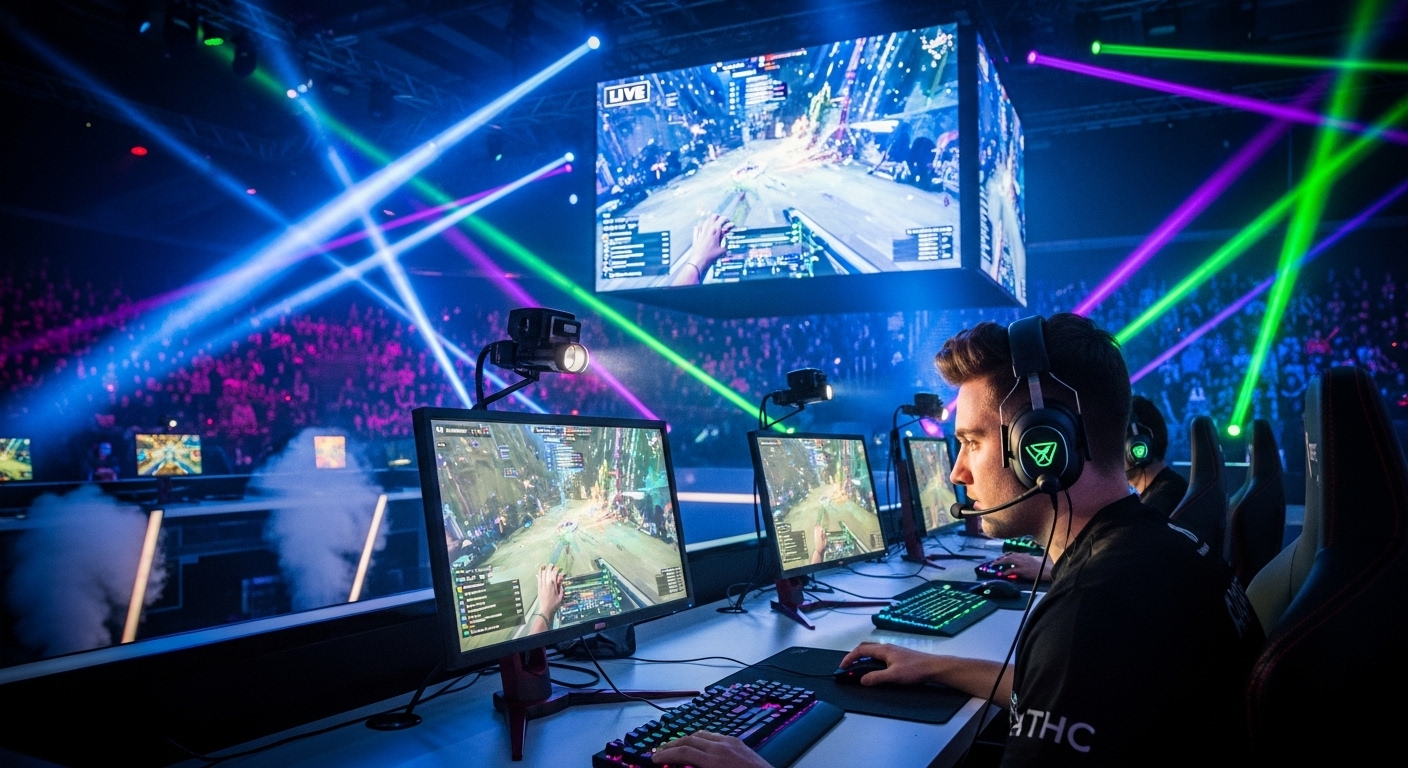
Technology is the beating heart of esports. From high-speed internet to advanced gaming hardware, every aspect of the industry depends on technological innovation. Better graphics, faster processors, and improved streaming quality have made competitive gaming more immersive and enjoyable for both players and spectators.
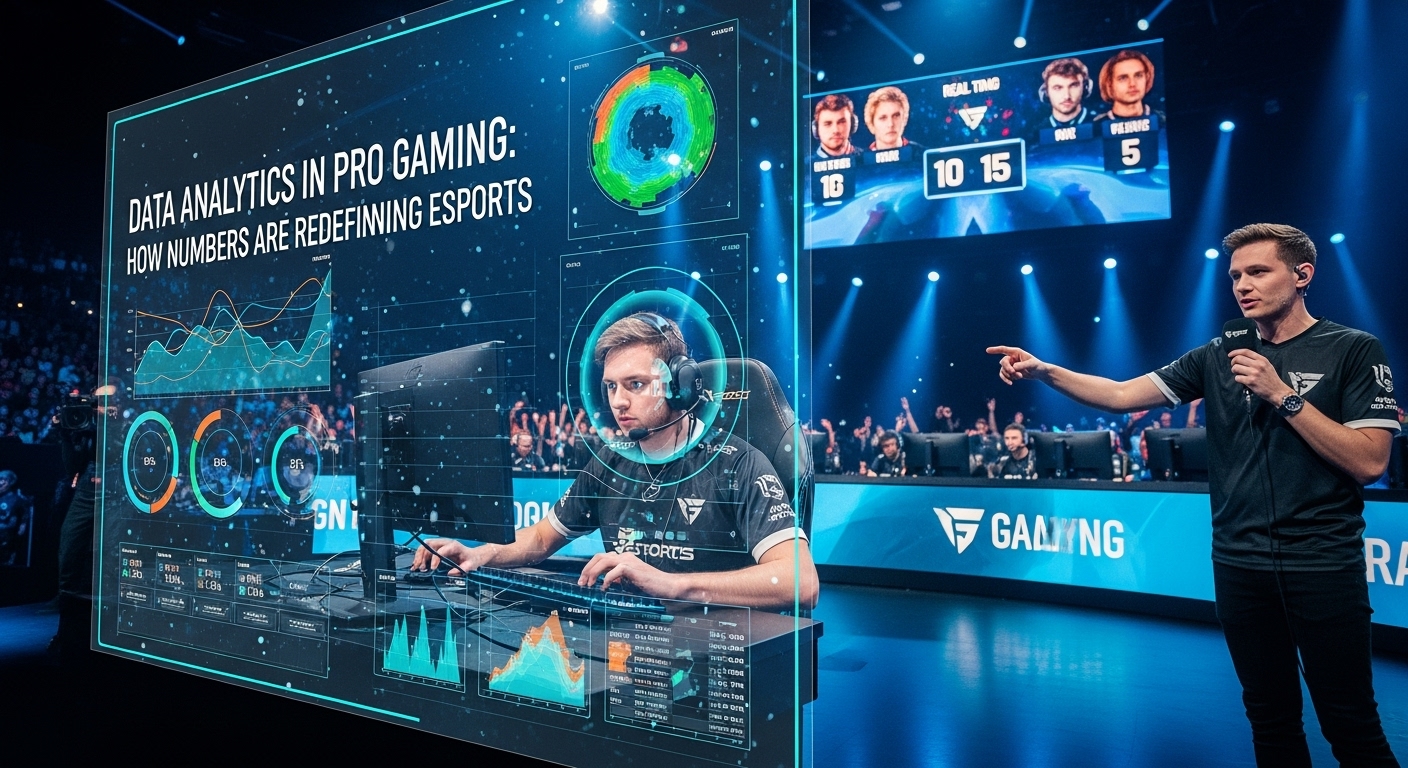
Virtual reality (VR) and augmented reality (AR) are now entering the esports scene, offering new forms of competition and engagement. Cloud gaming has made high-quality gaming accessible to people who might not have expensive hardware, further expanding the player base. Artificial intelligence is being used for player analytics, matchmaking, and even coaching assistance.
Technology has also improved the fairness and precision of esports. Anti-cheat systems, server optimization, and replay reviews ensure a level playing field for all competitors. As technology continues to evolve, esports will only become more dynamic and inclusive.
Esports and Education
In recent years, esports has found a surprising place in education. Universities around the world now offer scholarships for esports athletes, much like traditional sports programs. High schools and colleges are establishing esports teams, recognizing that the skills required — communication, teamwork, strategy, and problem-solving — have real-world applications.
Esports programs teach valuable lessons in leadership, resilience, and collaboration. Students learn how to manage pressure, analyze opponents, and work cohesively toward shared goals. Beyond gameplay, esports education also introduces students to related fields like game design, event management, marketing, and digital media.
For many young people, esports provides an alternative path to success that aligns with their passions and strengths. It validates gaming as a legitimate pursuit and demonstrates how digital skills can translate into meaningful careers.
The Globalization of Esports
Esports is inherently global. Unlike many traditional sports that dominate specific regions, competitive gaming has an international appeal. A player from one continent can easily compete against another across the world. This interconnectedness is a defining feature of esports and a major factor behind its rapid expansion.
Asia remains the powerhouse of esports, particularly South Korea and China, but North America and Europe have also established strong competitive scenes. Meanwhile, regions such as the Middle East, South America, and Africa are experiencing rapid growth due to improved internet infrastructure and increasing investment.
Global tournaments bring together players and fans from diverse backgrounds. Events like world championships in League of Legends or Dota 2 attract audiences in the tens of millions, showcasing the universality of gaming as a shared human experience.
This globalization has also encouraged cultural exchange. Esports unites people through competition but also fosters appreciation for different styles of play and regional identities. It represents one of the most inclusive forms of entertainment ever created.
Challenges Facing Esports
Despite its incredible growth, esports is not without challenges. One major issue is player burnout. Professional gamers often train for long hours under immense pressure, which can lead to mental and physical exhaustion. The need for better player welfare, including health management and balanced training schedules, has become increasingly recognized.
Another concern is sustainability. While many tournaments and organizations are profitable, others struggle to maintain consistent revenue. The industry’s reliance on sponsorships means that economic downturns or shifting brand interests can have significant impacts.
Esports also faces challenges related to regulation and governance. Unlike traditional sports, which have established governing bodies, esports is fragmented across multiple publishers, leagues, and regions. This fragmentation creates inconsistencies in rules, player contracts, and disciplinary procedures.
Toxicity and inclusivity remain ongoing issues as well. Online anonymity sometimes fuels harassment or discrimination, which can discourage participation from underrepresented groups. However, many organizations and communities are working to promote respect, diversity, and inclusion within the scene.
The Future of Esports
Looking ahead, esports shows no sign of slowing down. Its integration with mainstream media, education, and technology suggests that it will continue to shape the future of entertainment. As new generations grow up in a digital-first world, esports will become even more normalized as part of everyday life.
We are likely to see increased collaboration between traditional sports and esports. Several professional sports franchises have already established esports divisions, recognizing the overlap in fan engagement and the potential for cross-promotion.
The development of metaverse technologies could redefine how esports is experienced. Imagine watching a live match not through a flat screen but as a participant within a virtual arena, surrounded by fans from around the world. Such experiences could become the next frontier of spectator engagement.
Moreover, as the lines between gaming and other media blur, esports will play a major role in shaping digital entertainment. Narrative-driven games, cinematic broadcasts, and interactive viewership options will continue to enhance the fan experience.
Ultimately, the essence of esports — the thrill of competition, the celebration of skill, and the power of community — will remain constant, even as technology and culture evolve around it.
Conclusion
Esports has transformed from humble beginnings into one of the most influential cultural and economic forces of the modern age. It represents a fusion of technology, creativity, and human connection, transcending boundaries and redefining what it means to be an athlete in the digital era.
From university tournaments to sold-out stadiums, from small online streams to massive global broadcasts, esports has proven that competition can thrive in virtual spaces just as powerfully as in physical arenas. It has given rise to careers, communities, and global movements — all born from the shared love of gaming.
As we move deeper into the twenty-first century, esports stands as a symbol of our interconnected, digital world. It is not just the future of sports but a reflection of the future of human experience itself — dynamic, diverse, and endlessly innovative.