





Esports, short for electronic sports, has evolved from a niche pastime to a multibillion-dollar global industry, captivating millions of players, viewers, and fans worldwide. With its roots stretching back to the early days of video gaming, esports has transformed into a professional arena where competitors from around the world gather to test their skills in highly competitive, organized tournaments. This blog post explores the rise and development of esports, how it became the global phenomenon it is today, and its profound impact on the gaming industry, entertainment, and society.
The Humble Beginnings of Esports
Origins in the 1970s and 1980s
The story of esports begins in the early days of video gaming. The concept of competitive gaming can be traced back to the 1970s, though it was far from the global phenomenon it is today. One of the first recorded instances of competitive gaming was the “Space Invaders Championship,” which took place in 1980. This event, organized by Atari, was a turning point in the history of gaming. Although it was a small competition by modern standards, it set the stage for what would eventually become esports.
During the 1980s, arcade games like “Pac-Man,” “Donkey Kong,” and “Space Invaders” gained immense popularity. Though there were no large-scale tournaments like we see today, players still gathered to compete for high scores. The early days of competitive gaming were limited to local, small-scale contests with little-to-no formal organization, but they helped cultivate a passion for competition in the gaming community.
The Birth of LAN Parties
In the 1990s, the growth of the personal computer (PC) and the internet provided new opportunities for gamers to come together and compete. This period marked the birth of LAN (Local Area Network) parties, where players would connect their computers to a local network and battle it out in games like “Quake,” “Doom,” and “Warcraft.” These LAN parties were instrumental in fostering the sense of community and competition that is central to modern esports.
The LAN party scene began to formalize competitive gaming into a more structured activity. While these early tournaments were still relatively informal, they laid the groundwork for what would later evolve into large-scale esports competitions. One of the most significant developments during this era was the rise of online multiplayer gaming, which allowed players to compete against each other without the need for a physical LAN party.
The Rise of Organized Esports Tournaments
The Late 1990s and Early 2000s
By the late 1990s and early 2000s, competitive gaming had started to gain serious traction. The release of games like “StarCraft” and “Counter-Strike” was pivotal in the development of esports. These titles offered strategic depth, fast-paced action, and the possibility of intense, head-to-head competition. Gamers were now playing not just for fun but for recognition and sometimes even monetary rewards.
In 1997, the first “World Cyber Games” (WCG) was held, marking one of the first significant attempts to organize esports on a global scale. The event brought together players from around the world to compete in games like “StarCraft” and “Quake.” The success of WCG demonstrated the global appeal of competitive gaming and provided a model for future tournaments.
During this period, organizations like CPL (Cyberathlete Professional League) and MLG (Major League Gaming) began to emerge, further formalizing the competitive gaming scene. These tournaments featured higher levels of organization, better prize pools, and increased media attention, setting the stage for the esports industry as we know it today.
The Explosion of Esports in the 2010s
The Launch of Major Esports Leagues
The 2010s marked the turning point for esports. With the increasing popularity of streaming platforms like Twitch, esports began to reach a global audience. Professional leagues, such as the “League of Legends” Championship Series (LCS) and the “Overwatch League,” started to emerge, offering structured, year-round competition with huge prize pools.
In 2011, Riot Games launched “League of Legends,” which would go on to become one of the most popular esports titles in history. The game quickly gained a large, dedicated player base, and its competitive scene flourished. The annual “League of Legends World Championship” is now one of the biggest esports events in the world, attracting millions of viewers across the globe. The success of “League of Legends” helped push esports into the mainstream and solidified its place as a global entertainment industry.
During the same period, the first iteration of the “Overwatch League” was launched by Blizzard Entertainment, bringing in new viewers and players. Overwatch’s accessibility and team-based gameplay made it a perfect fit for the world of esports, and the league has continued to grow, with teams from major cities around the world competing in an annual, franchise-based system.
Streaming and Broadcasting: A Game Changer
One of the most significant factors in the growth of esports during the 2010s was the rise of streaming platforms, most notably Twitch. Founded in 2011, Twitch quickly became the go-to platform for gaming streams, offering fans the chance to watch their favorite players and teams compete live. The ability to stream games in real-time allowed esports to reach a global audience like never before. Major tournaments began to be broadcasted on Twitch, which helped draw in more viewers and sponsors.
In 2014, Amazon acquired Twitch for nearly $1 billion, signaling the growing importance of esports in the entertainment industry. The acquisition helped Twitch expand its influence even further, enabling it to offer a wide range of gaming content, from live tournament streams to casual gaming sessions. Twitch’s success proved that esports had become a legitimate form of entertainment, attracting millions of viewers and generating substantial revenue from advertisements, subscriptions, and sponsorships.
Esports Today: A Multibillion-Dollar Industry
Esports as a Profession
As of the mid-2020s, esports has firmly established itself as a mainstream form of entertainment. Esports athletes, or “pro gamers,” are now recognized as legitimate sports professionals. Many top players in games like “League of Legends,” “Dota 2,” “CS:GO,” and “Fortnite” are able to make a living from their competitive careers. These players often sign contracts with esports organizations, receive sponsorships from major brands, and earn significant sums from tournament prize pools.
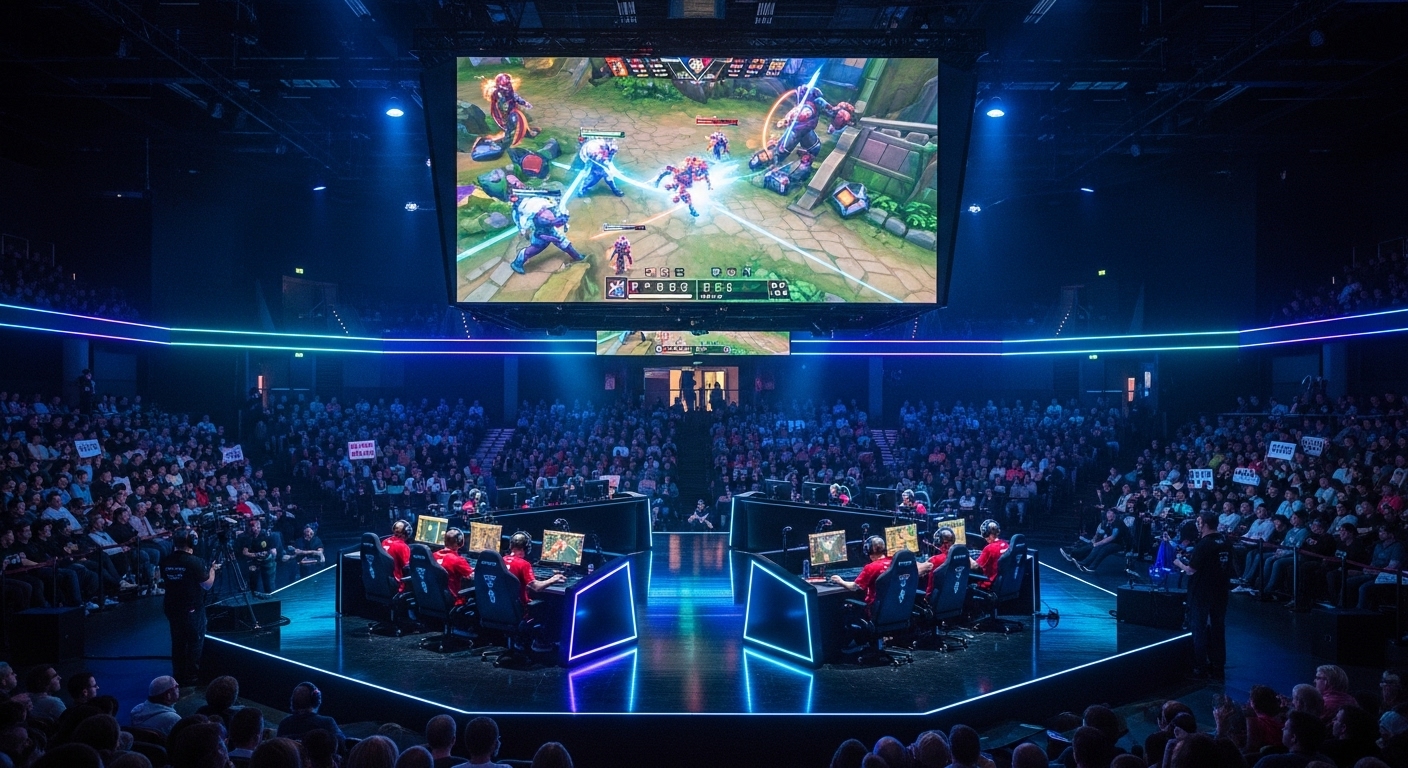
Some of the highest-paying esports tournaments, such as “The International” (Dota 2), offer multi-million-dollar prize pools, attracting top-tier talent from around the world. These tournaments have evolved into large-scale productions, complete with live audiences, broadcast crews, and millions of viewers tuning in from home.
Esports players are no longer just limited to a few select games. With a growing number of titles supported by professional leagues, players can specialize in a variety of competitive games, from real-time strategy games like “StarCraft” to first-person shooters like “Call of Duty” and battle royale games like “Fortnite.”
Esports as Entertainment
Esports has become much more than just competitive gaming—it is now a significant form of entertainment. Large-scale events, such as the “League of Legends” World Championship, attract millions of viewers worldwide. These events are often broadcast live on major platforms like Twitch and YouTube, and they are also aired on television in some regions.
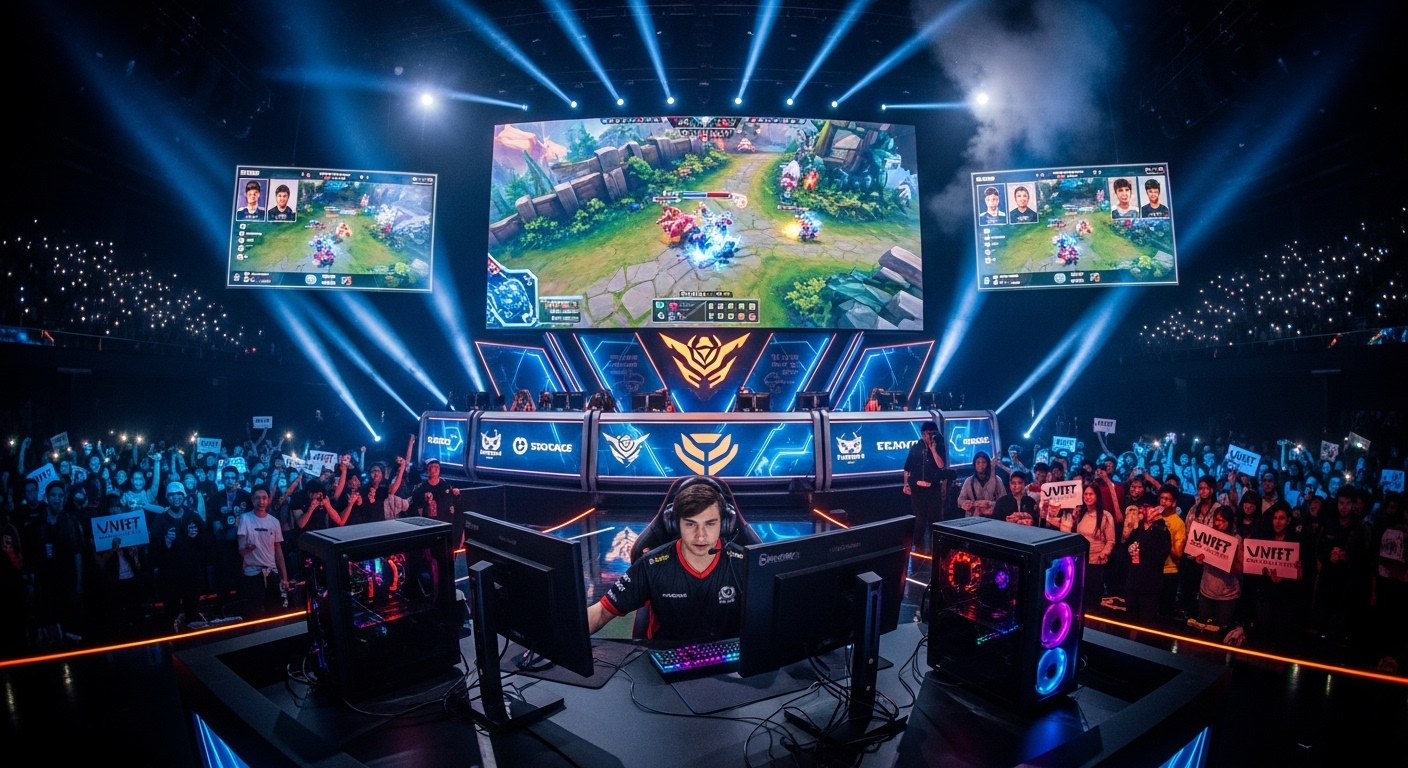
The production values of esports events have reached impressive heights, with elaborate stage designs, high-quality commentary, and live musical performances at major events. Esports events have become cultural phenomena, drawing in millions of fans who follow their favorite teams and players. Many esports organizations now operate like traditional sports teams, with dedicated fanbases, merchandise sales, and sponsorship deals.
The Role of Sponsorships and Brands
The rapid growth of esports has caught the attention of major brands looking to tap into this lucrative market. Companies like Coca-Cola, Intel, Nike, and Red Bull have all invested heavily in esports, sponsoring tournaments, teams, and events. These sponsorships provide a significant revenue stream for the industry, allowing organizations to offer larger prize pools, improve production quality, and expand their operations.
Sponsorship deals have also allowed esports organizations to grow their fanbases and reach new audiences. By partnering with well-established brands, esports teams and players are able to enhance their visibility and credibility, both within the gaming community and beyond. In turn, brands benefit from the exposure they receive by associating themselves with popular esports events and figures.
The Impact of Esports on Society
Cultural Influence and Mainstream Acceptance
Esports has had a significant cultural impact over the past two decades. What was once considered a niche hobby has now become a mainstream form of entertainment. Esports has attracted fans from all walks of life, including people who may not typically engage with traditional sports. Many esports fans see professional gaming as a legitimate form of competition, and the athletes who participate in esports are increasingly viewed as highly skilled, much like traditional sports stars.
The growth of esports has also fostered a sense of community. Fans and players interact regularly through social media, live-streaming platforms, and esports forums. These interactions help build relationships between players and fans, creating a global, interconnected gaming culture.
Educational and Career Opportunities
Esports has also opened up new educational and career opportunities. Many universities now offer esports scholarships and degree programs, allowing students to pursue a career in competitive gaming, event management, or esports marketing. These programs teach students about the business side of esports and help prepare them for jobs within the industry, from coaching and broadcasting to marketing and team management.
Additionally, esports has created job opportunities for people in fields such as content creation, social media management, and game development. Esports organizations, event organizers, and streaming platforms continue to expand, providing a growing number of career paths for those interested in working within the esports ecosystem.
Conclusion: The Future of Esports
Esports has come a long way since its humble beginnings in the 1970s and 1980s. From small LAN parties to massive international tournaments with multimillion-dollar prize pools, esports has evolved into a thriving, global industry that is reshaping the way we think about entertainment. With continued growth in viewership, sponsorships, and career opportunities, the future of esports looks brighter than ever.
As technology continues to advance, esports will likely continue to innovate, offering new ways for fans to experience the action and for players to showcase their skills. Whether it’s through virtual reality, artificial intelligence, or new gaming platforms, esports is poised to remain at the forefront of the entertainment industry for years to come.
In the end, esports is not just about playing games—it’s about fostering a sense of community, celebrating competition, and creating new forms of entertainment that resonate with audiences around the world. As the industry continues to grow, one thing is certain: esports is here to stay.