




Introduction
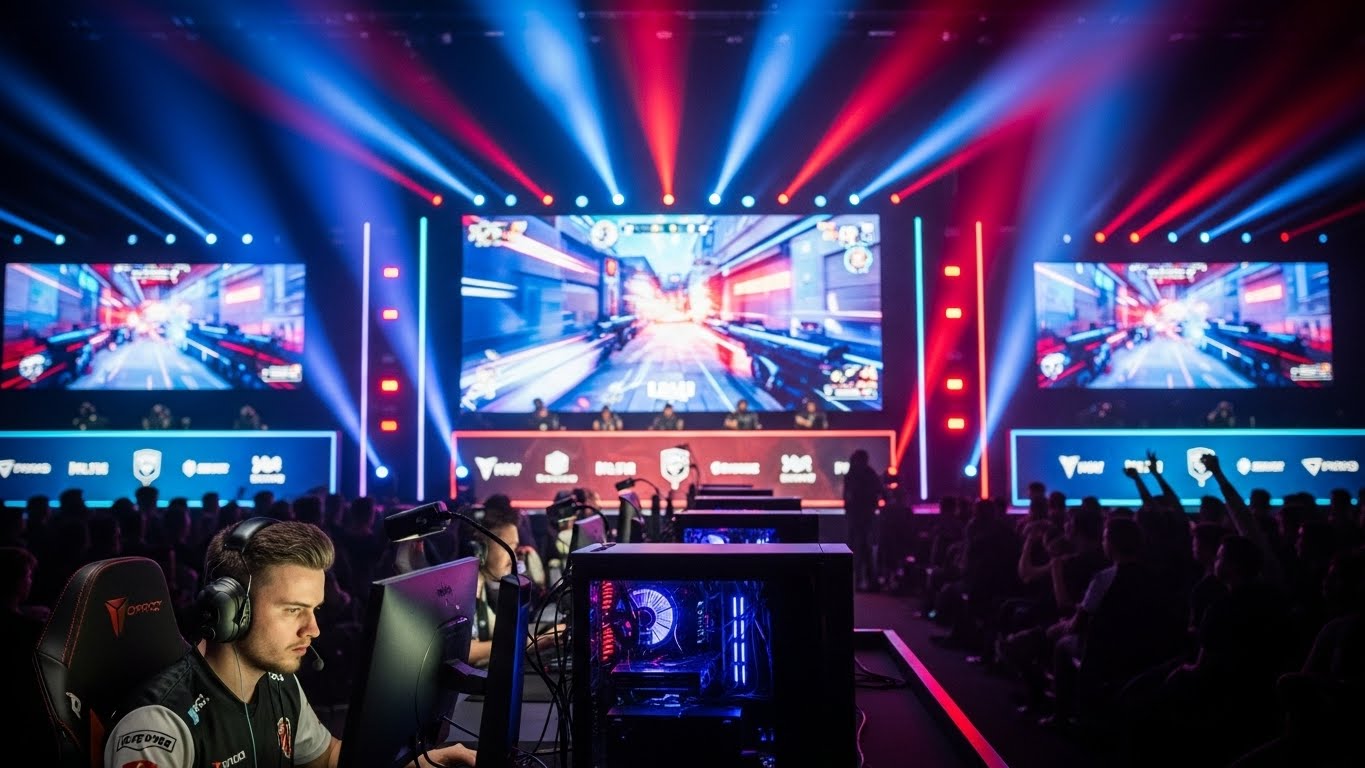
Esports, short for electronic sports, has transformed from a niche hobby into a global entertainment powerhouse. What once began as a small subculture of competitive gaming has evolved into a multi-billion-dollar industry that attracts millions of fans worldwide. Esports is no longer limited to gaming enthusiasts playing for fun in their spare time; it has grown into an organized, professional, and commercialized sector with professional athletes, massive tournaments, sponsorships, and a growing fanbase. From traditional video games to the rise of streaming platforms, esports has reshaped the way people view competition, entertainment, and sports as a whole.
This blog post explores the rapid rise of esports, its cultural and technological impact, and its potential for the future. We’ll dive into its history, the key players and tournaments, and the factors that have contributed to its mainstream success.
The Early Days of Esports: The Birth of Competitive Gaming
The history of esports dates back to the early days of gaming itself. In the 1970s and 1980s, video games were primarily single-player or local multiplayer experiences. However, as technology advanced, the concept of competing against others in a digital environment became more popular. The first recognized esports competition occurred in 1972, when Stanford University hosted the “Intergalactic Spacewar Olympics,” a contest centered around the game Spacewar. While small and amateur, this event set the foundation for competitive gaming.
Throughout the 1990s, with the rise of PC gaming and local area network (LAN) parties, competitive gaming began to gain traction. Early multiplayer games like Quake and StarCraft paved the way for a new form of competition, with players joining together via the internet to challenge each other. The term “esports” began to be used more regularly in the late 1990s and early 2000s as major gaming tournaments, like the World Cyber Games and ESL (Electronic Sports League), started to form. These events attracted larger audiences and began to offer monetary prizes, providing players with the opportunity to earn recognition and money from their skills.
The Growth of Esports in the 2000s: Professionalization and Globalization
By the 2000s, esports had transitioned from small LAN gatherings to large-scale tournaments with professional organizations and sponsorships. Games like Warcraft III and Counter-Strike became the foundation for organized competition, and the rise of streaming platforms like Twitch allowed fans to watch live tournaments in real-time, further expanding the reach of esports. During this period, esports began to attract more mainstream attention, with global organizations forming to manage tournaments, players, and teams.
One key moment in the history of esports occurred in 2009 when League of Legends, a multiplayer online battle arena (MOBA) game by Riot Games, was released. League of Legends would go on to become one of the most influential esports titles, with regular tournaments like the League of Legends World Championship drawing millions of viewers each year. The game’s accessibility and complexity, combined with a robust competitive scene, helped it become one of the most popular and widely viewed esports titles in history.
Another major event that contributed to esports’ growth was the rise of Dota 2 and its The International tournament. The 2011 The International tournament boasted a prize pool of $1 million, a first for the esports industry, and set a precedent for future competitions to follow. The ability to offer significant monetary rewards and draw huge global audiences opened the doors for more companies to invest in esports.
The Rise of Esports Viewership and the Streaming Revolution
The growth of esports was also fueled by the increasing popularity of online streaming. Twitch, launched in 2011, was a game-changer for the esports industry. As a platform that allowed gamers to broadcast their gameplay and interact with audiences, Twitch gave rise to a new form of entertainment. Professional gamers, streamers, and even casual players began broadcasting their matches live, which allowed them to engage directly with their fans.
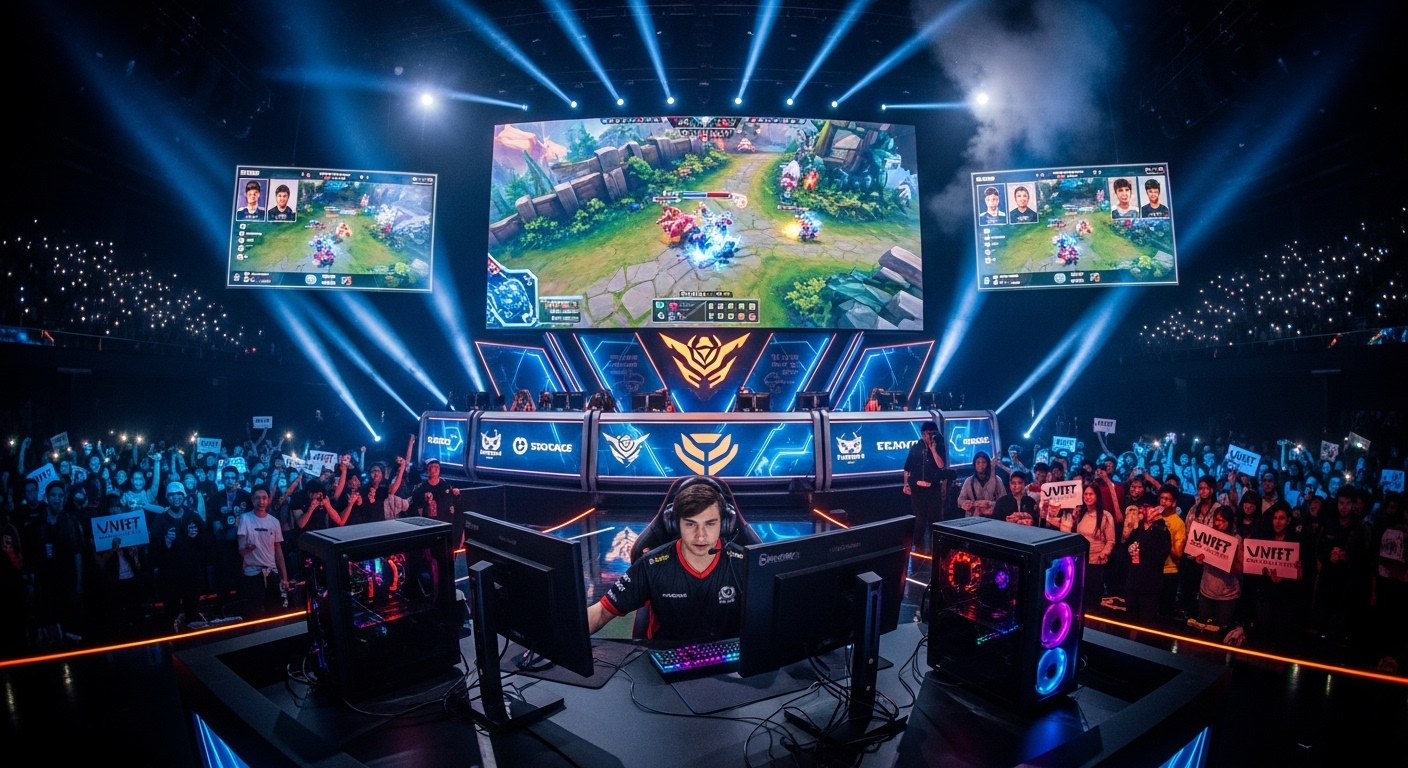
Streaming platforms brought esports into millions of homes and made it easier for fans to follow tournaments in real time. Tournaments like The International and the League of Legends World Championship gained immense viewership, drawing millions of spectators from across the globe. Esports events started to sell out arenas, with some tournaments broadcasting to audiences larger than traditional sports events.
As streaming platforms continued to grow, so did the revenue generated by esports. Brands quickly recognized the potential for reaching younger, tech-savvy audiences. Sponsorships, advertising, merchandise sales, and even the sale of virtual items within games became important revenue streams. Esports had firmly cemented itself as a mainstream form of entertainment, with its own dedicated fanbase.
Esports Today: Professionalization and Mainstream Recognition
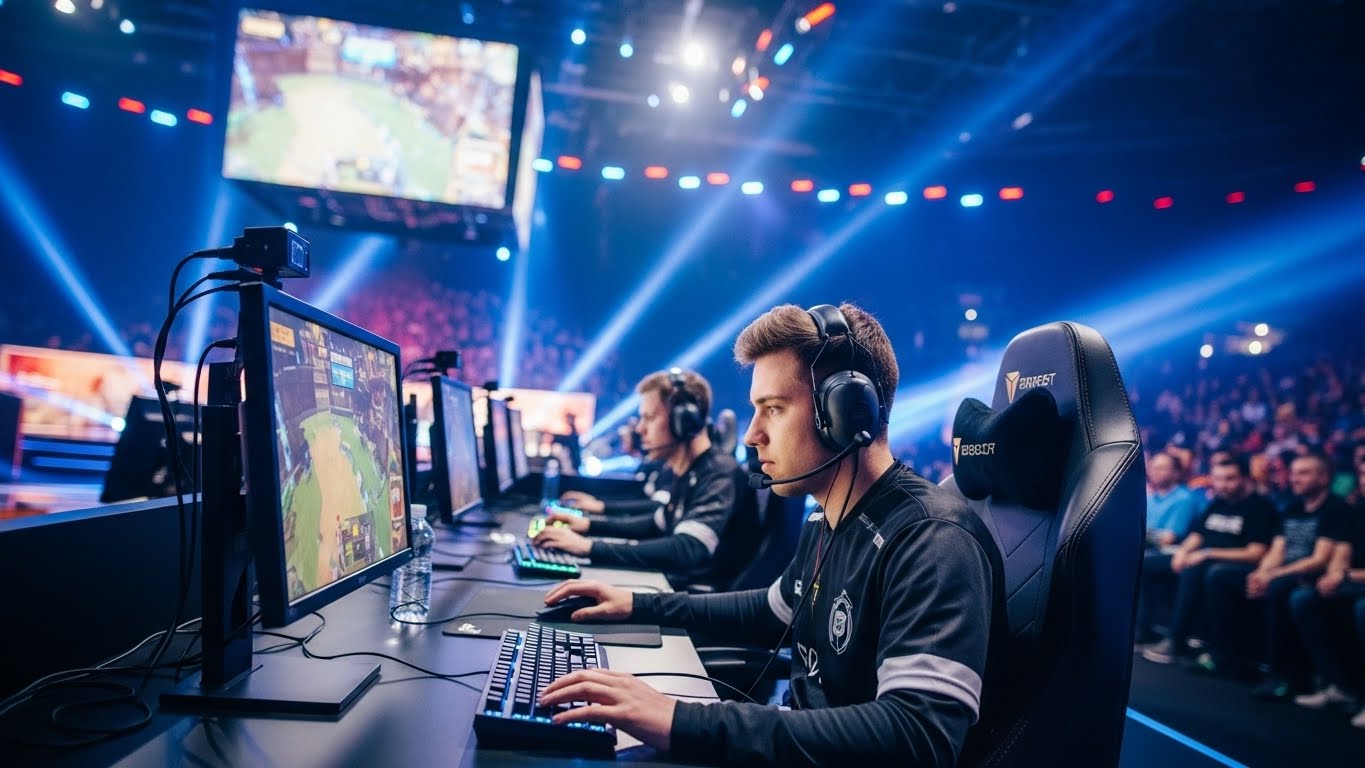
In 2023, esports has become a fully professionalized industry. Major esports organizations like Team Liquid, Cloud9, FaZe Clan, and SK Gaming are household names in the gaming world, with competitive players treated like traditional athletes. Esports players have managers, coaches, analysts, and even mental health professionals to ensure they stay at the top of their game.
Esports tournaments now boast multi-million-dollar prize pools, with some of the biggest events, such as The International for Dota 2 and League of Legends Worlds, attracting prize pools in the tens of millions of dollars. These events are broadcast live in stadiums and online platforms and draw viewers from all over the world. In addition, top esports players can earn sponsorships from major companies like Nike, BMW, Red Bull, and Coca-Cola, who see the value in reaching the large, engaged esports audience.
Esports is also making strides in terms of inclusion and diversity. More women and players from diverse backgrounds are entering the competitive scene, contributing to a more inclusive and representative esports ecosystem. Furthermore, esports is increasingly being recognized by mainstream sports organizations and governing bodies. Various countries and regions are adopting esports as a legitimate career path, with some even offering esports scholarships at universities and academic institutions.
The Impact of Esports on Traditional Sports and Entertainment
Esports has had a profound impact on traditional sports and entertainment industries. As esports events continue to grow in popularity, traditional sports leagues such as the NFL, NBA, and MLS are starting to incorporate esports into their business models. Many sports organizations have partnered with esports leagues to host their own tournaments or sponsor esports events.
Moreover, the success of esports has prompted major television networks to air esports events. Networks like ESPN, TBS, and Fox Sports now air esports competitions, drawing a wider audience and solidifying esports’ place in mainstream media.
Esports has also brought a fresh, digital approach to the entertainment industry. The ability to interact with players, teams, and fans via social media and streaming platforms has changed the way people consume entertainment. Esports has become an ecosystem where fans are more engaged and invested in the success of their favorite players and teams.
The Future of Esports: Expansion and Evolution
Looking ahead, the future of esports is incredibly promising. As technology continues to advance, esports is expected to evolve even further. The rise of virtual reality (VR) and augmented reality (AR) could revolutionize the way people experience competitive gaming, creating fully immersive virtual arenas and offering new ways for players to interact with each other.
Additionally, esports is expected to expand into new regions. Countries like China, South Korea, and the United States have already established themselves as esports hubs, but many emerging markets, particularly in Latin America, Africa, and Southeast Asia, are showing a growing interest in competitive gaming. As internet access improves and mobile gaming continues to gain traction, these regions will likely become significant players in the esports ecosystem.
Esports will continue to push the boundaries of traditional sports. With the potential for esports to be included in the Olympics and other international sporting events, the world will likely see more official recognition and institutional support for competitive gaming. This will help further legitimize esports as a professional career path and increase its global influence.
Conclusion
Esports has come a long way from its humble beginnings as a niche hobby. Today, it is a global phenomenon that spans multiple genres, millions of fans, and numerous professional leagues. The evolution of esports has been driven by technological innovation, changing consumer habits, and the rise of streaming platforms. What was once a small subculture has now transformed into a multibillion-dollar industry that rivals traditional sports in terms of viewership and influence.
The future of esports is incredibly bright, with new technologies, new regions, and new forms of competition on the horizon. As esports continues to grow, it will likely continue to reshape the entertainment landscape, offering opportunities for players, fans, and brands alike. Competitive gaming is no longer just about playing video games—it’s about creating a new form of entertainment, community, and professional achievement that is here to stay.