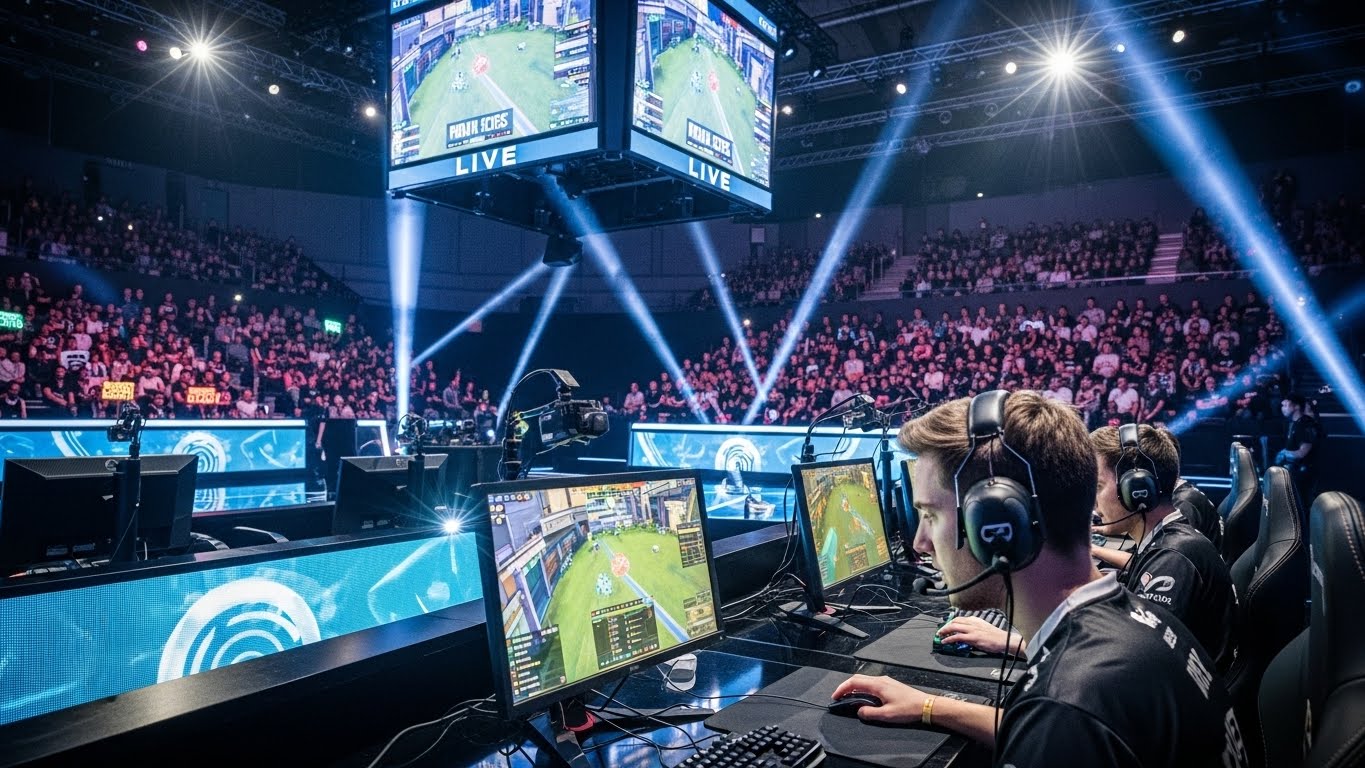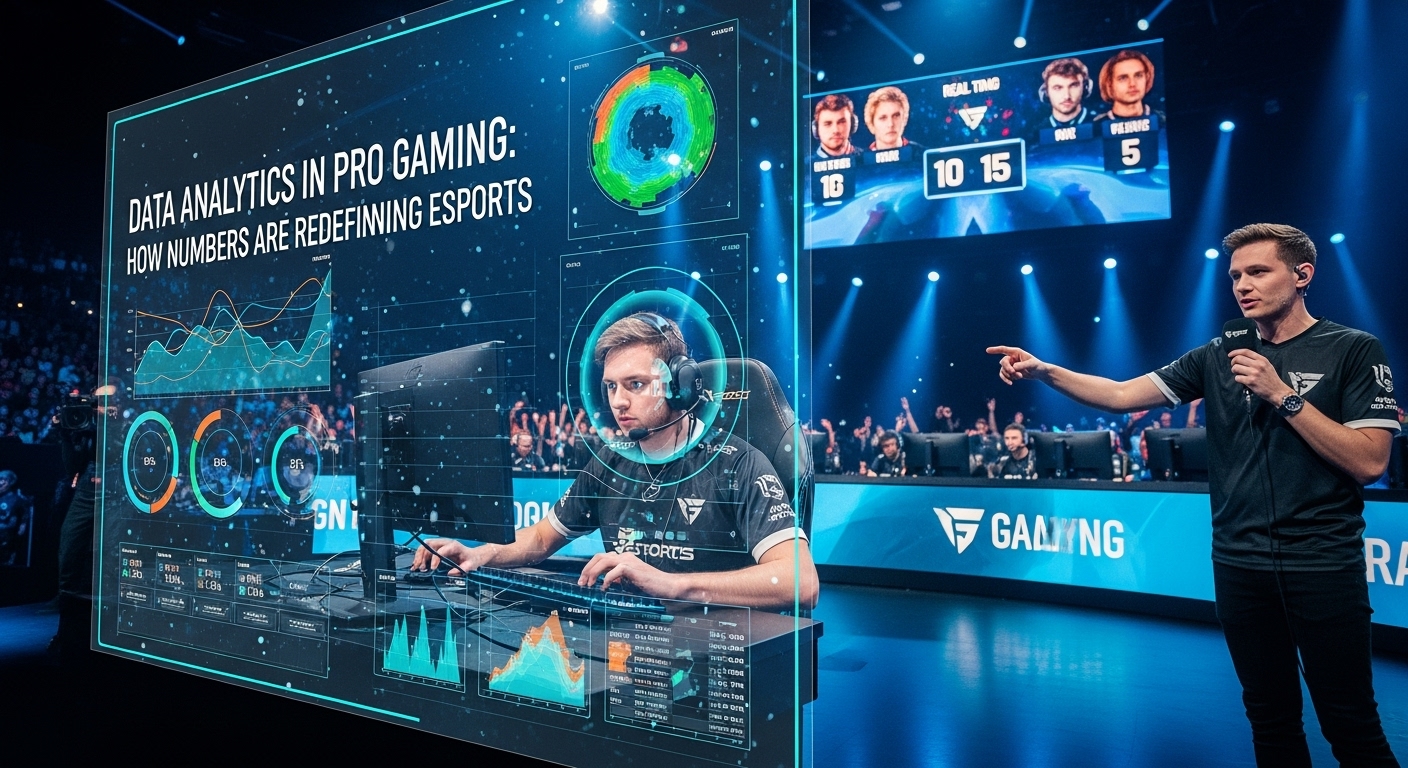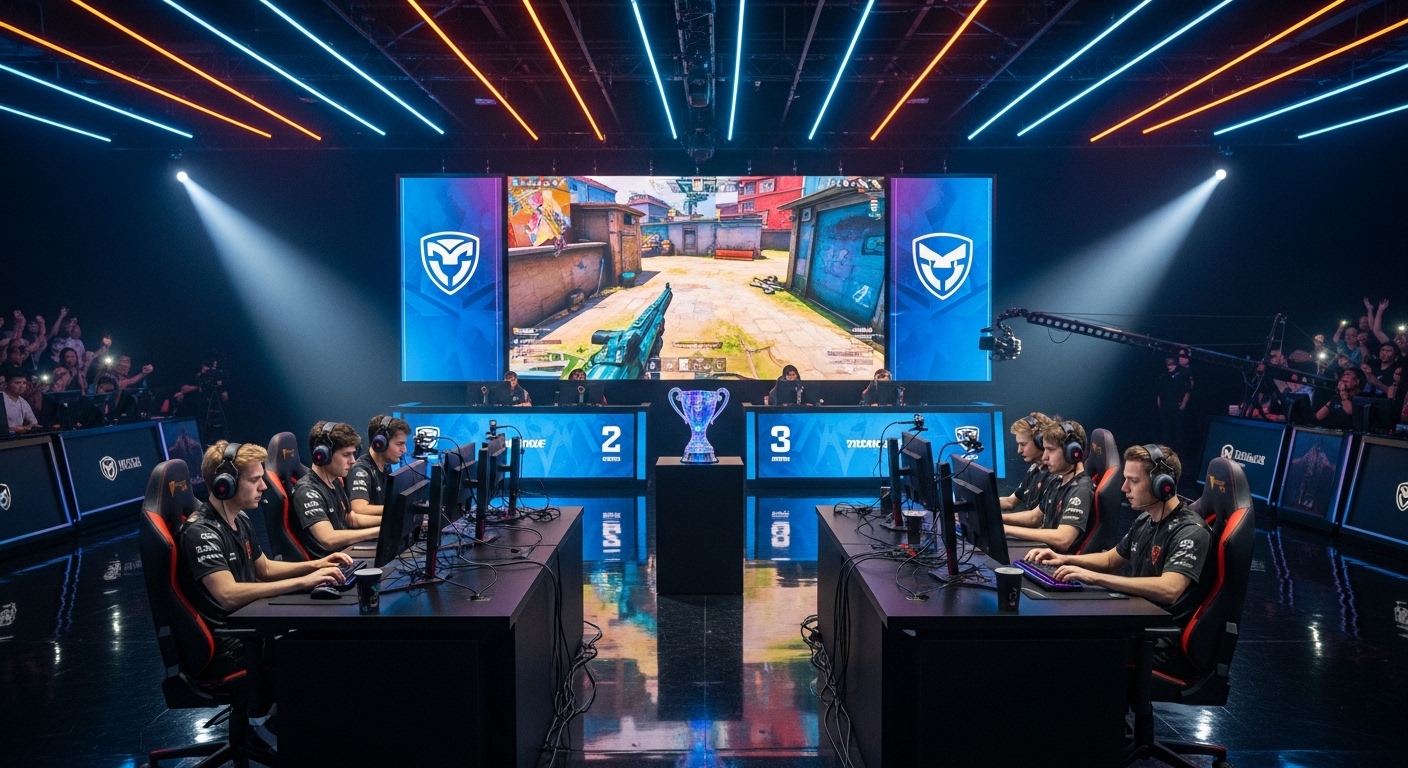





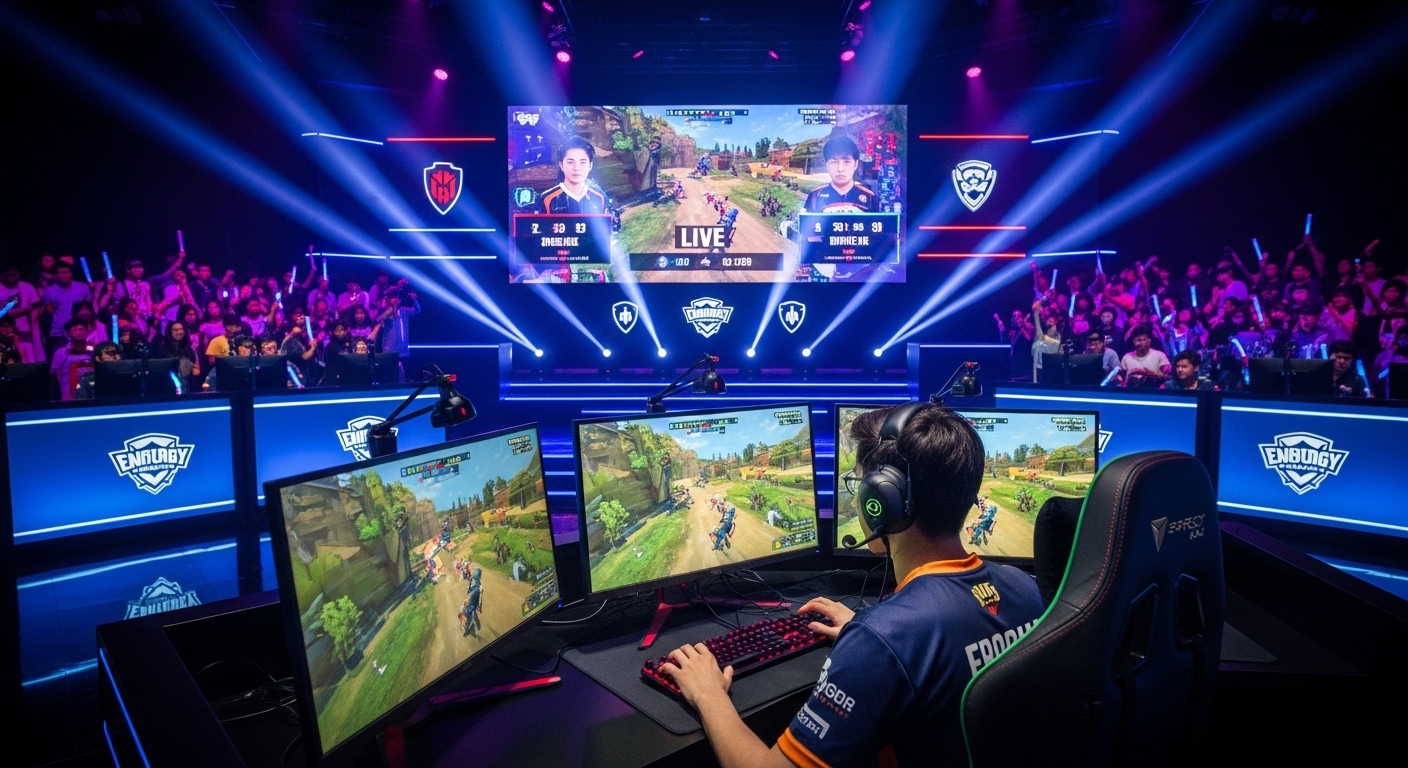
Esports, or electronic sports, has evolved from a niche hobby into a global phenomenon that captivates millions of fans, players, and investors worldwide. Once considered a pastime confined to the basements of passionate gamers, esports is now a multi-billion-dollar industry with professional teams, massive tournaments, and celebrity players. In this blog, we will explore the journey of esports, its cultural significance, the structure of competitive gaming, the economics behind it, the challenges it faces, and its potential future.
Origins of Competitive Gaming
The origins of competitive gaming trace back to the late 1970s and early 1980s, when arcade competitions first started gaining attention. Early games such as Space Invaders and Pac-Man laid the groundwork for gaming competitions. However, it wasn’t until the 1990s, with the advent of multiplayer PC games like Quake, StarCraft, and Counter-Strike, that esports began to take a recognizable form.
In the early days, competitions were often informal gatherings in schools, colleges, and local gaming centers. The rise of LAN (Local Area Network) tournaments allowed players from different locations to compete against each other, creating a sense of community and rivalry. The Korean professional gaming scene, particularly in StarCraft, was instrumental in transforming competitive gaming into a career path for skilled players. South Korea’s dedication to esports, supported by widespread internet accessibility and televised tournaments, set a global standard for the industry.
The Growth of Esports into a Global Phenomenon
The 2000s and 2010s saw esports transition from niche tournaments to international competitions. Games like League of Legends, Dota 2, and Overwatch brought esports to a broader audience through live streaming platforms such as Twitch and YouTube. These platforms allowed fans to watch live gameplay from anywhere in the world, bridging the gap between players and spectators.
One of the defining moments in esports history was the creation of large-scale international tournaments, such as The International for Dota 2 and the League of Legends World Championship. These events featured prize pools in the millions, attracting professional players, investors, and mainstream media attention. Esports became more than just a hobby; it became a viable career option for talented individuals.
Popular Esports Titles and Their Impact
Different games dominate different regions and communities, each contributing uniquely to the esports ecosystem. Multiplayer Online Battle Arenas (MOBAs) like League of Legends and Dota 2 emphasize strategic teamwork, precise coordination, and long-term planning. First-person shooters (FPS) such as Counter-Strike: Global Offensive, Call of Duty, and Valorant test reflexes, accuracy, and tactical awareness. Meanwhile, sports simulations like FIFA and fighting games like Street Fighter and Tekken combine traditional athletic competitiveness with digital skills.
These games not only provide entertainment but also foster communities. Fans form deep attachments to teams, players, and storylines, mirroring traditional sports fandoms. The personalities of pro gamers, their rivalries, and even their controversies generate narratives that keep audiences engaged and invested.
Structure of Esports Competitions
Esports competitions are structured similarly to traditional sports leagues, with professional teams, regular seasons, playoffs, and championships. Many games operate under publisher-run leagues, such as the Overwatch League and League of Legends Championship Series. Other competitions are more tournament-based, allowing for open qualifiers and underdog stories, as seen in Dota 2’s The International.
Teams are composed of professional players who specialize in specific roles, much like traditional sports positions. Coaches, analysts, and support staff are crucial for strategy development and team performance. In addition to team competitions, individual tournaments exist, particularly in fighting games and card-based esports like Hearthstone. These events highlight the personal skill, decision-making, and adaptability of individual players.
The Role of Streaming in Esports
Streaming platforms have revolutionized esports, transforming it into an interactive spectator experience. Twitch, YouTube Gaming, and other streaming services allow fans to watch live gameplay, interact with players through chat, and even influence matches in some cases. This direct engagement builds a unique bond between players and their audience, fostering a sense of community.
Streaming has also provided an alternative revenue stream for players beyond tournament winnings. Professional gamers, content creators, and influencers can earn income through subscriptions, sponsorships, and donations, further professionalizing the esports ecosystem.
Economic Impact of Esports
The economic growth of esports has been staggering. The global esports market has crossed billions of dollars in revenue, driven by sponsorships, advertising, media rights, and merchandise sales. Companies ranging from tech giants to fast-food chains invest heavily in esports, recognizing its ability to engage a young, digitally native audience.
Professional esports players can earn substantial salaries, sometimes rivaling traditional sports athletes. Top players often secure lucrative sponsorships, streaming deals, and merchandise revenue, making esports a financially viable career path. Furthermore, cities and organizations now view esports as an opportunity for economic development, hosting tournaments that attract tourism, media coverage, and corporate investment.
Challenges in Esports
Despite its growth, esports faces several challenges that could impact its long-term sustainability. One major concern is the mental and physical health of players. Long hours of practice, high-pressure environments, and extensive travel can lead to burnout, stress, and physical strain.
Another issue is maintaining competitive integrity. Cheating, match-fixing, and performance-enhancing substances have emerged as threats to fair play. Regulatory bodies are still developing standards to ensure transparency and accountability within the industry.
Esports also faces challenges in achieving broader societal recognition. While millions of fans celebrate esports, some traditional sports enthusiasts and organizations still question whether gaming qualifies as a legitimate sport. Bridging this perception gap is essential for mainstream acceptance and continued growth.
The Cultural Significance of Esports
Esports has transcended mere competition; it has become a cultural phenomenon. Gaming conventions, tournaments, and online communities provide spaces for social interaction, creative expression, and identity formation. Fans often form deep emotional connections with teams and players, echoing traditional sports fandom.
Additionally, esports has democratized competition. Unlike physical sports, esports can be played by individuals regardless of their location, physical ability, or background. This accessibility has empowered diverse communities and fostered global connectivity.
Esports also influences popular culture, inspiring music, fashion, and entertainment. Collaborations between game developers and mainstream brands blur the lines between digital and real-world experiences, solidifying esports’ position as a cultural force.
Women and Diversity in Esports
Historically, esports has been male-dominated, but the landscape is gradually shifting. More women and non-binary players are entering competitive gaming, and initiatives promoting inclusivity are gaining traction. Female-led tournaments, diversity-focused organizations, and representation in professional teams are contributing to a more equitable environment.
Diversity in esports also extends beyond gender. Players from various countries, cultures, and socioeconomic backgrounds compete on the world stage. This global representation enhances the appeal of esports, highlighting its potential to unite people across borders.
Technological Innovations Driving Esports
Technology plays a central role in shaping esports. High-performance hardware, ultra-fast internet connectivity, and advanced software enable smooth gameplay and precise competition. Streaming technology and virtual production tools enhance the spectator experience, making events immersive and interactive.
Emerging technologies like virtual reality and augmented reality have the potential to redefine esports further. Imagine tournaments held entirely in virtual arenas, where spectators can experience matches from multiple perspectives. Artificial intelligence tools also assist players and teams in analyzing strategies, tracking performance, and refining gameplay.
Education and Career Opportunities in Esports
Esports is no longer just about playing games; it encompasses a wide range of career opportunities. Universities and colleges are now offering esports scholarships, degrees, and programs in game design, management, and marketing. These educational initiatives provide pathways for students to pursue professional careers in the industry.
Beyond playing professionally, careers in esports include coaching, broadcasting, event management, content creation, marketing, and game development. The industry’s rapid expansion has created a demand for skilled professionals who understand both gaming and business.
The Future of Esports
The future of esports is promising, with growth expected in audience size, revenue, and mainstream integration. As technology advances, esports will become more immersive, interactive, and accessible. Global tournaments may rival traditional sports events in terms of viewership and production value.
Esports is also likely to expand into new genres, platforms, and regions. Mobile gaming, for instance, has opened competitive opportunities in areas where PC or console gaming is less prevalent. Emerging markets in Asia, Africa, and Latin America offer fertile ground for growth and innovation.
Moreover, esports could play a pivotal role in education, social engagement, and mental development. Gamified learning, strategic thinking, and teamwork skills developed through esports may have broader applications beyond gaming.
Conclusion
Esports has transformed from a casual hobby into a dynamic, global industry that blends competition, entertainment, and culture. Its rise has challenged traditional notions of sports, created new economic opportunities, and fostered diverse communities worldwide. While challenges remain, the potential of esports is immense, promising innovation, inclusivity, and excitement for generations to come.
The journey of esports reflects more than just the evolution of gaming; it is a testament to human creativity, adaptability, and the desire to connect through shared experiences. Whether you are a player, fan, or industry professional, the world of esports offers endless possibilities and continues to redefine what it means to compete in the modern era.