





Introduction: The Evolution of Esports
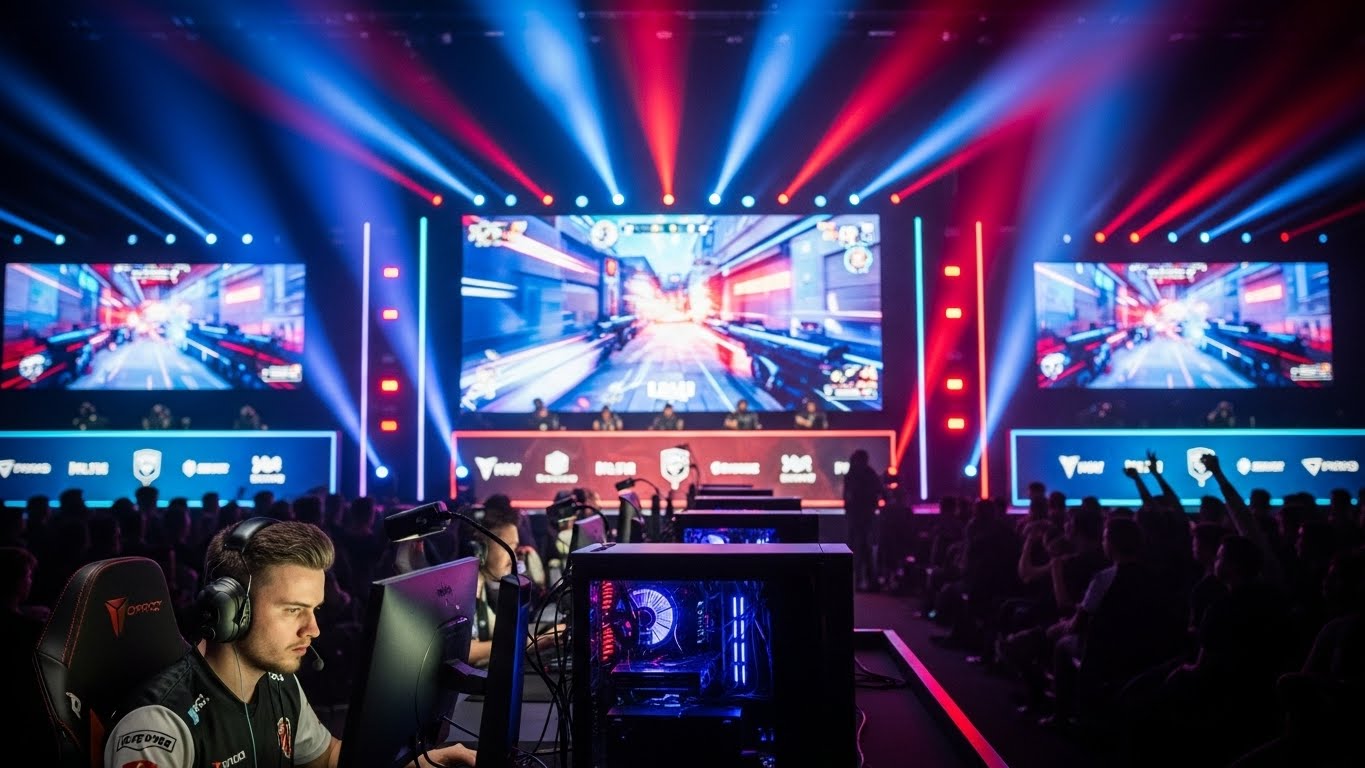
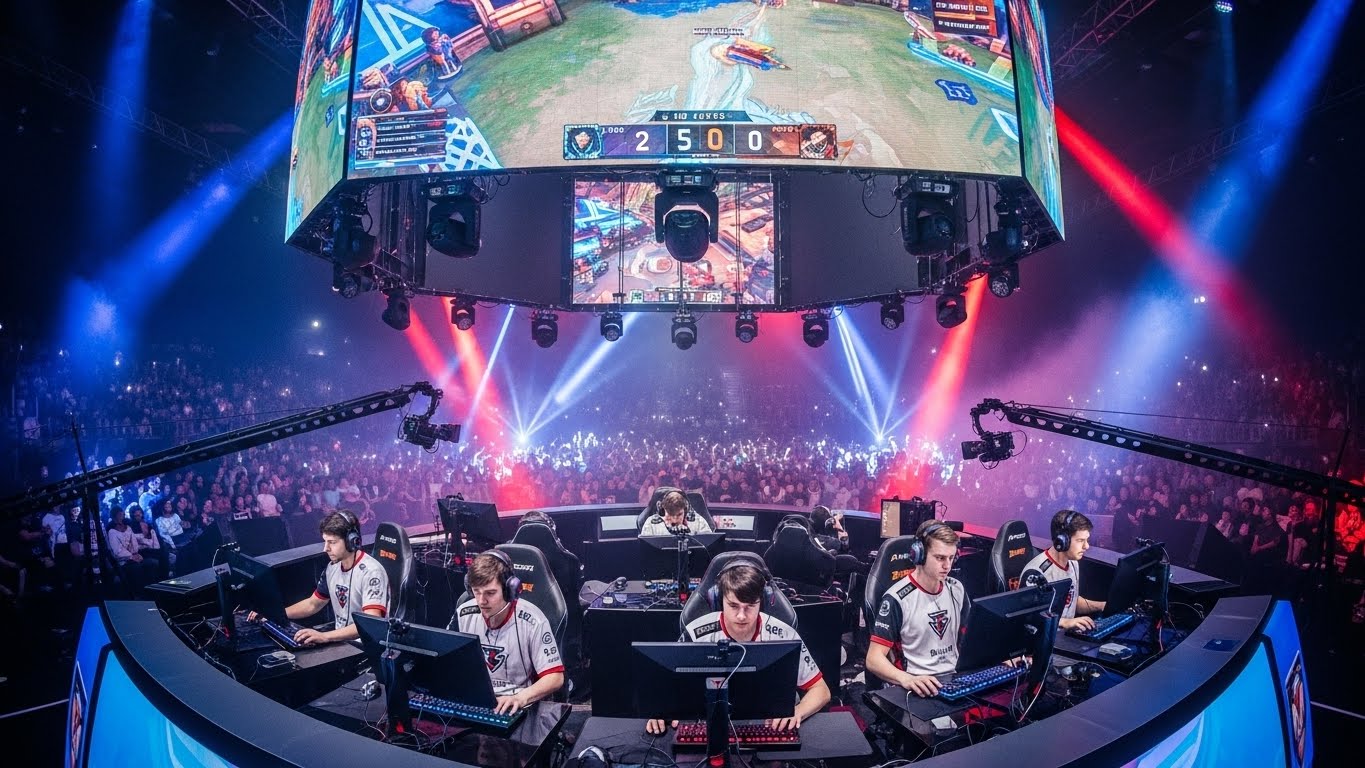
Esports, or electronic sports, refers to competitive gaming where players, often organized in teams, compete against each other in video games. While it may seem like a recent phenomenon, the roots of esports can be traced back to the early 2000s when professional gaming tournaments began to take shape. Fast forward to today, esports is a multi-billion-dollar industry with millions of fans worldwide, transforming from a niche hobby into a global entertainment powerhouse.
Esports now has its own ecosystem, encompassing a wide range of games, professional leagues, tournaments, sponsorships, streaming platforms, and an ever-growing fanbase. But how did esports become such a cultural and financial force? In this blog post, we’ll explore the journey of esports, its impact on gaming culture, its current standing in the entertainment industry, and what the future holds.
The Early Days of Esports: From LAN Parties to Global Tournaments
The history of esports can be traced back to the late 1990s and early 2000s, when gaming enthusiasts began to organize local tournaments and events. These gatherings, often held in someone’s living room or at local LAN (Local Area Network) centers, brought gamers together to compete in multiplayer games like Quake and StarCraft.
As technology improved, more robust internet connections allowed people to compete against one another from different geographical locations. This development was key to the evolution of esports, as it made online competitions more accessible and organized. Games like Warcraft III, Counter-Strike, and League of Legends became pivotal in establishing a competitive gaming scene. Players could now compete online, joining massive tournaments with substantial prize pools and large online audiences.
Tournaments such as The International (Dota 2) and League of Legends World Championship helped elevate esports to a professional level. These events provided the necessary exposure and credibility that the esports scene needed, attracting sponsors, players, and fans alike.
Esports Today: A Multi-Billion Dollar Industry
Fast forward to the present day, and esports has firmly established itself as a major player in the global entertainment industry. With viewership numbers that rival traditional sports, esports has created a new generation of fans who follow players, teams, and tournaments just like they would their favorite football or basketball teams.
According to a 2022 report, esports’ global revenue exceeded $1.5 billion, with projections suggesting that the industry could surpass $2 billion in the coming years. This growth is driven by a combination of factors, including the increasing popularity of online streaming platforms, the rise of mobile gaming, and the growing investment from corporate sponsors.
The Role of Streaming Platforms
One of the driving forces behind the rapid growth of esports has been the rise of streaming platforms like Twitch and YouTube Gaming. These platforms allow gamers to stream their gameplay live to an audience, creating an interactive and engaging experience for fans. Streaming platforms have played a pivotal role in turning casual gamers into professional stars and esports organizations into global brands.
Twitch, for example, has become the go-to destination for esports content, with top players broadcasting their practice sessions, tournament games, and other gaming-related content. These streams can attract thousands to millions of viewers, generating revenue through advertising, subscriptions, and donations.
YouTube Gaming, on the other hand, has grown in popularity due to its integration with the broader YouTube platform, which is home to a massive audience of gamers and general entertainment fans. Many esports tournaments are now streamed live on YouTube, attracting global audiences and increasing the visibility of esports as a whole.
Popular Esports Titles: The Games That Shaped the Industry
A significant factor behind the success of esports is the rise of popular games that have become synonymous with competitive gaming. These titles have not only shaped the landscape of esports but also provided the foundation for professional leagues and tournaments. Let’s take a look at some of the most influential games that have shaped the esports ecosystem:
- League of Legends (LoL) – Launched in 2009 by Riot Games, League of Legends is one of the most played and successful esports titles in history. Its competitive scene features annual tournaments, such as the League of Legends World Championship, which draws millions of viewers each year.
- Dota 2 – Developed by Valve, Dota 2 is another massive esports title, known for its complexity and strategic depth. The International, its premier tournament, is famous for offering some of the largest prize pools in esports history.
- Counter-Strike: Global Offensive (CS:GO) – A tactical first-person shooter, CS:GO has been a mainstay in the esports scene for over a decade. The game’s tactical gameplay, team coordination, and high skill ceiling have made it a favorite for both players and fans.
- Overwatch – Blizzard’s Overwatch brings a unique blend of team-based combat and hero selection, offering a dynamic and fast-paced gameplay experience. Its professional league, the Overwatch League (OWL), has attracted a diverse fan base globally.
- Call of Duty (CoD) – One of the most iconic first-person shooter franchises, Call of Duty has been a key player in the esports world for years. With its fast-paced action and ever-evolving maps and mechanics, Call of Duty continues to hold a strong position in competitive gaming.
- Fortnite – Although not traditionally considered an esports title, the battle royale game Fortnite has hosted several high-profile tournaments with large cash prizes, attracting both casual and competitive players alike.
These games have not only built vibrant player communities but have also led to the creation of dedicated professional leagues, tournaments, and sponsorship opportunities, making them cornerstones of the esports industry.
Esports and Traditional Sports: A Symbiotic Relationship
As esports has gained popularity, it has drawn comparisons with traditional sports like football, basketball, and soccer. While there are obvious differences in the physical nature of these activities, esports shares many parallels with traditional sports, especially in terms of its competitive format and audience engagement.
One of the most significant ways esports has mirrored traditional sports is through the formation of professional leagues. Games like Overwatch, League of Legends, and Call of Duty now have dedicated leagues that operate much like traditional sports leagues, complete with franchising, team ownership, and regular season matches. Teams compete for championships, with players gaining fame and sponsorship deals in much the same way professional athletes do.
The financial impact of esports is also significant, with major brands like Coca-Cola, Intel, and Nike investing heavily in the esports ecosystem. Sponsorship deals, advertising revenue, merchandise sales, and media rights have made esports a highly lucrative business, attracting attention from investors and companies that traditionally have focused on traditional sports.
The Impact of Esports on Gaming Culture
Esports has fundamentally transformed gaming culture. What was once a pastime enjoyed by a small group of enthusiasts has now become a global spectacle. The rise of esports has influenced everything from gaming technology to how games are developed. The demand for high-quality games and immersive competitive experiences has pushed developers to innovate and create games that cater to both casual players and competitive gamers.
Esports has also changed how gamers view their role in the gaming community. Many players now aspire to be professional gamers, creating a new career path that didn’t exist a decade ago. The growing number of esports universities and gaming academies is further solidifying the notion that esports can be a legitimate career for talented players.
In addition, esports has helped foster the development of a vibrant global gaming community. It has connected players from different cultures and backgrounds, giving rise to online communities, fan interactions, and international tournaments that bring people together.
The Future of Esports: Where Is It Heading?
As esports continues to grow, the question on everyone’s mind is: where is it headed? The future of esports looks incredibly promising, with several key trends and developments on the horizon.
- Increased Mainstream Adoption – As esports gains more traction, it is likely to become even more mainstream. Traditional sports networks like ESPN are already broadcasting major esports tournaments, and more esports events are being incorporated into large-scale entertainment shows.
- Mobile Gaming – Mobile esports is on the rise, with titles like PUBG Mobile and Clash Royale gaining massive popularity in competitive gaming. As smartphone technology continues to improve, mobile gaming is expected to play an even more significant role in the esports ecosystem.
- Virtual Reality (VR) and Augmented Reality (AR) – VR and AR technologies have the potential to revolutionize the esports industry by offering fully immersive, next-generation gaming experiences. These technologies could change the way players interact with the game world, enhancing both the competitive experience and spectator enjoyment.
- Diversity and Inclusion – The esports community has seen increasing efforts to promote diversity and inclusion. With more female players, diverse teams, and outreach programs, esports is striving to become an even more inclusive space for gamers of all backgrounds.
Conclusion: Esports as the Future of Entertainment
Esports is no longer just a trend. It has evolved into a global industry with its own ecosystem, massive audiences, and significant economic impact. From humble beginnings in local LAN parties to being broadcast on global platforms, esports has become a mainstay of modern entertainment.
As technology continues to advance and the audience for competitive gaming grows, it is clear that esports is here to stay. Whether you’re a casual gamer or a dedicated esports fan, the future of esports looks incredibly exciting. With more investment, innovation, and global expansion on the horizon, esports is poised to become a central pillar of the entertainment industry for years to come.