





Introduction
Esports, short for electronic sports, has transformed from a niche hobby into one of the world’s fastest-growing entertainment industries. What began as small competitions among friends has evolved into massive tournaments featuring professional players, global organizations, and millions of fans. Esports blends skill, strategy, teamwork, and entertainment, creating a digital battleground where players compete for prestige, recognition, and significant prizes.
Today, esports is more than just gaming. It is a sophisticated ecosystem involving professional teams, coaches, analysts, commentators, event organizers, brands, and passionate communities. This blog explores the evolution of esports, its cultural impact, the structure of competitive gaming, emerging trends, challenges, and the future of this dynamic industry.
The Early Days of Competitive Gaming
The origins of esports date back to the 1970s and 1980s when early video game competitions began appearing in arcades and college campuses. Games like Space Invaders and Pac-Man attracted enthusiastic players eager to test their skills. These early tournaments were small and informal, but they laid the foundation for the competitive gaming culture.
The 1990s marked a major turning point. With the rise of the internet and multiplayer PC games, players could now compete beyond their local arcades. Titles like Quake, StarCraft, and Counter-Strike introduced fast-paced, skill-based gameplay that encouraged professional-level competition. Small tournaments began offering cash prizes, drawing talented players who wanted to take gaming to a new level.
The Expansion of Professional Esports
As online gaming grew, so did the structure and professionalism of esports. The introduction of organized leagues, international tournaments, and dedicated gaming arenas helped legitimize esports in the eyes of the public. Enthusiastic fans began following their favorite teams and players, just as they would in traditional sports.
Professional teams formed across the world, each with coaches, analysts, and support staff to guide players. Training became more intense, with players dedicating hours each day to improving their skills, studying strategies, and analyzing opponents. The competitive scene expanded across genres such as strategy, shooting, sports simulation, fighting, and battle royale games.
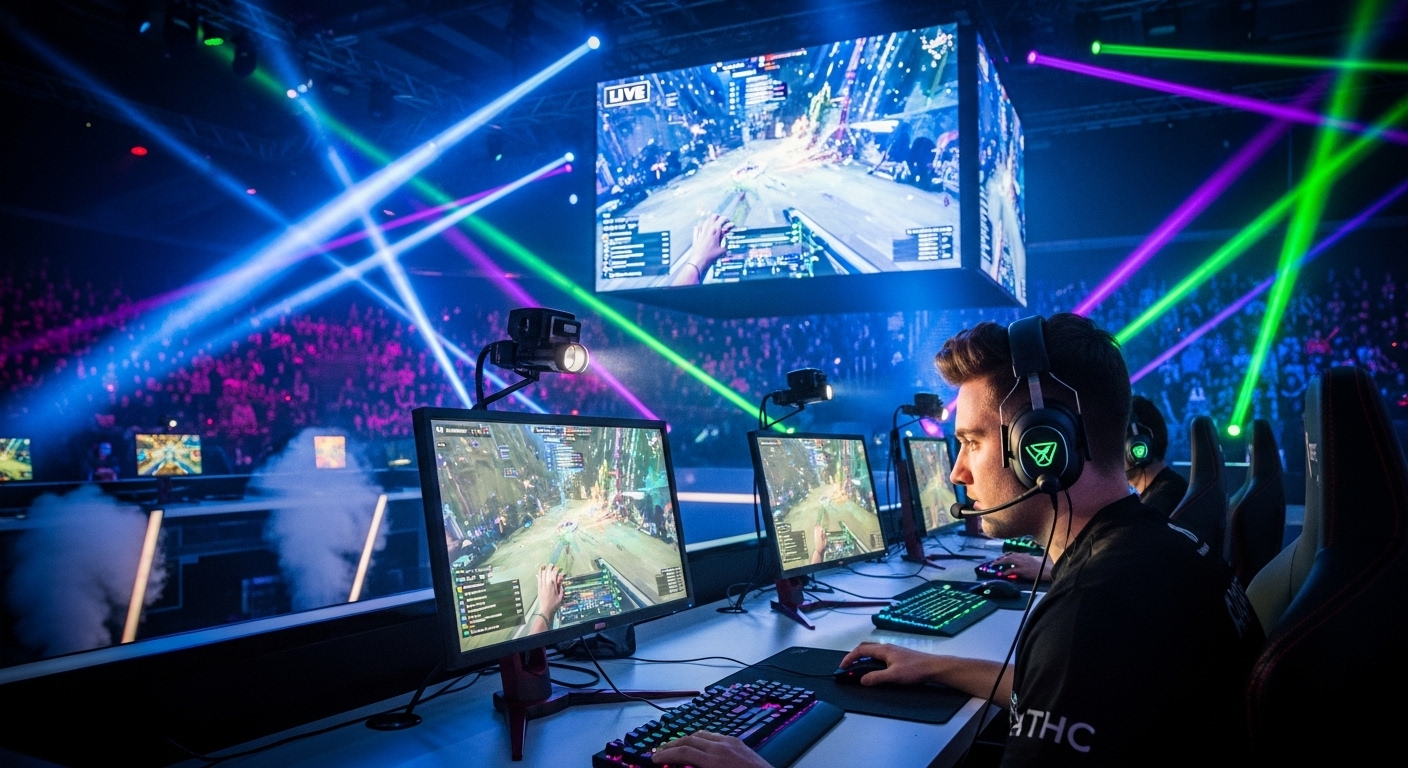
Esports events started filling large stadiums and arenas, with thousands attending in person and millions watching online. The growth was no longer limited to specific countries; it became a global phenomenon.
The Structure of the Esports Ecosystem
The esports ecosystem is highly complex, involving various roles and sectors that contribute to the industry’s success.
Professional Teams and Players
Professional teams recruit highly skilled players who compete in regional and global tournaments. These players often specialize in specific roles within their games, such as support, tank, sniper, or strategist. Top players earn salaries, sponsorships, and prize winnings, similar to traditional athletes.
Coaches and Analysts
Behind every successful team are coaches and analysts who study gameplay, develop strategies, and help players improve. Analysts break down opponent strategies, identify weaknesses, and provide insights that guide training sessions.
Tournament Organizers
Esports tournaments are organized by companies and gaming publishers. These organizers manage event logistics, rules, brackets, and prize pools. Their role is critical in maintaining fair and competitive environments where players showcase their skills.
Broadcasters and Commentators
Commentators, often called casters, bring excitement to esports events by providing play-by-play analysis, storytelling, and game insights. Broadcasters help viewers understand the complexity of the game and make matches more engaging.
Fans and Communities
No esports industry can thrive without its fans. Communities across social media, forums, and gaming platforms actively support their favorite players, discuss strategies, and create content. Fans contribute significantly to the culture and popularity of esports.
Popular Esports Titles
Esports spans multiple game genres, each offering unique gameplay styles and competitive formats.
Multiplayer Online Battle Arena Games
Games such as Dota and League of Legends are global giants in the esports world. These games require teamwork, strategy, and fast decision-making. Professional matches attract millions of viewers due to their high-intensity gameplay and dramatic outcomes.
First-Person Shooters
First-person shooters emphasize accuracy, reflexes, and tactical coordination. Games like Counter-Strike and Valorant offer competitive formats where teams compete to dominate maps and eliminate opponents.
Battle Royale Games
Battle royale titles combine survival, exploration, and combat. Games in this genre involve large groups of players fighting to be the last one standing. Their unpredictable gameplay and fast-paced action make them exciting esports contenders.
Sports Simulation Games
Sports titles replicate real-world athletics. Games inspired by basketball, football, or soccer offer competitive formats where players demonstrate skill, reflexes, and sports strategy in virtual environments.
Fighting Games
Fighting games feature one-on-one battles that emphasize timing, combo execution, and character strategy. They are popular for their fast action and intense matchups.
The Cultural Impact of Esports
Esports has significantly influenced global culture, expanding beyond gaming into entertainment, education, and lifestyle.
Mainstream Recognition
Esports is now recognized as a legitimate form of competition. Many universities offer scholarships for esports players, acknowledging their discipline, mental skills, and strategic thinking.
Traditional sports organizations have also entered the esports space, purchasing teams or forming partnerships as they recognize the massive potential of the industry.
Community Building
Esports creates strong, passionate communities. Fans come together to celebrate victories, discuss matches, and support their idols. Online platforms provide spaces where players and fans interact, forming friendships that transcend geographical boundaries.
Youth Engagement
Young people are increasingly drawn to esports as both entertainment and career aspiration. The industry’s accessibility allows anyone with talent, dedication, and discipline to pursue competitive gaming.
The Business of Esports
Esports has become a lucrative industry with multiple revenue streams.
Prize Pools
Major tournaments offer significant prize pools, rewarding top performers and driving competition. As esports grows, prize amounts continue to increase, attracting global talent.
Sponsorships and Endorsements
Brands from technology, fashion, food, and lifestyle sectors partner with esports teams and players. Sponsorships help support players financially while giving brands access to large, engaged audiences.
Media Rights and Broadcasting
Broadcasting rights for esports tournaments generate significant revenue. Esports events attract massive viewership, making them valuable for digital and television broadcasters.
Merchandise and Products
Teams and organizations sell merchandise such as jerseys, accessories, and collectibles. Fans proudly support their favorite teams through these products, contributing to the industry’s financial ecosystem.
Emerging Trends in Esports
The esports industry continues to evolve with new trends and innovations shaping its future.
Mobile Esports
Mobile gaming is rapidly growing, especially in regions where smartphones are more accessible than gaming consoles or PCs. Mobile competitions attract millions of players and viewers, making it one of the fastest-growing segments in esports.
Virtual Reality
Virtual reality introduces immersive competitive experiences where players physically interact with the game environment. As VR technology improves, more VR tournaments and competitive formats will emerge.
Cross-Platform Play
Cross-platform gaming allows players on different devices to compete together, expanding participation and making esports more inclusive.
Professional Training Facilities
Esports teams now invest in advanced training facilities, complete with nutritionists, psychologists, and fitness programs. This mirrors the structure of traditional sports teams and reflects the industry’s growing professionalism.
Challenges Facing the Esports Industry
As esports rises in popularity, the industry faces several challenges.
Player Wellbeing
Professional players often practice for long hours, leading to mental and physical strain. Ensuring player health through balanced schedules, support systems, and wellness programs is essential.
Fair Play and Regulation
Maintaining fairness is critical in esports. Issues such as cheating, hacking, and rule violations must be addressed through stronger regulations and monitoring systems.
Sustainability
Some teams struggle with financial stability, especially smaller organizations. Building sustainable revenue models is necessary for long-term growth.
Audience Fragmentation
With so many games and platforms, audiences can be fragmented. Creating unified systems while respecting diverse communities is an ongoing challenge.
The Future of Esports
The future of esports looks incredibly promising. Continued technological innovation, increasing global participation, and growing investment will drive expansion. Esports will become more integrated with mainstream entertainment, education, and traditional sports.
Virtual and augmented reality will create new competitive formats. Training programs and professional guidelines will ensure sustainable careers for players. Global tournaments will continue to grow, attracting fans from every corner of the world.
Esports is not just a trend; it is a movement that is reshaping entertainment and competition for generations to come.
Conclusion
Esports has risen from small gaming gatherings to a global powerhouse in entertainment and competitive culture. Powered by passionate players, advanced technology, and worldwide communities, the industry continues to evolve at an astonishing pace. Esports blends skill, strategy, creativity, and teamwork, making it a compelling and dynamic field.
With increasing recognition, investment, and innovation, esports has secured its place as a key player in the future of global entertainment. What was once considered a pastime is now a professional, respected, and influential industry that continues to inspire millions across the world.