




Introduction: From Basement Battles to Global Arenas
In the past two decades, the landscape of competitive entertainment has undergone a dramatic transformation. What was once considered a niche hobby—players gathering in basements to challenge each other in video games—has evolved into a billion-dollar industry known as esports. Competitive gaming now attracts millions of fans worldwide, with professional players earning substantial salaries and tournaments filling massive stadiums. The rise of esports reflects a broader shift in how people engage with technology, entertainment, and sports culture, merging the digital and physical worlds in unprecedented ways.
Esports is not just about playing video games; it represents a new cultural and economic frontier. It blurs the line between traditional sports and digital competition, creating opportunities for players, fans, brands, and developers alike. This blog explores the factors behind the meteoric rise of esports, its impact on society, the economics driving it, and its future trajectory.
The History of Esports: From Arcades to Online Arenas
The origins of esports can be traced back to the early 1980s, when arcade games like Space Invaders and Pac-Man inspired local competitions. However, it was the 1990s that truly laid the foundation for organized competitive gaming. Titles like Street Fighter II and Warcraft provided a platform for players to test their skills against each other, often in regional tournaments. The emergence of the internet in the late 1990s accelerated the growth of competitive gaming, allowing players from different countries to compete online.
By the early 2000s, esports began to gain recognition as a legitimate form of competition. Games such as Counter-Strike and StarCraft attracted professional players and dedicated fan bases. South Korea emerged as a global hub for esports during this period, with professional leagues and televised matches creating a model that many countries would later adopt. This early history set the stage for esports to evolve into the global industry we see today.
The Games That Shaped the Industry
Certain games have played pivotal roles in transforming esports into a mainstream phenomenon. Multiplayer online battle arenas (MOBAs) like League of Legends and Dota 2 revolutionized competitive gaming by combining strategy, teamwork, and real-time action. First-person shooters such as Counter-Strike: Global Offensive and Call of Duty showcased precision, reflexes, and individual skill. Battle royale games like Fortnite and PUBG introduced large-scale competitions and dynamic gameplay, attracting massive audiences.
These games are not just popular for their mechanics; they also foster communities. Fans create content, discuss strategies, and follow their favorite teams with the same passion traditionally reserved for conventional sports. The games themselves have become cultural touchstones, influencing fashion, music, and entertainment.
Professionalization of Players
One of the defining features of modern esports is the professionalization of players. Unlike casual gamers, professional esports athletes undergo rigorous training regimens, sometimes exceeding eight hours a day. They work with coaches, analysts, nutritionists, and even sports psychologists to maintain peak performance. Competitive gaming demands a high level of strategic thinking, reflexes, and mental endurance, making it comparable to traditional sports in terms of skill and preparation.
Professional players are signed by esports organizations, earning salaries and sponsorships while competing in tournaments worldwide. Stars of the industry enjoy fame similar to athletes in football, basketball, or tennis, with fan followings spanning continents. This professionalization has helped esports gain credibility, attracting investment and recognition from mainstream media.
Esports Tournaments: The Spectacle of Competition
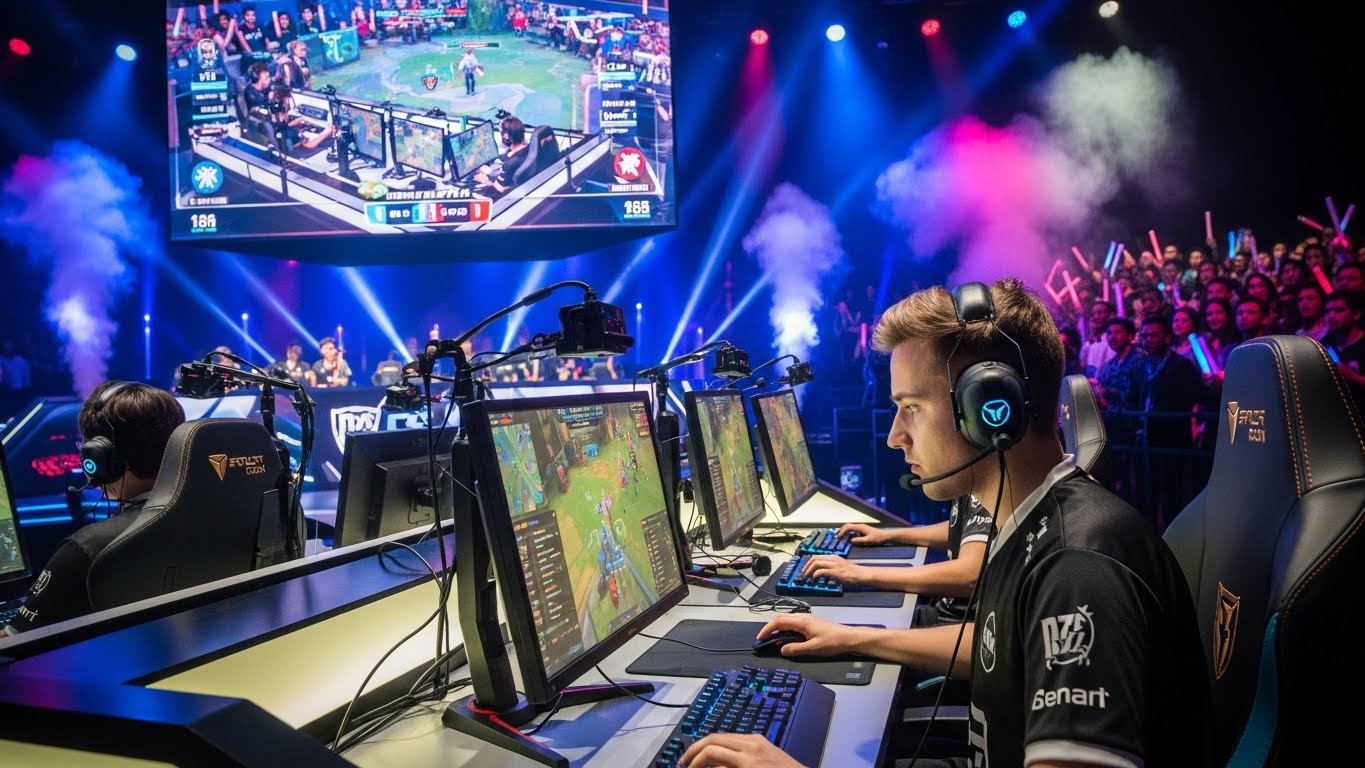
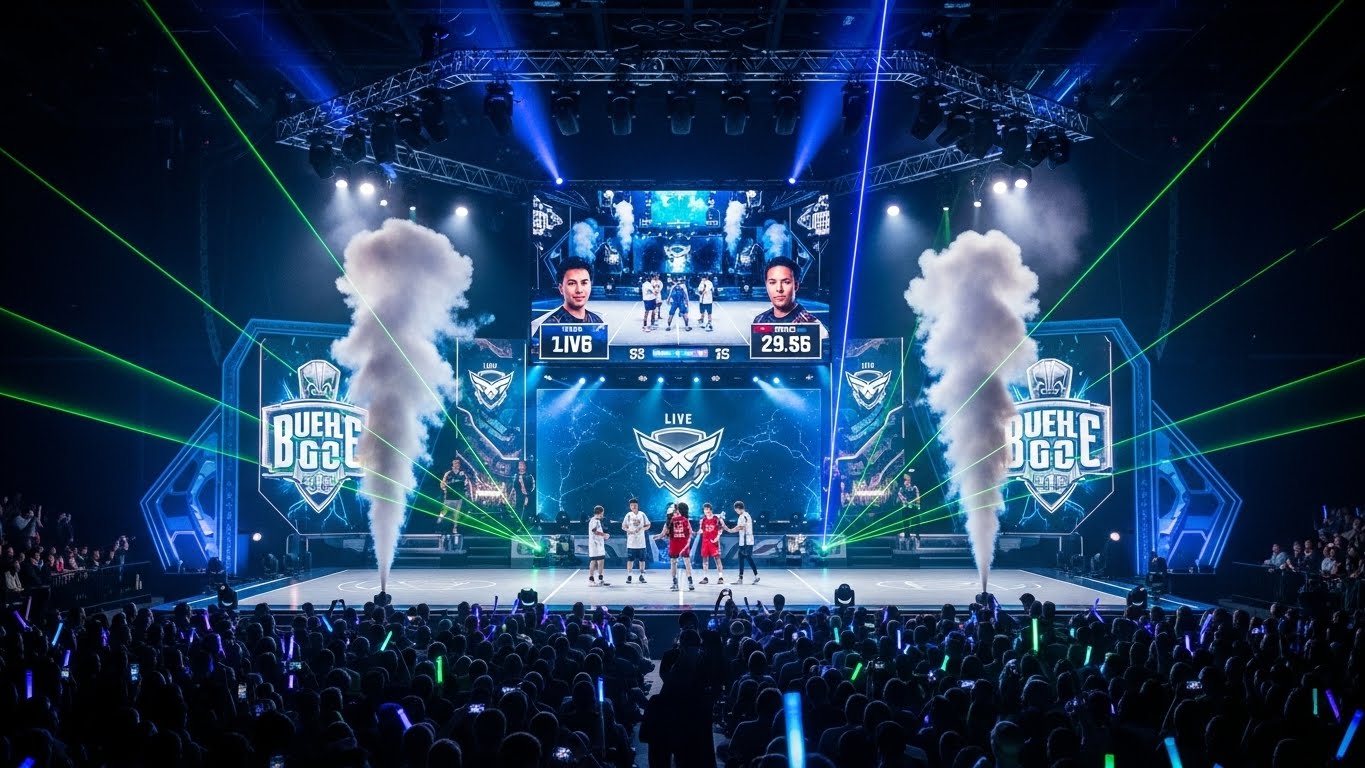
Esports tournaments have evolved into large-scale spectacles that rival traditional sports events. Major competitions such as The International, League of Legends World Championship, and CS:GO Major Championships offer prize pools in the millions of dollars. These tournaments attract thousands of in-person attendees and millions of online viewers, creating an electric atmosphere comparable to stadium sports.
The production value of esports events is also noteworthy. High-definition broadcasts, professional commentary, and elaborate stage designs enhance the viewing experience, making it accessible and entertaining for casual fans and hardcore enthusiasts alike. This shift from small-scale competitions to global events has helped esports secure its place in mainstream culture.
The Role of Streaming and Online Platforms
The growth of esports is closely tied to streaming platforms such as Twitch, YouTube Gaming, and Facebook Gaming. These platforms allow fans to watch live matches, interact with players, and participate in community discussions. Unlike traditional sports, where fans are limited to broadcast schedules, streaming provides instant access to matches worldwide.
Streaming also empowers players to build personal brands. Professional gamers can engage directly with fans through live chat, social media, and content creation. This interaction fosters loyalty, increases viewership, and drives revenue through subscriptions, advertisements, and sponsorships. Streaming has become a crucial driver in transforming esports from a niche hobby into a global industry.
Economic Impact of Esports
The financial ecosystem surrounding esports has grown exponentially. Revenue comes from multiple streams, including tournament prize pools, sponsorship deals, media rights, merchandise, and in-game purchases. Brands across industries, from technology to fashion, see esports as a valuable avenue for reaching younger, tech-savvy audiences.
Esports has also created new career opportunities beyond players. Coaches, analysts, commentators, event organizers, marketers, and content creators contribute to a thriving ecosystem. Educational institutions are even beginning to offer esports programs, providing scholarships and training opportunities for aspiring professionals. The economic impact extends beyond gaming, influencing technology, media, and consumer trends globally.
Cultural Significance of Esports
Esports is more than a competitive activity; it has become a cultural phenomenon. It influences fashion, music, and entertainment, with gaming-inspired merchandise, cosplay, and fan conventions becoming mainstream. Communities form around games, fostering collaboration, creativity, and social interaction.
Esports also challenges traditional notions of sports. It emphasizes skill, strategy, and mental agility rather than physical strength alone. This redefinition of competition has attracted diverse audiences, breaking barriers related to gender, age, and geography. As a result, esports is shaping a new global culture centered on digital interaction and shared experiences.
Challenges Facing the Industry
Despite its rapid growth, esports faces several challenges. One major concern is sustainability. The industry relies heavily on constant engagement and revenue from viewers, which can fluctuate based on game popularity and market trends. Player burnout is another pressing issue, as professional gamers face long hours, high stress, and physical strain from repetitive motions.
Regulatory challenges also exist. Issues like fair play, cheating, and intellectual property rights need ongoing attention. Additionally, esports must navigate societal perceptions that still question its legitimacy as a sport. Overcoming these challenges is crucial for the long-term stability and growth of the industry.
The Future of Esports
The future of esports is incredibly promising. Advances in technology, such as virtual reality and cloud gaming, will redefine how competitions are played and watched. The industry may expand into educational platforms, fitness, and collaborative experiences, further blurring the lines between gaming and everyday life.
Esports will likely become more integrated with mainstream media, including television, music, and live events. Sponsorship and investment will continue to grow, attracting major corporations and entertainment franchises. Furthermore, as esports gains recognition in international sporting events, such as the Asian Games, it may eventually achieve Olympic status, cementing its position in global sports culture.
Conclusion: Esports as a New Era of Competition
Esports has transformed from a casual pastime into a global phenomenon with cultural, economic, and social significance. It offers entertainment, career opportunities, and community engagement on a scale previously unimaginable. The industry reflects the digital age’s potential to redefine traditional concepts of competition, skill, and entertainment.
As esports continues to evolve, it will shape not only the gaming industry but also broader cultural and economic landscapes. From basement battles to world championship arenas, esports demonstrates that digital competition is not just a fleeting trend—it is a new era of human achievement and global connection.