




Introduction: A New Era of Competition
In the past decade, esports has transitioned from a niche hobby to a global phenomenon. What was once considered just casual gaming has now become a serious industry, attracting millions of viewers, professional players, and sponsors worldwide. Esports, short for electronic sports, encompasses competitive video gaming at all levels, from local tournaments to international championships. The rise of esports demonstrates not only the evolution of entertainment but also the transformation of sports and cultural engagement in the digital age. This blog explores the growth of esports, its cultural and economic impact, challenges, and what the future might hold for this rapidly expanding industry.
The Origins of Esports
Esports is not an overnight phenomenon; it has roots stretching back decades. The concept of competitive gaming began with arcade games in the 1970s and 1980s. Games like Pong and Space Invaders laid the foundation for organized competitions. By the 1990s, competitive PC gaming started gaining traction with titles such as Quake, StarCraft, and Counter-Strike. These early tournaments were small-scale events, often held in local gaming centers or through online communities. However, they established a precedent for organized competition and the idea that gaming could be more than just entertainment—it could be a profession.
The Explosion of Popularity
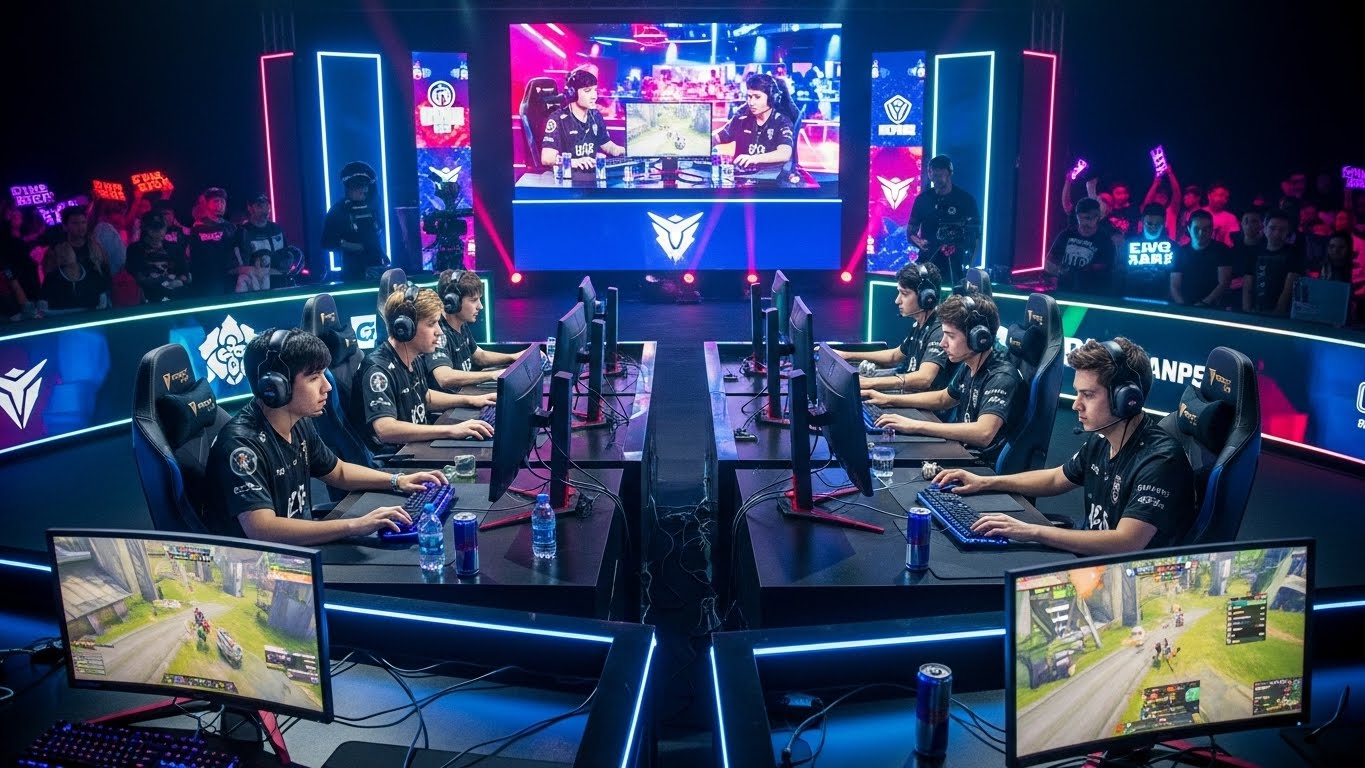
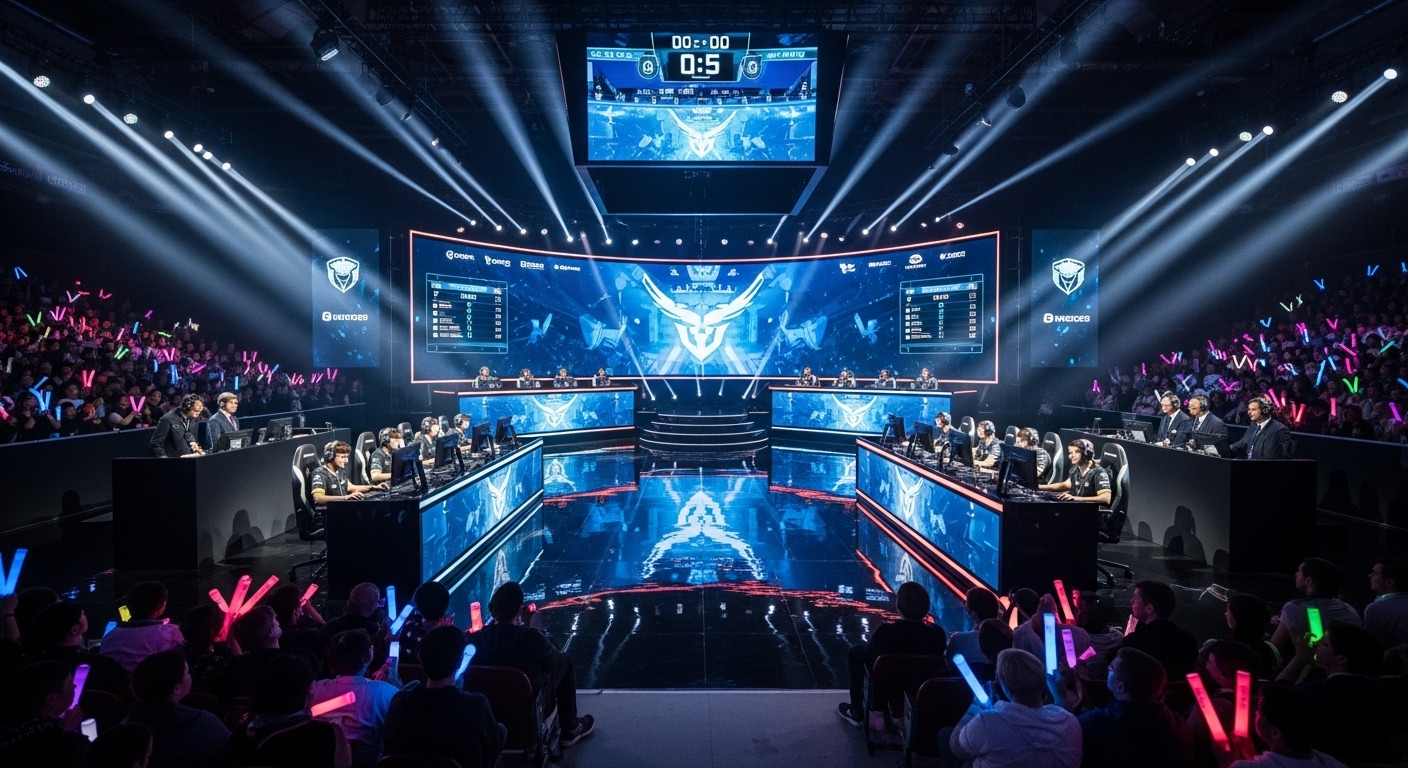
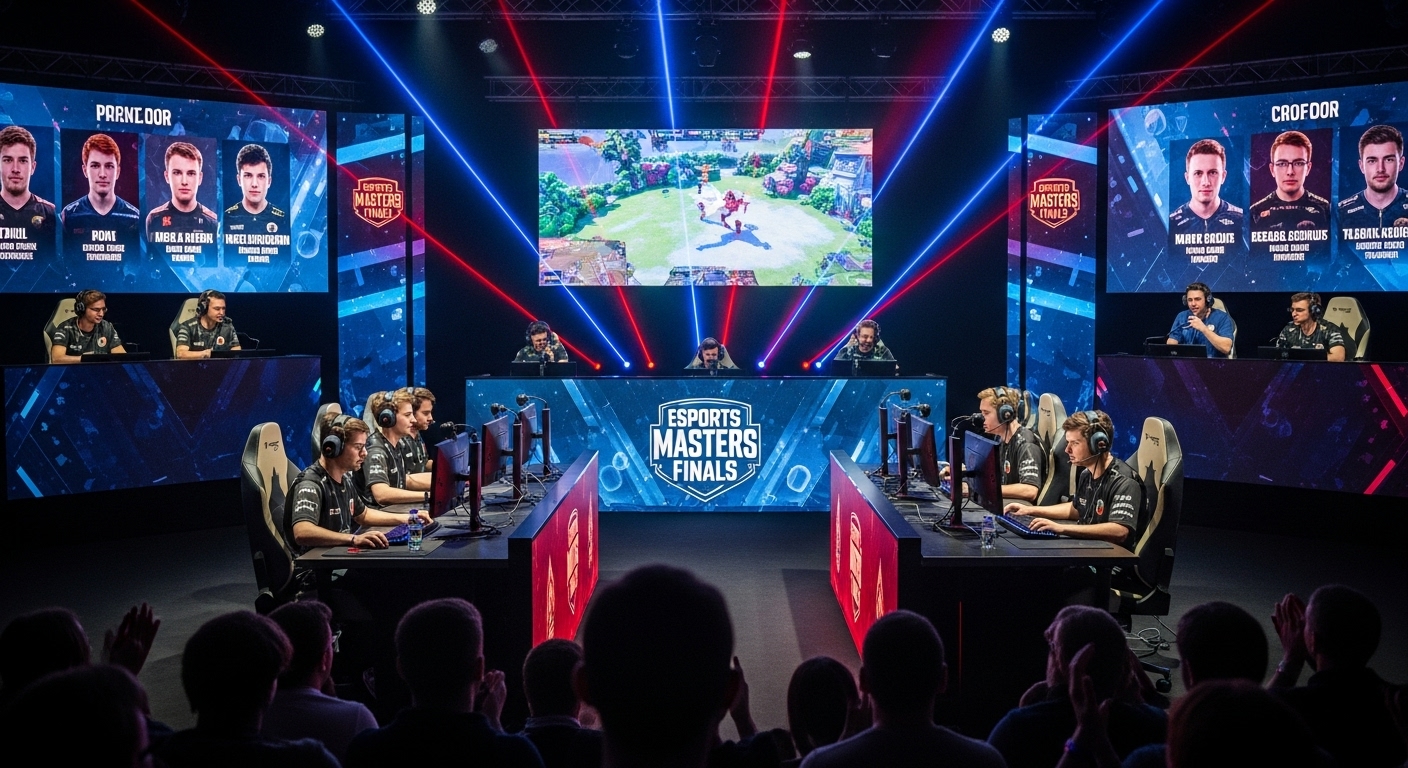
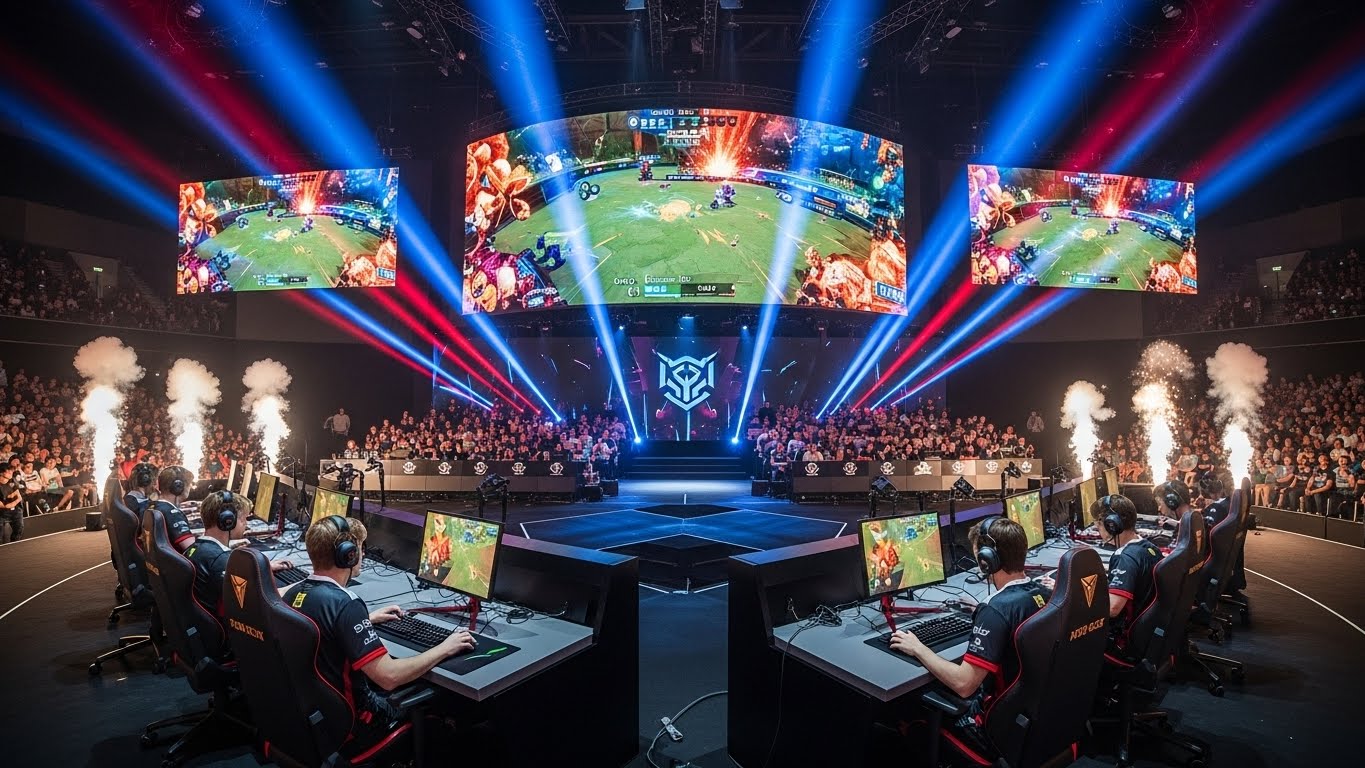
The 2000s and 2010s marked a turning point for esports. The introduction of high-speed internet allowed for online multiplayer gaming, which created opportunities for international competition. Major titles like League of Legends, Dota 2, and Fortnite captured massive audiences, driving esports into the mainstream. Streaming platforms further fueled this growth, making it possible for fans to watch live tournaments from anywhere in the world. Today, esports tournaments fill stadiums, attract millions of online viewers, and offer prize pools that rival traditional sports events. This rapid growth reflects the increasing legitimacy and appeal of competitive gaming.
Economic Impact of Esports
The esports industry has become a multi-billion-dollar business. Revenue comes from several streams, including sponsorships, advertising, ticket sales, merchandise, and media rights. Big-name brands are now investing heavily in esports, recognizing its ability to reach younger audiences. Professional esports teams operate like traditional sports franchises, hiring coaches, analysts, and support staff to ensure peak performance. The financial opportunities extend beyond players; content creators, broadcasters, event organizers, and marketers all benefit from the esports ecosystem. This economic impact illustrates how esports has matured into a sustainable industry with significant global influence.
Cultural Significance
Esports is not just about money—it also plays a vital role in shaping modern culture. Gaming communities have created unique social spaces, both online and offline, where individuals connect, collaborate, and compete. Esports fosters a sense of identity and belonging, especially among younger generations who grew up immersed in digital environments. Beyond social aspects, esports has influenced popular culture, inspiring music, fashion, and media. Celebrities and athletes often engage with esports, further blurring the lines between traditional and digital sports. This cultural relevance is a key reason why esports continues to expand its reach and appeal.
The Role of Technology in Esports
Technology is the backbone of esports. Advances in hardware, software, and internet connectivity have transformed gaming experiences and competition levels. High-performance computers, gaming consoles, and peripherals enable players to perform at peak efficiency. Streaming platforms and video-sharing services allow fans to engage with content in real time. Artificial intelligence and analytics are increasingly being used to improve gameplay strategies and performance evaluation. Virtual reality and augmented reality are also emerging as potential game-changers, promising new ways for players and fans to interact with esports. The synergy between technology and esports ensures continuous growth and innovation within the industry.
Health and Wellness in Competitive Gaming
While esports offers exciting opportunities, it also presents unique challenges, particularly regarding health and wellness. Professional players often spend long hours training, which can lead to physical strain, eye fatigue, and repetitive stress injuries. Mental health is another concern, as intense competition can cause stress, burnout, and performance anxiety. Recognizing these risks, many organizations now emphasize physical exercise, ergonomic setups, and mental health support for their players. Esports is increasingly promoting a holistic approach to performance, combining skill development with physical and mental well-being. This balance is crucial for sustaining a long-term professional gaming career.
Esports Education and Career Opportunities
The growth of esports has also expanded educational and career opportunities. Universities and colleges now offer scholarships, degree programs, and specialized courses in esports management, game design, and competitive strategies. Students can pursue careers as professional players, coaches, event managers, analysts, or content creators. The industry’s diversity of roles ensures that even those who do not play professionally can find rewarding careers within esports. This educational infrastructure reflects the increasing legitimacy and professionalization of esports, positioning it as a viable career path for future generations.
Challenges Facing the Esports Industry
Despite its rapid growth, esports faces several challenges. One major concern is the lack of standardized regulations, which can result in inconsistent rules, cheating, and disputes between teams or organizations. Additionally, there are ongoing debates about player salaries, contract conditions, and long-term career sustainability. Gender diversity and inclusion also remain pressing issues, as female players and underrepresented communities often face barriers to entry and recognition. Furthermore, the reliance on technology and online platforms exposes the industry to cyber threats and technical failures. Addressing these challenges is essential for the continued growth and legitimacy of esports worldwide.
The Global Reach of Esports
Esports is a truly global phenomenon, with thriving communities and competitions across every continent. Asia, particularly South Korea and China, has historically dominated the esports scene, producing legendary players and teams. North America and Europe have also developed competitive leagues and large fan bases. Latin America, the Middle East, and Africa are emerging markets, increasingly investing in infrastructure and talent development. The global nature of esports allows for cultural exchange and fosters international collaboration, turning digital competition into a unifying force that transcends borders.
The Future of Esports
Looking ahead, esports shows no signs of slowing down. Emerging technologies such as virtual reality, augmented reality, and cloud gaming promise to reshape the way people play and watch competitive gaming. Increased mainstream media coverage, sponsorship deals, and integration with traditional sports are likely to enhance its legitimacy further. Esports could also play a more significant role in education, skill development, and entertainment innovation. The future of esports is not just about games—it is about the evolving relationship between technology, competition, and human connection. As the industry matures, it has the potential to redefine the very concept of sports in the digital age.
Conclusion: Esports as a Cultural and Economic Force
Esports is far more than just a passing trend—it is a cultural and economic force that has redefined entertainment, competition, and community engagement. Its rise reflects broader changes in technology, media consumption, and social interaction. From humble beginnings in arcade halls to global arenas with millions of viewers, esports has proven its legitimacy and staying power. As the industry continues to grow, it will shape not only the future of gaming but also the future of sports, education, and global culture. Esports represents a new frontier where passion, skill, and technology converge, offering opportunities and experiences that were once unimaginable. The story of esports is only beginning, and its potential is limitless.