




In recent years, esports has skyrocketed from a niche interest to a global phenomenon. What was once considered a pastime for geeks and tech enthusiasts has transformed into a booming industry, attracting millions of fans, sponsorships from major corporations, and professional athletes with lucrative contracts. The transformation of esports into a legitimate form of competition and entertainment has been remarkable, and its growth shows no signs of slowing down. In this blog post, we explore the journey of esports, its cultural impact, the economic factors driving its success, and what the future holds for this digital sport.
The Early Days: From Arcade Games to Online Competitions
The roots of esports can be traced back to the 1970s and 1980s when arcade games like Pong and Space Invaders captured the attention of gamers. Although these early games did not feature organized competition in the way we think of esports today, they laid the groundwork for the gaming culture that would evolve over the next several decades. The true birth of competitive gaming can be seen in the 1990s when games like Doom and Quake introduced multiplayer modes, allowing players to face off against each other via local area networks (LANs) and, later, the internet.
Esports began to take shape with the advent of professional tournaments. South Korea was one of the earliest adopters of competitive gaming, with the StarCraft series taking the lead in the late 1990s and early 2000s. The rise of StarCraft in South Korea, supported by televised tournaments and sponsorships, marked the beginning of esports as a professional sport. This period also saw the development of the first esports leagues, which provided a structured framework for competitive gaming and paved the way for the esports industry we see today.
The Global Expansion of Esports
The 2000s saw esports shift from being a niche hobby to a more globalized industry. Games like Warcraft III, Counter-Strike, and League of Legends began attracting massive audiences, not just in Korea but across the world. With the rise of streaming platforms like Twitch, gamers could broadcast their gameplay to a global audience, allowing viewers to watch live competitions and tournaments in real time. These platforms opened up new avenues for fans to interact with players and teams, creating an unprecedented sense of community.
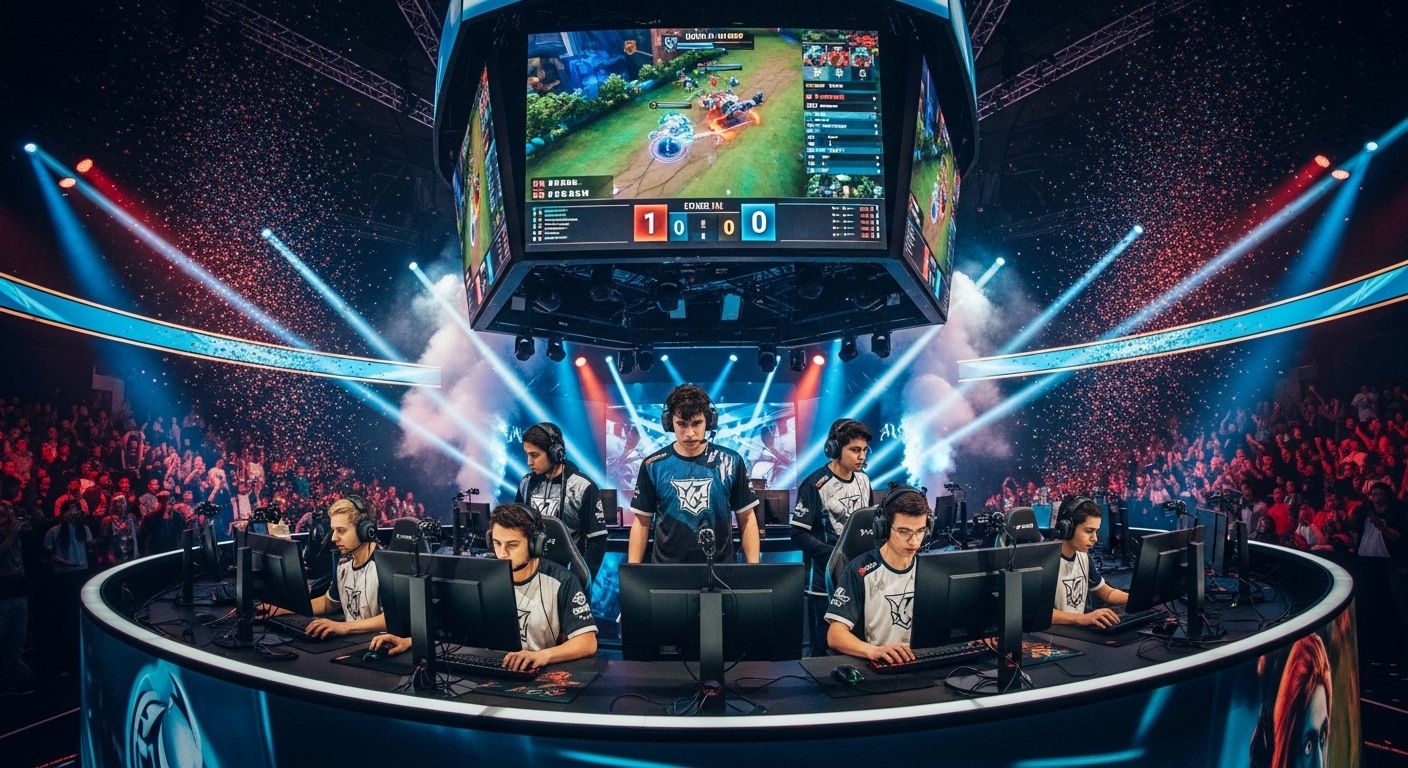
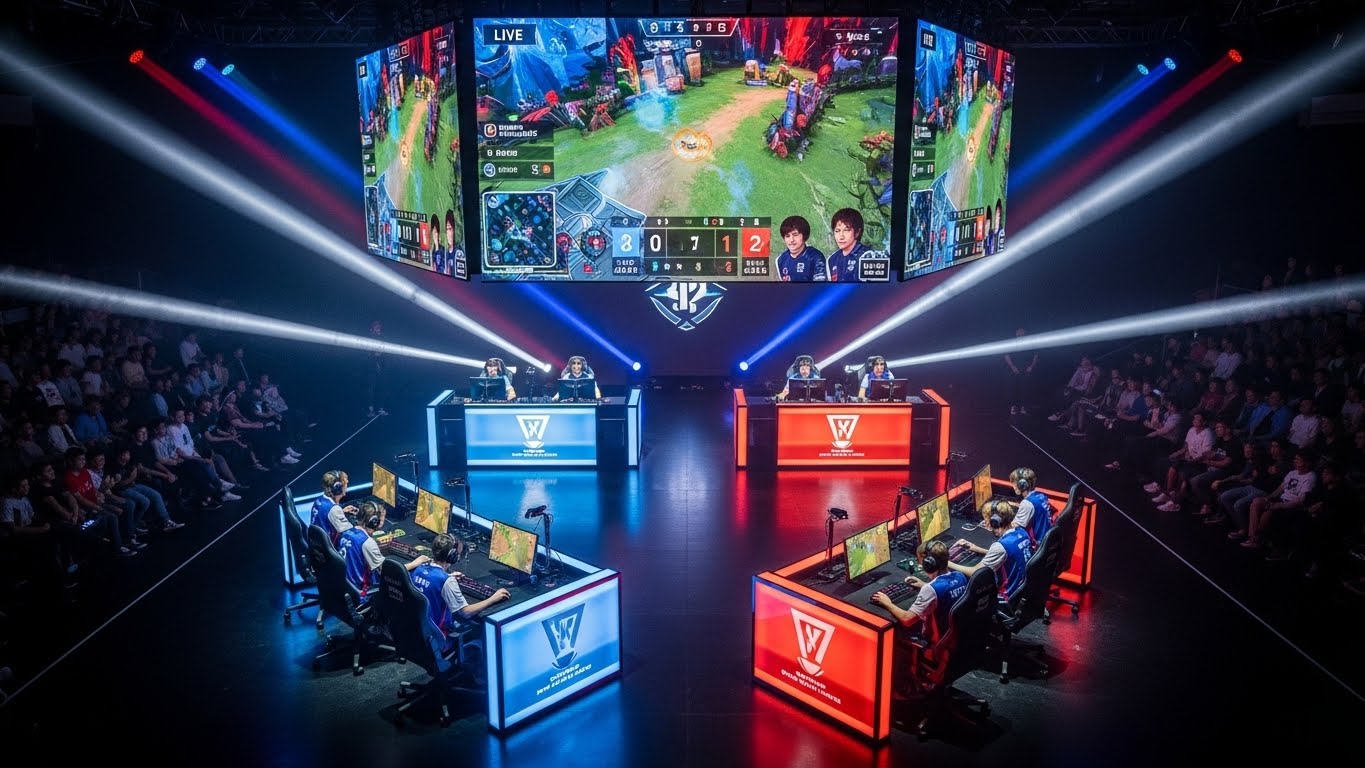
Major tournaments such as The International for Dota 2 and the League of Legends World Championship became annual fixtures, with prize pools reaching into the millions of dollars. These events not only attracted millions of viewers online but also began filling up stadiums. Esports organizations, once small, home-grown entities, now operated like professional sports teams, with multi-million-dollar sponsorships, professional coaching staffs, and elaborate training facilities.
One of the key moments in esports history was the emergence of China as a dominant force in competitive gaming. Chinese players and teams began winning major tournaments, and China quickly became one of the largest markets for esports. The widespread adoption of mobile gaming, especially in Asia, further accelerated the industry’s growth. Mobile esports tournaments, such as those for PUBG Mobile and Free Fire, reached new audiences, making esports accessible to players who didn’t have access to high-end gaming PCs or consoles.
The Business of Esports: More Than Just a Game
Today, esports is a billion-dollar industry, with revenue streams coming from various sources such as sponsorships, advertising, ticket sales, media rights, and merchandise. Brands across all sectors are now eager to partner with esports teams and players to tap into the lucrative gaming demographic, which is made up of millions of young, tech-savvy consumers. The popularity of esports has led to sponsorship deals with some of the biggest companies in the world, including Coca-Cola, Intel, Nike, and Red Bull.
Professional esports players earn salaries similar to those of athletes in traditional sports, and some top-tier players even receive endorsement deals, allowing them to earn even more through brand partnerships. The high-stakes tournaments and leagues provide opportunities for players to win huge cash prizes, with The International for Dota 2 often featuring a prize pool in excess of $30 million.
Beyond the players themselves, esports has created an entire ecosystem of content creators, broadcasters, coaches, analysts, and event organizers. Major streaming platforms like Twitch and YouTube Gaming have made it easier than ever for fans to tune into live events, while also providing players and teams a platform to build their personal brands and grow their fanbases.
Esports’ business model has also diversified beyond traditional gaming. It includes media networks, merchandise, gaming gear, and even esports betting. With millions of fans tuning in to watch their favorite teams compete, the advertising revenue generated by live streams and broadcasts has become a major driver of the industry.
The Cultural Impact of Esports
Esports has become a cultural phenomenon that transcends just being a competitive activity. It has had a profound effect on social dynamics, media, and youth culture. The rise of esports has provided a new form of entertainment that resonates with people in ways that traditional sports often cannot.
Video games are no longer seen as just a form of entertainment; they have become a form of social interaction. Fans gather around their favorite teams and players, discussing strategies, watching live streams, and even attending live events in person. Esports has fostered a global community of like-minded individuals who share a passion for competitive gaming. Social media platforms like Twitter, Instagram, and Discord allow fans to interact with their favorite players, coaches, and casters, creating a sense of closeness and engagement that traditional sports sometimes lack.
Moreover, esports has provided a platform for diverse groups of people, including women and minority groups, to break into what was once considered an exclusively male-dominated space. Tournaments specifically designed to showcase female talent, such as the ESL Female Championship, have given women the opportunity to compete at the highest levels. The inclusivity and diversity of esports, whether in terms of gender, race, or national origin, has become one of its defining features.
Esports is also beginning to influence mainstream pop culture. Game-themed merchandise, esports-inspired clothing lines, and cross-promotions with music artists have all made their mark on the wider entertainment world. Major esports events are now being broadcast on traditional television networks, and sponsorships with global entertainment companies, such as Marvel or Adidas, are becoming increasingly common.
The Challenges Facing Esports
Despite its rapid growth, esports faces several challenges that could impact its future. One of the primary concerns is the issue of player burnout. Esports requires intense training, long hours of practice, and constant performance under pressure. The lifestyle of a professional gamer can take a toll on physical and mental health, with some players experiencing stress, anxiety, and depression. As the industry matures, organizations are focusing more on player welfare and mental health, but burnout remains a significant challenge.
Another concern is the lack of regulation and standardization within the esports industry. Unlike traditional sports, where governing bodies enforce rules and regulations, esports lacks a global authority that oversees the integrity of the competitions. Issues such as cheating, match-fixing, and player exploitation are still prevalent, and many players and teams struggle to find fair representation in contract negotiations. Efforts are being made to address these issues, but a universal governing body for esports is still lacking.
Finally, the evolving nature of esports requires constant adaptation to new technologies, trends, and competitive formats. As new games emerge and the technology behind them continues to evolve, esports must keep pace with the changing landscape. The rise of mobile gaming, virtual reality, and augmented reality could have a profound impact on how competitions are structured and how audiences engage with the sport.
The Future of Esports
The future of esports is bright, with growth expected to continue across all areas of the industry. As more players, teams, and sponsors enter the space, esports is becoming more integrated with traditional sports, creating new opportunities for innovation and cross-industry collaboration. The rise of collegiate esports programs and professional development paths for young players is also helping to cement esports as a legitimate career path for the next generation of gamers.
Technology will continue to play a significant role in shaping the future of esports. Advances in artificial intelligence, machine learning, and data analytics are already influencing how players prepare for competitions and how teams scout new talent. Virtual reality and augmented reality are set to revolutionize the fan experience, allowing for more immersive ways to watch matches and interact with players.
Additionally, esports will continue to make its mark on global markets. As the industry expands into new regions like Africa, Latin America, and the Middle East, esports will become more accessible and culturally relevant to a wider audience. The growing popularity of mobile gaming is also expected to drive the expansion of esports into emerging markets, where access to high-end gaming PCs and consoles is limited.
Conclusion
Esports has firmly established itself as one of the most exciting and fastest-growing sectors in the entertainment world. What started as a hobby for a few passionate players has now blossomed into a multi-billion-dollar industry with a global fanbase. With its unique blend of competition, community, and cultural influence, esports is poised to continue its rise as a major form of entertainment for the digital age. Whether you’re a player, a fan, or simply someone interested in the future of entertainment, esports offers a glimpse into the next era of competition, camaraderie, and technological innovation.