




Introduction
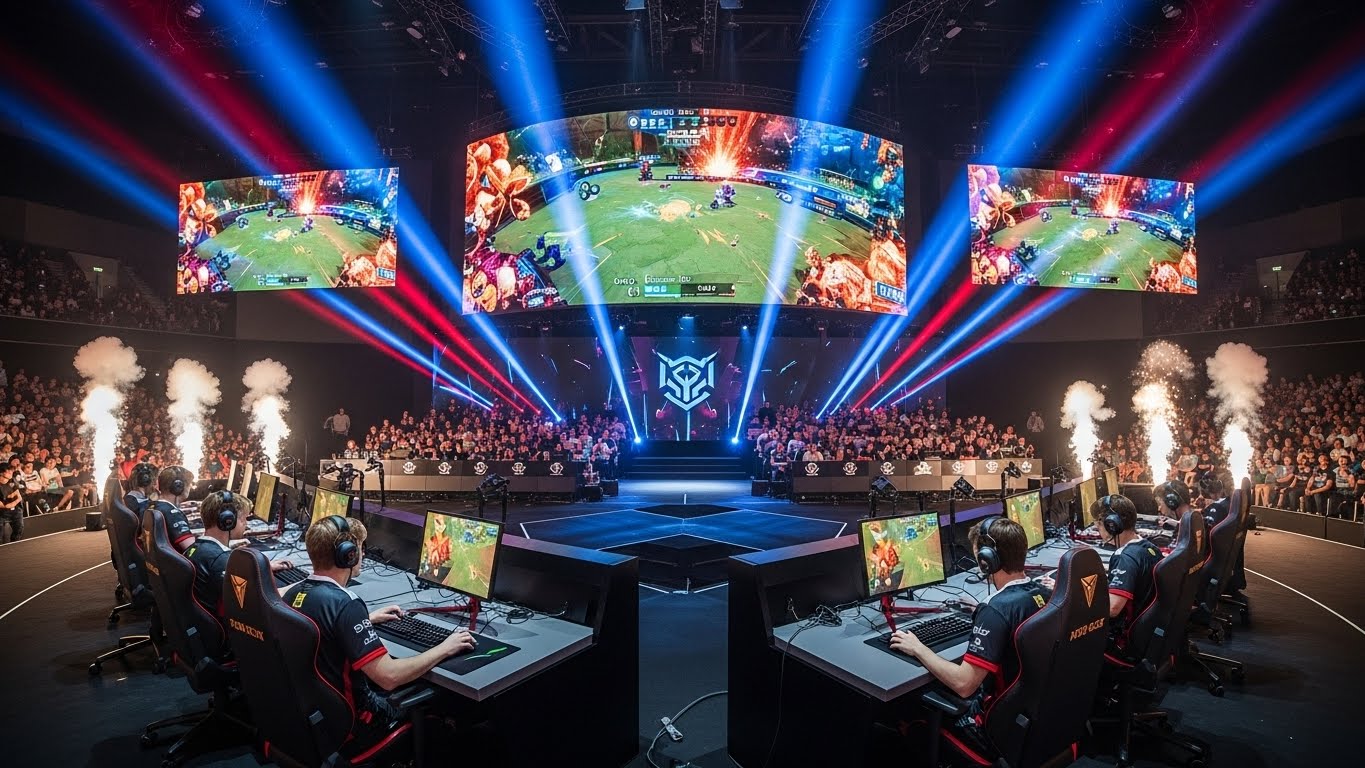
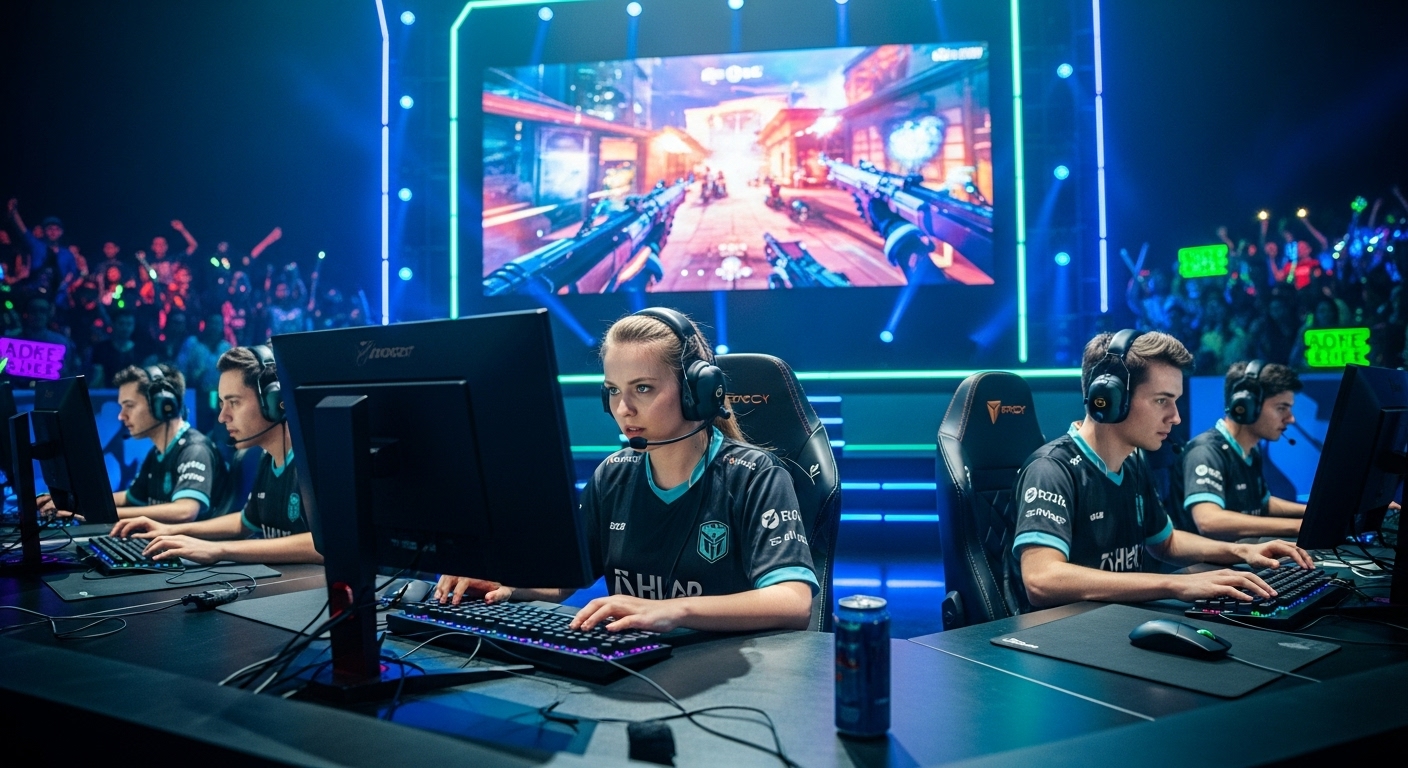
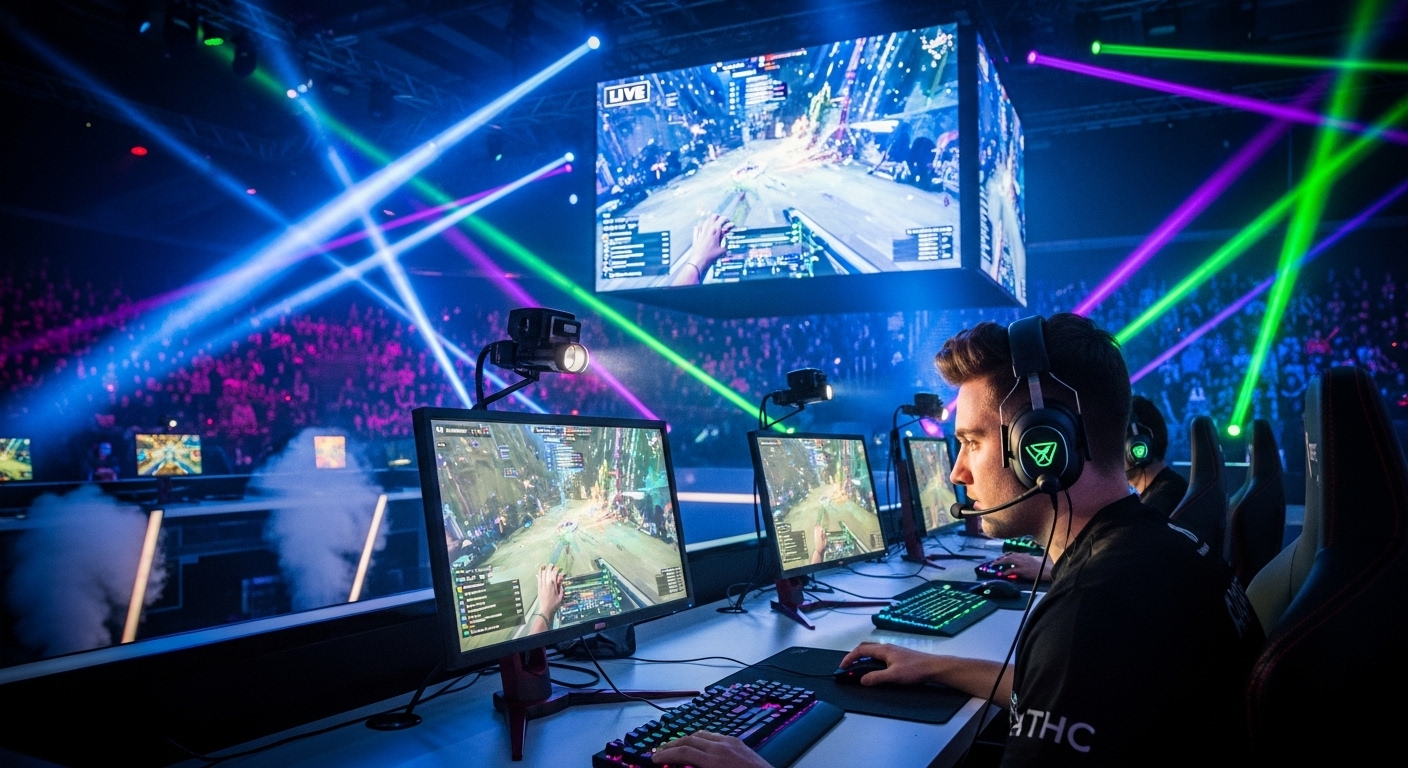
Over the past two decades, the world has witnessed the rise of a new cultural and entertainment phenomenon—esports. What was once seen as casual gaming has evolved into one of the most powerful industries of modern times, captivating millions of players, fans, and investors across the globe. Esports is not just about playing video games; it is a fusion of skill, technology, strategy, and spectacle. From humble beginnings in small gaming cafes and LAN parties to massive international tournaments held in packed stadiums, esports has become a mainstream sensation. The players are now considered athletes, teams are treated like professional sports franchises, and sponsors pour in millions of dollars to be part of the movement.
This blog explores the world of esports in depth—its history, growth, cultural impact, major games, tournaments, careers, and what the future might hold for this ever-evolving digital battlefield.
The Origins of Esports
The term “esports,” short for electronic sports, refers to organized competitive gaming where players or teams compete in video games for titles, fame, and monetary prizes. While it feels like a product of the 21st century, its roots go back much further. The first known gaming competition took place in 1972 at Stanford University, where players competed in the game Spacewar! for a grand prize of a magazine subscription.
In the 1980s, with the rise of arcade gaming and consoles like the Atari, Nintendo Entertainment System, and Sega Genesis, competition among gamers grew rapidly. Arcades became social hubs for gaming challenges, where players sought to achieve the highest scores in classics like Pac-Man, Donkey Kong, and Space Invaders.
The 1990s were a turning point. The advent of the internet and the PC gaming boom transformed competitive gaming from local matches into global events. Games like Quake, StarCraft, and Counter-Strike became early pioneers in the esports landscape. The first major international tournaments began during this time, attracting dedicated players from around the world and planting the seeds for what would become a billion-dollar industry.
The Rise of Online Gaming and Streaming
As technology advanced, so did the accessibility of competitive gaming. The rise of high-speed internet connections made it easier for players to compete with others across continents. Online multiplayer games became the norm rather than the exception. Titles such as League of Legends, Dota 2, and Overwatch set new standards for competitive balance and strategic depth.
Streaming platforms like Twitch and YouTube Gaming revolutionized how people consumed gaming content. Instead of merely playing, millions of viewers began watching others play, learning strategies, enjoying commentary, and becoming emotionally invested in their favorite players or teams. Esports was no longer a niche hobby—it was an entertainment powerhouse. The rise of gaming influencers and streamers further blurred the lines between competitive play and online entertainment, creating a new type of celebrity culture centered around gaming.
The Global Expansion of Esports
Today, esports is a global industry that spans every continent. Countries such as South Korea, China, the United States, and various European nations have become major powerhouses in different gaming titles. South Korea, in particular, deserves special recognition as one of the pioneers of the esports ecosystem. With games like StarCraft dominating the early 2000s, South Korean players became national heroes, with televised matches and sponsorships rivaling those of traditional athletes.
In China, esports has become a massive industry supported by both government initiatives and corporate investment. Stadiums dedicated entirely to esports events have been built, and education systems even include esports training programs. In the United States and Europe, esports organizations have professionalized further, introducing franchised leagues that mirror the structure of major sports leagues such as the NBA or NFL.
Africa, South America, and the Middle East are also catching up rapidly. With increasing internet accessibility and affordable gaming devices, new markets are emerging where young gamers see esports as both a passion and a potential career path.
The Major Esports Titles
The esports ecosystem is made up of numerous competitive titles, each with its own unique gameplay, fanbase, and competitive scene. Some of the most influential and popular games include:
1. League of Legends
Developed by Riot Games, League of Legends is one of the most-watched esports in the world. The game’s blend of strategy, teamwork, and mechanical skill makes it a top-tier esport, with tournaments like the World Championship drawing millions of viewers globally.
2. Dota 2
Valve’s Dota 2 is another multiplayer online battle arena (MOBA) game with an immense following. Its premier event, The International, is famous for having the largest prize pools in esports history, sometimes exceeding tens of millions of dollars.
3. Counter-Strike: Global Offensive (CS:GO)
As one of the oldest and most respected competitive shooters, CS:GO remains a staple of the esports world. Its tactical gameplay, precise mechanics, and intense rivalries continue to captivate audiences.
4. Valorant
A more recent addition, Valorant has quickly risen to prominence by blending the precision shooting of CS:GO with the abilities and style of hero-based games. Riot Games has successfully built a global competitive circuit for the title.
5. Fortnite
Epic Games’ Fortnite turned the world of gaming on its head with its unique combination of building mechanics, battle royale gameplay, and vibrant events. The Fortnite World Cup showcased just how big competitive gaming could get, with young players winning multi-million-dollar prizes.
6. Call of Duty
With its long-running legacy, Call of Duty has established professional leagues, team franchises, and a consistent player base. The Call of Duty League brings together top teams from around the world in a structured seasonal format.
7. Overwatch
Blizzard’s team-based shooter added colorful characters and fast-paced gameplay to the mix. The Overwatch League introduced a city-based franchise system, much like traditional sports.
8. Rocket League, Apex Legends, and PUBG
These games represent diverse competitive genres—ranging from car-soccer hybrids to battle royales—all contributing to the rich and dynamic esports landscape.
The Esports Economy
The financial ecosystem of esports is vast and multifaceted. Revenue streams include sponsorships, advertising, media rights, merchandise, ticket sales, and in-game purchases. Top-tier tournaments attract global sponsors from major industries such as technology, energy drinks, apparel, and telecommunications.
Franchised leagues, like the League of Legends Championship Series (LCS) and Overwatch League, have structured systems where teams pay franchise fees and share in league revenues, much like traditional sports teams. Esports organizations are valued in the hundreds of millions of dollars, and star players sign contracts with salaries comparable to professional athletes.
Moreover, esports betting and fantasy leagues have become a growing part of the ecosystem, adding another dimension of engagement for fans. However, this also introduces challenges around regulation and integrity, emphasizing the need for transparent and ethical oversight.
The Role of Technology in Esports
Technology is at the heart of esports. From high-performance gaming PCs to streaming equipment, technology enables the entire competitive ecosystem to function. Game developers continuously optimize performance, balance gameplay, and introduce new features to keep esports engaging and fair.
Virtual reality (VR) and augmented reality (AR) technologies are also beginning to influence esports, offering immersive experiences for both players and spectators. Cloud gaming and 5G connectivity are further expanding the accessibility of competitive gaming, allowing players from all regions to participate with minimal lag and high-quality visuals.
Artificial intelligence plays a growing role as well. AI is being used to analyze gameplay, enhance training for professional players, and even moderate online competitions to prevent cheating.
Esports as a Career
Esports offers a variety of career paths beyond just playing competitively. While professional players and streamers are the most visible, the industry supports a wide range of roles. These include coaches, analysts, commentators, content creators, event organizers, and marketing specialists.
Educational institutions are now offering degrees and scholarships in esports management, game design, and digital media. Universities across the world have created esports teams, giving students a platform to compete while pursuing their studies.
However, like any competitive industry, it comes with challenges. Professional players often face burnout, mental pressure, and short career spans. The average competitive player peaks in their late teens or early twenties, requiring careful planning for post-competition careers.
The Cultural Impact of Esports
Esports has become more than a pastime—it’s a cultural movement. It has redefined entertainment, reshaped youth identity, and bridged communities across borders. For younger generations, esports represents opportunity, creativity, and connection.
The rise of gaming influencers and esports celebrities has given birth to a new form of digital stardom. Fans follow their favorite players just as passionately as traditional sports fans follow footballers or basketball players. Esports events fill arenas, with fans waving banners, chanting, and celebrating victories together.
Moreover, esports has become an equalizer, breaking down barriers of geography, language, and even physical ability. Players from diverse backgrounds can compete on equal footing, relying solely on their skill and dedication.
The Challenges Facing Esports
Despite its rapid growth, esports still faces a number of challenges. One major concern is the lack of standardized governance. Unlike traditional sports, esports is fragmented across multiple publishers, each controlling its own game and competitive ecosystem. This can lead to inconsistencies in rules, prize distribution, and player protection.
Another challenge is player welfare. With intense competition and long practice hours, burnout and mental health issues are common among professional gamers. There is a growing need for player unions, health support systems, and sustainable career development models.
Toxicity and online harassment are also ongoing issues in gaming communities. Maintaining positive and inclusive environments remains a top priority for organizations and platforms.
Additionally, the esports industry must navigate legal and ethical questions related to data privacy, betting, sponsorship transparency, and youth involvement.
The Future of Esports
The future of esports looks brighter than ever. Analysts predict that viewership and revenue will continue to grow exponentially in the coming years. Esports is now being considered for inclusion in major sporting events, such as the Asian Games and possibly the Olympics.
Advancements in artificial intelligence, virtual reality, and cloud computing will make competitive gaming even more accessible and immersive. The line between physical and digital sports will continue to blur, creating new hybrid experiences that engage both gamers and spectators.
Brands and traditional sports franchises are already investing heavily in esports, recognizing its potential to capture the attention of younger audiences. As esports continues to evolve, it will likely become a central part of global entertainment, education, and technology.
Conclusion
Esports is more than just digital competition—it is a revolution in how humans connect, compete, and create. It embodies the spirit of modern culture: fast-paced, diverse, and innovative. From the early arcade challenges to today’s multimillion-dollar tournaments, esports has grown into a legitimate and respected form of entertainment and athletic expression.
The industry’s journey has just begun. With continued innovation, inclusivity, and sustainability, esports has the potential to redefine what it means to be an athlete, an entertainer, and a fan in the digital age.
As technology continues to evolve, one thing remains clear: esports is not a passing trend—it is the future of global competition, where the next generation of champions will rise not on physical fields, but within the virtual arenas that captivate the world.