




Introduction: The Emergence of Esports
Esports, or competitive video gaming, has grown from a niche hobby into a global phenomenon that captivates millions of players and fans worldwide. What began as informal competitions among friends in arcades or at home has transformed into a professional industry with organized leagues, international tournaments, and substantial financial stakes. Esports combines strategy, skill, teamwork, and entertainment, creating an experience that rivals traditional sports in excitement and audience engagement.
Beyond the games themselves, esports has influenced technology, culture, and education. It has created new career paths, fostered global communities, and provided a platform for young talent to shine. This blog explores the evolution of esports, its professional landscape, its cultural significance, and its future trajectory.
The Origins of Esports
The roots of esports trace back to the late 1970s and early 1980s with the rise of arcade gaming. Early competitions were informal, often hosted in arcades, colleges, or gaming clubs. Titles like Space Invaders, Pac-Man, and Tetris allowed players to compete for high scores, creating a competitive spirit among enthusiasts.
By the 1990s, the growth of the internet enabled multiplayer online gaming, breaking geographical barriers. Games like StarCraft, Counter-Strike, and Warcraft III became the backbone of competitive gaming communities. South Korea, in particular, emerged as a hub for esports, developing structured leagues, professional players, and dedicated training facilities. These developments laid the groundwork for esports as a professional and global phenomenon.
The Professionalization of Esports
Modern esports is a highly organized industry. Professional players follow strict training regimens that include skill practice, strategy analysis, teamwork exercises, and physical fitness routines. Teams employ coaches, analysts, and managers to optimize performance and maintain competitiveness.
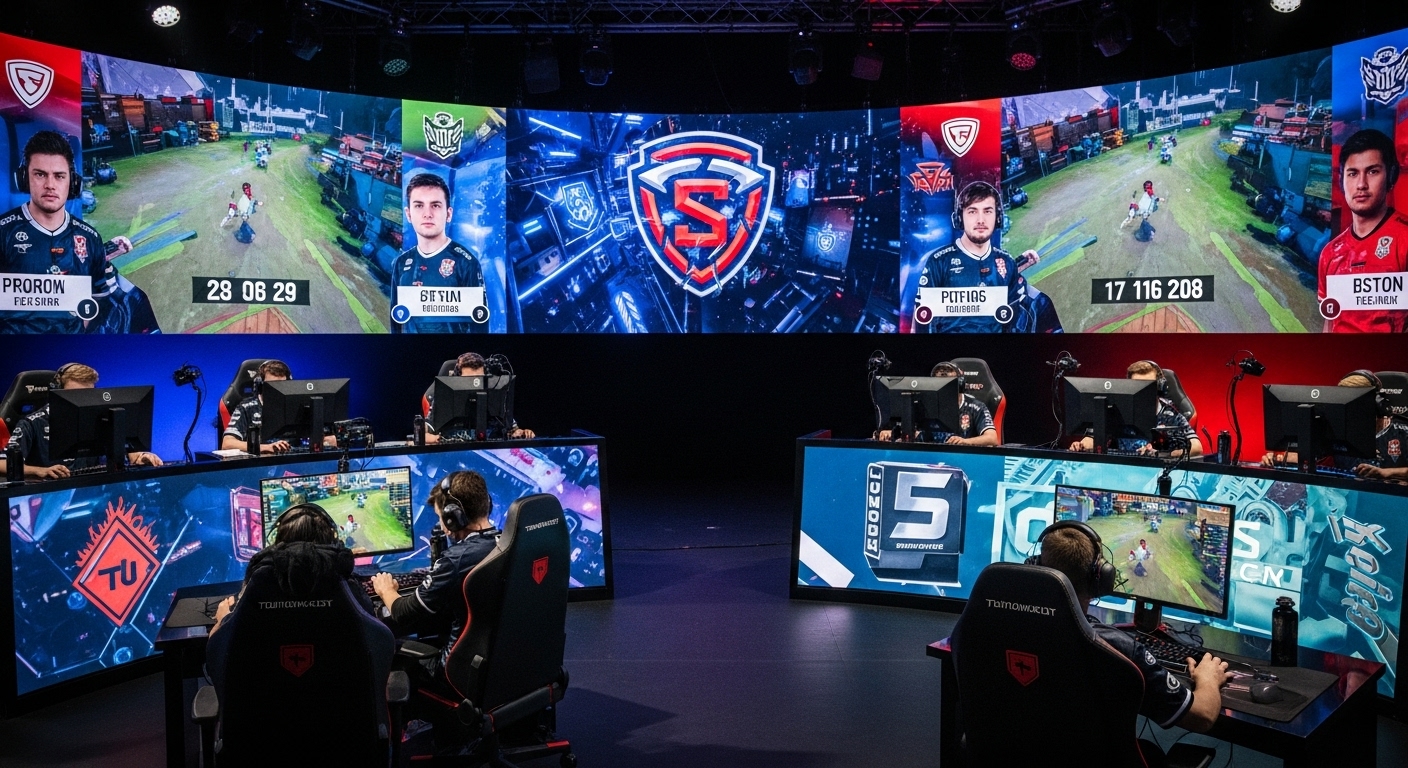
Major tournaments, such as League of Legends World Championship, Dota 2’s The International, and the Fortnite World Cup, attract millions of viewers and feature prize pools that reach millions of dollars. Sponsorships from global brands, media rights, and streaming platforms further solidify esports as a legitimate professional career path. Unlike casual gaming, professional esports demands discipline, endurance, and mental resilience, similar to traditional sports.
Popular Esports Games and Genres
Esports covers a wide range of games and genres, each requiring unique skills and strategies. Multiplayer online battle arena (MOBA) games like League of Legends and Dota 2 focus on teamwork, real-time decision-making, and strategy. First-person shooters (FPS) such as Counter-Strike: Global Offensive and Call of Duty test reflexes, accuracy, and tactical thinking. Battle royale games like Fortnite and PUBG challenge players’ adaptability and survival instincts.
Other popular genres include sports simulations, fighting games, and collectible card games, each contributing to esports’ diverse ecosystem. The variety of games ensures that players with different interests and skills can participate, and audiences can enjoy a broad spectrum of competitive experiences.
Global Audience and Engagement
One of the most remarkable aspects of esports is its massive global audience. Millions of fans follow live tournaments, watch streaming platforms, and interact with players and communities. Platforms like Twitch and YouTube Gaming allow fans to watch live matches, communicate with other viewers, and even interact with professional players.
Esports is truly international, with South Korea, China, North America, and Europe serving as major hubs. However, viewership extends worldwide, creating a global community united by shared passion. Unlike traditional sports, esports allows fans and players from almost any location to participate, making it highly accessible and inclusive.
The Role of Technology in Esports
Technology is central to esports. High-performance computers, gaming consoles, and peripherals ensure precision and responsiveness for professional play. Fast and stable internet connectivity allows players to compete in real time across vast distances.
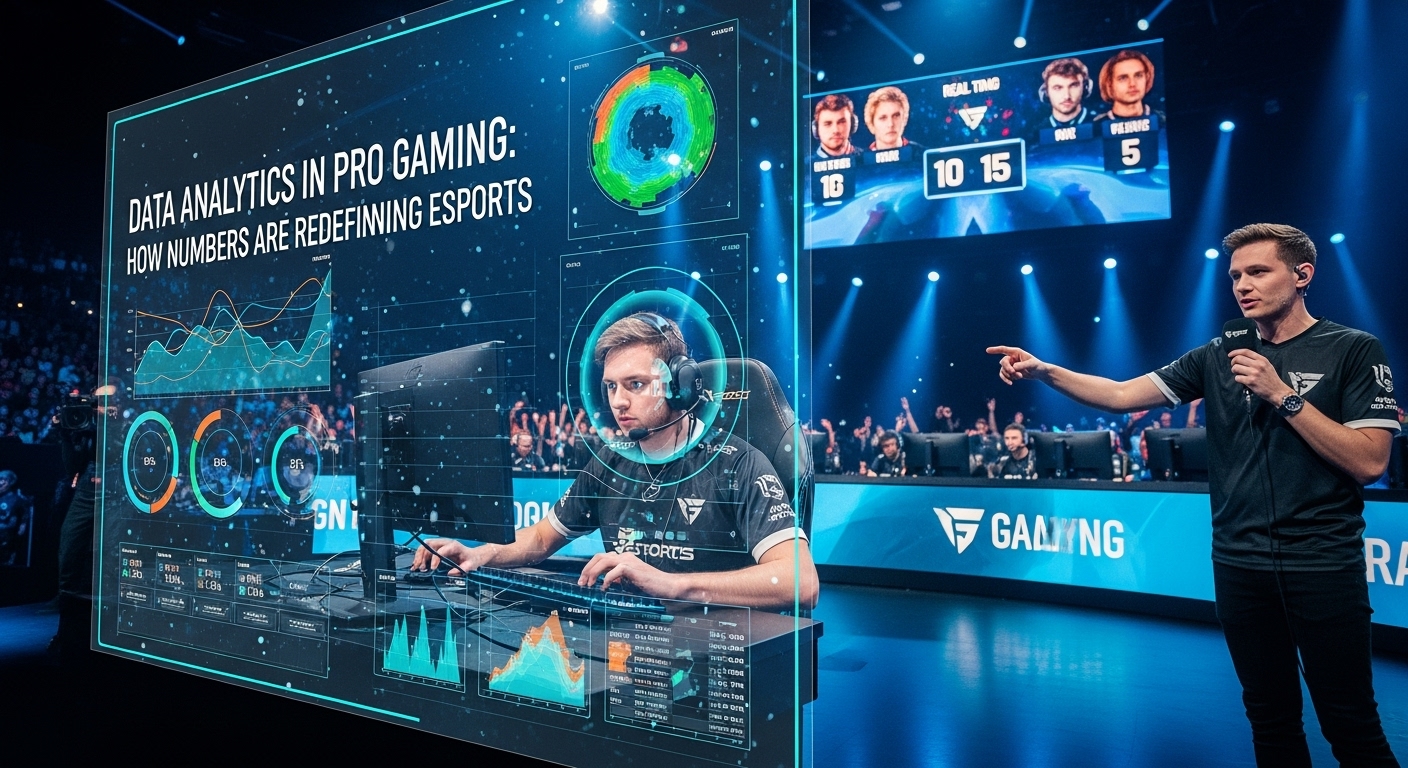
Data analytics, performance tracking, and strategy review tools help players refine their gameplay and optimize performance. Advancements in virtual reality and augmented reality are expected to create more immersive experiences for both players and spectators. Technology not only drives gameplay but also enables esports to reach millions of viewers worldwide, enhancing engagement and entertainment.
Esports as a Cultural Force
Esports has become a cultural phenomenon, influencing media, fashion, and entertainment. Players and teams have become global celebrities, inspiring fan art, music, merchandise, and online communities. Tournaments and conventions celebrate gaming culture, providing spaces for fans to connect, compete, and engage with the esports community.
The cultural impact of esports extends to inclusivity and diversity. Players from various backgrounds, countries, and identities compete on a level playing field, fostering respect and collaboration. Esports challenges traditional notions of sports and entertainment, creating a digital culture that resonates with younger generations.
Education and Esports
Educational institutions are increasingly recognizing the value of esports. Universities offer scholarships, establish collegiate leagues, and integrate esports into academic programs. Students participating in esports develop teamwork, strategic thinking, communication, and leadership skills.
Esports also complements STEM education. Game design, analytics, and programming are directly linked to competitive gaming, providing practical applications for technology-focused studies. By incorporating esports into education, schools prepare students for careers in gaming, technology, and digital entertainment while developing critical life skills.
Mental and Physical Demands of Esports
Esports requires significant mental and physical discipline. Players must maintain focus under pressure, make quick decisions, and manage the stress of high-stakes competition. Reflexes, hand-eye coordination, and spatial awareness are critical skills that demand consistent practice.
Physical health is also crucial. Professional players often follow exercise routines, maintain proper nutrition, and engage in mental wellness practices to prevent burnout and repetitive strain injuries. The dedication required for esports mirrors that of traditional sports, emphasizing preparation, resilience, and holistic well-being.
Esports and Career Opportunities
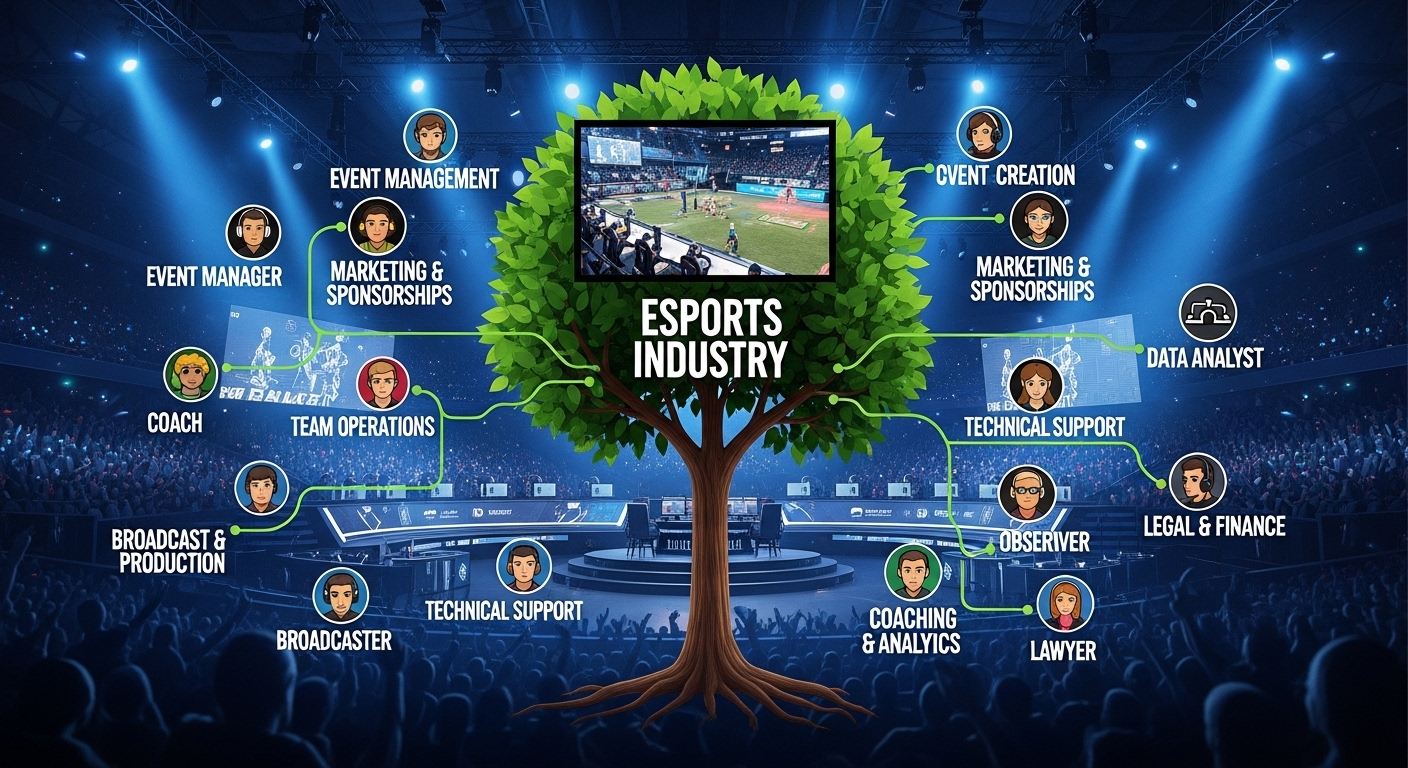
Esports offers a wide range of career opportunities beyond professional gameplay. Coaches, analysts, event organizers, broadcasters, and content creators all play a role in the ecosystem. Streaming and content creation have become lucrative careers, with popular streamers attracting large audiences and sponsorships.
The industry’s growth also creates opportunities in marketing, event management, game development, and technology. Esports has transformed gaming from a hobby into a viable professional ecosystem, supporting talent across multiple disciplines.
The Future of Esports
The future of esports is filled with innovation and potential. Emerging technologies like virtual reality, augmented reality, and cloud gaming will further enhance the player and spectator experience. Accessibility will continue to improve, allowing players from all backgrounds to participate competitively.
Esports will also gain further legitimacy as a professional sport. Collegiate programs, international competitions, and standardized regulations will strengthen the industry. As audiences grow and technology advances, esports will increasingly influence entertainment, education, and culture worldwide.
Conclusion: Esports as a Global Phenomenon
Esports has transformed gaming into a global cultural, professional, and technological phenomenon. It combines competition, strategy, and entertainment in ways that resonate with audiences worldwide. Beyond the gameplay, esports fosters community, career opportunities, and cultural exchange.
From amateur tournaments to international championships, esports has proven that competitive gaming is more than a hobby—it is a legitimate, influential, and growing industry. As technology advances and global engagement increases, esports will continue to shape how people compete, interact, and experience digital entertainment in the 21st century.